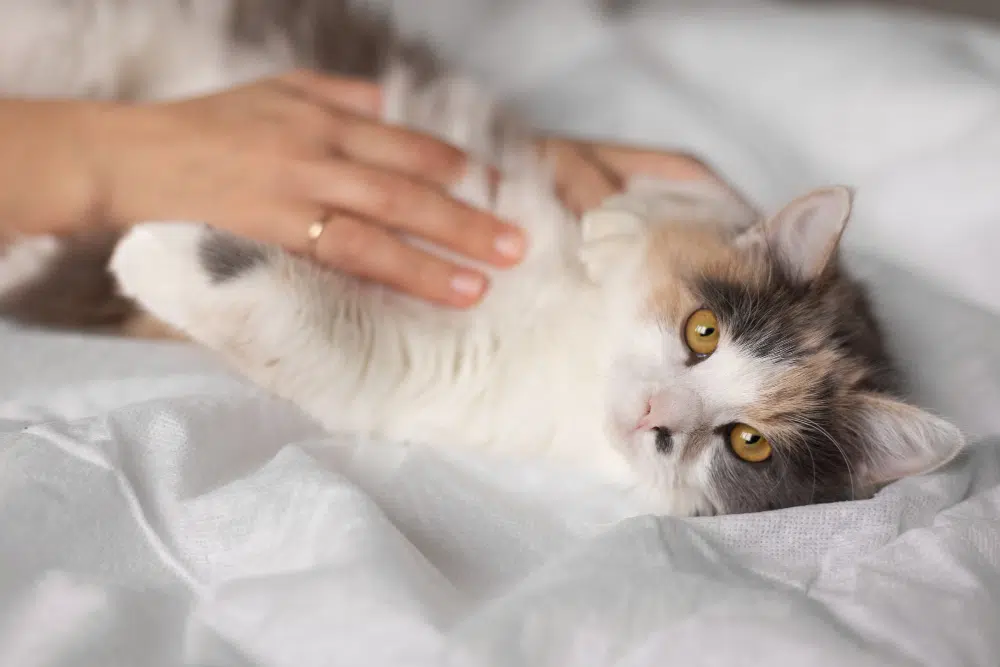
8 Best Hypoallergenic Cat Breeds for People with Allergies
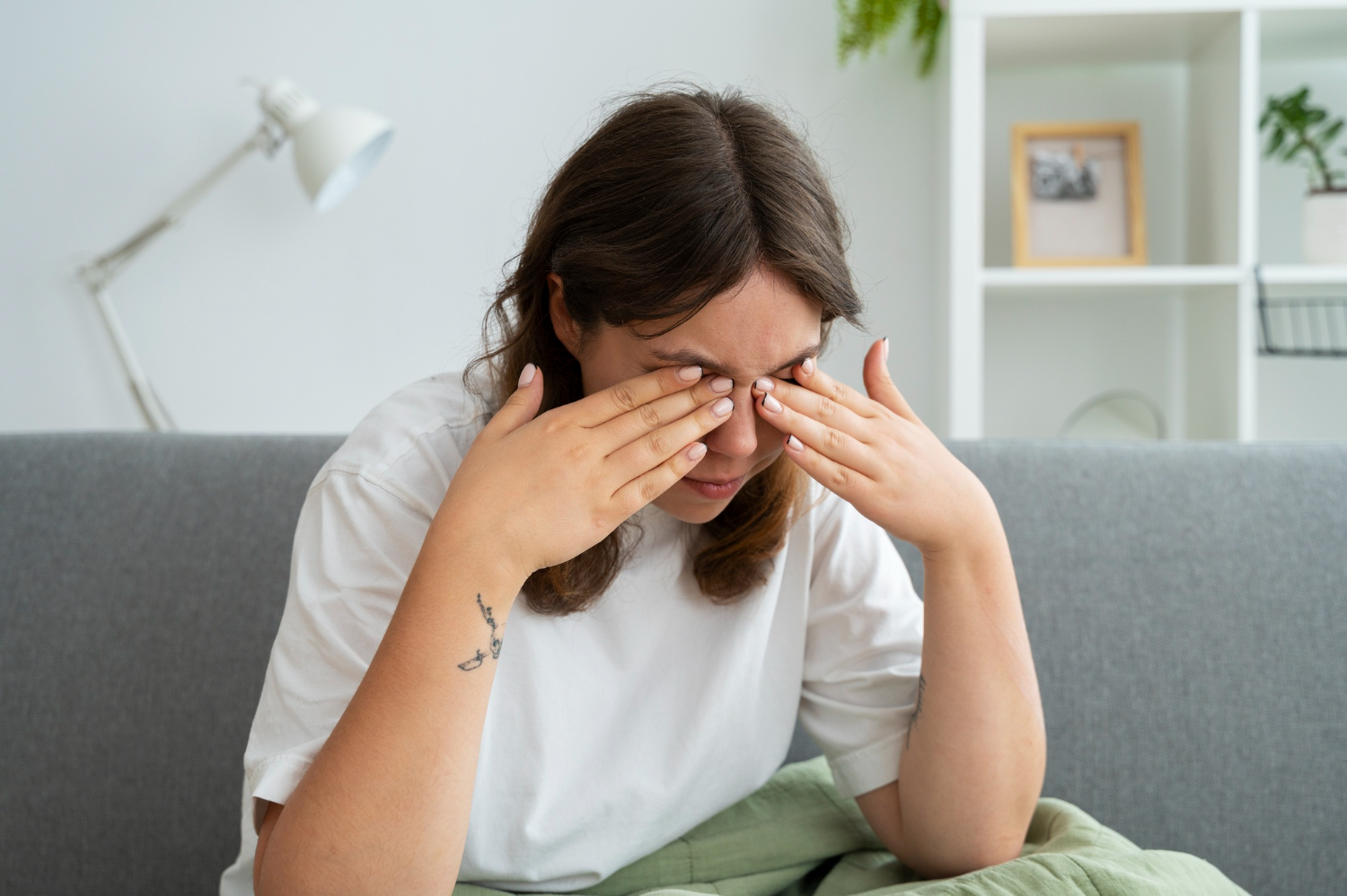
Many animal lovers want a cat but struggle with symptoms such as sneezing, itchy eyes, or congestion. In fact, the AAFA reports that up to 30% of people with allergies react to pets, and cat allergies are about twice as common as dog allergies. However, the reaction is not caused by cat fur itself but by microscopic allergen proteins, particularly Fel d 1, found in saliva, skin, and dander. Because of this, even short-haired or hairless breeds sometimes referred to as hypoallergenic cats may still trigger allergies.
Cat allergies don’t rule out ownership. Understanding the causes allows prospective owners to choose “hypoallergenic” breeds better tolerated by sufferers. Combining careful breed selection with strict environmental management—like grooming and active air purification—makes a comfortable, sneeze-free home achievable.
Quick answer: Are there cats for people with allergies?
Yes, while no cat is 100% allergy-free, “hypoallergenic” breeds are less likely to cause a reaction. This is because they either produce lower levels of the allergen protein (Fel d 1) or have a coat structure that minimizes the spread of allergen-coated dander and saliva.
What causes cat allergies
Contrary to popular belief, a cat’s fur is not the actual cause of an allergic reaction. The true trigger is a microscopic protein called Fel d 1, which is naturally produced in a feline’s salivary and sebaceous (skin) glands. When an allergy sufferer experiences sneezing, coughing, or itchy eyes, their immune system is overreacting to this specific allergen rather than the physical hair itself. Because every cat produces Fel d 1 to some degree, regardless of its breed, size, or coat length, the idea that a completely non-allergenic feline exists is a biological impossibility.
A cat’s meticulous grooming spreads the Fel d 1 allergen. Licking deposits Fel d 1-rich saliva onto their coat. Once dry, the protein binds to shed dander—tiny skin flakes. These ultra-fine, lightweight particles then remain airborne for hours or settle deep into furnishings, making them easily inhalable even when the cat is absent.
Are hypoallergenic cats real?
While no cat is truly allergy-free, “hypoallergenic” breeds are characterized by a reduced production of allergens. The prefix “hypo-” signifies “less than normal.” This classification applies to cats that either have a genetic predisposition to produce significantly less of the Fel d 1 protein in their saliva or possess distinctive coat traits—such as a lack of traditional fur, no undercoat, or dense curls—which effectively limits shedding and the subsequent airborne spread of allergen-coated dander.
We will now examine the most recommended breeds for those with allergies, grouping them by the distinct coat types and low protein levels that contribute to their high tolerability.
Best cat breeds for People with Allergies
No cat breed works perfectly for everyone, but some cats produce fewer allergens than others. People often call these breeds hypoallergenic cats because they may help reduce allergy symptoms. The breeds below are among the best options for reducing airborne allergens at home.
Low Protein Producers
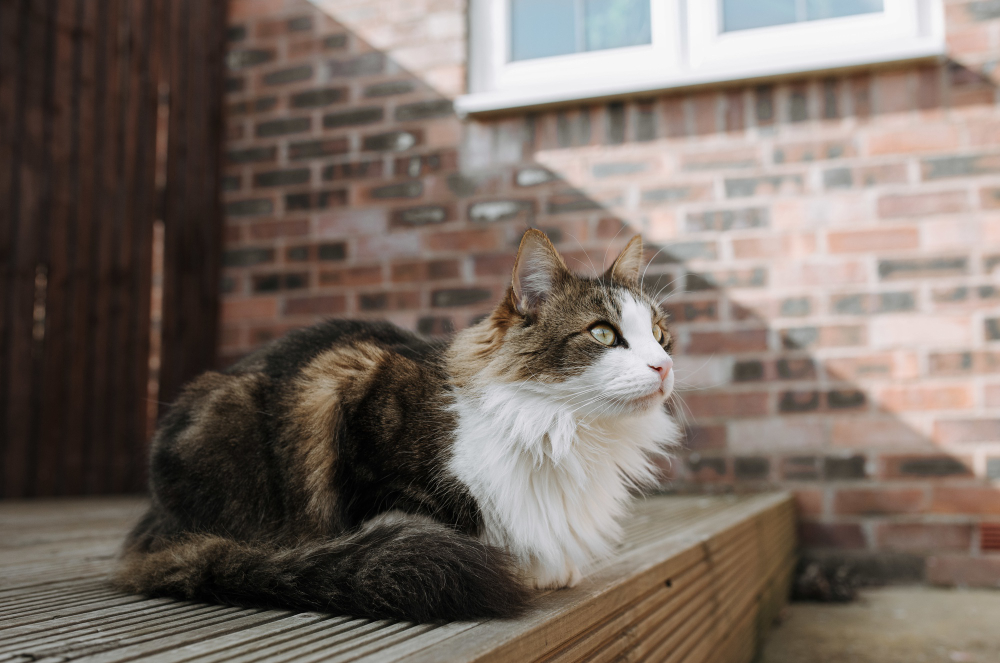
Siberian
Despite boasting a thick, triple-layered coat, the Siberian is famous for producing significantly lower levels of the Fel d 1 protein than most other cats, making it a top choice for severe allergy sufferers.
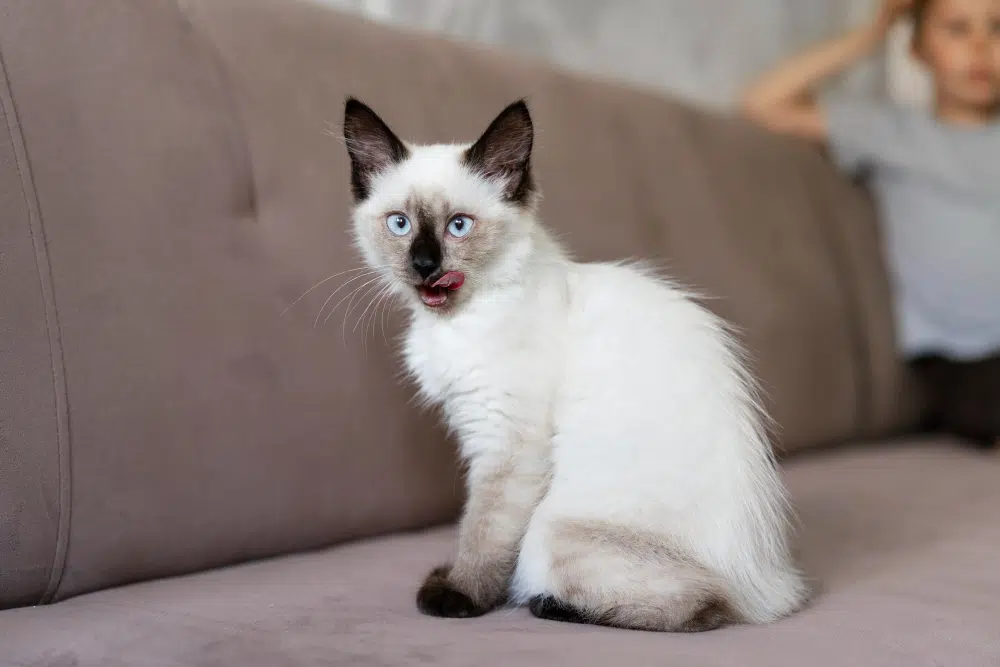
Balinese
Often referred to as the “long-haired Siamese”, this elegant breed also naturally produces less of the allergy-causing protein and lacks a fluffy undercoat, which reduces shedding.
Low Shedders and Dander Trappers
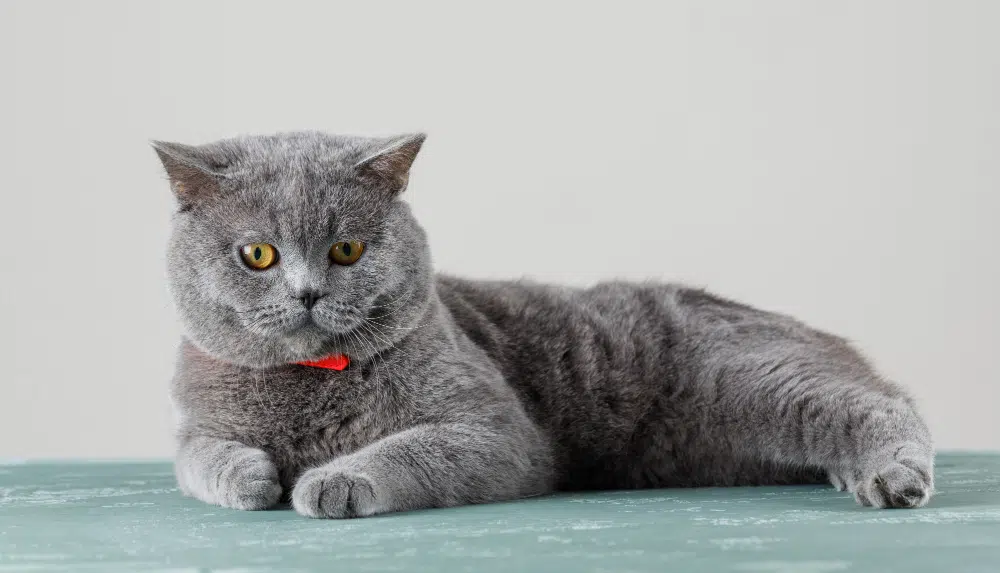
Russian Blue
Featuring a dense, plush double coat, this breed excels at trapping dander and allergens close to the skin rather than releasing them into the surrounding air.
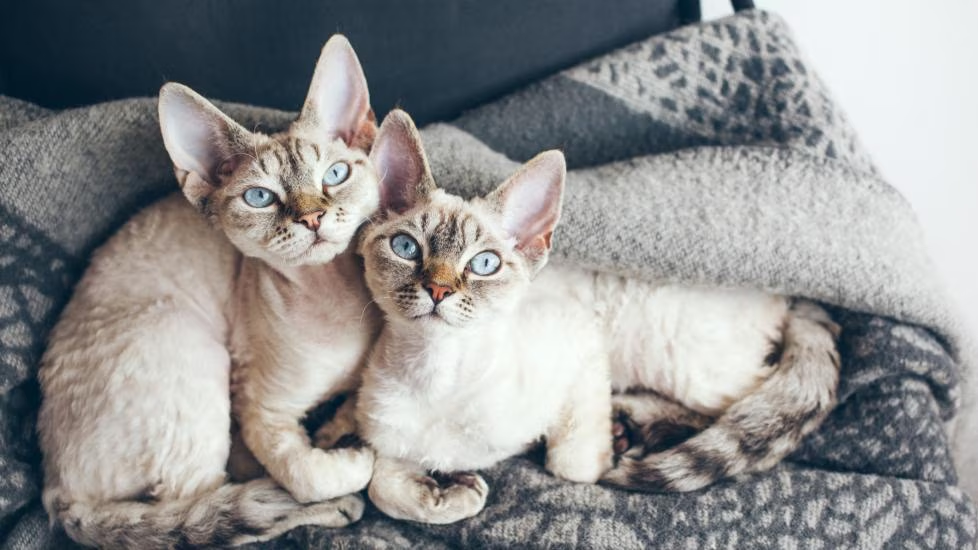
Cornish Rex and Devon Rex
These affectionate felines boast uniquely thin, curly, or wavy coats that shed minimally, drastically reducing the spread of allergen-coated hair across your furniture and floors.
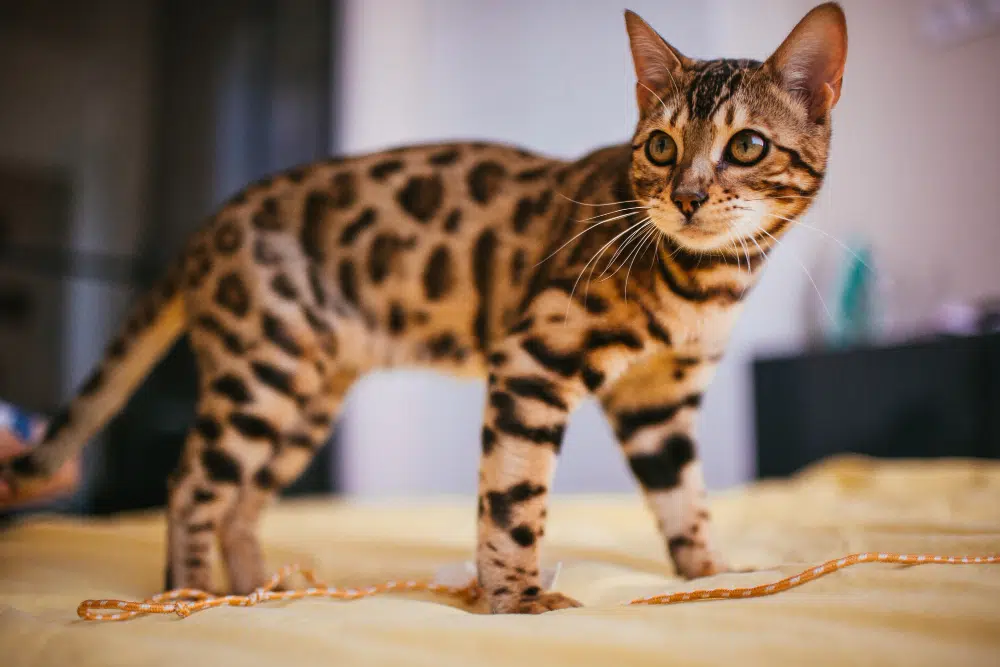
Bengal
Bengals possess a distinctively sleek, pelt-like coat. Because of this unique coat, they groom themselves less often. As a result, cats deposit a smaller amount of allergen-rich saliva onto their fur.
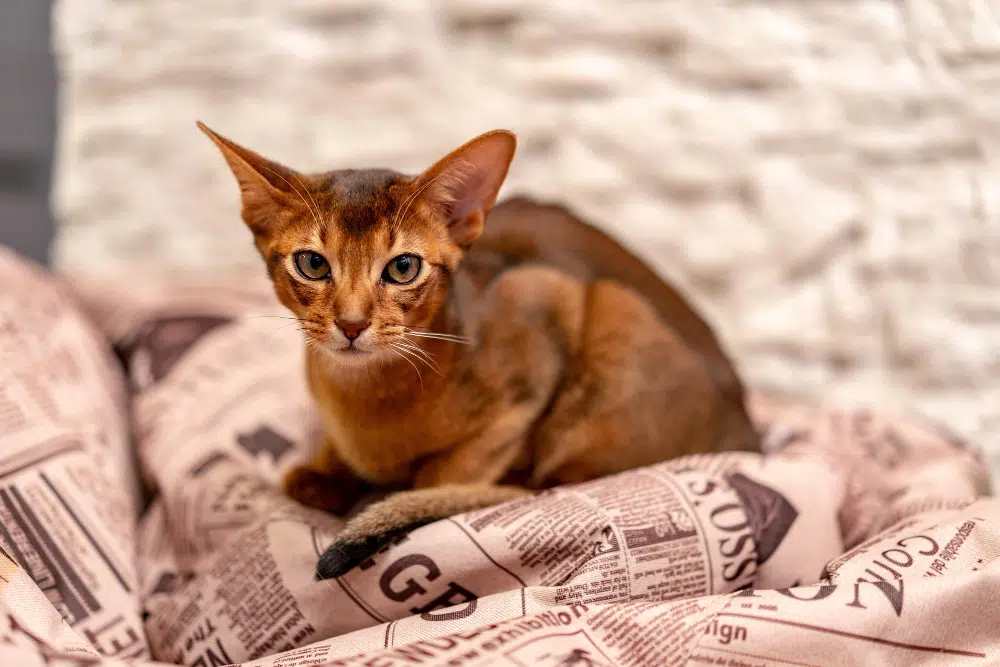
Oriental Shorthair
Known for a very short, fine coat, this breed requires little maintenance and drops exceptionally low amounts of dander.
Hairless Breeds
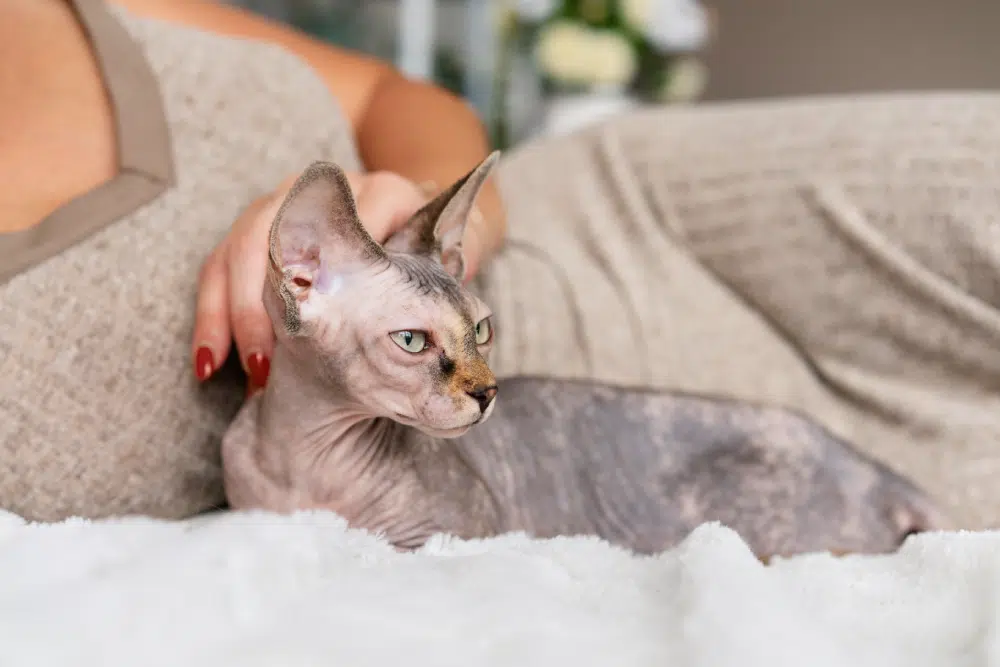
Sphynx
Sphynx cats have a fine “peach fuzz” coat instead of thick fur. This trait reduces traditional shedding, which makes them a popular choice for allergy-sensitive owners. However, owners must give them weekly sponge baths to remove oils and dander buildup.
How to reduce cat allergens at home
Selecting a hypoallergenic cat is only the beginning of allergy management. Because all cats produce the Fel d 1 protein, proactive environmental control and hygiene are essential. A multi-faceted approach, proven by NIH-backed studies, significantly eases symptoms and reduces indoor allergens. Maintaining consistent habits is key to minimizing the buildup of dander and saliva.
- Implement ‘Cat-Free’ Zones: Designate specific areas of your home, particularly the bedroom, as strictly off-limits to your pet. Because we spend roughly a third of our lives sleeping, keeping this space pristine is vital for preventing nighttime asthma and allergy flare-ups.
- Establish a Strict Grooming Routine: Frequently brushing your cat helps remove loose hair and dander before it has the chance to settle onto your furniture. Ideally, this should be done outdoors by a non-allergic family member. For hairless felines like the Sphynx, a weekly sponge bath is essential to gently wash away excess sebaceous oils and proteins.
- Deep Clean Soft Furnishings: Feline allergens are notoriously sticky, clinging stubbornly to carpets, rugs, and fabric sofas. Vacuum these surfaces at least weekly using a machine equipped with a High-Efficiency Particulate Air (HEPA) filter, and ensure pet bedding is washed regularly in hot water.
- Optimise Your Cat’s Nutrition: Feeding your feline a high-quality diet designed for sensitive skin—often rich in Omega-3 fatty acids—can vastly improve their coat health. Healthier skin naturally flakes less, which directly reduces the volume of dander shed into your home.
Manual cleaning, even with a vacuum and brush, fails to capture ultra-fine, lightweight allergen particles suspended in the air. To neutralize these invisible threats before inhalation, you need best Air Purifier for Pet, which provides a definitive defense against airborne allergens.
Role of air purification: The active solution
Since microscopic, airborne Fel d 1 protein remains suspended even after thorough cleaning, high-quality air purification is essential for managing cat allergies, especially given that indoor air often harbors higher pollutant levels than outdoor air (EPA). However, a standard HEPA filter may be insufficient for severe allergy sufferers.
Standard air purifiers are limited:
because they function passively, only capturing allergens that are drawn directly through their filters and fans. Feline dander is extremely light, and the Fel d 1 protein is adhesive, meaning these allergens quickly settle on surfaces and remain in places traditional suction cannot reach. To effectively counter the symptom-causing proteins, an active system is necessary. This system must be capable of seeking out and neutralizing allergens wherever they are resting or floating.
This is where advanced, professional-grade technology like the VBreathe EnviroGuard PRO™ X provides a definitive advantage. As an effective air purifier for cat allergic individuals, it goes beyond passive filtration by delivering comprehensive active air treatment, helping create a significantly safer environment for both you and your feline companion.
- The VBreathe EnviroGuard PRO™ X offers a definitive advantage through advanced, professional-grade, active treatment. Moving beyond passive filtration, it creates a sair purifier for cat allgericignificantly safer environment for you and your cat.
- A Dual Active Approach: Unlike conventional devices, VBreathe does not rely on filtration alone. It pairs a premium 4-stage HEPA filtration system with the innovative Purox™ Gel, delivering a two-pronged defence against indoor pollutants.
- Mid-Air and Surface Neutralisation: Purox™ Gel continuously releases a low-level, active vapor, inspired by sunlight’s natural oxidation. This vapor actively neutralizes airborne and surface-trapped Fel d 1 protein, mold, and bacteria throughout the room, rather than waiting for allergens to enter a machine.
- Uncompromised Pet Safety: A major concern for pet owners is introducing harsh chemicals into the home. Purox™ Gel is uniquely formulated to be 100% non-toxic and food-grade, ensuring that the active disinfection process is completely safe
- Professional-Grade Efficacy: Originally designed for high-standard enclosed environments such as medical clinics and offices, the system is independently verified to eliminate up to 99.99% of airborne pathogens, allergens, and (VOCs), offering unparalleled peace of mind.
Conclusion
Managing cat allergies requires a layered approach. Choose a hypoallergenic breed like the Siberian or Cornish Rex to reduce Fel d 1 exposure, then control the environment with regular grooming, cat-free zones, and effective air purification. This approach helps create a more comfortable home for allergy sufferers.
Before adoption, spend time with the specific cat. Since individual protein levels and human allergies vary, a generally “hypoallergenic” breed may still cause a reaction. Meet-and-greets or fostering let you gauge your physical response accurately. This proactive step ensures a lifelong bond, not an immune battle.
FAQs
- What is the best cat for allergic people?
While no cat is completely allergen-free, the Siberian and Balinese stand out as the best choices because they naturally produce much lower levels of the Fel d 1 protein. People who want minimal shedding often prefer the Devon Rex or Cornish Rex, as these breeds shed far less than most cats. - Can I keep a cat if I am allergic?
Yes. Many allergy sufferers live successfully with cats by choosing a hypoallergenic breed and implementing strict environmental controls. Success relies on a combination of regular grooming, “cat-free” zones, and using an active air purification system to neutralise airborne and surface allergens. - What cat is worst for allergies?
High-shedding breeds with thick double coats, such as the Persian and Maine Coon, are generally the most problematic. Their long fur easily traps and distributes allergen-rich saliva and dander throughout the home, making symptoms much harder to manage. - Are hairless cats like the Sphynx the safest option?
Not necessarily. While they don’t shed fur, Sphynx cats still produce the Fel d 1 protein in their saliva and skin oils. - Do male or female cats differ in allergen levels?
Yes. Studies indicate that intact (unneutered) male cats produce the highest levels of allergens. Female cats naturally produce less Fel d 1. Neutering male cats also reduces allergen production significantly, making them a more suitable choice for allergy-sensitive owners.