Limited-time welcome offer — 10% off with code WELCOME10

✨ Fresh Update: Ut enim ad minim veniam, quis nostrud exercitation ullamco aboris nisi ut aliquip ex ea commodo consequat.

Limited-time welcome offer — 10% off with code WELCOME10

How Clean Air Enhances Cognitive Function and Productivity

Clean air cognitive function benefits are increasingly recognised as essential for sharper thinking and better productivity. The quality of the air we breathe doesn’t just affect our lungs—it also has a significant impact on our brain. Emerging research highlights the connection between clean air, cognitive performance, and productivity. Whether at work, in school, or at home, improving indoor air quality can help sharpen your mind and keep you at your best.

The Science of Air Quality and Brain Health

Airborne pollutants like fine particulate matter (PM2.5), volatile organic compounds (VOCs), and carbon dioxide (CO2) can impair brain function. Studies have shown that prolonged exposure to poor air quality can lead to:

  • Reduced Cognitive Function: Polluted air has been linked to slower reaction times, impaired memory, and diminished decision-making abilities.
  • Increased Fatigue and Brain Fog: Elevated CO2 levels and airborne irritants can cause mental fatigue and difficulty focusing.
  • Long-Term Health Risks: Chronic exposure to pollutants may increase the risk of neurological diseases like Alzheimer’s and dementia.

The quality of the air we breathe doesn’t just affect our lungs—it also has a significant impact on our brain. Emerging research highlights the connection between clean air, cognitive performance, and productivity. Whether at work, in school, or at home, improving indoor air quality can help sharpen your mind and keep you at your best.

The Science of Air Quality and Brain Health

Airborne pollutants like fine particulate matter (PM2.5), volatile organic compounds (VOCs), and carbon dioxide (CO2) can impair brain function. Studies have shown that prolonged exposure to poor air quality can lead to:

  • Reduced Cognitive Function: Polluted air has been linked to slower reaction times, impaired memory, and diminished decision-making abilities.
  • Increased Fatigue and Brain Fog: Elevated CO2 levels and airborne irritants can cause mental fatigue and difficulty focusing.
  • Long-Term Health Risks: Chronic exposure to pollutants may increase the risk of neurological diseases like Alzheimer’s and dementia.

Clean Air and Productivity

Improved air quality has been shown to boost workplace and academic performance. Here’s how:

  • Enhanced Focus: Clean air reduces distractions caused by discomfort and respiratory issues, allowing for sustained attention on tasks.
  • Better Decision-Making: Reducing pollutants supports sharper thinking and faster reaction times.
  • Improved Energy Levels: Removing irritants like allergens and VOCs prevents fatigue, keeping you energised throughout the day.
  •  

How Air Purifiers Can Help

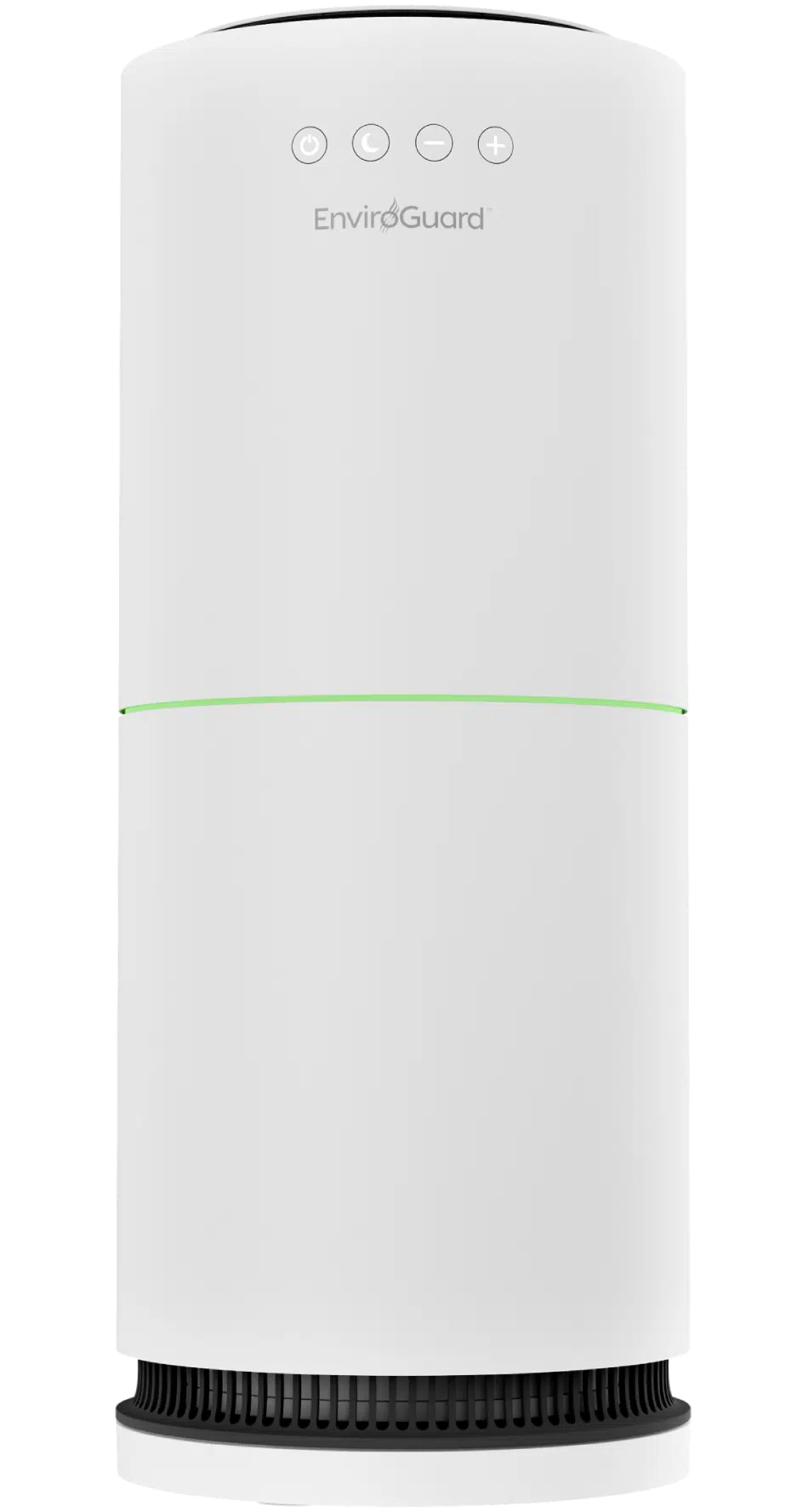
Advanced air purification systems like the EnviroGuard PRO X™ can play a crucial role in creating a cleaner, healthier indoor environment:

  • HEPA Filtration: Medical-grade HEPA filters capture fine particles like dust, pollen, and PM2.5 that can impair brain function.
  • Activated Carbon Filters: These absorb harmful VOCs and odours, reducing exposure to neurotoxic pollutants.
  • Active Air and Surface Sanitisation: Systems like EnviroGuard’s Purox™ Gel actively sanitise both air and surfaces, providing an added layer of protection.

By combining high-efficiency filtration with active sanitisation, modern air purifiers help minimise indoor pollutants and support long-term wellbeing. To better understand the science behind this process, learn how air purifiers work to improve air quality and create a safer indoor environment.

Case Studies: The Impact of Clean Air

Research and real-world applications highlight the tangible benefits of improved air quality:

  • Workplace Performance: Studies show employees working in spaces with better air quality experience a 6-10% increase in productivity.
  • Educational Outcomes: Classrooms with enhanced air purification report higher student test scores and better concentration levels.
  • Healthier Environments: Reducing airborne allergens and pathogens results in fewer sick days, keeping teams and families active and engaged.

Simple Steps to Improve Air Quality

Beyond investing in an air purifier, you can take additional steps to enhance indoor air:

  • Ventilate Regularly: Open windows when possible to circulate fresh air.
  • Reduce Indoor Pollutants: Avoid using harsh cleaning chemicals and minimise the use of VOC-emitting products.
  • Monitor Air Quality: Use air quality sensors to track pollutant levels and adjust your environment accordingly.

Final Thoughts

Clean air is not just a luxury—it’s essential for cognitive health and productivity. Strong clean air cognitive function benefits support better focus and mental clarity. Whether you’re working, studying, or simply relaxing at home, improving indoor air quality can have profound benefits for your mind and body. With innovative solutions like the EnviroGuard PRO X™, achieving cleaner, healthier air has never been easier. Invest in your environment, and unlock your full potential.

Common Questions

Does indoor air quality really affect concentration and productivity?

Yes. Multiple studies have shown that exposure to indoor air pollutants — especially fine particulate matter (PM2.5) — and poor ventilation significantly impair cognitive performance and productivity. For example, one large international study of office workers found that higher indoor PM2.5 and CO₂ (a proxy for poor ventilation) correlated with slower response times and lower “throughput” (correct responses per minute) during cognitive tests.

Common indoor pollutants that may harm cognition include fine particulates (like PM2.5), volatile organic compounds (VOCs), and high levels of CO₂ (indicating low ventilation). These pollutants can impair attention, memory, decision-making, and reaction times.

Yes. Research suggests improving ventilation — by increasing fresh outdoor air and reducing buildup of indoor pollutants — can lead to measurable improvements in cognitive performance. In the cited office-study, even modest changes in ventilation and pollutant levels resulted in better test performance.

The effects apply broadly. While many studies focus on children or older adults, research among working-age adults (e.g. office workers) also demonstrates that clean air and good ventilation improve cognitive function.

Some studies report acute effects — meaning cognitive performance improved on the same day when air quality and ventilation were better. Over the medium to long term, consistent clean air may help maintain better cognitive health and productivity.

Remove

Cart (0)
No products in the cart
Total Amount
$0.00
Add +