

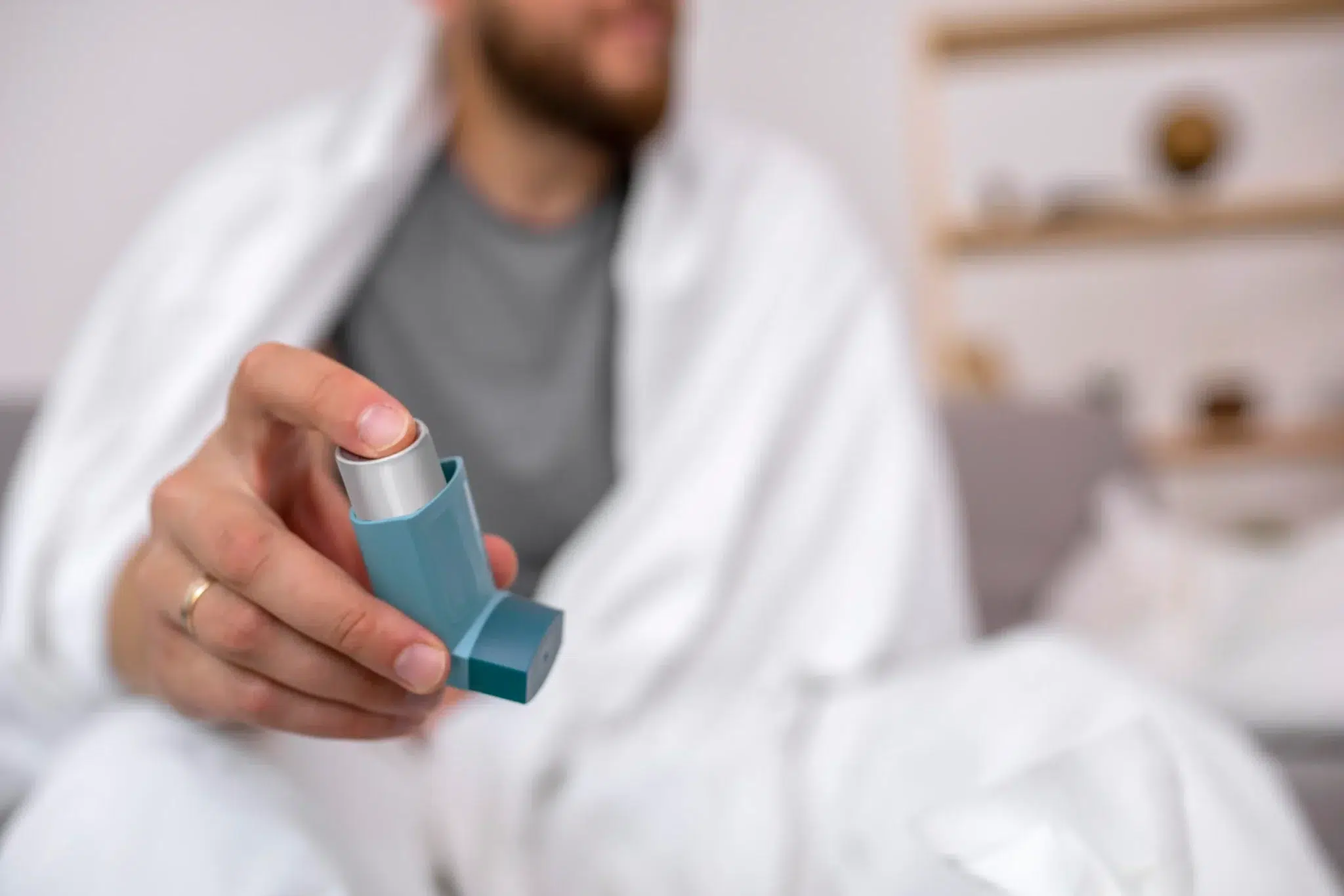
Best air purifier for allergies can make a significant difference in reducing symptoms and improving comfort at home. Allergies can make daily life miserable, with sneezing, congestion, itchy eyes, and breathing difficulties disrupting your comfort at home. Many common allergens—dust mites, pet dander, pollen, mould spores, and airborne pollutants—circulate in the air, making indoor spaces just as problematic as outdoor environments.
A high-quality air purifier can be a game-changer in reducing allergy symptoms by removing airborne allergens before they trigger reactions. But not all air purifiers are created equal. In this guide, we’ll explore how to allergy-proof your home using the right air purifier and additional strategies to improve indoor air quality.
Many people assume that staying indoors protects them from allergens, but the truth is, indoor air can be up to five times more polluted than outdoor air. Common allergens accumulate in enclosed spaces, causing:
When selecting an air purifier for allergies , look for the following key features:
By investing in an efficient air purifier, you can significantly reduce airborne allergens and improve indoor air quality year-round.
To explore a reliable option that meets these standards, view the V-Breathe air purifier product.↗
While traditional air purifiers with HEPA filters are highly effective at capturing airborne allergens, they only address part of the problem. Many allergens—such as mould spores, bacteria, and pet-related proteins—don’t just stay suspended in the air. They settle on surfaces, fabrics, and within hard-to-reach areas, continuing to trigger allergic reactions over time.
This is where Vapour Phase Oxidation (VPO) technology offers a significant advantage.
Unlike standard filtration, VPO works by releasing a controlled, low-level oxidising vapour into the environment. This vapour actively interacts with airborne and surface-bound contaminants, breaking them down through oxidation reactions. Instead of simply trapping allergens, it helps neutralise them at a molecular level—both in the air and on surfaces.
For individuals with allergies or asthma, reducing exposure isn’t just about cleaner air—it’s about lowering the total allergen load across the entire indoor environment.
Vapour Phase Oxidation contributes to this by:
In a professional mould remediation project conducted in a 600m² office environment—following the ANSI IICRC S520 standard for mould remediation—a combination of Vapour Phase Oxidation based technology and targeted air treatment delivered measurable results:
These outcomes demonstrate that addressing both airborne and surface contamination simultaneously can significantly reduce environmental triggers associated with allergies. It’s important to understand that VPO is not a replacement for HEPA filtration—but a complementary solution.
Together, they form a more complete strategy:
Capture + Neutralise + Prevent Re-accumulation
This integrated approach is especially beneficial for homes dealing with persistent allergy triggers such as mould, pet dander, or high humidity environments.
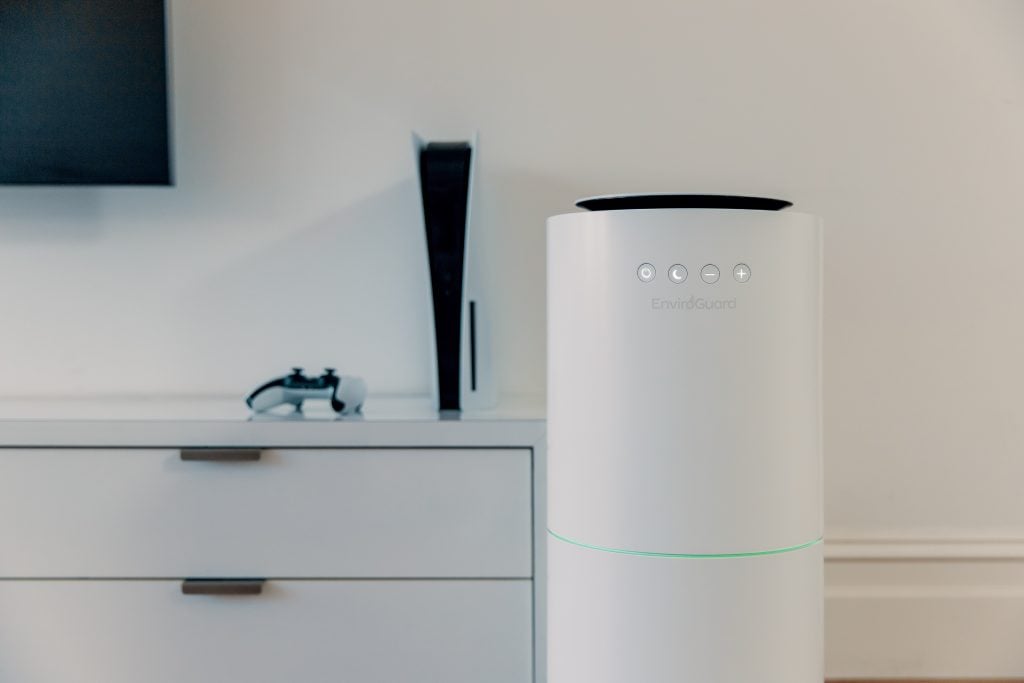
To get the most out of your allergy air purifier, place it in areas where allergens are most concentrated:
Position your air purifier away from walls and in areas with good airflow for the best results.
While a HEPA air purifier is an essential tool for allergy-proofing your home , combining it with these habits will further reduce allergens:
By combining these strategies with an air purifier designed for allergies , you can create a healthier, allergen-free home environment .
If you suffer from hay fever or pollen allergies , an air purifier helps by:
For pet owners, an air purifier for pet allergies can:
Even if you have pets, the right air purifier can help you breathe easier and reduce allergy flare-ups.
To keep your air purifier working effectively , follow these simple maintenance tips:
Proper maintenance ensures your air purifier remains effective in removing allergens over time.
Yes, air purifiers using Vapour Phase Oxidation technology can help continuously reduce the accumulation of airborne allergens.
Air purifiers that operate in an active mode to break down airborne contaminants immediately upon contact, without producing ozone, can help relieve allergy symptoms with maximum effectiveness.
Yes! A bedroom air purifier helps remove dust mites, pet dander, and pollen, improving sleep quality and reducing nighttime allergy symptoms.
Most high-quality air purifiers begin removing airborne allergens within 30 minutes of operation.
Yes, air purifiers with active operation can help continuously manage particles and allergens from pets. In contrast, conventional air purifiers can only capture pet hair in the air and are not able to comprehensively address pet dander and other allergen-causing substances that trigger allergic reactions.
Investing in the right air purifier is one of the best ways to allergy-proof your home. With True HEPA filtration, activated carbon, and regular maintenance, you can create a healthier, allergen-free indoor space where you can breathe easier every day.
Looking for the best air purifier for allergy relief? Shop now and transform your indoor air quality!
Remove
Total Amount
Adding {{itemName}} to cart
Added {{itemName}} to cart