Cart 0


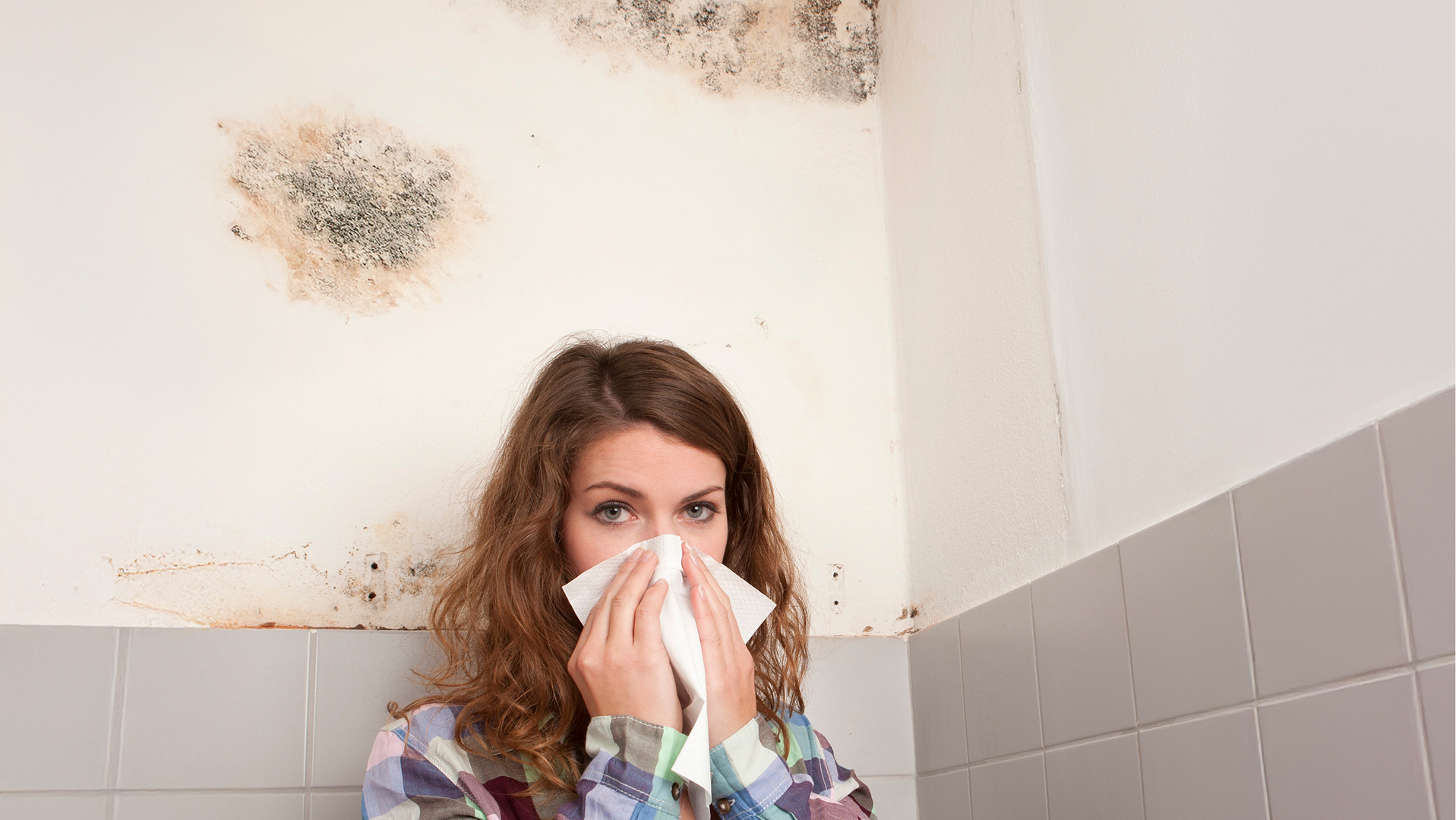
Mould is more than just an eyesore—it can cause serious health issues and significantly impact indoor air quality. It thrives in damp, poorly ventilated spaces, releasing airborne spores that spread quickly. If left unchecked, mould can trigger allergies, respiratory issues, and asthma attacks.
While dehumidifiers help control moisture, they don’t remove airborne mould spores. That’s where an air purifier becomes essential. The right air purifier captures and eliminates airborne spores, preventing them from settling and growing into a larger mould problem.
In this guide, we’ll explore:
Mould thrives in environments that are:
Once mould starts growing, it releases spores into the air, which can settle on other surfaces and cause further contamination.

A high-quality air purifier with the right filters can trap airborne mould spores before they settle and grow. Here’s how:
Using an air purifier in mould-prone areas reduces the risk of spore settlement, stopping new mould growth before it starts. Prevention is better than cure, but if mould has already taken hold, you need a stronger approach. Refer to our complete mould removal guide to see how VBreathe’s active air treatment ensures it never returns.”
Not all air purifiers are effective against mould. Here’s what to look for:
Choosing the right multi-stage filtration system ensures better protection against mould.
To get the best results, place your air purifier in areas where mould is most likely to grow:
For larger spaces, consider using multiple air purifiers to ensure proper coverage.
While an air purifier removes airborne mould spores, taking extra precautions prevents new growth:
Combining humidity control, ventilation, and air purification creates a mould-resistant home.
Air purifiers help everyone, but they’re especially important for:
If you’ve experienced repeated mould issues, choosing the best air purifier for mould prevention↗ can be a long-term solution to protect indoor air quality.
EnviroGuard Pro X starts removing airborne spores within hours, but significant improvement may take a few days of continuous use.
No. Only air purifiers with a True HEPA filter and activated carbon are effective in capturing mould spores and neutralising odours.
No. An air purifier removes mould spores from the air, but a dehumidifier reduces excess moisture, preventing mould from forming.
Bathrooms, basements, and kitchens – Areas prone to high humidity and moisture buildup.
Bedrooms and living rooms – Helps improve air quality and reduce allergy symptoms.
Mould spores spread invisibly through the air , making them difficult to control without the right tools. A high-quality air purifier with HEPA and activated carbon filtration helps:
By combining an air purifier with humidity control, proper ventilation, and regular cleaning, you can create a mould-resistant home where you can breathe easier.
Looking for the best air purifier to prevent mould? Shop now and take control of your indoor air quality!
Yes. Multiple studies have shown that exposure to indoor air pollutants — especially fine particulate matter (PM2.5) — and poor ventilation significantly impair cognitive performance and productivity. For example, one large international study of office workers found that higher indoor PM2.5 and CO₂ (a proxy for poor ventilation) correlated with slower response times and lower “throughput” (correct responses per minute) during cognitive tests.
Common indoor pollutants that may harm cognition include fine particulates (like PM2.5), volatile organic compounds (VOCs), and high levels of CO₂ (indicating low ventilation). These pollutants can impair attention, memory, decision-making, and reaction times.
Yes. Research suggests improving ventilation — by increasing fresh outdoor air and reducing buildup of indoor pollutants — can lead to measurable improvements in cognitive performance. In the cited office-study, even modest changes in ventilation and pollutant levels resulted in better test performance.
The effects apply broadly. While many studies focus on children or older adults, research among working-age adults (e.g. office workers) also demonstrates that clean air and good ventilation improve cognitive function.
Some studies report acute effects — meaning cognitive performance improved on the same day when air quality and ventilation were better. Over the medium to long term, consistent clean air may help maintain better cognitive health and productivity.
Remove
Total Amount
Adding {{itemName}} to cart
Added {{itemName}} to cart