Cart 0


Are you or a loved one struggling with allergic asthma triggers? Dealing with night-time wheezing, shortness of breath, and the constant anxiety of sudden asthma attacks can severely impact daily life, disrupting sleep, work, and overall well-being. While medications can provide temporary relief, treating the symptoms without addressing the environment often leads to an endless cycle of discomfort.
The experience of night-time wheezing and breathlessness, day after day, is utterly exhausting and deeply frightening. It steals your sleep and peace of mind. Creating a safe, calm indoor space—with clean air, low dust, good ventilation, and easy access to reliever medication—is crucial for recovery. It reduces triggers, helps you rest properly, and restores a sense of control that eases anxiety.
The real root of the problem frequently lies within our own homes, specifically through continuous exposure to fine dust (PM2.5), mould spores, and pet dander.
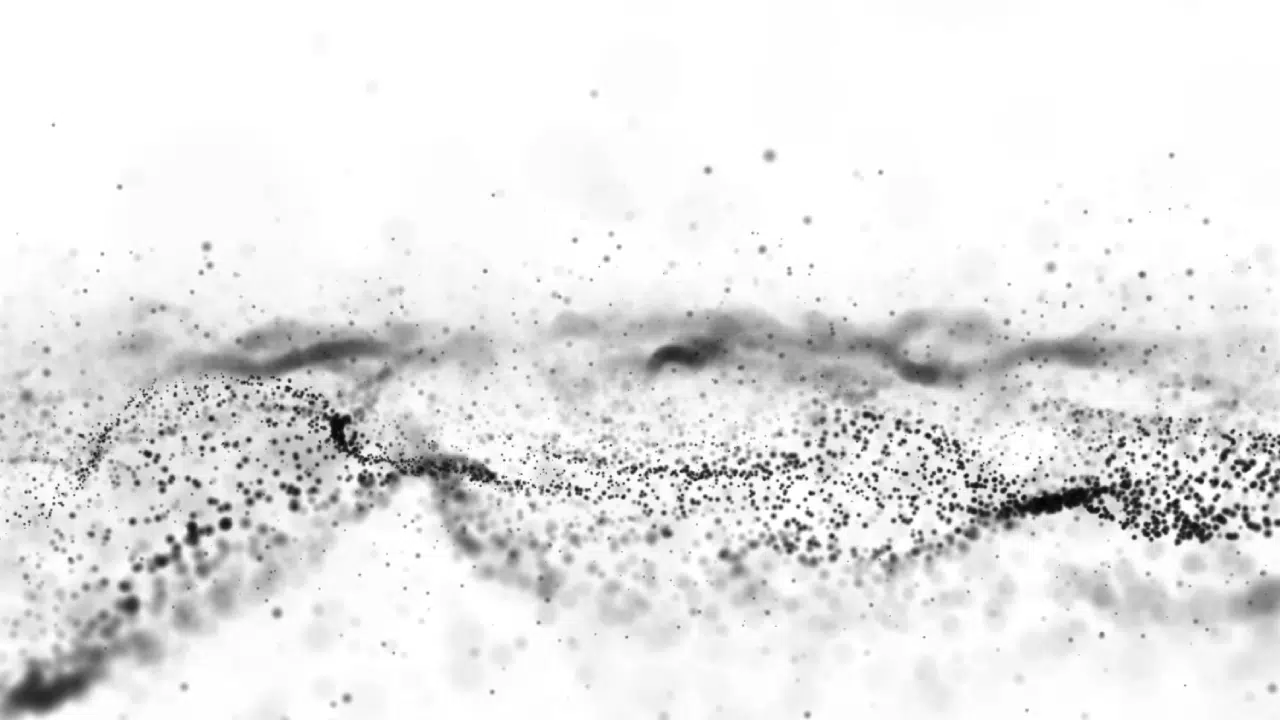
To effectively combat allergic asthma triggers, it is crucial to understand how your indoor environment plays a role. When the immune system detects foreign particles like fine dust, mould spores, or pet dander, it overreacts.
Did you know? Asthma symptoms are frequently worsened by poor indoor air quality; indoor pollutant levels can be 2 to 5 times higher than outdoor levels.
Fine dust (PM2.5), mould spores, and pet dander enter homes through a combination of outdoor infiltration and indoor generation. Fine particles penetrate through open windows, doors, and gaps around frames, or are drawn in by mechanical ventilation and heating. Indoor activities, such as cooking, burning candles, or smoking, also produce PM2.5. Mould spores are carried in on air currents and clothing, proliferating on any damp materials inside the property. Pet dander is generated continuously by animals and is spread on fur, clothing, and household fabrics; it readily becomes airborne with movement and settles onto surfaces.
These pollutants tend to build up in poorly ventilated corners, carpets, and air-conditioning vents. Sheltered alcoves experience low turbulence, allowing particles to settle and accumulate. Carpets and soft furnishings act as long-term reservoirs because their fibres trap particles and hold moisture, which encourages mould growth. Air-conditioning systems often recirculate these contaminants rather than removing them. Modern, tightly sealed homes reduce natural air leakage, meaning pollutants persist for longer and concentrations rise unless deliberate ventilation and effective filtration are provided.
Because you spend up to 80% of your time indoors, your respiratory system is under constant attack. If the environment itself isn’t actively sanitised, managing allergic asthma becomes an uphill battle.
Asthma affects more than 2.7 million Australians, and environmental triggers remain one of the most common causes of flare-ups. According to the National Asthma Council Australia, indoor allergens such as dust mites, mould, pet dander and fine particles can significantly worsen symptoms when exposure is ongoing. This makes home-based trigger control a core part of long-term asthma management, not just a secondary precaution.
The Australian Institute of Health and Welfare also reports that asthma is one of the leading causes of chronic disease burden in Australia. Because Australians spend the majority of their time indoors, reducing household triggers is not optional—it is a clinically recognised prevention strategy supported by national guidance.
So, how can you reduce asthma triggers in the home?
Control dust mites – Wash bedding weekly at 60°C or higher, use allergen-resistant mattress and pillow encasements, and reduce bedroom humidity below 50%.
Manage mould and moisture – Fix leaks promptly, use exhaust fans in bathrooms and kitchens, and maintain indoor humidity between 40–50% where possible.
Use HEPA-grade air filtration – air purifiers with true HEPA filters can reduce airborne particles, although they should complement, not replace, source control.
Improve ventilation strategically – Air the home during low-pollution and low-pollen periods, and ensure mechanical systems are maintained and filters replaced regularly.
Reduce indoor combustion pollutants – Avoid smoking indoors, minimise candle burning, and ensure gas appliances are properly ventilated.
Limit pet allergen spread – Keep pets out of bedrooms and wash pet bedding frequently.
Clean using damp methods – Damp dust surfaces and use vacuum cleaners fitted with HEPA filters to prevent re-suspending fine particles.
While these environmental strategies form the foundation of asthma control, many households rely heavily on air purifiers as their primary solution. However, not all filtration systems address settled allergens, hidden reservoirs, or moisture-related triggers effectively.
To understand these limitations more clearly, it is important to examine why traditional air purifiers fall short in managing the full spectrum of indoor asthma triggers.
Many people invest in standard HEPA air purifiers hoping for a quick fix. However, there is a significant flaw in passive filtration: passive filters cannot reach microscopic triggers trapped in ‘dead zones’ or deep within carpets.
Traditional purifiers only clean the air that physically passes through their filters. This means the very triggers causing your discomfort remain undisturbed on surfaces, acting as a constant source of irritation every time you interact with your environment.
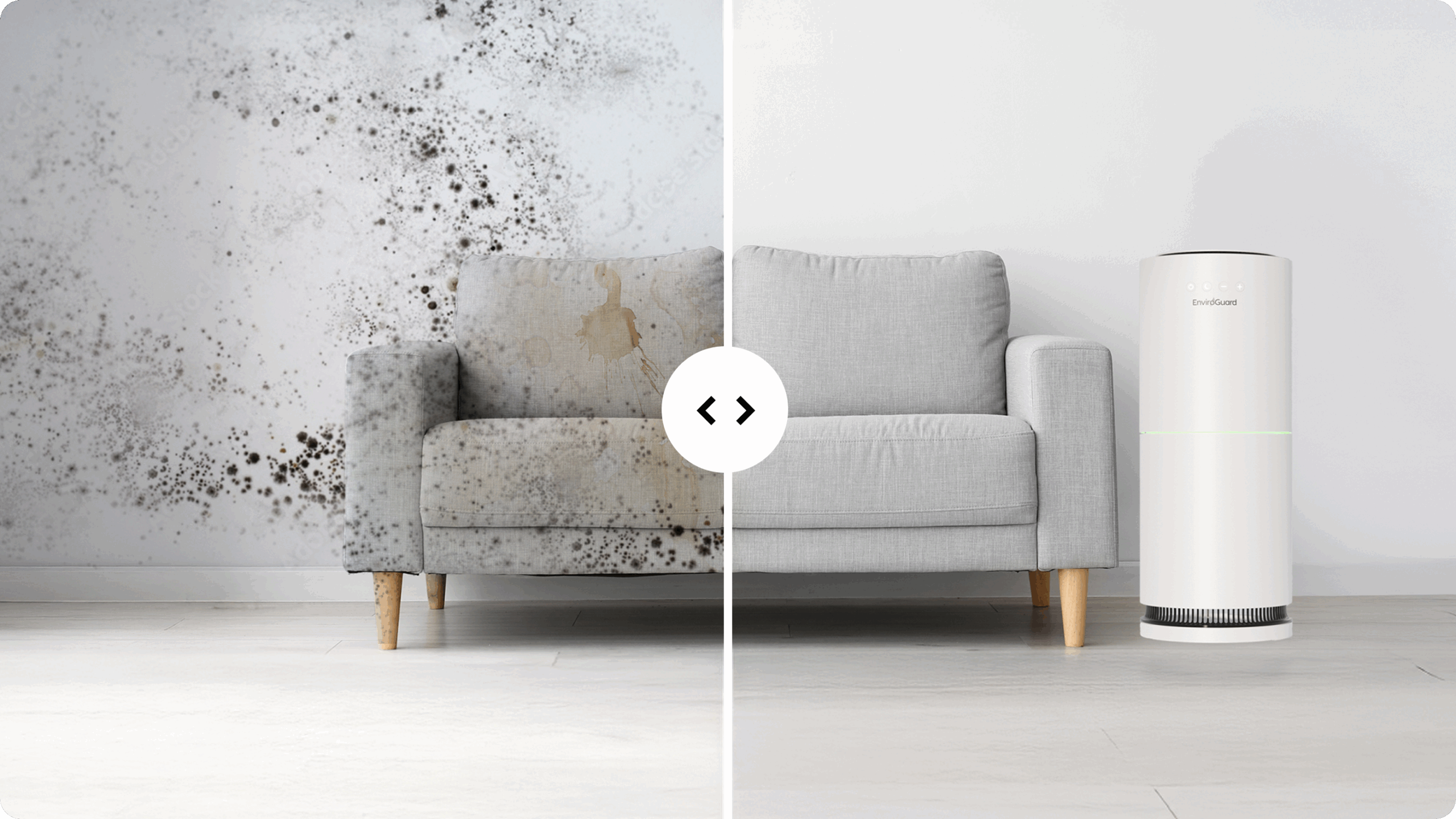
To effectively break the cycle of allergic asthma, you need an active approach that treats the entire room, not just the air passing through a machine. The EnviroGuard PRO™ X is a professional-grade air purification system designed to seek out and destroy triggers wherever they hide.
Our Dual Active technology creates a ‘stable environment’ by continuously reducing pathogens by 99.99%, lessening the load on your immune system. The most effective way to manage your environment is by using the EnviroGuard PRO™ X asthma-safe purifier combined with our proprietary non-toxic Purox™ Gel vapour. As the HEPA filter traps airborne particles, the active vapour neutralises allergens on surrounding surfaces and in mid-air.
Proactive Protection You Can Trust:
Can fine dust (PM2.5) indoors trigger allergic asthma?
Yes, PM2.5 penetrates deep into airways. A HEPA-equipped air purifier that actively filters and neutralises particles mid-air significantly reduces exposure.
How harmful are mould spores for someone with allergic asthma?
Very harmful—mould spores can provoke asthma attacks and airway inflammation. It is vital to control humidity, clean visible mould, and use active air purification to neutralise spores mid-air.
Will removing my pet stop pet dander from causing asthma?
No, dander clings to furniture and fabrics long after a pet is gone. Thorough cleaning, HEPA filtration, and purifiers that neutralise allergens mid-air are required to speed up symptom reduction.
Can an air purifier improve indoor air quality for asthma sufferers?
Yes, a high-efficiency air purifier improves air quality by reducing PM2.5, mould spores, and pet dander, actively neutralising allergens for faster relief.
What quick steps should I take during high pollution or damp conditions?
Close windows, run a HEPA/active air purifier, keep humidity between 40–50%, and clean surfaces to remove settled particles while the purifier neutralises airborne allergens.
Does an air purifier help with allergic asthma?
Yes, a high-quality HEPA air purifier traps fine dust, mould spores, and pet dander. Asthma sufferers should choose an ozone-free, active purification system to safely neutralise mid-air pathogens without irritating sensitive airways.
Don’t let indoor allergens dictate your quality of life. Take control of your asthma triggers by upgrading your home’s air quality today.
Order your VBreathe EnviroGuard PRO™ X and your Purox™ Gel Refills to start experiencing true, professional-grade protection.
Further Reading & Complete Protection
If you found this guide helpful, you might also want to learn how to relieve a persistent allergic cough.
For a broader understanding of how to protect your family, read our comprehensive guide to respiratory health and allergy relief.
Connect with Us
Follow our community for more health tips: VBreathe Safe on Facebook
Remove
Total Amount
Adding {{itemName}} to cart
Added {{itemName}} to cart