Limited-time welcome offer — 10% off with code WELCOME10

✨ Fresh Update: Ut enim ad minim veniam, quis nostrud exercitation ullamco aboris nisi ut aliquip ex ea commodo consequat.

Limited-time welcome offer — 10% off with code WELCOME10

How to Manage Allergic Rhinitis with Better Indoor Air

Are you or a loved one struggling with Allergic Rhinitis (Hay Fever)? Dealing with constant sneezing, a runny nose, and an inability to focus during the day can severely impact daily life, disrupting sleep, work, and overall well-being. While medications can provide temporary relief, treating the symptoms without addressing the environment often leads to an endless cycle of discomfort.

I’m really sorry you’re dealing with constant sneezing, a runny nose and an inability to focus every day — it’s exhausting and makes even simple tasks feel overwhelming. Creating a calm, safe indoor space free from irritants and clutter is crucial for recovery because it cuts down on triggers, helps you rest, and gives your body the quiet it needs to heal.

The real root of the problem frequently lies within our own homes, specifically through continuous exposure to Pollen, Airborne Dust.

Understanding the Hidden Triggers of Allergic Rhinitis (Hay Fever)

To effectively combat Allergic Rhinitis (Hay Fever), it is crucial to understand how your indoor environment plays a role. When the immune system detects foreign particles like Pollen, Airborne Dust, it overreacts.

Did you know? Pollen grains can easily attach to your clothing and hair”, turning your living room into an allergy hotspot long after you’ve come inside.

when windows or doors are opened, on clothing and footwear, on pets, and via mechanical systems such as ventilation or heating that draw outdoor air inside. Wind-driven infiltration through gaps in building fabric and everyday activities like carrying shopping or shaking out rugs also introduce particles. Larger particles such as pollen tend to settle out of the air quickly and deposit on nearby horizontal surfaces, whereas finer dust can remain airborne longer and follow indoor airflow paths before settling. The size and shape of particles therefore influence where they travel and how readily they come to rest within the home.

Accumulation is commonly greatest near windows and doorways because these are the primary points of air exchange and disturbance; airflow slows as it enters or exits, allowing particles to drop out of suspension and collect on sills, thresholds and nearby surfaces. Soft furnishings—carpets, curtains and upholstered furniture—act as effective traps because their fibres provide a large surface area and electrostatic attraction that retain particles, and lower local air turbulence around these objects encourages settling. 

Modern, tightly sealed homes exacerbate the problem by reducing natural ventilation: with fewer exchanges of fresh outdoor air and greater reliance on recirculated air, indoor-generated or newly introduced pollen and dust are retained and can build up unless actively removed by cleaning or by effective filtration and controlled ventilation.

Because you spend up to 80% of your time indoors, your respiratory system is under constant attack. If the environment itself isn’t actively sanitised, managing Allergic Rhinitis (Hay Fever) becomes an uphill battle.


How to Reduce Indoor Pollen and Dust Exposure

Practical Steps to Lower Indoor Allergen Load

  • Remove shoes indoors – Footwear easily tracks pollen, soil, and fine dust into living spaces. Leaving shoes at the entrance limits the spread of allergens across floors and carpets.

  • Wash clothing after outdoor exposure – Pollen readily adheres to fabrics and hair. Changing clothes and showering after being outdoors reduces the transfer of allergens onto beds, sofas, and other soft furnishings.

  • Use HEPA-grade air filtration (but not as a standalone solution) – HEPA filters can capture a high proportion of airborne pollen and fine dust particles, helping to reduce circulating allergens. However, filtration alone may not be sufficient, as many allergens settle quickly into carpets, upholstery, and bedding where air purifiers cannot reach. Surface cleaning and source control remain essential.

  • Implement controlled ventilation strategies – Instead of relying on uncontrolled airflow, ventilate during lower pollen periods (such as after rainfall) or use managed systems that balance fresh air intake with filtration.

  • Choose damp dusting over dry dusting – Dry dusting can re-suspend particles into the air. Using a slightly damp microfibre cloth helps trap and remove dust more effectively.

Reducing indoor pollen and dust exposure requires more than one intervention. While HEPA-grade filtration can help lower airborne particles, it should be combined with source control, fabric hygiene, and proper ventilation. A layered approach is far more effective in reducing overall allergen load and improving control of Allergic Rhinitis symptoms.

Why Traditional Air Purifiers Fall Short

When trying to manage indoor triggers, many people invest in standard HEPA air purifiers hoping for a quick fix. However, there is a significant flaw in passive filtration: pollen particles are heavy and settle on furniture quickly before reaching the air purifier’s intake.

Traditional purifiers only clean the air that physically passes through their filters. This means the very triggers causing your discomfort remain undisturbed on surfaces, acting as a constant source of irritation every time you interact with your environment.

VBreathe Solution

The VBreathe Solution: A Dual Active Approach

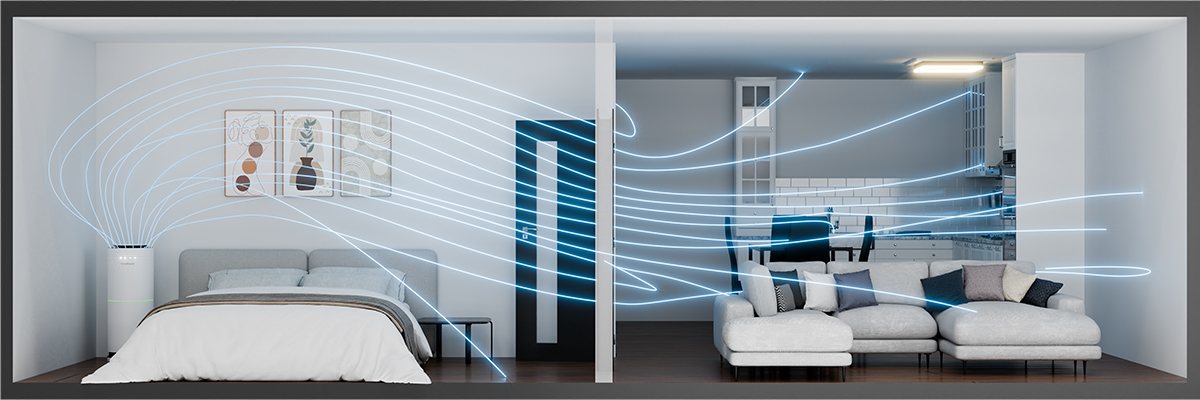
To effectively break the cycle of Allergic Rhinitis (Hay Fever), you need an active approach that treats the entire room, not just the air passing through a machine. The EnviroGuard PRO™ X is a professional-grade air purification system designed to seek out and destroy triggers wherever they hide. Purox™ Gel releases a safe vapour that actively neutralises pollen proteins mid-air and on surfaces.

The most effective way to manage your environment is by using the EnviroGuard PRO™ X air purifier combined with our proprietary Purox™ Gel active vapour technology. As the HEPA filter traps airborne particles, the active vapour neutralises allergens on surrounding surfaces and in mid-air.

Proactive Protection You Can Trust:

    • 99.99% Pathogen Reduction: Independently tested by Aeris Environmental Ltd.

    • 100% Safe: Food-grade, non-toxic, and safe for continuous indoor use.

    • Ozone-Free: No harmful by-products, ensuring your respiratory health is never compromised
 

Frequently Asked Questions About Allergic Rhinitis (Hay Fever)

How can I keep pollen out of my home?

The most effective way is to keep windows closed during peak pollen periods, wipe off shoes and clothing at the door, and run an active air purifier that neutralises allergens mid-air.

Does keeping windows closed reduce indoor pollen?
Yes, keeping windows closed during high pollen hours greatly reduces indoor pollen, and using an active air purifier further neutralises remaining airborne particles mid-air.

How often should I clean to reduce airborne dust?
Clean horizontal surfaces and soft furnishings at least weekly and vacuum with a HEPA-equipped cleaner; continuous active air purification helps capture and neutralise airborne dust between cleans.

Do houseplants affect indoor air quality for hay fever sufferers?
Yes, some plants can harbour pollen or mould spores, so choose low-allergen species and use active air purification to neutralise airborne allergens mid-air.

Will an air purifier stop allergic rhinitis symptoms indoors?
An air purifier with HEPA filtration and active mid-air neutralisation can significantly reduce pollen and dust exposure and lower symptoms, though it may not replace prescribed medication or complete avoidance.

Can an air purifier help with hay fever?

Yes, an air purifier can significantly help with hay fever by removing airborne pollen and dust from your indoor environment. For the best results, use a system with active vapour technology to neutralise pollen particles that have settled on your clothes and furniture.

Take Control of Your Environment

Don’t let indoor allergens dictate your quality of life. Protect your home from seasonal pollen by upgrading your home’s air quality today.

Order your EnviroGuard PRO™ X and your Purox™ Gel Refills to start experiencing true, professional-grade protection.

Further Reading & Complete Protection, If you found this guide helpful, you might also want to learn how to manage morning congestion and dust mite allergies.

For a broader understanding of how to protect your entire family’s indoor environment, read our comprehensive guide on how to manage respiratory health and allergy relief.

Stay updated and join the conversation on our Facebook page: VBreathe Safe.

Remove

Cart (0)
No products in the cart
Total Amount
$0.00
Add +