Cart 0


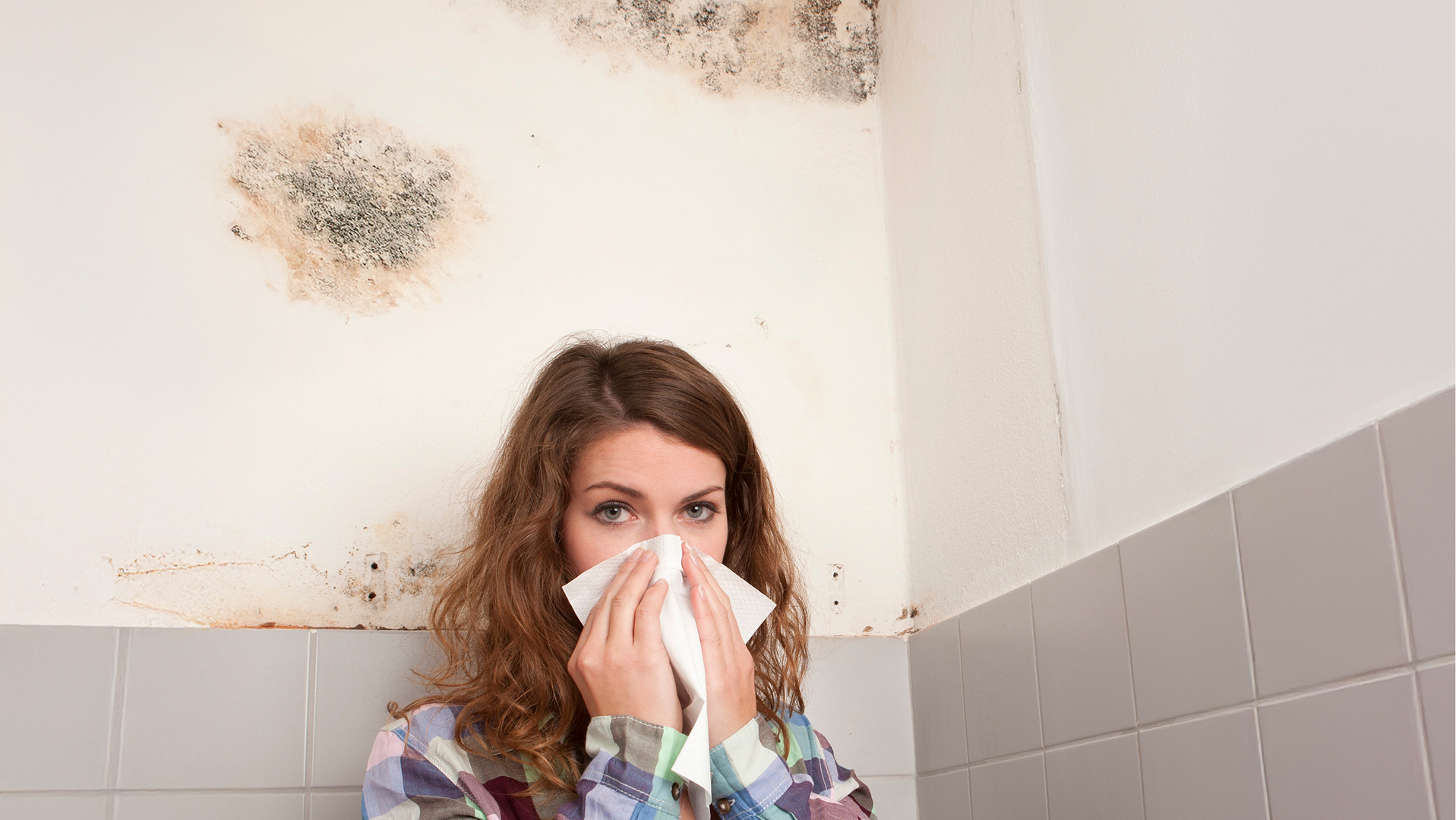
Mould allergy symptoms can develop quickly, especially for people sensitive to mould exposure. Mould is more than just an unsightly problem in damp areas—it’s a serious health hazard that can trigger allergies, worsen asthma, and lead to long-term respiratory issues. Understanding mould allergy symptoms is essential, as mould spores are constantly floating in the air, and for those who are sensitive, exposure can cause sneezing, congestion, itchy eyes, and breathing difficulties.
If you or someone in your home suffers from mould allergies, understanding how mould affects your health and learning how to reduce exposure can make a significant difference in improving your well-being.
In this guide, we’ll explore:
Mould reproduces by releasing microscopic spores into the air. When inhaled, these spores trigger immune system reactions, leading to allergy symptoms similar to hay fever.
If mould allergies go untreated or exposure is prolonged, the effects can be more than just mild discomfort. Chronic mould exposure has been linked to:
Those at the highest risk include children, elderly individuals, people with asthma, and those with weakened immune systems. While managing symptoms is important, the only way to find permanent relief is by removing the source. Learn more about using a professional active air purification solution to create a mould-free environment.
Mould grows in warm, humid environments and spreads invisibly through airborne spores. Common places where mould hides include:
If you notice musty odours, dark stains, or water damage, it’s a sign that mould may be present and needs to be addressed immediately.

If you have mould allergies, the key to relief is eliminating airborne spores and reducing indoor moisture. Here’s how:
Combining air purification, ventilation, and proper cleaning techniques is the most effective way to control mould allergies and improve indoor air quality.
A HEPA air purifier is one of the most effective tools for managing mould allergies, as it removes airborne mould spores before they can settle on surfaces and multiply. Continuous filtration helps reduce overall spore levels indoors, lowering the risk of allergy flare-ups, asthma symptoms, and respiratory irritation—especially in homes with ongoing moisture or ventilation issues. Learn more about the science behind this process at how air purifiers eliminate mould spores
Some advanced systems also incorporate Purox™ Gel technology, which uses hydrogen peroxide as its primary active component. The gel gently evaporates and disperses with airflow, delivering hospital-grade antimicrobial action that has been carefully adjusted to remain safe for occupied spaces. This vapour helps neutralise microorganisms in the air and on surrounding surfaces, including hard-to-reach areas, supporting a more comprehensive approach to mould control.
Placing an air purifier in mould-prone areas like bathrooms, basements, and bedrooms can significantly reduce allergy symptoms.

No, but a True HEPA air purifier can remove airborne spores before they settle, preventing further growth. You still need to clean mouldy surfaces and control humidity.
Common signs include persistent sneezing, congestion, itchy eyes, and breathing difficulties —especially in damp or mouldy environments.
Air Purifier – Removes airborne mould spores, preventing spread.
Dehumidifier – Reduces moisture levels, stopping mould from growing.
Best Solution? Use both together for maximum mould control.
Filters should be replaced every 6–12 months, but in humid or mould-prone environments, you may need to replace them more often.
Yes. Long-term exposure can weaken the immune system, trigger respiratory infections, and worsen asthma.
Mould spores are a hidden threat to indoor air quality, but with the right steps, you can reduce exposure and relieve allergy symptom .
By combining air purification, moisture control, and proper cleaning, you can breathe easier and live healthier, without mould allergies holding you back.
Looking for an air purifier to combat mould allergies? Shop now and improve your indoor air quality today!
Remove
Total Amount
Adding {{itemName}} to cart
Added {{itemName}} to cart