Limited-time welcome offer — 10% off with code WELCOME10

✨ Fresh Update: Ut enim ad minim veniam, quis nostrud exercitation ullamco aboris nisi ut aliquip ex ea commodo consequat.

Limited-time welcome offer — 10% off with code WELCOME10

Managing Mould Sensitivity with Better Air Quality

Mould sensitivity is often a “silent” struggle. For those affected, the symptoms—ranging from persistent respiratory distress to debilitating brain fog and chronic fatigue—are profoundly life-altering. When your home or office becomes a source of illness, it can feel isolating and overwhelming.

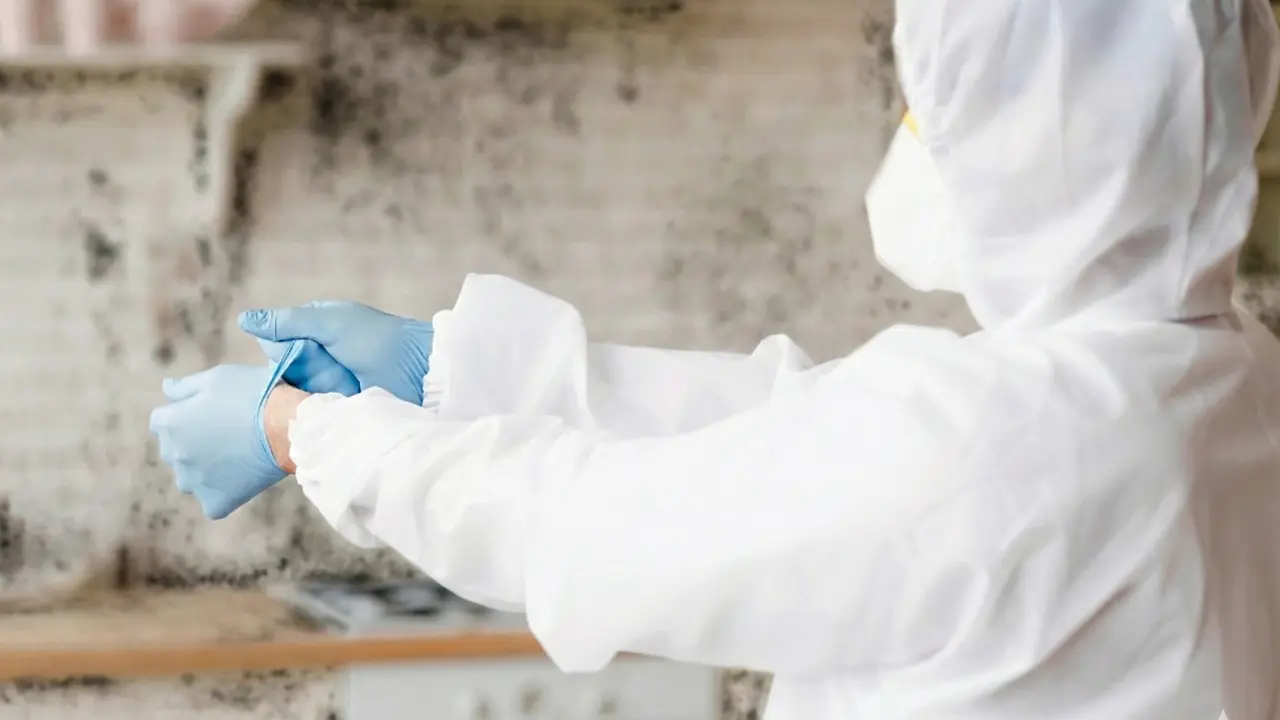
While clinical treatments offer temporary relief, true recovery is rarely possible without addressing the source: your indoor environment. To support the body’s healing process, you must create a sanitised “safe zone” that removes the persistent fungal triggers making recovery so difficult.

Mould Sensitivity

The Science of Mould Sensitivity: Beyond Respiratory Issues

To combat mould sensitivity effectively, we must understand the biological mechanisms at play. Mould does not simply “irritate” the lungs; it releases microscopic spores and secondary metabolites known as mycotoxins.

When a sensitive individual inhales these particles, the immune system may enter a state of chronic activation. This systemic inflammation is what leads to the “extra-pulmonary” symptoms often reported, such as cognitive impairment (brain fog) and extreme exhaustion. Without active intervention to clear these toxins from the air, the immune system remains in a state of high alert, preventing the body from returning to a state of equilibrium.

Identifying Hidden Fungal Reservoirs

Mould spores are ubiquitous; they enter the home on air currents, clothing, footwear, and pets. However, they only become a health hazard when they encounter the specific conditions required for germination.

1. The Role of Humidity and Activity

Everyday domestic life in the AU—showering, cooking, and drying laundry indoors—significantly raises internal humidity. In poorly ventilated spaces, this moisture provides the catalyst for dormant spores to settle and thrive on organic food sources like timber, wallpaper, and dust.

2. The “Hidden” Problem Areas

Mould often flourishes in microclimates that are shielded from view and airflow:

  • Thermal Bridges: Areas behind large wardrobes or furniture placed against cold external walls are prime locations for condensation.
  • Void Spaces: Plumbing leaks under sinks or within wall cavities can host extensive fungal colonies long before they are visible to the naked eye.
  • HVAC Systems: Air-conditioning units and ductwork can become reservoirs for spores, redistributing them throughout the building every time the system is activated.
In an effort to increase energy efficiency, modern homes are often “tightly sealed” to prevent heat loss. While beneficial for carbon footprints, this lack of natural air exchange traps moisture and pollutants inside. This creates an environment where mycotoxins and spores can persist at dangerously high concentrations, placing the respiratory system under constant attack.

Moving Toward Active Sanitisation

Statistically, we spend up to 80% of our time indoors, making indoor air quality the single most important factor in managing mould sensitivity.
 
Traditional cleaning methods and passive air filters often fail to address the root cause because they only treat the air that passes through them—leaving settled spores and surface mycotoxins untouched. To break the cycle of sensitivity, a shift toward active sanitisation is required. By neutralising spores at the source and maintaining a stable, low-humidity environment, you can reclaim your space and provide your body with the clean air it needs to recover.

Why Traditional Air Purifiers Fall Short

Many people invest in standard HEPA air purifiers hoping for a quick fix. However, there is a significant flaw in passive filtration: standard HEPA filters trap some spores but cannot prevent mould from growing and spreading on damp surfaces.

You can see this clearly in cases where mould continues to return and spread, even after treatment, as discussed in this article – Do Air Purifier Help With Mould? Lessons from the NSW Hospital Crisis. Traditional purifiers only clean the air that physically passes through their filters. This means the very triggers causing your discomfort remain undisturbed on surfaces, acting as a constant source of irritation every time you interact with your environment.

The VBreathe Solution: A Dual Active Approach

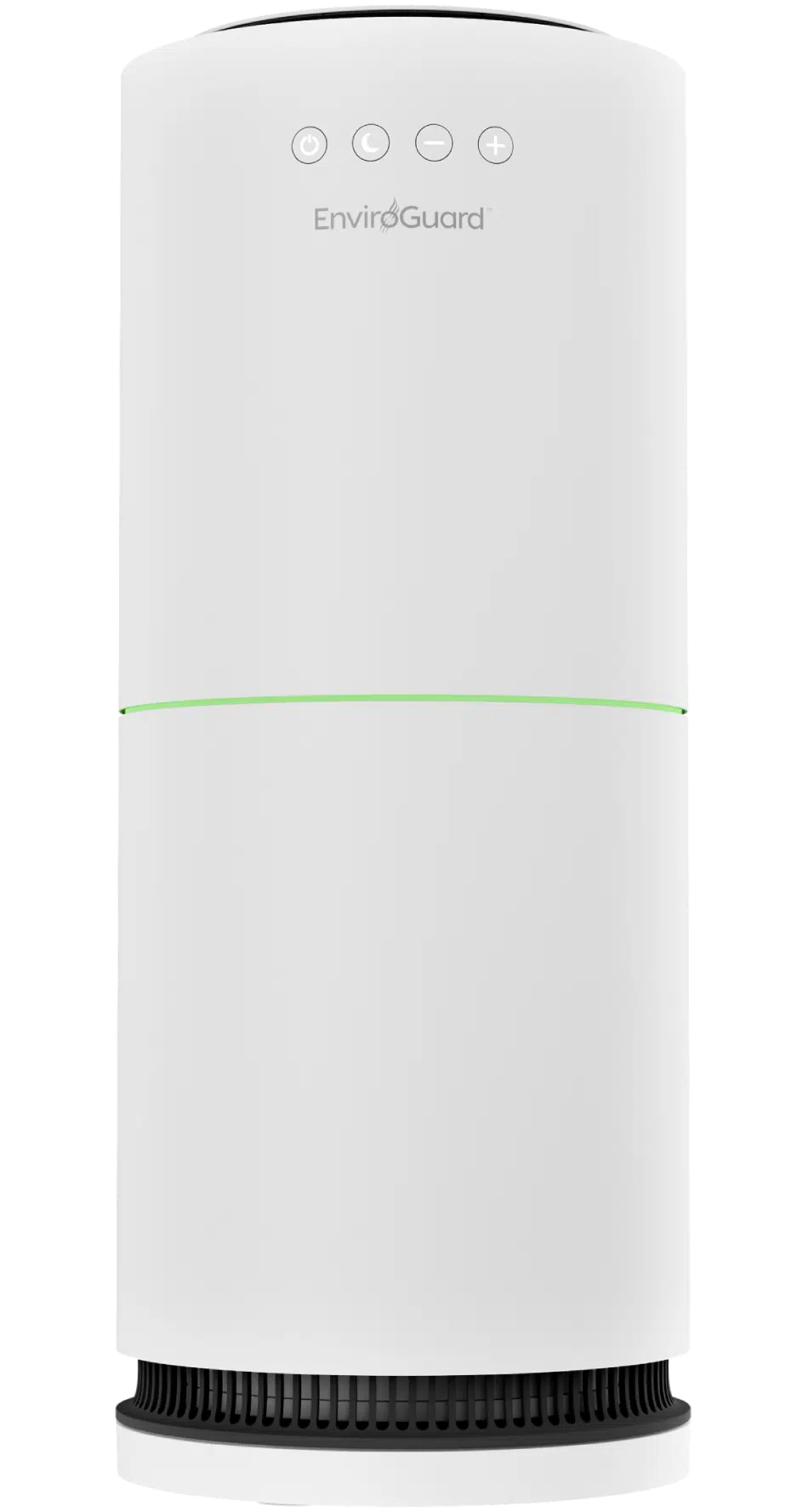
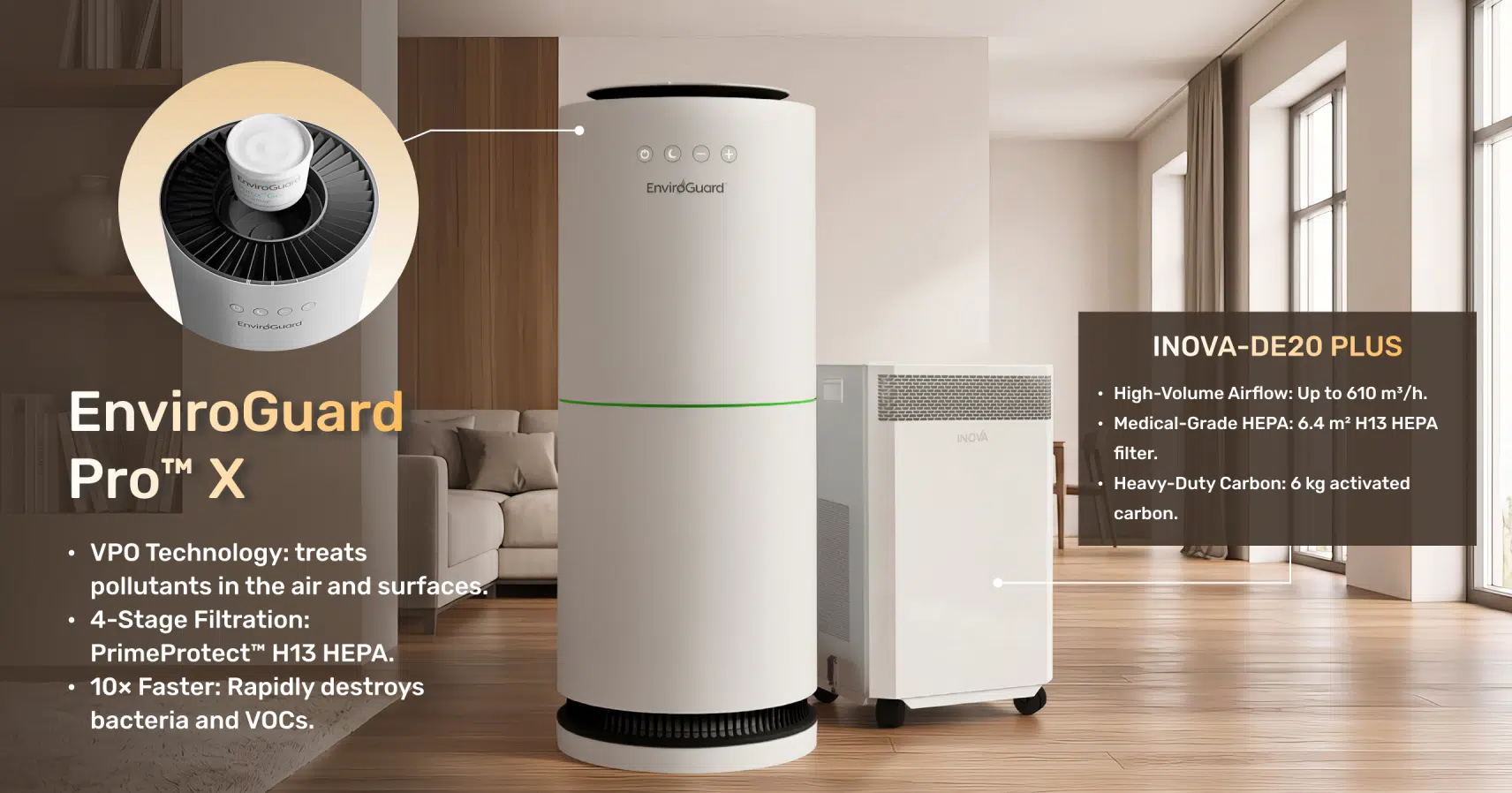
To effectively break the cycle of mould sensitivity, you need an active approach that treats the entire room, not just the air passing through a machine. The EnviroGuard PRO™ X is a professional-grade air purification system designed to seek out and destroy triggers wherever they hide.

VBreathe’s active vapour travels to damp areas, deactivating mould spores and inhibiting new growth in both the air and on surfaces. The most effective way to manage your environment is by using the EnviroGuard PRO™ X mould neutraliser combined with our proprietary anti-mould Purox™ Gel. As the HEPA filter traps airborne particles, the active vapour neutralises allergens on surrounding surfaces and in mid-air.

Proactive Protection You Can Trust:

  • 99.99% Pathogen Reduction: Independently tested by Aeris Environmental Ltd.
  • 100% Safe: Food-grade, non-toxic, and safe for continuous indoor use.
  • Ozone-Free: No harmful by-products, ensuring your respiratory health is never compromised.

Frequently Asked Questions About Mould Sensitivity

What common mould spores reduce indoor air quality and how harmful are they?

Common indoor spores include Cladosporium, Aspergillus, and Penicillium. These can aggravate respiratory symptoms; using an active air purifier helps neutralise allergens mid-air and lowers exposure.

How can I find hidden fungi behind walls, under floors, or in lofts?

The best approach involves moisture mapping, thermal imaging, and targeted air sampling. Running an active purifier to neutralise allergens mid-air reduces immediate exposure during your inspection.

Can my ventilation or HVAC system spread mould spores?

Yes, contaminated systems can distribute spores throughout a building. Regular filter maintenance combined with active air purification that neutralises allergens mid-air will limit spread and improve air quality.

What quick steps reduce mould spores in a living space right now?

Control humidity (keep it below 50%), dry damp areas, clean visible mould with appropriate cleaners, and run an active air purifier to neutralise allergens mid-air for rapid reduction.

Are over-the-counter DIY mould tests sufficient?

No. DIY tests indicate presence but not health risk or the source. Professional sampling, combined with active air purification to neutralise allergens, provides more reliable protection.

Take Control of Your Environment

Don’t let indoor allergens dictate your quality of life. Eliminate mould at the source by upgrading your home’s air quality today.

Order your VBreathe Device and your Purox™ Gel Refills to start experiencing true, professional-grade protection.

Further Reading & Complete Protection

Connect with Us

Join our community on Facebook for more advice on maintaining a healthy home: VBreathe Safe

Remove

Cart (0)
No products in the cart
Total Amount
$0.00
Add +