Cart 0


For many people, the season when the wind blows strong should be a time of fresh air, but for those with pollen allergies, the wind turns into a carrier of endless torment. Just opening a window, taking in the morning breeze, or walking through a park, symptoms like sneezing, nasal congestion, and itchy eyes can start immediately without warning.
Pollen allergy, or as many are familiar with the name “Hay Fever,” is not just a matter of temporary annoyance, but is often a chronic condition that gradually undermines quality of life. From unrefreshing sleep and reduced concentration to a decline in efficiency in studying and working without knowing the cause.
This article will take you back to understand pollen allergy from the root of the problem. Which type of pollen is the “real culprit,” why symptoms flare up periodically, and most importantly—how we can manage the indoor environment to transform living spaces into allergen-free zones systematically and sustainably.
Even though the name sounds like a mild condition, “Hay Fever,” or medically known as Seasonal Allergic Rhinitis, is an allergic condition caused by the body’s response to plant pollen in the air, especially during the season when plants release pollen for reproduction.
What happens is the nasal lining and eyes are continuously stimulated by allergens floating in the air, causing repeated allergic reactions at the same time every year. For sufferers, this disease is usually not a one-time occurrence that goes away, but a cycle that returns seasonally. If there is no proper management, symptoms may become more severe and affect the respiratory system in the long term, with symptoms as follows:
Nasal lining swelling, dilated blood vessels, and abnormal mucus secretion. Symptoms like sneezing, congestion, itchy eyes, or stinging eyes are therefore not a “common cold,” but the result of an immune reaction that is hypersensitive to the surrounding environment. Importantly, pollen is very small, can float in the air for a long time, and infiltrate homes easily, even without going outside directly. This is the reason why allergic symptoms can flare up even when staying inside a house or building.
Although not immediately life-threatening, pollen allergy can affect daily life more than many think. Chronic nasal congestion causes unrefreshing sleep, waking up not feeling fresh, reduced concentration, and feeling fatigued all day. In children and school-age students, allergic symptoms may affect learning and the ability to focus. In working age, work efficiency and overall quality of life often clearly decline if symptoms reoccur continuously without control. Worryingly, in some cases, pollen allergy may be the starting point of more complex respiratory problems if left unmanaged seriously.
The key culprits of pollen allergy are grasses and weeds. These plants rely on “wind” as a carrier for pollen. Pollen therefore has a light, dry characteristic and can float in the air for a long time, resulting in it spreading far and entering the body much easier. This is the reason why some people have severe allergic symptoms even without being near flowers directly, or even staying mostly indoors.
The outbreak of pollen does not happen randomly but has a relatively clear pattern according to the plant type and time of year. Generally, the cycle can be divided as follows:
Beyond common seasonal allergies, it is vital to remain vigilant about thunderstorm asthma during storms, as symptoms can be far more severe than usual. However, the specific window of risk may vary according to geography and climate. For example, in Australia—where seasons are opposite to the Northern Hemisphere—the pollen outbreak period may be delayed or last much longer than many are familiar with, necessitating localised awareness and preparation.
Many people tend to view sneezing, runny nose, or nasal congestion as minor issues, especially when they occur only during certain parts of the year. But for pollen allergy, these symptoms may be warning signs of deeper problems. Distinguishing symptoms clearly from the start helps in handling them correctly and reducing the risk of long-term complications.
Symptoms of pollen allergy are not limited to just the upper respiratory tract but may manifest in several forms simultaneously, including:
These symptoms often reoccur during the same season every year and improve when avoiding pollen sources, which is a key observation point that helps distinguish it from a cold or general infection.
What should not be overlooked is the relationship between pollen allergy and Allergic Asthma, especially in those with long-term allergies or a family history of asthma. Warning signs that should be heeded include:
Chronic cough, especially at night or after exercise
Wheezing, chest tightness, or shortness of breath
Lower respiratory symptoms that worsen during pollen season
These symptoms may indicate that pollen is not just triggering the nose or eyes but affecting the bronchial tubes directly. Early recognition and proper management are essential—not only to prevent symptoms from escalating, but also to support long-term pollen allergy relief by reducing ongoing airway inflammation.

For those allergic to pollen, home should not be just a residence but should serve as a “recovery space” safe from allergens as much as possible. Because pollen can stick to clothes, shoes, hair, and float accumulated in the air inside the house unknowingly.
The first step of reducing pollen in the home. During times of high pollen count, avoid leaving windows or doors open for long periods, even if the outside air looks clear, because wind can easily carry these small particles into the building. A “Decontamination” zone should be created at the front door, such as taking off shoes before entering the house and separating the area for placing items from outside. This method helps reduce bringing pollen stuck to shoe soles directly into the living area.
Even without going out for long, pollen can easily adhere to skin and hair. Hygiene care before going to bed is a strictly important step. Allergy experts recommend showering and washing hair before bed to wash away pollen from the body, preventing it from accumulating on pillows or bedding, which are areas we spend hours in close contact with every night.
Even with the house closed tight and strict hygiene care, a certain amount of pollen can still float remaining in the indoor air because these particles are very small and can move along with the air circulation inside the house at all times.
In the traditional approach, air purifiers using HEPA filters act to trap pollen and dust when air is sucked through the machine, which helps reduce allergen concentration to a certain level. However, this method still has limitations because it can manage only the air that flows through the machine itself.
Currently, there is a concept of air management stepping to another level. One of them is EnviroGuard PRO™ X by VBreathe, which is designed as an Indoor Air Treatment System, not just a general air purifier. The heart of this system is the Dual Active Approach concept working together in two parts:
In terms of particle management, this system is designed to cope with Pollen, which is the main trigger of seasonal allergies, by being able to trap and neutralize up to 99.97% within 1 hour. It helps reduce the amount of allergens in the air rapidly and continuously. When the air is cleaner and allergen accumulation sources are controlled systematically, the burden on the respiratory system decreases clearly, especially during the season when pollen spreads highly.
While basic prevention is key, you can take your home protection to the next level by learning how to neutralise pollen and reclaim your indoor air using active neutralisation technology.
If one still has to go out to face pollen in daily life, allergic symptoms can flare up easily. Prevention outside the home therefore has the main goal of reducing contact with pollen from the source before it enters the body or is carried back into the house. One of the most effective methods is checking the Pollen Count in the residential area, especially during the outbreak season. When knowing which time has a high pollen concentration, one can plan going out more appropriately.
Generally, pollen quantity is often high from early morning to late morning because it is the time when plants release pollen and the wind starts blowing strong. Avoiding outdoor activities during this time, or postponing the afternoon to evening, can help reduce symptom triggering significantly.
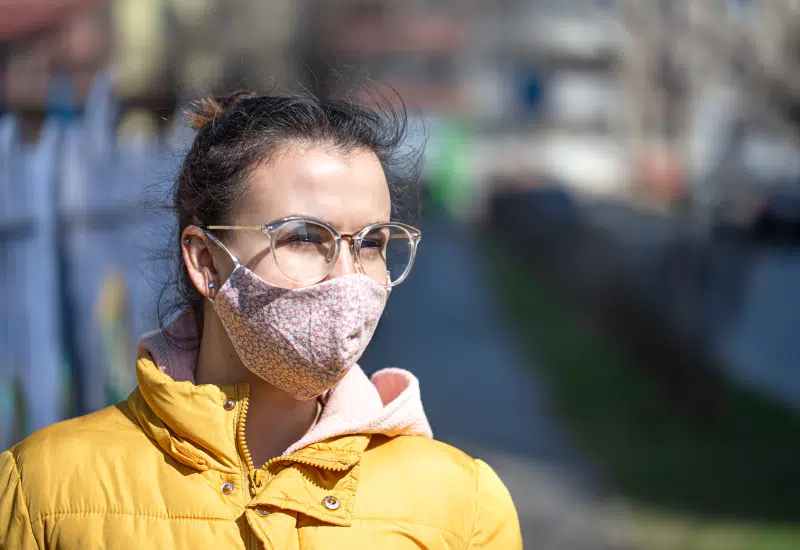
For those who need to go out, wearing sunglasses helps prevent pollen from entering the eyes directly, while masks can reduce inhaling small particles into the respiratory system, especially on windy days or when the Pollen Count is unusually high.
Pollen allergy is not just a seasonal symptom but a chronic condition linked closely to the surrounding environment. From the type of plants releasing pollen to indoor air quality. If not managed at the right point, allergic symptoms often cycle back and inevitably affect daily life.
The approach that works in the long term is reducing allergen exposure as much as possible, whether it be adjusting behavior outside the home, personal hygiene care before bed, or controlling pollen accumulation sources inside the home, especially air management, which is a factor many often overlook.
Currently, besides using traditional air purifiers, there are indoor air treatment systems developed to answer the needs of allergy sufferers more, such as EnviroGuard PRO™ X by VBreathe that combines medical-grade air filtration with Active Vapour technology to help reduce pollen in the air continuously, not limited to just the area around the machine.
Ultimately, choosing an air management method should align with the living characteristics and the level of allergy sensitivity of each person. When understanding the nature of the disease and choosing appropriate tools, the home can become a safe space that helps make living in every season a controllable matter, not something to endure anymore.
Pollen allergy is not caused by an infection, so there is usually no fever, and symptoms will recur during the same season every year, such as sneezing, clear mucus, nasal congestion, and itchy eyes. If symptoms improve when avoiding pollen or staying indoors for a long time, it usually indicates allergy rather than a cold.
Yes. Pollen can enter the home through wind, clothes, shoes, or opening windows and float remaining in the indoor air, even without going outside directly. Indoor air management is therefore a key factor in reducing allergic symptoms.
EnviroGuard PRO™ X is designed as an Indoor Air Treatment System using the Dual Active Approach concept, which is medical-grade air filtration combined with Active Vapour from Purox™ Gel. It helps manage pollen both passing through the filter and floating in the room air, capable of reducing pollen up to 99.97% within 1 hour.
One should start with showering and washing hair before bed, avoid drying clothes outside during pollen season, close windows when Pollen Count is high, and take care of indoor air regularly. Doing multiple methods together will help reduce allergic symptoms better than relying on any single method alone.
Remove
Total Amount
Adding {{itemName}} to cart
Added {{itemName}} to cart