Cart 0


Are you or a loved one struggling with pet allergy rashes? Dealing with itchy skin and hives after sitting on the sofa or playing with your pets can severely impact daily life, disrupting sleep, work, and overall well-being. While medications can provide temporary relief, treating the symptoms without addressing the environment often leads to an endless cycle of discomfort.
The frustration of dealing with itchy skin and hives on a daily basis just from sitting on the sofa or playing with pets is deeply upsetting—it really takes the joy out of those simple comforts. Creating a safe indoor space is crucial for recovery; by reducing repeated exposure and providing your skin with a calm, clean environment, you can help prevent flare-ups and allow the healing process to begin.
The real root of the problem frequently lies within our own homes, specifically through continuous exposure to pet dander and saliva proteins.
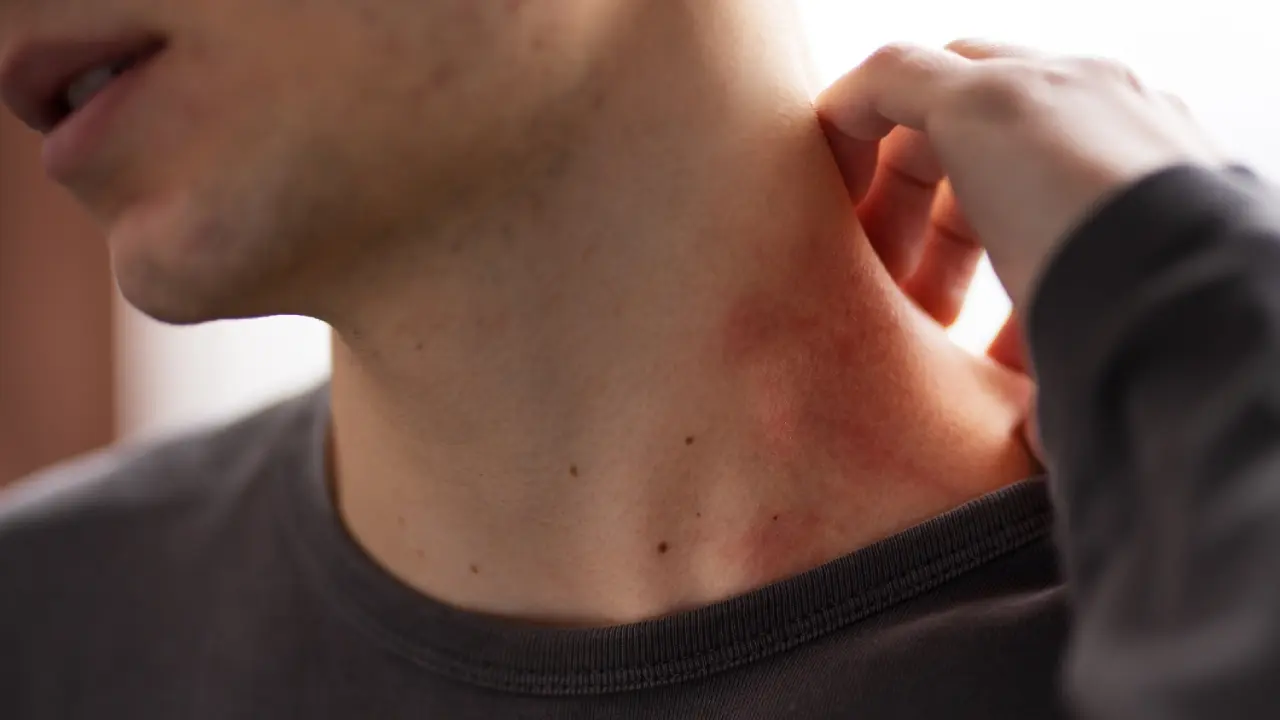
To effectively combat pet allergy rashes, it is crucial to understand the role your indoor environment plays. When the immune system detects foreign particles like pet dander and saliva proteins, it overreacts.
Did you know? Most pet allergies are actually triggered by a protein found in the animal’s saliva and urine, which flakes off as microscopic dander once it dries.
Pets continuously introduce microscopic skin flakes (dander), loose hair, and saliva proteins into the home through normal activities such as shedding, grooming, licking, and play. Saliva proteins are deposited directly when animals groom themselves or lick surfaces, and are transferred indirectly when fur carrying dander brushes against furniture or clothing. Many of these particles are small enough to become airborne briefly before settling; once airborne, they are redistributed by movement and HVAC systems, penetrating deep into fabrics and fibres.
Woven materials, such as upholstery and rugs, are particularly effective at trapping these particles. Their fibres provide abundant surfaces and crevices where dander and proteinaceous residues adhere, especially when combined with moisture from saliva or body oils. Repeated contact in a pet’s favourite resting spots deposits fresh material and compacts older allergens into the weave, making removal difficult. In modern, tightly sealed homes, reduced air exchange means these pollutants are retained for longer, allowing concentrations in soft furnishings to build up over time.
Because you spend up to 80% of your time indoors, your respiratory and skin health are under constant attack. If the environment itself isn’t actively sanitised, managing pet allergy rashes becomes an uphill battle.

Many people assume that avoiding direct contact with their pet will prevent allergy flare-ups. However, skin rashes can persist even when you are not touching the animal.
Pet dander is extremely light. Once released, it can remain suspended in the air before settling on surfaces throughout the home. Everyday movement, vacuuming, or airflow from fans and HVAC systems can re-circulate these particles, increasing ongoing exposure.
Proteins from saliva and urine cling to fur, then transfer to:
Sofas and upholstered chairs
Bedding and pillows
Clothing and soft furnishings
You may react simply by sitting or lying on contaminated fabrics.
Carpets, curtains, and mattresses trap microscopic particles deep within fibres. Even after cleaning, residual allergens can remain embedded and continue triggering skin irritation.
Allergens can travel beyond the home. They attach to clothing, bags, and even visitors, meaning exposure may occur in offices, cars, or other indoor environments.
Because these proteins are persistent and easily redistributed, complete avoidance is difficult without actively managing indoor air quality and soft surfaces.
When trying to manage indoor triggers, many people invest in standard HEPA air purifiers. However, there is a significant flaw in passive filtration: pet dander is incredibly sticky. It clings to upholstery and rugs, completely bypassing traditional air filters.
Traditional purifiers only clean the air that physically passes through their filters. This means the very triggers causing your discomfort remain undisturbed on surfaces, acting as a constant source of irritation every time you interact with your environment.
To effectively break the cycle of pet allergy rashes, you need an active approach that treats the entire room, not just the air passing through a machine. The EnviroGuard PRO™ X is a professional-grade air purification system designed to seek out and destroy triggers wherever they hide.
Our natural oxidation process actively sanitises surfaces, safely breaking down pet proteins on your furniture. The most effective way to manage your environment is by using the EnviroGuard PRO™ X for pet households combined with our proprietary pet-safe Purox™ Gel sanitiser. As the HEPA filter traps airborne particles, the active vapour neutralises allergens on surrounding surfaces and in mid-air.
Proactive Protection You Can Trust:
Can pet dander cause skin rashes indoors?
Yes, pet dander can cause skin rashes in sensitive individuals. Active air purification that neutralises allergens mid-air reduces airborne dander and lowers the likelihood of skin contact.
How do pet saliva proteins trigger rashes and what should I do immediately?
Saliva proteins can cause localised rashes when transferred to the skin. You should wash the affected area, launder any contaminated clothing, and use an active air purifier to help neutralise airborne proteins.
Do air purifiers actually help prevent pet allergy rashes?
Yes, air purifiers—especially those that neutralise allergens mid-air—reduce airborne dander and saliva proteins, lowering the chance of skin exposure and subsequent rashes.
What indoor cleaning routine best reduces pet dander and saliva allergens?
The most effective routine includes regular vacuuming with a HEPA vacuum, weekly washing of pet bedding, damp dusting, and running an active air purifier to neutralise allergens mid-air.
Does indoor humidity or ventilation affect pet allergy rashes?
Yes, keeping humidity between 40–50% and ensuring good ventilation reduces allergen persistence. Combining this with active air purification further neutralises airborne allergens to lower skin reactions.
Don’t let indoor allergens dictate your quality of life. Create a safe space for you and your pets by upgrading your home’s air quality today.
Order your VBreathe EnviroGuard PRO™ X and your Purox™ Gel Refills to start experiencing true, professional-grade protection.
Further Reading & Complete Protection
Connect with Us
For more tips on pet-safe environments, follow us on Facebook: VBreathe Safe
Remove
Total Amount
Adding {{itemName}} to cart
Added {{itemName}} to cart