Cart 0


Thunderstorm asthma is a rare but sudden respiratory phenomenon that can escalate to life-threatening levels within minutes. A critical medical fact that often goes unrecognised is that these severe episodes can affect individuals who have no prior clinical diagnosis of asthma. This “silent threat” is intricately linked to volatile weather patterns, specifically when high humidity and gale-force winds from thunderstorms interact with high ambient concentrations of grass pollen. These conditions trigger pollen grains to swell and rupture into millions of microscopic fragments, which are then swept into the lower respiratory tract, causing acute health crises that must not be ignored.
This article is designed to provide comprehensive, medically accurate information regarding thunderstorm asthma. Readers will gain a thorough understanding of the biological mechanisms driving the condition, how to assess high-risk populations, and how to recognise critical warning signs. Furthermore, it outlines proactive prevention strategies—covering both personal medical management and environmental control—alongside a definitive guide to Asthma First Aid to ensure maximum preparedness and safety during high-risk weather events
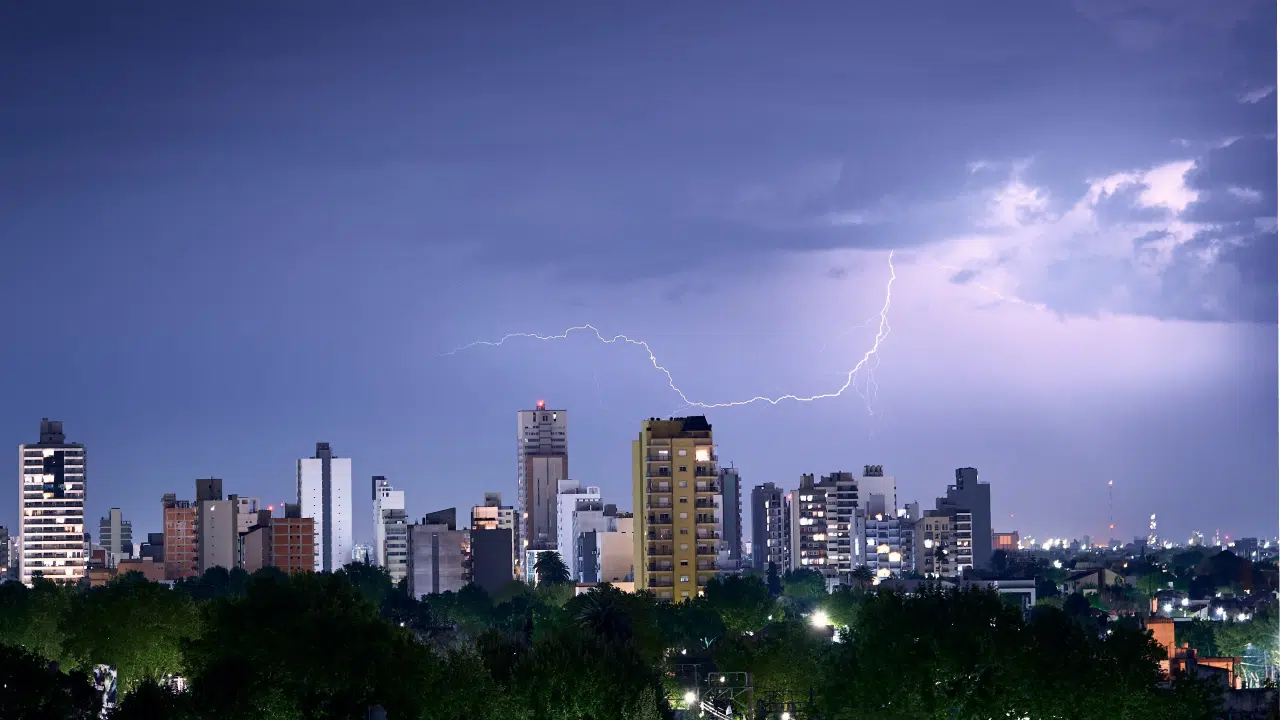
Thunderstorm asthma refers to the sudden, acute onset of respiratory symptoms triggered by a complex interaction between high environmental pollen counts and specific thunderstorm activity. While uncommon, extreme environmental factors can lead to “Epidemic Thunderstorm Asthma”—a crisis where a vast number of people require emergency medical intervention simultaneously, potentially overwhelming local healthcare systems.
The biological mechanism behind this severity can be explained through a specific, step-by-step natural process:
Effective management of thunderstorm asthma relies on identifying those most vulnerable. Medical evidence indicates that this risk is not confined to diagnosed asthmatics but extends to those with specific biological sensitivities. Identifying these groups is the first step in reducing hospitalisation rates:
Beyond individual risks, Temporal and Geographic High-Risk Zones are decisive factors. In South-Eastern Australia (including New South Wales and Victoria), the peak danger period spans from October to December, coinciding with the grass pollen season. Understanding this geographic and seasonal intersection is vital for proactive monitoring and emergency readiness.
The most dangerous characteristic of thunderstorm asthma is its ability to escalate within minutes. Differentiating between mild hay fever and a severe asthma event is critical for timely intervention.
|
Condition |
Common Symptoms |
|
Hay Fever Symptoms |
|
|
Asthma Symptoms |
|
When pollen fragments reach the deep lung tissue, the inflammatory response can be catastrophic. Immediate medical help is required if a person exhibits the following Emergency Signs:
The most effective defence against thunderstorm asthma is year-round respiratory health management. Preparing your airways before high-risk seasons can significantly mitigate symptom severity:
Environmental Precautions are equally vital. During pollen season, monitor pollen forecasts and weather alerts closely. If a storm is predicted, stay indoors, close all windows and doors, and ensure air conditioners are set to “Recirculate” mode to prevent drawing in pollen-laden external air.
During a thunderstorm asthma event, rapid and correct action is the difference between life and death. Knowing basic first aid is essential while waiting for professional medical assistance.
If you or someone near you experiences acute asthma symptoms, follow the international 4-4-4 standard:
When to Call Emergency Services Immediately:
Do not wait if the person stops breathing, is deteriorating rapidly, has no inhaler available, is unable to speak, or shows signs of Anaphylaxis (severe allergic reaction). In the case of anaphylaxis, always administer an Adrenaline Autoinjector first, followed by the asthma reliever.
Access to real-time data is your first line of defence. At-risk individuals should monitor pollen indices and weather forecasts through trusted government bodies or specialised apps like VicEmergency or Melbourne Pollen Count. These systems provide early warnings, allowing you to implement your safety plan before a storm hits. However, as microscopic fragments can still penetrate indoor spaces, proactive indoor air management is also necessary.
While staying indoors is a primary safety measure, maintaining Indoor Air Quality is equally crucial. Microscopic fragments from ruptured pollen are invisible and can enter the home through tiny gaps or on clothing. The VBreathe EnviroGuard PRO™ X air purifier for asthma is specifically engineered to combat these ultra-fine, hazardous particles.
Unlike traditional “passive” air purifiers that only filter air that passes through them, VBreathe utilizes Dual Active Air Purification technology. It works proactively by releasing vapours from the Purox™ Gel—a 100% natural extract—which circulates through the room to capture and neutralise pollen fragments both in the air and on surfaces. This combined approach of high-efficiency filtration and active purification offers the most robust protection available for your home.
Thunderstorm asthma is a powerful natural phenomenon, but with medical knowledge and proper preparation, the risks can be managed. Consistent respiratory care, environmental awareness, and the use of active air purification technology are the keys to staying safe. By being prepared, you can face the changing seasons with confidence and ensure the long-term well-being of your family.
Remove
Total Amount
Adding {{itemName}} to cart
Added {{itemName}} to cart