
Indoor air pollution is a growing concern, especially for those suffering from allergies, asthma, and respiratory conditions. Many turn to air purifiers to improve indoor air quality, but not all filtration systems are created equal. The True HEPA filter stands out as the gold standard in air purification, effectively capturing 99.97% of airborne particles as small as 0.3 microns.
But what makes a True HEPA filter different from other filters? In this guide, we’ll break down the science behind HEPA filtration, how it works, and why it’s the best choice for cleaner, healthier air.
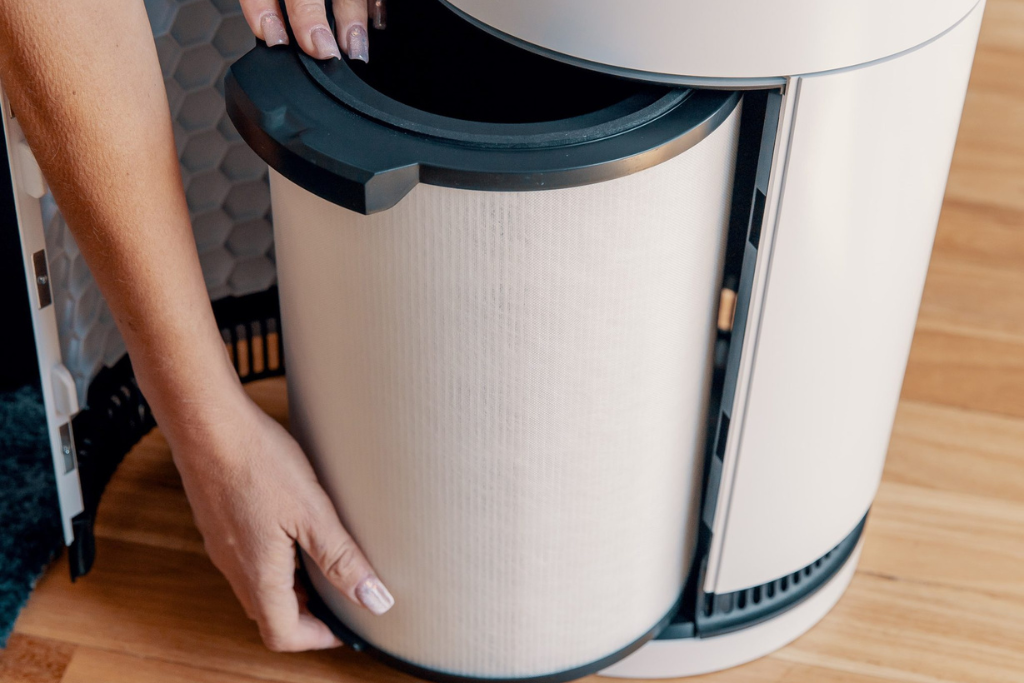
HEPA stands for High-Efficiency Particulate Air, a filtration standard designed to trap microscopic pollutants. A True HEPA filter meets the strictest efficiency requirements, capturing fine particles such as:
To qualify as a True HEPA filter, a purifier must remove at least 99.97% of particles down to 0.3 microns in size —a level of filtration far superior to standard air filters.
The filtration process in a HEPA air purifier is based on three key mechanisms:
As air flows through the filter, larger particles like dust and pet dander are intercepted and trapped by the dense fibres of the HEPA material.
Smaller particles, such as pollen and mould spores, collide with the filter fibres and stick to them, preventing them from recirculating in the air.
Ultra-fine particles, including bacteria and smoke, move randomly in the air and are captured through diffusion, ensuring the highest level of filtration.
This multi-layered approach ensures that even the smallest contaminants are effectively removed, making True HEPA filters ideal for allergy relief, asthma management, and general air quality improvement.
If you struggle with allergies, asthma, or frequent respiratory issues, a True HEPA filter is one of the most important features to look for in an air purifier. Unlike traditional air filters, which only remove visible dust and debris, HEPA technology effectively captures fine particles that can trigger allergic reactions and breathing difficulties.
A HEPA air purifier is especially beneficial in homes with:
By investing in a True HEPA air purifier, you ensure cleaner air, better breathing, and improved indoor health for you and your family.

To ensure your True HEPA filter works at its highest efficiency, proper maintenance is essential. Over time, trapped particles can accumulate in the filter, reducing airflow and making the purifier less effective. Here are some simple steps to keep your HEPA filter working at its best:
By following these steps, you can extend the life of your HEPA filter and ensure it continues providing powerful air purification for a healthier home environment.
A True HEPA filter filter plays a crucial role in improving indoor air quality by capturing microscopic airborne pollutants that can negatively impact health. In enclosed spaces, contaminants such as dust mites, pet dander, pollen, mould spores, and bacteria circulate continuously and settle on surfaces, contributing to allergies, respiratory irritation, and overall poor air conditions.
By using HEPA-13 or HEPA-14 filtration, an air purifier can continuously remove these fine particles from the air, significantly reducing common allergy triggers and improving indoor air hygiene. Unlike standard filters that primarily capture larger dust particles, a True HEPA filter is designed to trap at least 99.97% of airborne particles as small as 0.3 microns. For readers seeking a deeper comparison of how different filtration technologies work, understanding air purifier filter types can help clarify why True HEPA filtration is widely recommended for allergy sufferers, asthmatics, and anyone aiming to maintain cleaner, healthier indoor air.
While True HEPA filters are excellent at capturing airborne particles, they are inherently passive. For a more comprehensive solution, especially during hay fever season, consider going beyond standard air filtration to manage allergens that settle on surfaces.
Look for an air purifier with True HEPA-13 or HEPA-14 filtration, combined with activated carbon for VOC and odour control.
No. Many models use HEPA-type filters, which do not meet strict HEPA certification standards and may be less effective.
Yes! True HEPA filters remove allergens like pollen, pet dander, and dust mites, significantly reducing allergy symptoms.
Most filters last 6–12 months, depending on usage and air quality. Always check manufacturer recommendations.
Remove
Total Amount
Your personal data will be used to process your order, support your experience throughout this website, and for other purposes described in our privacy policy.
Adding {{itemName}} to cart
Added {{itemName}} to cart