Are you or a loved one struggling with a persistent allergic cough? Dealing with an irritating, dry cough that disrupts work, relaxation, and sleep quality can severely impact daily life, affecting your productivity and overall well-being. While medications can provide temporary relief, treating the symptoms without addressing the environment often leads to an endless cycle of discomfort.
An irritating dry cough that ruins your sleep every night and disrupts your focus during the day is deeply frustrating; it can leave you feeling exhausted and on edge. Creating a safe indoor space with clean air, good ventilation, and proactive steps to minimise irritants is crucial for recovery. It reduces triggers, helps restore sleep quality, and gives your body the chance to heal properly.
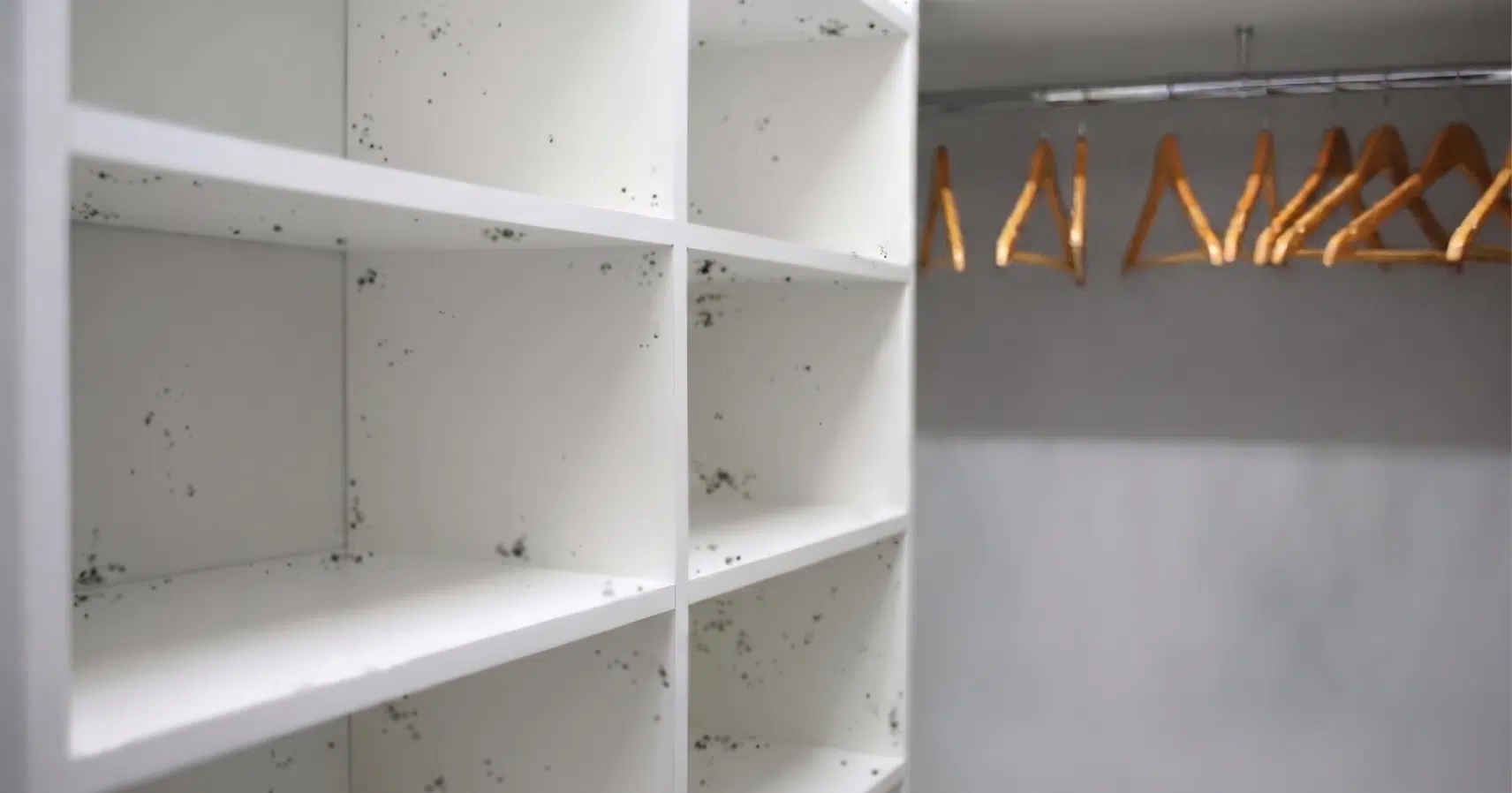
The real root of the problem frequently lies within our own homes, specifically through continuous exposure to Volatile Organic Compounds (VOCs), airborne pollutants, and mould spores.
To effectively combat a persistent allergic cough, it is crucial to understand how your indoor environment plays a role. When the immune system detects foreign particles like VOCs, pollutants, or mould spores, it overreacts.
Did you know? Volatile Organic Compounds (VOCs) from common household products can irritate the throat continuously, leading to a chronic, non-productive cough.
VOCs, airborne pollutants, and mould spores enter a home through a variety of everyday routes. Outdoor air drawn in through doors, windows, and ventilation systems carries traffic and industrial pollutants; occupants, pets, and deliveries bring in particles on clothing and packaging; and indoor activities such as cooking, burning candles, or using a gas hob release combustion by-products and fine particulates. Building materials, new furniture, paints, and adhesives commonly emit VOCs as they “off-gas”, while cleaning products volatilise chemicals into the air during use. Mould spores are omnipresent outdoors and enter in the same ways, while damp areas and condensation provide the perfect conditions for spores inside to germinate.
Once inside, these contaminants tend to remain suspended or evaporate into the indoor air. VOCs are volatile liquids or gases that readily diffuse through the air, while many pollutants and spores are microscopic with very low settling velocities. Normal air currents and HVAC systems keep them airborne throughout your living spaces. Modern, tightly sealed homes designed for energy efficiency often minimise natural air exchange. Without effective ventilation, emissions from new furniture and cleaning products accumulate rather than being diluted, leading to higher and more persistent indoor concentrations.
Because you spend up to 80% of your time indoors, your respiratory system is under constant attack. If the environment itself isn’t actively sanitised, managing a persistent allergic cough becomes an uphill battle.

Many people invest in standard HEPA air purifiers hoping for a quick fix. However, there is a significant flaw in passive filtration: standard HEPA filters cannot neutralise chemical gases (VOCs) or destroy airborne mould spores effectively.
Traditional purifiers only clean the air that physically passes through their filters. This means the very triggers causing your discomfort remain undisturbed on surfaces, acting as a constant source of irritation every time you interact with your environment.
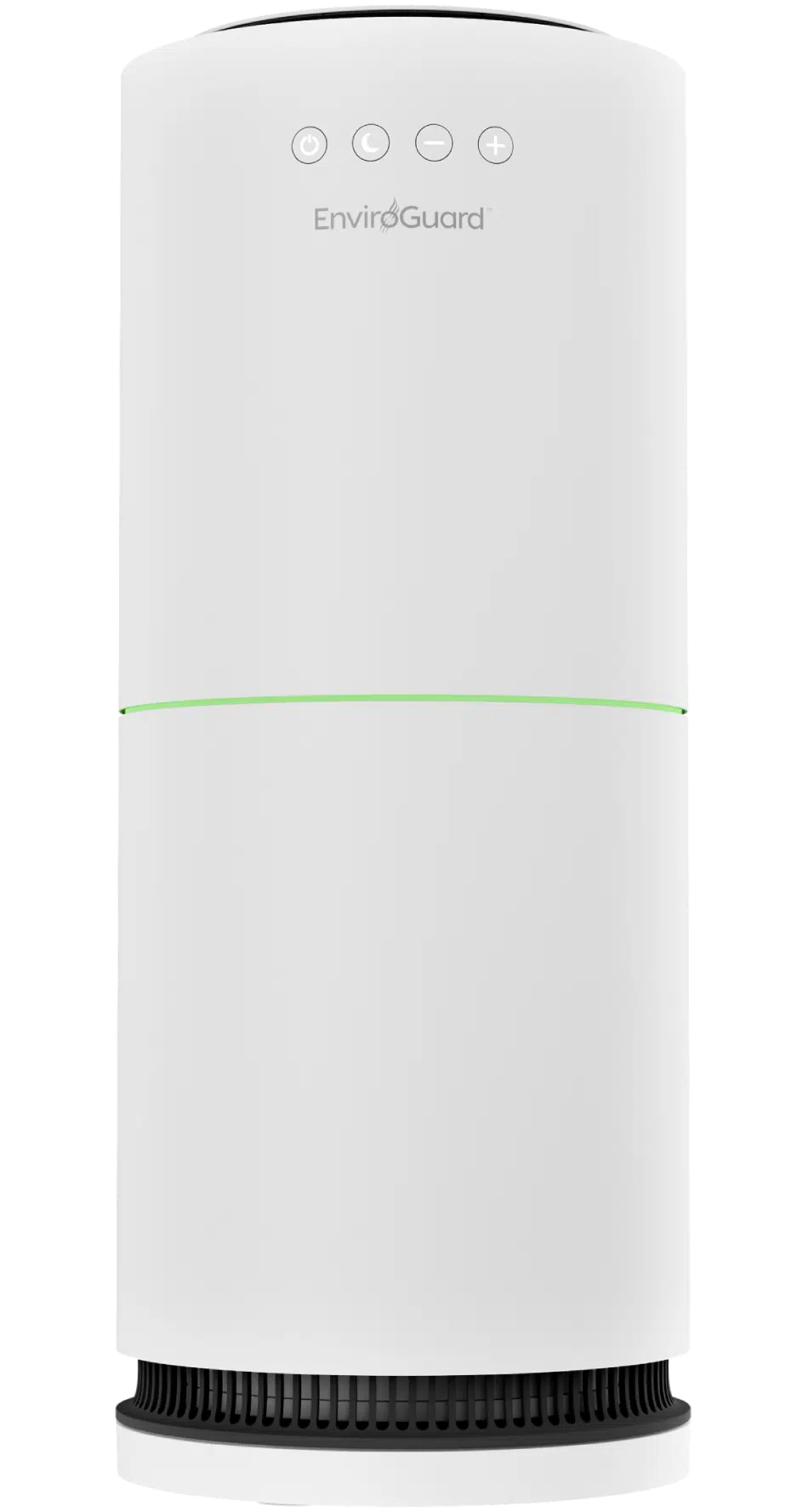
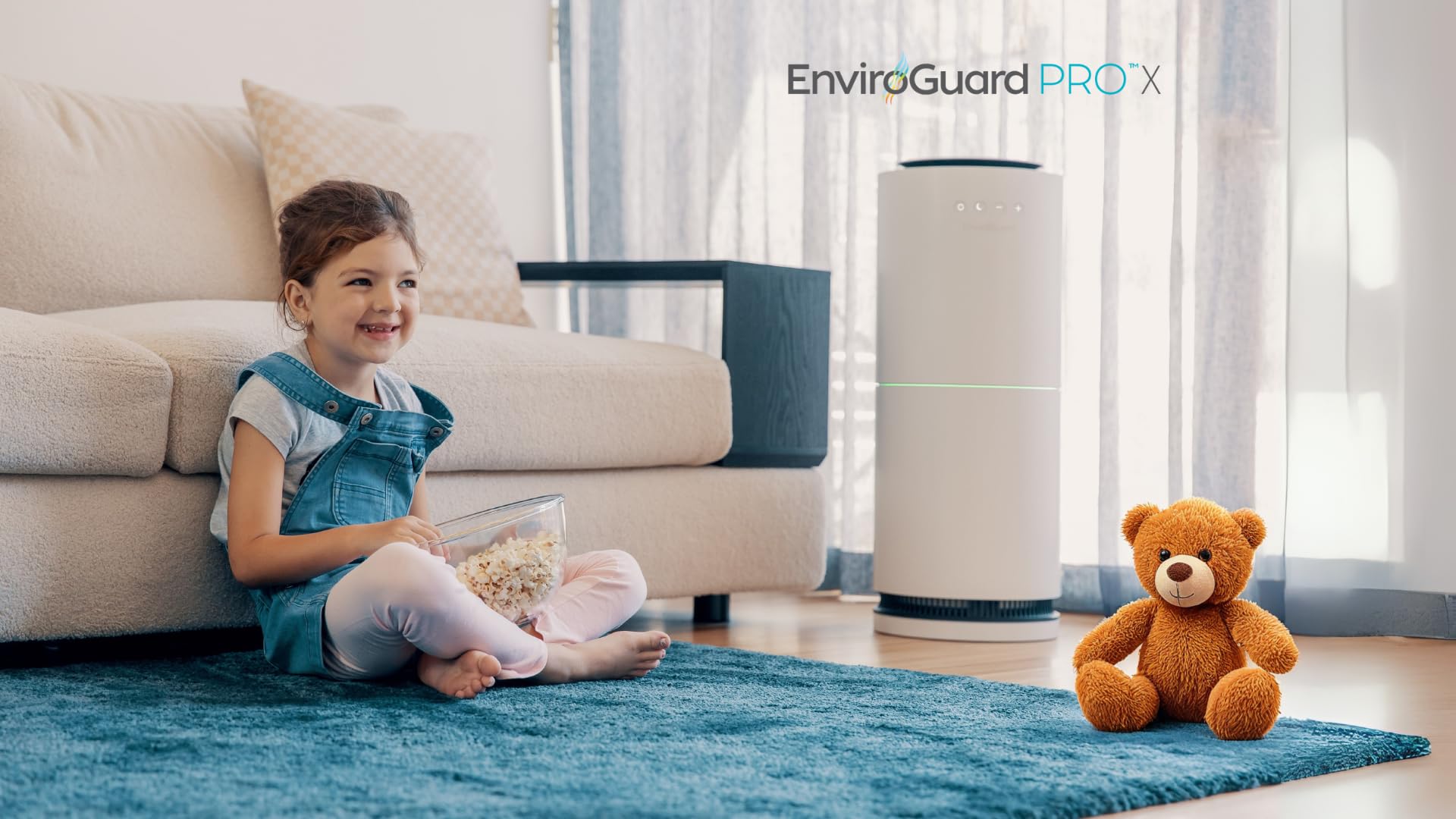
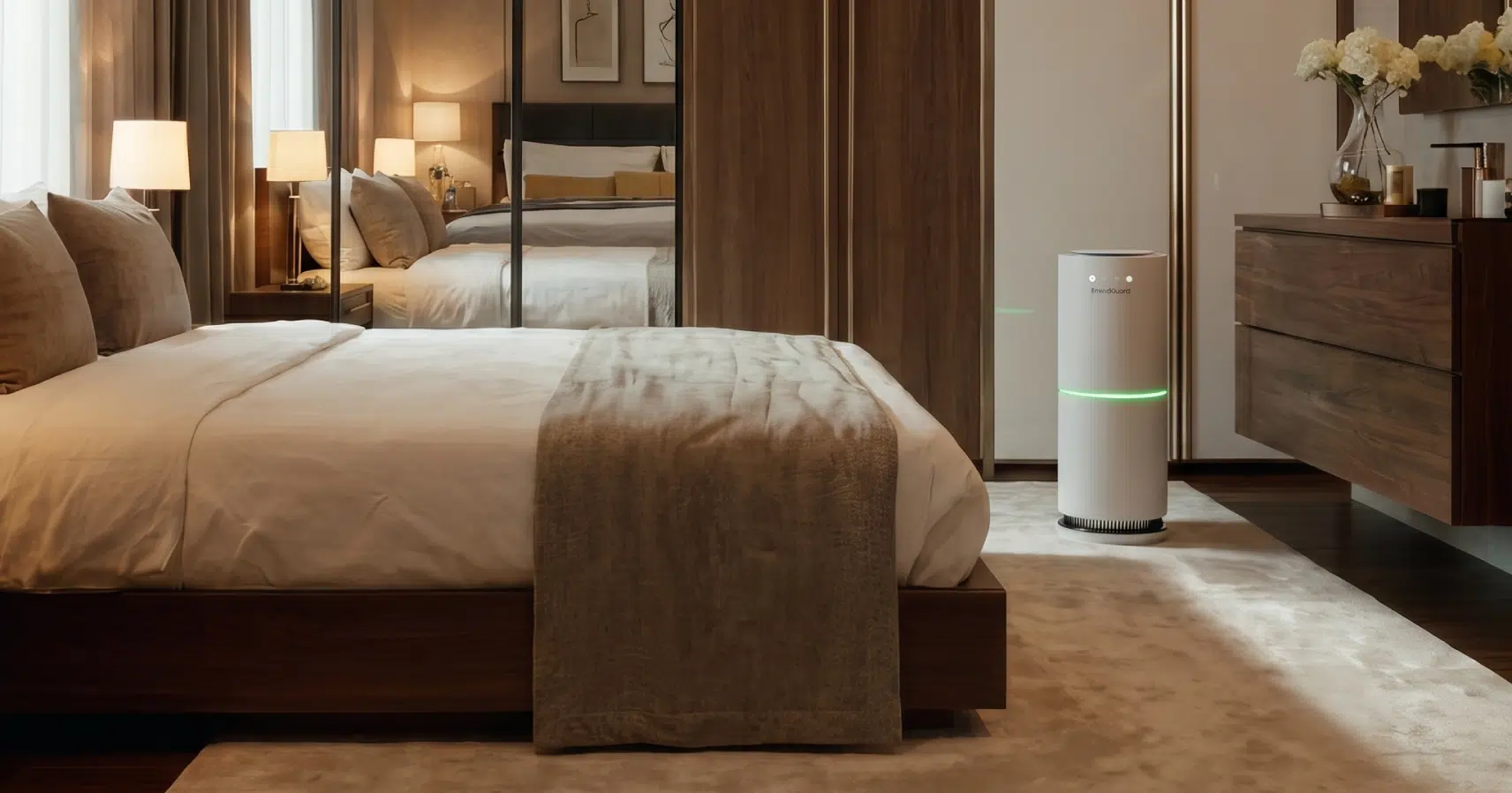
To effectively break the cycle of a persistent allergic cough, you need an active approach that treats the entire room, not just the air passing through a machine. The EnviroGuard PRO™ X is a professional-grade air purification system designed to seek out and destroy triggers wherever they hide.
Our mid-air neutralisation instantly deactivates airborne irritants and VOCs without producing harmful ozone. The most effective way to manage your environment is by using the EnviroGuard PRO™ X dual-active system combined with our proprietary Purox™ Gel for VOC neutralisation. As the HEPA filter traps airborne particles, the active vapour neutralises allergens on surrounding surfaces and in mid-air.
Proactive Protection You Can Trust:
Can VOCs from household products cause a persistent allergic cough indoors?
Yes, VOCs can irritate airways and prolong a cough. It is best to remove high-VOC products, improve ventilation, and use an active air purifier to neutralise allergens mid-air.
How do airborne pollutants worsen allergic cough and how can I reduce them?
Reduce combustion and dust sources, improve ventilation, and run an active air purifier with particle and gas capture to lower pollutants and neutralise allergens.
Will mould spores in my home cause a persistent cough and what should I do?
Yes, mould spores can trigger ongoing coughing. You should control humidity, remediate any visible mould, and use HEPA filtration or an active purifier to capture and neutralise spores.
Are standard HEPA filters enough to remove VOCs and neutralise allergens?
Not fully. HEPA removes particles (including mould spores) but not VOCs. It is better to choose a system with active purification that also neutralises allergens mid-air.
How should I monitor indoor air quality to manage a cough?
Use sensors for VOCs, particulate matter (PM2.5), and humidity. Keep relative humidity around 40–50%, and use an active air purifier to rapidly reduce detected pollutants.
Don’t let indoor allergens dictate your quality of life. Soothe your respiratory system by upgrading your home’s air quality today.
Order your VBreathe EnviroGuard PRO™ X and your Purox™ Gel Refills to start experiencing true, professional-grade protection.
Further Reading & Complete Protection
Connect with Us
Follow our community on Facebook for the latest health advice: VBreathe Safe
Remove
Total Amount
Adding {{itemName}} to cart
Added {{itemName}} to cart