$0.00
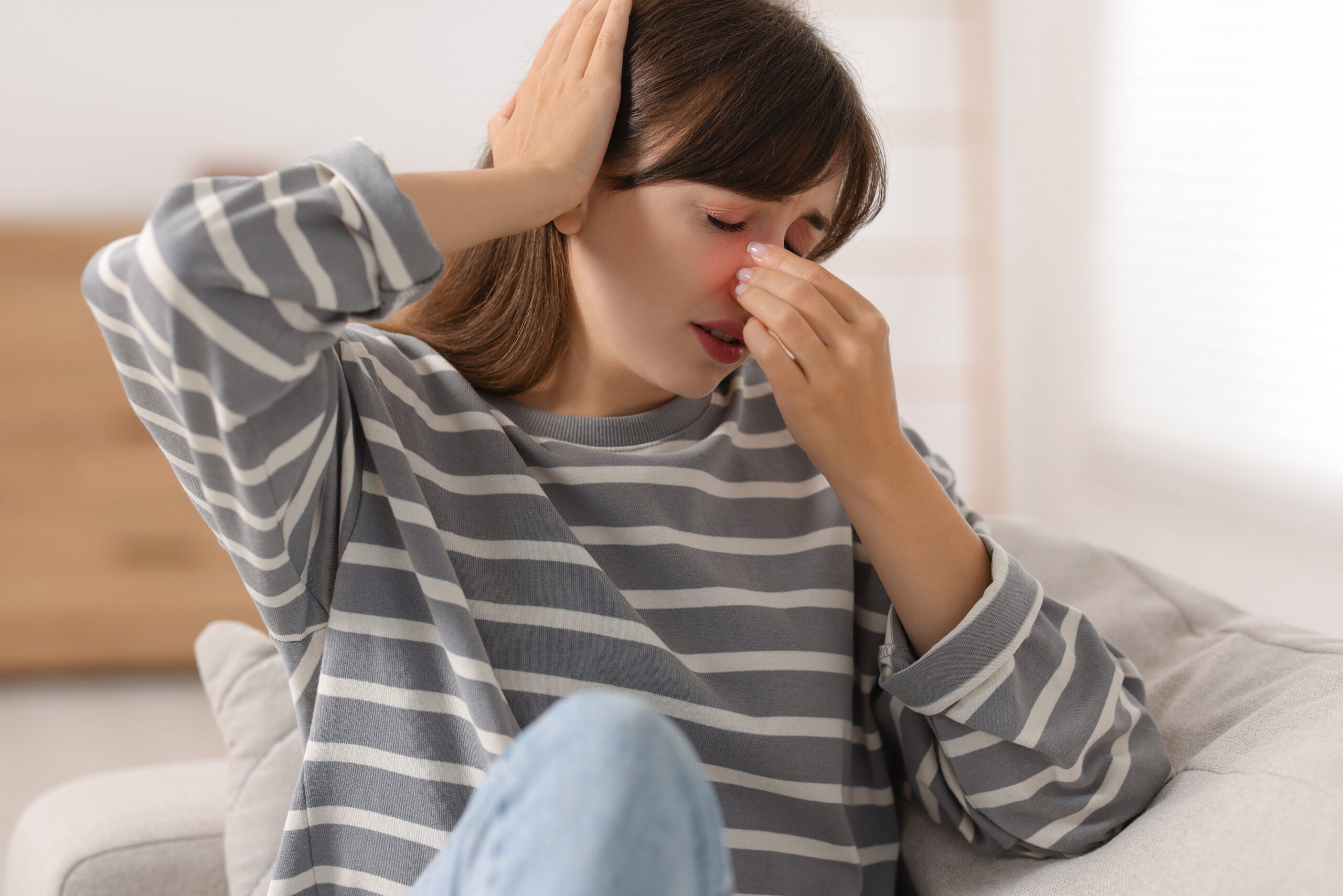
Chronic ear pain and sinus pressure are more than mere physical discomforts; they are profoundly draining conditions that can disrupt every facet of daily life. For many, the struggle involves blocked Eustachian tubes, leading to muffled hearing, a persistent sense of “fullness” in the ears, and debilitating headaches.
While over-the-counter medications may offer transient relief, they often fail to address the underlying cause. If your environment remains saturated with triggers, you are likely trapped in a cycle of symptomatic treatment rather than long-term recovery.
To effectively manage these symptoms, it is essential to understand the physiological link between the air you breathe and the pressure in your ears. The Eustachian tubes—small passages that connect the middle ear to the back of the throat—are responsible for equalising air pressure and draining secretions.
When your immune system detects indoor allergens such as dust mites or mould spores, it triggers an inflammatory response. This causes the lining of the nasal passages to swell, obstructing the Eustachian tubes. When drainage is blocked, fluid builds up and pressure increases, resulting in the sharp pain and clogged sensation often associated with sinus congestion.
The root of chronic sinus and ear distress frequently lies in continuous exposure to microscopic irritants that thrive in modern living spaces.
1. Dust Mite Proliferation
Dust mites are one of the most common triggers for respiratory inflammation. They flourish in environments with an abundant food supply—specifically human skin flakes—and are typically found in high concentrations in bedding, carpets, and soft upholstery.
2. Mould Spores and Moisture
Mould spores are opportunistic organisms that enter the home through open windows, on clothing, or via pets. They require only two things to germinate: moisture and organic matter. In many UK homes, mould establishes itself in:
3. The “Sealed Home” Paradox
Modern energy-efficient homes are designed to be tightly sealed to retain heat. However, this lack of natural air exchange often traps moisture and airborne particulates inside. Without active sanitisation, these homes become reservoirs for high concentrations of spores and mite populations.
Statistically, we spend up to 80% of our time indoors, meaning our respiratory systems are under constant environmental stress. If your indoor space is not being actively treated, managing ear and sinus health becomes an uphill battle.
Traditional cleaning and passive air filtration often fall short because they do not address the allergens that have already settled on surfaces or deep within fabrics. To break the cycle of inflammation, a comprehensive approach to indoor air quality is required—one that targets pathogens both in the air and on the surfaces where they reside.
By creating a sanitised, stable indoor environment with controlled humidity, you provide your body with the “clean zone” it needs to reduce inflammation, equalise pressure, and finally find the peace required for a full recovery.
Many people invest in standard HEPA air purifiers hoping for a quick fix. However, there is a significant flaw in passive filtration: passive systems rely entirely on air circulation, leaving damp corners where mould thrives completely untouched.
Traditional purifiers only clean the air that physically passes through their filters. This means the very triggers causing your discomfort remain undisturbed on surfaces, acting as a constant source of irritation every time you interact with your environment.
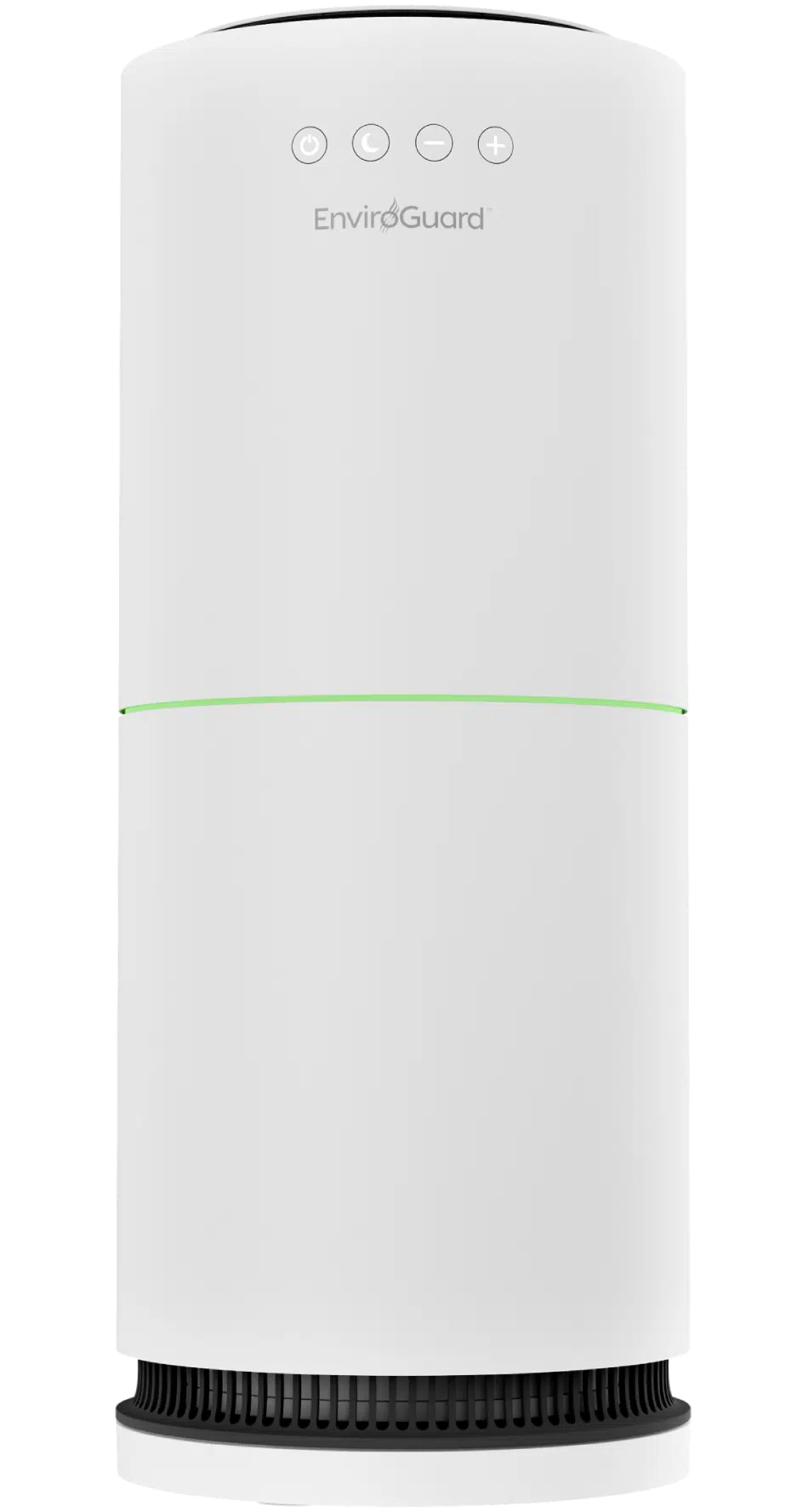
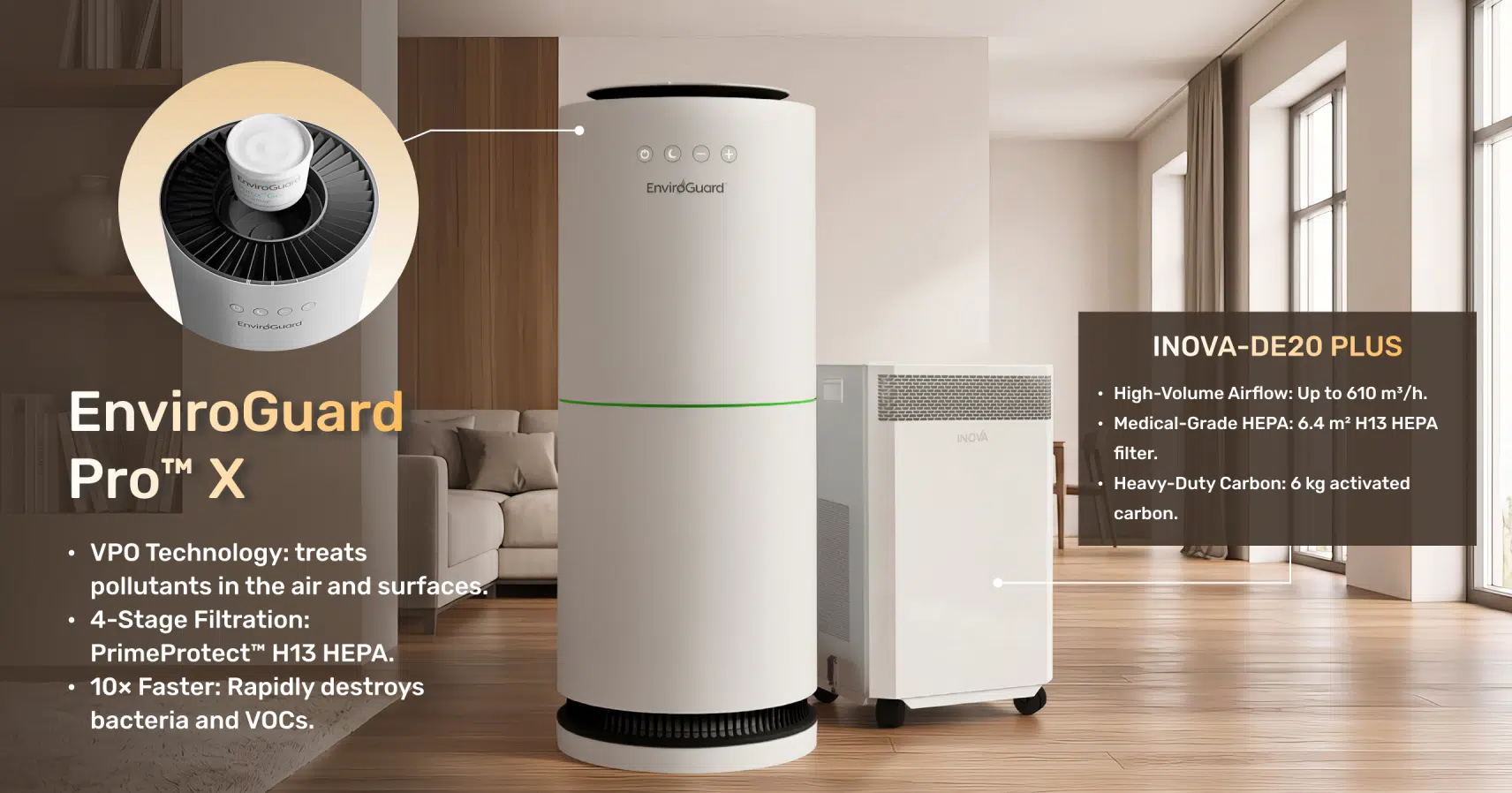
To effectively break the cycle of ear pain and sinus pressure, you need an active approach that treats the entire room, not just the air passing through a machine. The EnviroGuard PRO™ X is a professional-grade air purification system designed to seek out and destroy triggers wherever they hide.
Our active vapour reaches the entire enclosed space, addressing the root cause (mould and dust) to prevent severe congestion. The most effective way to manage your environment is by using the EnviroGuard PRO™ X best air purifier combined with our proprietary Purox™ Gel active vapour. As the HEPA filter traps airborne particles, the active vapour neutralises allergens on surrounding surfaces and in mid-air.
Proactive Protection You Can Trust:
What is the most effective way to reduce dust mites in my bedroom?
Encase mattresses and pillows, wash bedding weekly at 60°C, minimise carpets, keep humidity below 50%, and run an active air purifier to capture and neutralise remaining allergens.
How do mould spores affect sinus pressure?
Mould spores irritate sinuses and increase congestion. Control this by fixing leaks, drying damp areas, improving ventilation, and using active air purification to lower airborne spore counts.
Will an air purifier relieve ear pain caused by indoor allergens?
Yes, an air purifier—especially one with active neutralisation—can reduce the airborne allergens and spores that drive the inflammation behind ear pain and sinus pressure.
How should I balance ventilation and air purification?
Combine regular fresh-air ventilation with continuous use of a quality air purifier to remove incoming pollutants and neutralise allergens, while monitoring humidity to prevent mould growth.
Why do my ears feel blocked when I have allergies?
Blocked ears are caused by inflammation in the Eustachian tubes due to airborne allergens. An active air purifier reduces these irritants throughout the room, helping to lower inflammation and clear the pressure in your ears.

Don’t let indoor allergens dictate your quality of life. Clear your sinus and ear pressure by upgrading your home’s air quality today.
Further Reading & Complete Protection
Connect with Us
Join our community on Facebook for more expert advice: VBreathe Safe
Remove
Total Amount
Your personal data will be used to process your order, support your experience throughout this website, and for other purposes described in our privacy policy.
Adding {{itemName}} to cart
Added {{itemName}} to cart