Most Effective Way to Remove Pet Odours Without Harsh Chemicals?
While sharing a home with cats or dogs is joyful, lingering pet odours and invisible biological pollutants—like dander, bacteria, and microscopic urine particles—can significantly compromise your home’s air quality, even when surfaces appear spotless.
Many pet owners try to combat these smells with conventional air fresheners or cleaners containing aggressive chemicals like bleach, ammonia, or phenol-based disinfectants. However, these substances can be hazardous, causing toxic accumulation, respiratory distress, or skin inflammation in pets (with cats being particularly vulnerable).
For pet owners seeking safe, scientifically grounded Odour management, this article offers a roadmap to tackle root causes—like deep-seated urine residues that reactivate in high humidity—rather than simply masking them. By utilizing non-toxic pH neutralizers like baking soda and vinegar, applying advanced enzymatic cleaners to break down molecular stains, and implementing active air quality control to capture airborne dander, you can effectively eliminate lingering smells and maintain a genuinely fresh, health-focused home for both humans and animals.
Pet Odour Explained: Understanding the Science Behind Dog and Cat Smells
A common misconception is that pet urine—whether from a dog or a cat—is just a simple liquid you can completely wipe away with water or standard floor cleaners. Chemically, pet urine consists of three main components:
- Urea: Breaks down into ammonia, causing the initial pungent smell (this is often much more concentrated and noticeable in cat urine).
- Urochrome: The pigment that causes those stubborn yellow stains.
- Uric acid crystals: The primary culprit behind persistent, long-lasting Odours in both canine and feline accidents.
Humidity Reactivation: The Uric Acid Cycle
Stubborn pet urine odours typically stem from uric acid crystals. These crystals are insoluble in water and bond tightly deep within porous surfaces like carpets, hardwood, or subfloors. Cat urine, in particular, is notorious for its highly concentrated uric acid content, making it exceptionally difficult to eradicate.
The main issue is that these crystals are hygroscopic, meaning they absorb moisture from the air. When humidity exceeds 50%, such as during the rainy season, the uric acid crystals are reactivated and release ammonia gas. This is the exact reason why dog or cat pee smells often mysteriously return whenever the air becomes more humid, even after you thought you had thoroughly cleaned the spot.
Why Do Pet odours Linger on Furniture Even After Cleaning?
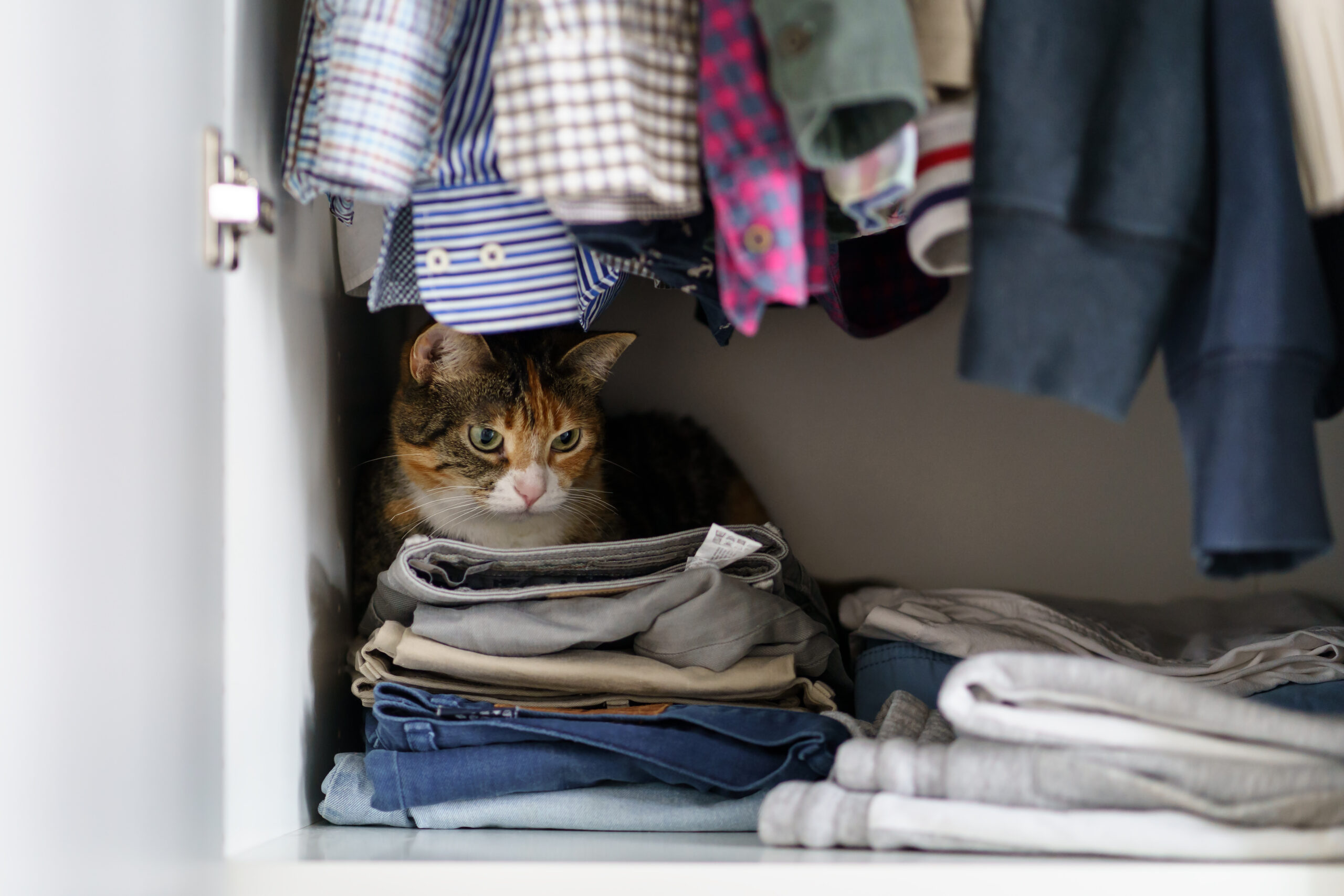
Beyond bathroom accidents, household surfaces act as a Dander Highway. As dogs and cats naturally interact with their environment—rubbing against sofas, sleeping on carpets, or brushing past walls—they transfer body oils, salivary proteins, and dander (which may contain various microbes) onto these surfaces. Cats also add the element of specialized scent glands used for marking territory.
Over time, these substances accumulate deep within the material’s structure. They slowly decompose via bacterial action and oxidation, eventually turning into a deeply embedded musty or musky odour. Because of this complex buildup, merely wiping down the exterior surface is often not enough to eliminate the root cause of the odours buried deep within these materials.
What is the Safest Way to Neutralize Pet odours on Surfaces?
Once we understand the structure of the odour, the next step is targeted contaminant removal. Relying on air fresheners simply uses stronger-smelling chemicals to temporarily “mask” odour molecules. However, permanently eliminating odours without harsh chemicals requires scientific mechanisms that alter the molecular structure of the odour itself.
Acid-Base Neutralization & odour Adsorption
For fresh urine stains or surface odours, utilizing basic chemical reactions with common household items is an effective and highly safe first step.
- Vinegar (Acetic Acid): White distilled vinegar primarily consists of acetic acid, which effectively neutralizes the alkaline nature of ammonia in urine. When the acid in vinegar reacts with ammonia, it transforms the pungent gas into an odourless, more stable substance, significantly reducing the smell.
- Baking Soda (Sodium Bicarbonate): Works dually by balancing pH levels and adsorbing odours from both the air and carpet fibers. Sprinkling it dry and leaving it for 15–30 minutes (or overnight for stubborn odours) helps draw out excess moisture. This reduces the chance of uric acid crystals being reactivated.
| Cleaning Agent | Primary Component | Mechanism of Action | Application & Additional Benefits |
| Vinegar | Acetic Acid | An article from Sheets Laundry Club points out that the acidic nature of vinegar neutralizes the ammonia found in pet urine, changing the pungent gas into a more stable compound. | Recommendations from Tequesta Veterinary Clinic state that mixing equal parts of water and vinegar to spray on stains helps eliminate ammonia odors quickly. Additionally, information from the American Kennel Club (AKC) adds that the acetic acid in vinegar acts as an effective agent in killing bacteria and microbes. |
| Baking Soda | Sodium Bicarbonate | Information from the American Kennel Club (AKC) indicates that sodium bicarbonate is excellent at absorbing and neutralizing odors naturally. | Advice from both Topaz Veterinary Clinic and Tequesta Veterinary Clinic agrees that you should sprinkle baking soda, let it sit for 15–30 minutes, and then vacuum it up. Sheets Laundry Club highlights that this method not only deodorizes but also “absorbs moisture,” which is crucial in reducing the chance of uric acid crystals being reactivated and causing the smell to return. |
Enzymatic & Probiotic Catalysis
While vinegar and baking soda excel at reducing odors and managing surface ammonia, they fall short when odors penetrate deep into materials, like carpet padding or cracks in hardwood floors. These are areas where uric acid crystals typically hide, and standard cleaning often can’t reach the source. This is where biological mechanisms are needed.
- Enzymatic Cleaners: Contain specialized proteins that act as “biological catalysts” to break down complex organic molecules into smaller, odorless pieces. High-quality cleaners often blend multiple enzymes, such as Protease (to break down saliva proteins) and, crucially, Urease, which directly targets and breaks down uric acid to prevent odors from returning on humid days.
- Probiotic Cleaners: An innovative cleaning solution utilizing live microorganisms, usually in the form of Bacillus bacterial spores. Unlike enzymes that dissipate after reacting, probiotics can colonize surfaces and continuously produce enzymes for days or weeks after application.
What If the Odor Seeps Deeper? Tackling Subfloor Contamination
If a pet’s urine is left to seep through the carpet into the subfloor, superficial spraying will not solve the problem.
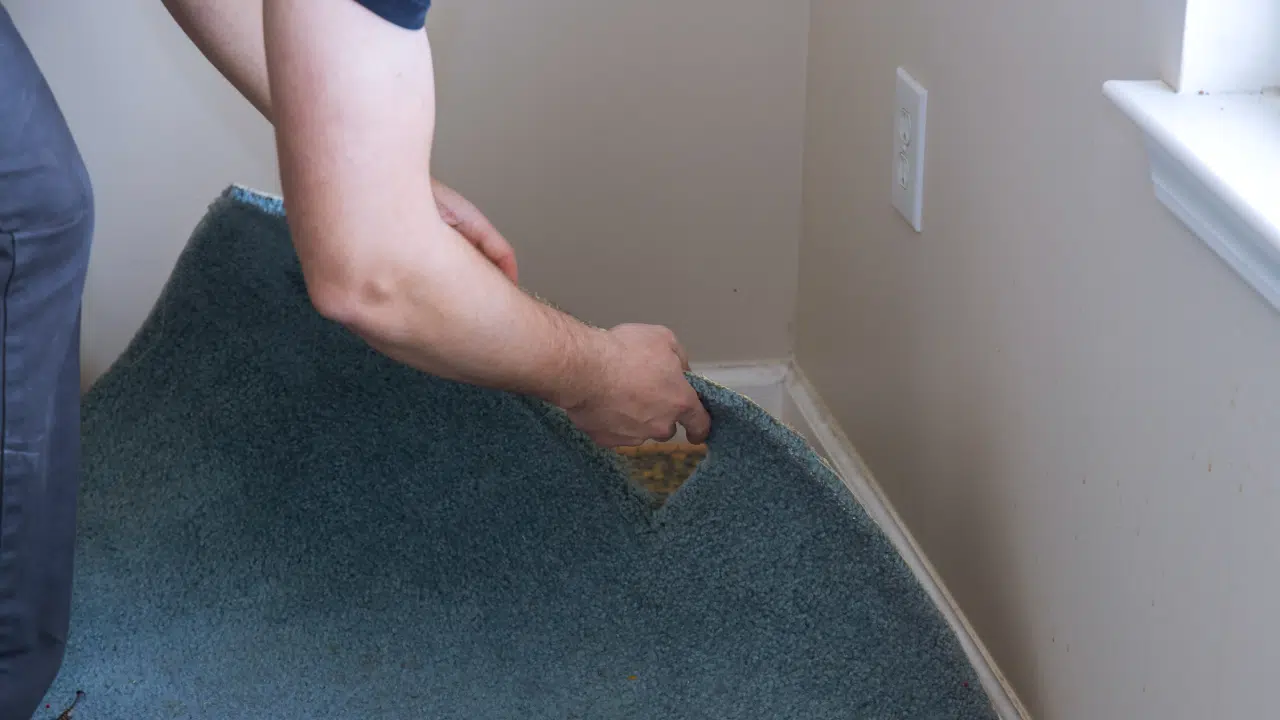
- For Carpets: Enzymatic cleaner must be poured in a volume equal to the urine excreted to ensure it reaches the carpet pad and subfloor. Since enzymes require moisture to work, covering the treated area with a damp towel or plastic wrap for about 24 hours prevents it from drying out too quickly, giving the enzymes time to fully break down the uric acid crystals.
- For Hardwood Floors: Wood is porous and can trap uric acid and mold. If there is a deep-set stain that vinegar cannot resolve, 3% Hydrogen Peroxide can be used. As an oxidizer, it releases oxygen to break the chemical bonds of odor molecules and yellow stains, decomposing into just water and oxygen with no toxic residue. Apply a damp cloth soaked in hydrogen peroxide over the stain, cover with plastic wrap, and leave it for several hours.
Is Cleaning Surfaces Enough? How to Eliminate Airborne Pet Odors
Once surface odours are addressed, the next crucial focal point is the air we breathe indoors. Specifically, this air typically contains dander, dried saliva proteins, and volatile organic compounds (VOCs) constantly floating at our breathing level. Therefore, managing air quality in a pet-friendly home isn’t just about using a standard air purifier; rather, it requires combining both reactive and proactive approaches for maximum efficiency.
Comparison of Air Management Strategies: Active vs. Passive
| Air Management Category | Working Principle | Specific Technologies | Key Strengths | Limitations / Role |
| Passive Filtration (Reactive) | Draws air into the machine and captures pollutants as they pass through the filters. | True HEPA Filter: Traps dust, dander, and tiny allergens (0.3 microns). Activated Carbon Filter: Adsorbs odor molecules, VOCs, and gases. | High efficiency in trapping small particles like PM2.5, pet dander, and allergens while effectively reducing gaseous odors. | Cannot eliminate sources clinging to surfaces, carpets, or blind spots. Requires air to naturally flow through the machine. |
| Active Purification (Proactive) | Releases active agents into the environment to seek out and treat air and surfaces simultaneously. | Vapour Phase Oxidation (VPO): Releases H₂O₂ vapor throughout the room to target contaminants. | Works throughout the entire room without waiting for airflow. Kills bacteria, mold, and breaks down VOCs both in the air and on surfaces. | A supplementary technology, not a standalone filter replacement. Active agent concentration must be safely controlled. |
Passive Filtration: True HEPA & Activated Carbon
Most air purifiers on the market use a passive mechanism, waiting for air to be drawn into the unit. Their efficiency in handling odors and allergens relies on two main types of filters:
- True HEPA (High-Efficiency Particulate Air) Filter: A certified filtration standard capable of capturing 99.97% of particles as small as 0.3 microns. This is vital for households with pets, as dander and dried saliva particles are microscopic (between 0.1 and 10 microns), allowing them to remain airborne for hours and be easily inhaled.
- Activated Carbon Filter: A crucial component for managing odors. Particulate filters alone cannot trap gas molecules. Carbon filters use adsorption to draw gas and odor molecules, trapping them on the porous internal surfaces of the carbon.
Active Purification with Vapour Phase Oxidation (VPO)
While passive filtration systems are necessary, they cannot eliminate the root source of odors or pathogens clinging to furniture, nor can they reach contaminants beyond the fan’s suction range. This is where advanced Active Purification bridges the gap.
- VPO (Vapour Phase Oxidation) Technology: Shifts the process from “waiting” for air to enter the machine to “sending” purifying vapors out to tackle contaminants. This innovation continuously releases low, safe concentrations of hydrogen peroxide (H2O2) vapor into the room’s atmosphere.
- Breakdown Mechanism: The H2O2 vapor disperses throughout the room, penetrating blind spots or hard-to-reach areas. It acts as an oxidation catalyst, destroying the cell walls of bacteria and mold spores, and breaking down the structures of VOCs (like ammonia from urine). This technology simultaneously eliminates contaminants floating mid-air and surface microbes.
Combining VPO technology with biological surface management (Enzymatic & Probiotic) is the pinnacle of holistic pet odor resolution. While enzymes break down deep-set uric acid stains in carpets, VPO continuously treats the air and destroys escaping microbes or gaseous odors, leaving your home with genuinely pure air without toxic residues.In the proactive management phase, beyond maintaining pet hygiene, installing a dedicated Air Purifier for Pet Odours is essential for neutralizing odor molecules and allergens in the air around the clock.
Conclusion: Effective Ways to Manage Odors and Airborne Contaminants at Home
Permanently managing pet odors requires more than just air fresheners or temporary masking. It demands a Holistic Approach targeting the odor’s root cause, surface residues, and indoor air quality simultaneously.
Choosing non-toxic cleaning methods not only protects the respiratory systems of humans and pets but also precisely targets the source of odors—be it uric acid crystals, bacteria, or contaminants accumulated on surfaces and in the air.
For effective household odor management, follow these steps:
- Immediate Action: Blot up spills as quickly as possible and use vinegar or baking soda to facilitate acid-base neutralization on the surface.
- Deep Structural Destruction: Pour enzymatic cleaners deep into the base structure so specialized proteins can break down the “uric acid crystals,” the core reason behind stubborn odors.
- Whole-Home Environmental Care: Use an air purifier equipped with True HEPA and Activated Carbon filters alongside advanced technology like VPO (Vapour Phase Oxidation) to dispatch H2O2 vapor to destroy VOCs and microbes lurking in blind spots and porous areas throughout the house.
Maintaining a clean, fresh-smelling home doesn’t require risking your health. By understanding the science behind odors, cleaning becomes simple, safe, and permanently effective.
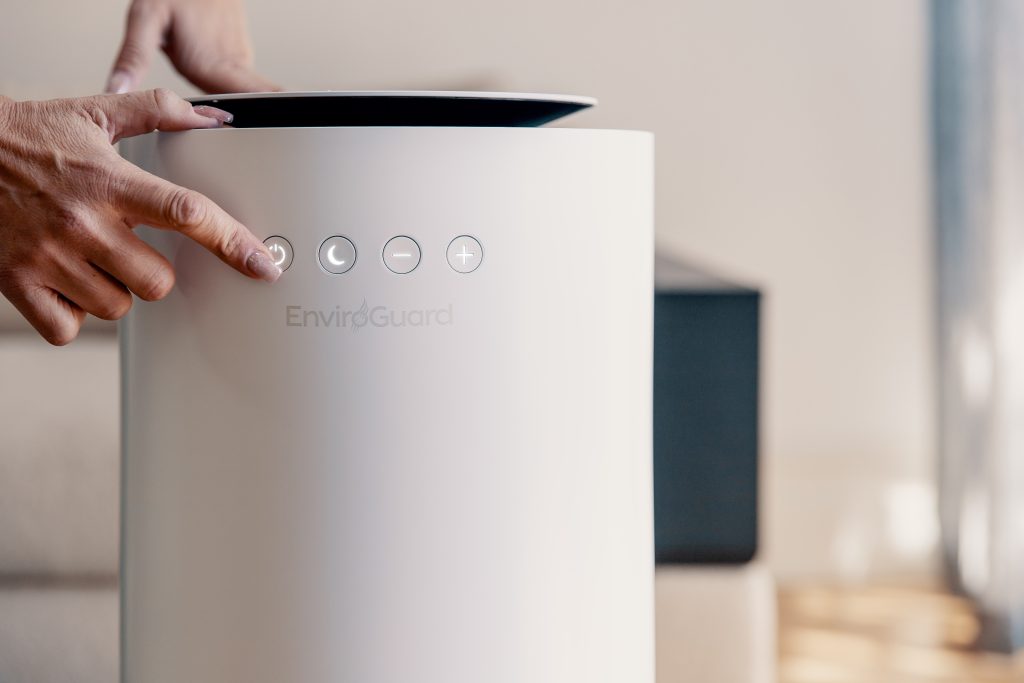
To effortlessly implement this ultimate level of whole-home environmental care, the EnviroGuard Pro™ X provides a clinically proven, all-in-one solution. Moving far beyond traditional passive filtration, it employs a scientifically validated Active Approach that integrates a medical-grade PrimeProtect™ Filter with the proactive power of Purox™ Gel.
Rather than waiting for pollutants to pass through the machine, it actively disperses a 100% natural, 100% Ozone Free vapour throughout your room, initiating a direct Molecular Breakdown of lingering pet odours, VOCs, and bacteria—both in the air and embedded deep within porous surfaces. Elevate your indoor air management today and give your family and furry companions the permanently fresh, safe, and pure environment they deserve.
Frequently Asked Questions (FAQ)
1. Can vinegar permanently remove dog urine stains?
Not permanently for deep-set stains. Vinegar contains acetic acid, which converts ammonia into an odorless salt (ammonium acetate), but it cannot “break down” the uric acid crystals trapped in porous materials. When the air becomes humid, these crystals will emit odors again. You still need an enzymatic cleaner to completely destroy these crystals.
2. Is it safe to mop areas with dog pee using bleach?
Absolutely not. Pet urine contains ammonia. When bleach (Sodium Hypochlorite) mixes with ammonia, it triggers a chemical reaction that creates “chloramine gas.” This is a toxic gas that severely irritates the respiratory tract and lungs of both humans and pets. Furthermore, bleach increases the risk of chemical burns in a pet’s mouth if they lick the floor.
3. Is H2O2 vapor from VPO air purification technology safe for dogs and young children?
Highly safe. Hydrogen peroxide (H2O2) is a natural oxidizer. Once it reacts with airborne or surface contaminants, it naturally breaks down and decomposes into simply “water” and “oxygen,” leaving no toxic chemical residues harmful to the liver or respiratory system.
4. I’ve mopped the floors and washed the carpets, so why does my house still have a musty dog smell?
This is because contaminants aren’t just on the floor; they are spread across the “Dander Highway.” When dogs rub against walls, door frames, or sofas, they leave body oils and saliva behind. As these organic compounds react with oxygen in the air, a musty smell builds up over time. Solving this requires wiping down walls and furniture in conjunction with active air purification to continuously eliminate VOCs and airborne microbes.
References
- American Kennel Club (AKC). “Dog-Safe Cleaning Solutions You Can Mix At Home.”
- Sheets Laundry Club. “Banish Stains Naturally: A Guide to a Homemade Cleaning Spray for Pet Stains & Odors.”
- Tequesta Veterinary Clinic. “How to Get Rid of Pet Odor Naturally: Effective Home Remedies.”
- Topaz Veterinary Clinic. “How to Remove Pet Odor from Your Home: 10 Proven Methods.”