Dealing with Vape and E-Cigarette mist odours in bedrooms, gaming rooms, home offices, and enclosed lounges can feel like an unresolved battle: the scent lingers, the air feels heavy, and you’re left wondering how to restore a fresh, distraction-free space. As an expert, I understand the frustration and will outline practical, effective steps to minimise odours while keeping comfort and privacy intact.
Many people rely on superficial fixes when faced with this issue, which often results in the sheer frustration of putting up with A thick, artificially sweet or fruity haze that coats windows with a greasy film and leaves a cloying smell that overstays its welcome. time and time again. This guide delves into the scientific root causes and the most effective ways to treat the problem at its source.
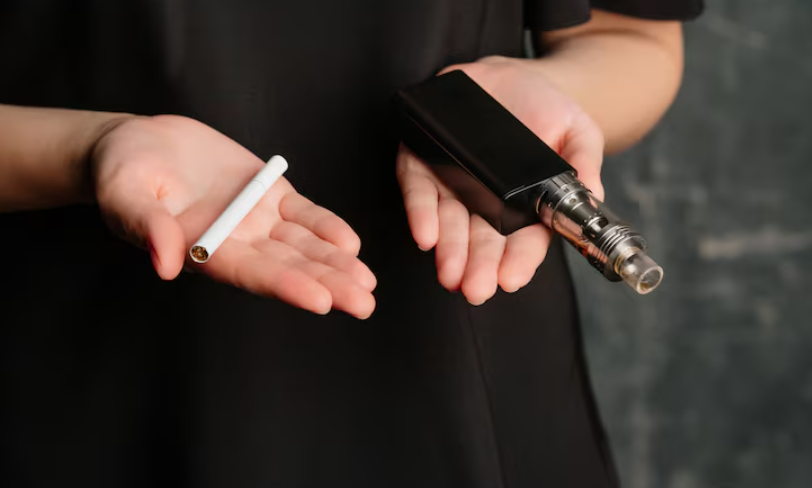
Vape and e‑cigarette mist odours are a frequently reported indoor air quality issue, with recent surveys and studies indicating that airborne particulates and volatile compounds from vaping can linger in enclosed home spaces such as bedrooms, gaming rooms, home offices, and enclosed lounges, contributing detectable odours even after vaping activity ceases. General indoor air quality research shows that odour persistence and pollutant concentrations are strongly influenced by ventilation, room size, and surface deposition, making these common living areas particularly susceptible to lingering vape-related odours in typical UK homes.
Indoor environments can harbour odours and microbial activity that are linked to occupant comfort and health, with reputable bodies noting that indoor air quality is influenced by ventilation, moisture control, and contaminant sources.
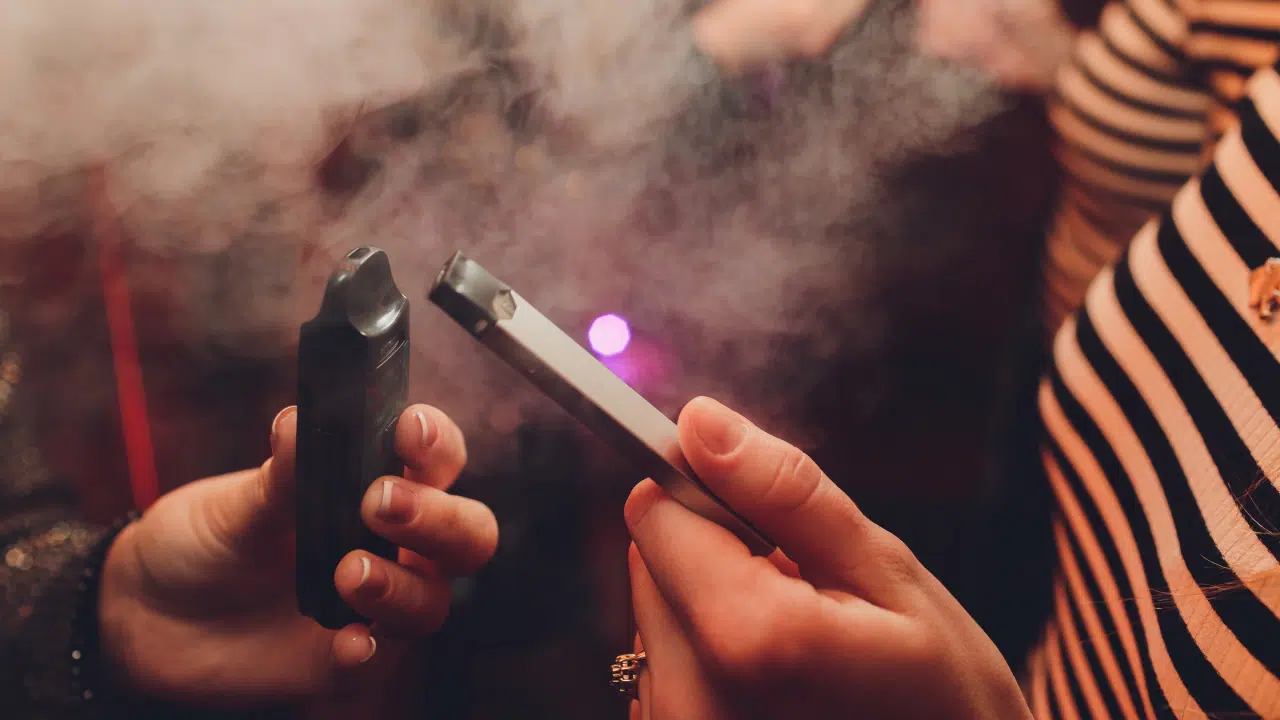
E-cigarette mist odours issues occurring in Bedrooms, gaming rooms, home offices, and enclosed lounges are often more complex than they appear. Scientifically speaking, Vaporizers produce an aerosol, not a smoke. This mist contains propylene glycol and vegetable glycerin, heavy humectants that bind with moisture and quickly coat indoor surfaces with a sticky, scented film.
E-Cigarette mist odours can persist because aerosol particles from vaping settle onto porous materials such as fabrics, foam, carpets, and wall surfaces. The condensed residues which may contain compounds like propylene glycol, glycerol, flavourings, and nicotine can accumulate within these materials over time. In damp or poorly ventilated environments, these residues may also support microbial growth, where bacteria and mould metabolise the deposited organic compounds and produce secondary odour molecules. As a result, the smell may gradually re-emerge from the material itself rather than remaining only in the circulating air, even after the visible vapour has dissipated.
Overall note
– The perceived odour of vape mist is a function of solvent base (PG/VG ratio), the specific synthetic flavouring chemistry, heating temperature/power, and the physical properties of the emitted aerosol, which together determine the volatility, odour intensity, persistence, and descriptor quality of the odour profile.
For a broader overview of solutions, explore our professional odour neutralisation guide.
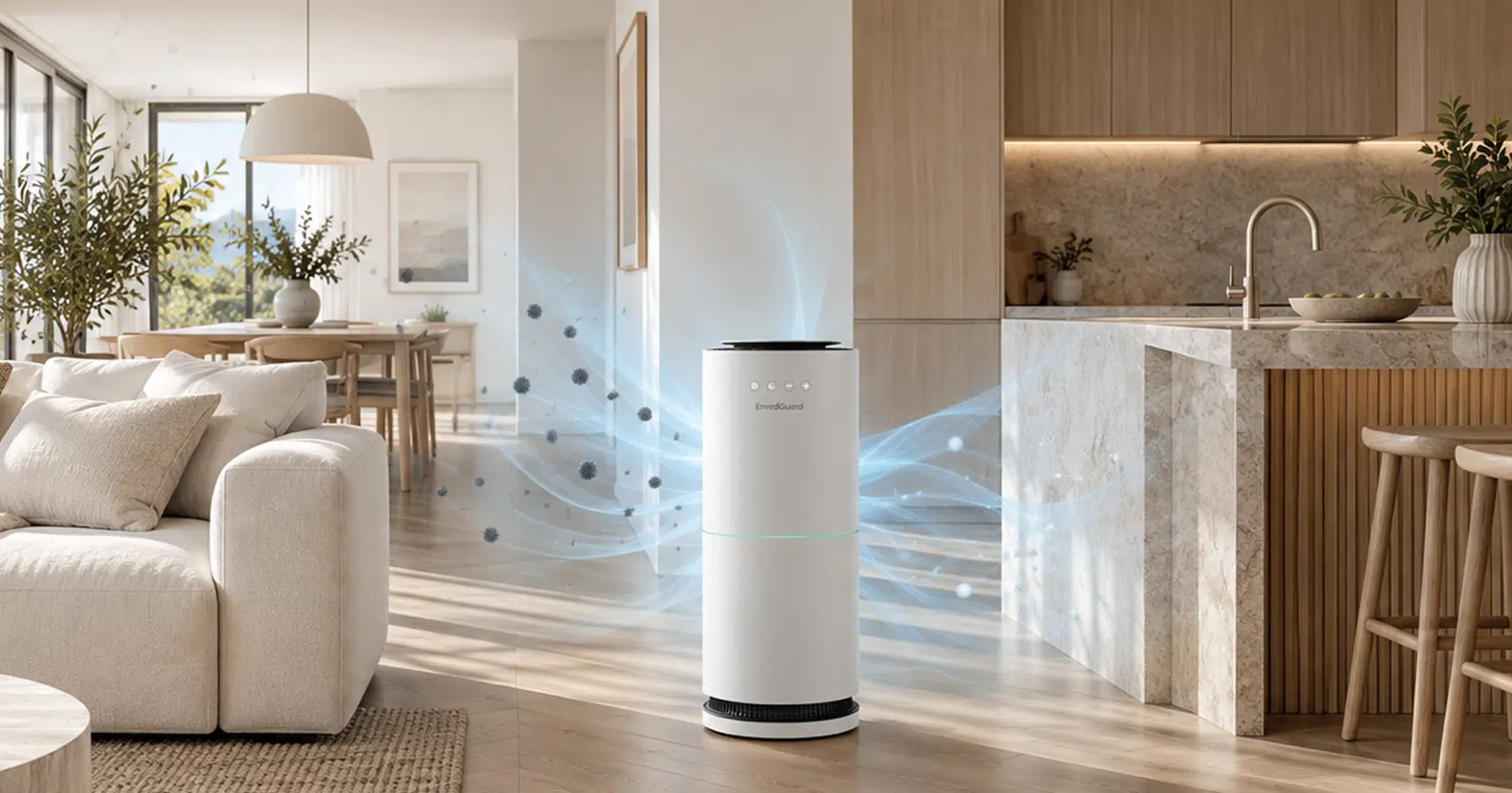
Air purifiers can help manage vape and e‑cigarette mist odours by capturing, filtering, and neutralising the tiny particles and volatile compounds released when vapour is exhaled. High‑efficiency filtration captures fine particles, while activated carbon or specialised media adsorb odour‑producing molecules such as volatile organic compounds (VOCs) and flavourants. Some devices incorporate additional technologies, like photocatalytic oxidation or ionisation, to further reduce odour intensity and improve indoor air quality. Regular maintenance, including timely filter replacement, is important to maintain effectiveness.
In more advanced air treatment approaches, active vapour systems have been developed to target odours at their source. One example is Purox™ Gel technology, which combines gel formulations with active vapour delivery to help neutralise odour molecules more persistently in the space. Such systems aim to complement traditional filtration by applying a controlled odour‑neutralising action, potentially extending the period between filter changes.
When considering these options, it is prudent to assess room size, ventilation, and any sensitivities to fragrances or chemicals, and to use these technologies as part of an overall strategy for maintaining a comfortable indoor environment.
The Challenge: E-cigarette mist odours is issue in this environment is dealing with A thick, artificially sweet or fruity haze that coats windows with a greasy film and leaves a cloying smell that overstays its welcome., which can negatively affect comfort and perceived cleanliness.
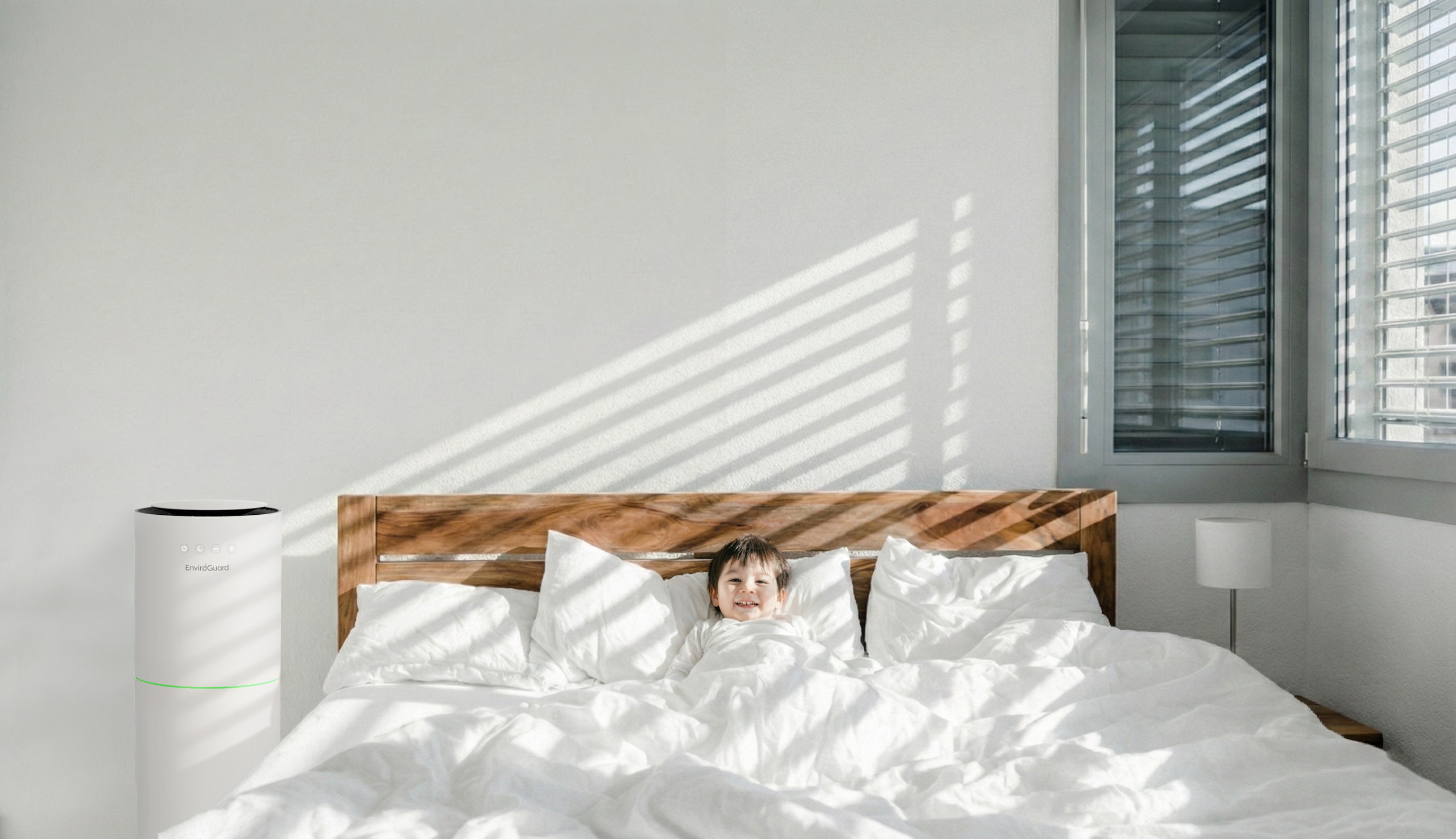
In a bid to improve indoor air quality, a homeowner installed an active vapour air treatment system across bedrooms, gaming rooms, home offices, and enclosed lounges, targeting persistent Vape & E-Cigarette mist odours with continuous vapour-neutralising cycles. The result was a measurable reduction in odour intensity and improved sleep and comfort for residents and visitors, delivering a noticeable environmental uplift and relief from lingering vaping aromas.
Effectively managing Vape & E-Cigarette Mist Odours requires understanding the chemical and biological mechanisms behind odours. Combining improved ventilation, surface hygiene, and advanced air treatment strategies can significantly improve indoor air quality and restore freshness to living spaces.
If you’re looking to understand how indoor air quality can be improved beyond the basics, exploring advanced solutions may offer additional reassurance. For environments where moisture, odour, or volatile compounds are a concern, considering options that actively manage vapour and contaminants—posed in collaboration with a trusted adviser—could be a sensible next step. It’s worth weighing practical gains, cost implications, and long-term comfort to see if these approaches align with your space and priorities.
Experience the next level of indoor air management with the EnviroGuard PRO™ X
1) What causes vape and E-cigarette mist odours to linger in a room?
Causes include residual condensate from vapour deposits on surfaces, fabric fibres absorbing odour compounds, and poor ventilation that traps the odour indoors.
2) How long do vape aerosol odours typically last after vaping?
Odours usually dissipate within minutes to a few hours, depending on ventilation, room size, and the amount of vapour used.
3) What steps remove vape mist odours from a room effectively?
Open windows for ventilation, use fans to circulate air, wipe hard surfaces, wash fabrics if possible, and consider odour absorbers like baking soda or activated charcoal.
4) Can air purifiers help reduce vape odours, and how?
Yes. Air purifiers with HEPA and activated carbon filters can reduce odour particles and volatile organic compounds in the air, speeding up removal.
5) Are there quick DIY remedies to neutralise vape odour in a room?
Yes: ventilate the space, place bowls of baking soda or white vinegar around the room, and lightly simmer lemon peels or cinnamon to mask the scent (avoid strong fragrances that may irritate some users).
Improving indoor air quality often involves managing several different odour sources throughout the home. If you are dealing with similar issues, you may also find our guide on How to Eliminate Third-Hand Smoke Residue Indoors.
Connect with Us Join our community on Facebook for more advice on maintaining a healthy home: VBreathe Safe
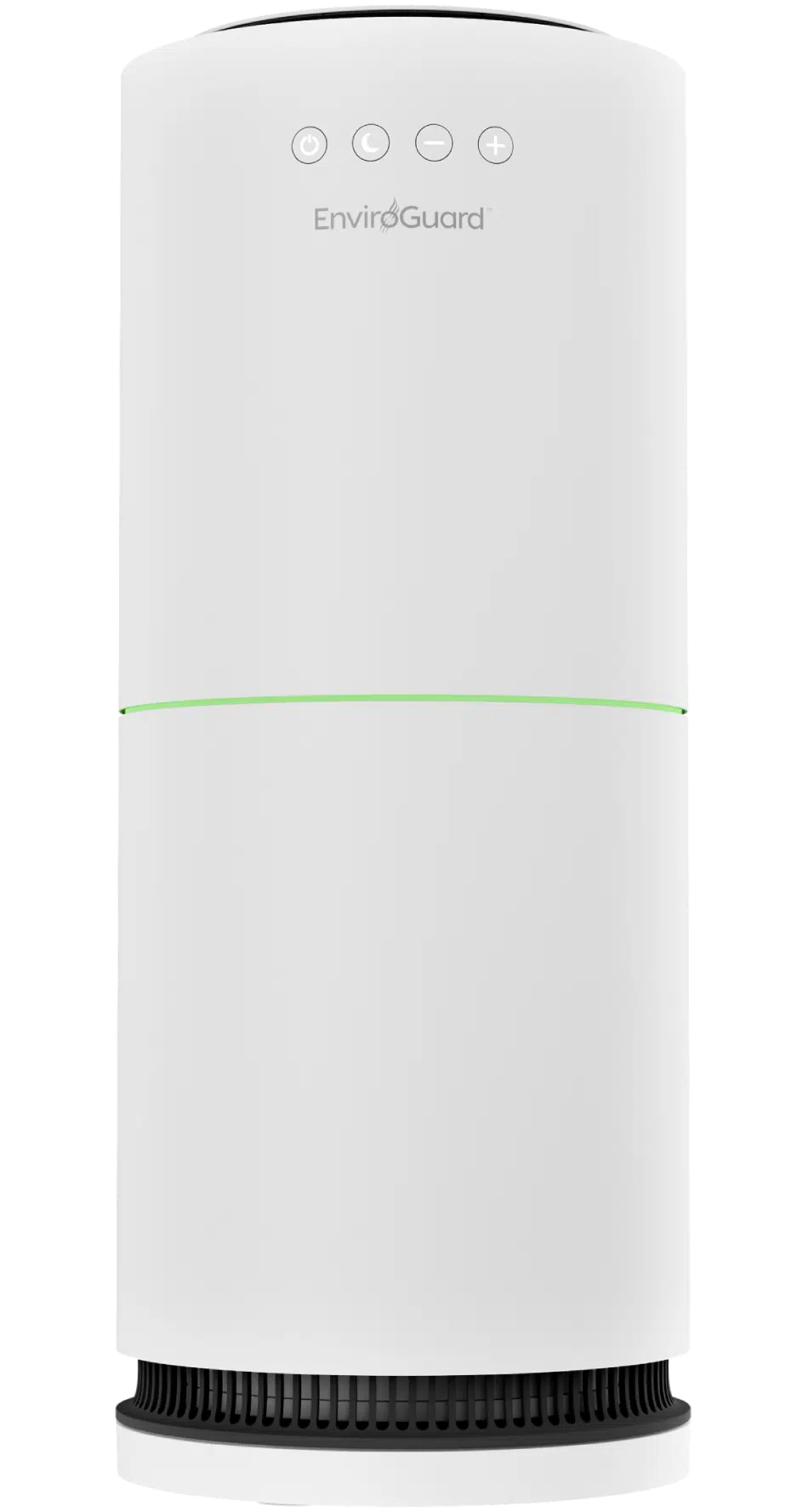
Upgrade to the innovative EnviroGuard PRO™ X today for only $790 (Was $1,590). Claim your $800 saving now and breathe cleaner, healthier air tomorrow.