Pet Allergies are widely misunderstood — most people assume that sneezing, itchy eyes, or skin rashes around dogs and cats are caused by fur. Scientifically, however, the true culprit is a microscopic protein hiding in skin flakes (dander), saliva, and urine.
These proteins are highly sticky and far smaller than ordinary dust particles, meaning they can remain airborne for hours and cling tenaciously to furniture and clothing. This widespread misconception leads many pet owners to address the wrong problem — or, worse, to part ways with beloved animals unnecessarily.
This article serves as a practical guide for anyone who suffers from allergies but still wants to keep pets happily. We cover everything from the science of allergens and how to distinguish pet allergy symptoms from a common cold, to diagnostic methods and targeted treatments. The centrepiece is the “Weekend Allergy Detox Deep Clean Schedule” — an actionable home-environment plan designed to reduce allergen levels effectively, so you can live safely alongside your pets.
Why We’re Allergic to Pets
When an allergic reaction strikes, most people blame pet fur. The science, however, points clearly to specific proteins the animal’s body produces — proteins found in skin flakes or dander, saliva, and urine.
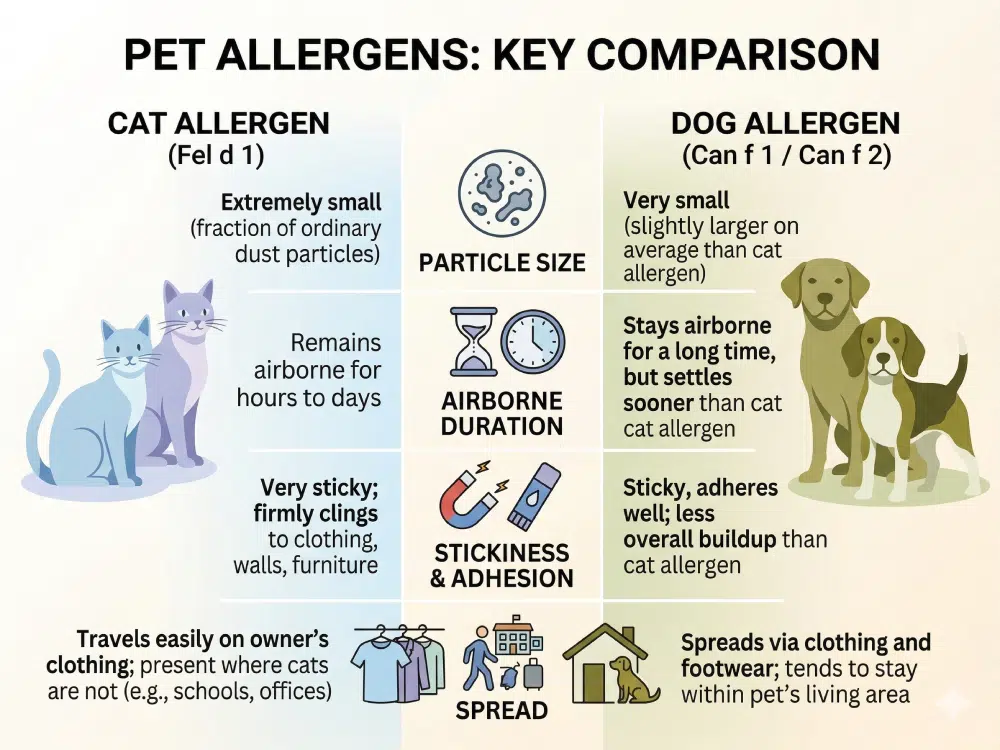
For cats, the primary protein that triggers our immune system is Fel d 1; for dogs, it is Can f 1 and Can f 2. When a pet grooms itself by licking its coat, these salivary proteins coat the fur and skin. Once the saliva dries, the proteins break apart into microscopic flakes and disperse into the air. The table below illustrates why pet allergens are so difficult to eliminate.
Allergen Properties Comparison: Cats vs Dogs
Are Hypoallergenic Dog or Cat Breeds Real?
We often hear claims about “hypoallergenic” breeds, which misleads many people into adopting animals with false confidence. The American College of Allergy, Asthma and Immunology (ACAAI) confirms that no dog or cat breed in the world is 100% hypoallergenic. Every animal — regardless of breed, or even hairless varieties such as the Sphynx cat — still produces allergy-triggering proteins through its saliva and skin flakes.
The Difference Between “Low-Shedding” and “Low-Allergen”
People often confuse low-shedding with non-allergenic. They are not the same thing.
- Low-shedding breeds (e.g., Poodle, Schnauzer): These breeds drop less fur onto floors, so the proteins coating the hair disperse less throughout the home and cleaning becomes easier. The animal still produces dander and saliva normally, however.
- Low-allergen animals: In theory, certain individual animals may naturally produce lower amounts of Fel d 1 or Can f 1 than others. Even so, that reduced quantity remains sufficient to trigger reactions in sensitive individuals.
Choosing a low-shedding breed may therefore reduce the volume of allergens in the home to some degree, but it cannot prevent allergic reactions altogether.
Symptoms and Identification (Symptom Checklist)
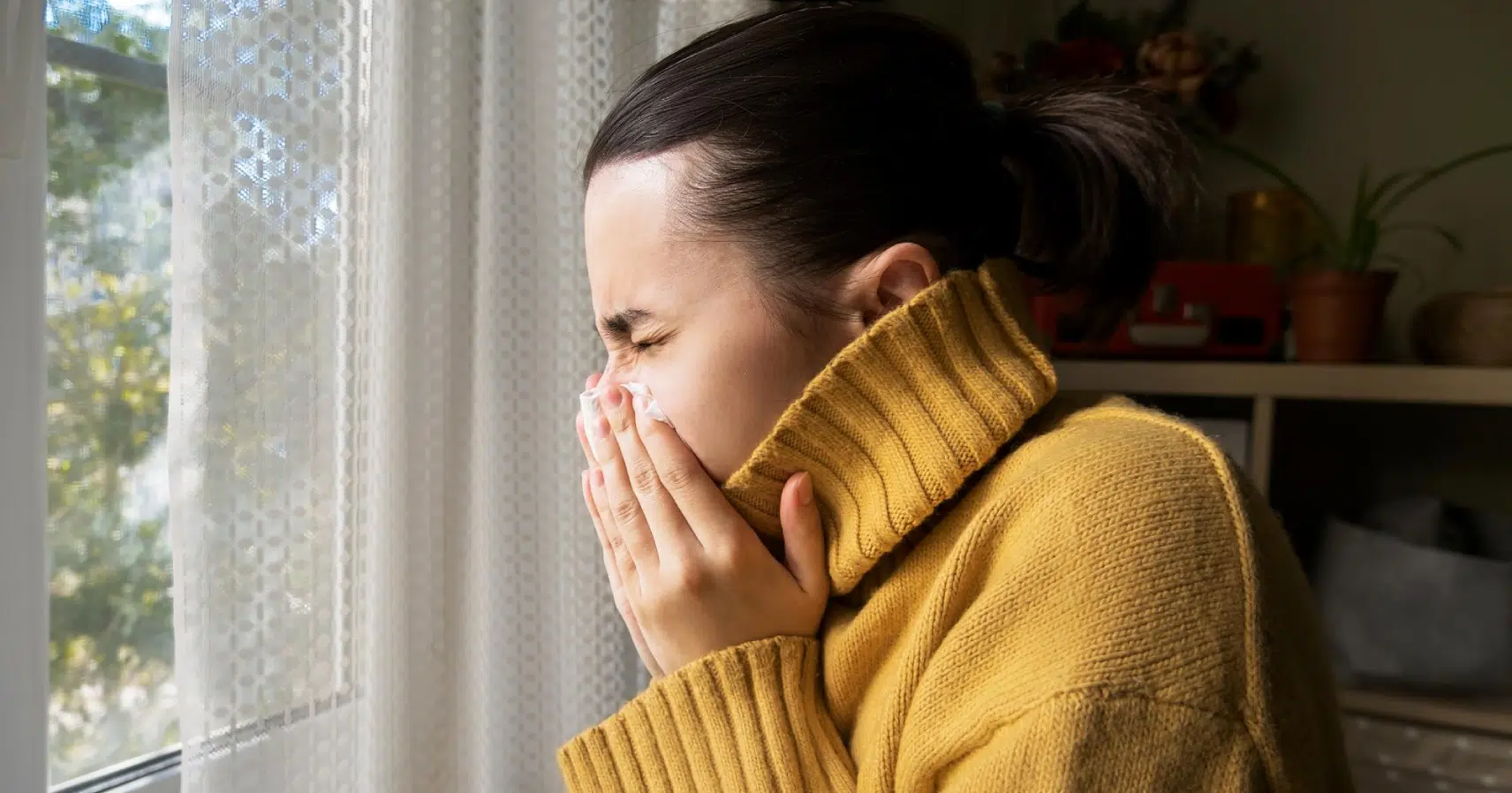
The body starts sending warning signals when a pet allergy takes hold. Some people sneeze in rapid succession, develop itchy, watering eyes, or notice red welts the moment a pet licks their hand. These reactions reflect the immune system attempting to expel allergen proteins. The severity and pattern vary considerably between individuals; the main symptom groups below will help you assess your own situation.
Respiratory Symptoms (typically triggered by inhaling airborne dander)
- Frequent sneezing, nasal congestion, or a continuous clear, watery nasal discharge
- Itching or irritation inside the nasal passages, throat, and roof of the mouth
- Dry cough, shortness of breath, chest tightness, or wheezing — particularly in those with asthma
Skin and Eye Symptoms (typically triggered by direct contact, such as holding a pet or being licked)
- Itchy, red eyes, conjunctivitis, or uncontrollable tearing
- Redness, hives, or raised, itchy welts (allergic contact dermatitis) wherever the pet has licked or scratched the skin
- Redness and irritation of the face, neck, or chest after close contact with a pet
Checklist: “Pet Allergy” or “Just a Cold”?
Sneezing and a blocked nose often leave people wondering whether they have caught a cold or are reacting to a pet at home. The comparison table below will help you distinguish between the two.
Symptom Comparison: Pet Allergy vs Common Cold
If the table suggests your symptoms align with a pet allergy, self-assessment is only the first step — consider consulting a specialist for a definitive diagnosis.
Expert Insights & Diagnosis
Once your initial self-assessment points towards a pet allergy, rushing to reorganise the house or deep-clean everything is not always the right first move. Dr Nguyen of McGovern Allergy Clinic stresses a key principle: anyone who suspects a pet allergy should first undergo skin testing to confirm whether the body is genuinely reacting to animal dander and proteins — before embarking on any home-management plan or separating from their pet.
The greatest value of a proper diagnosis lies in accurately identifying “hidden allergens” that are unrelated to the pet itself. When a dog or cat ventures outdoors and returns home, it may carry pollen, fungal spores, or dust mites on its coat. If you then cuddle the animal and experience a reaction, you may actually be reacting to those external particles rather than the pet’s own proteins. Knowing the precise cause allows you to target the risk accurately.
Diagnostic Procedures Worth Knowing
Many people feel anxious at the prospect of seeing a doctor, but allergy testing is quick, straightforward, and very safe. A specialist typically evaluates the patient and chooses between two main approaches:
- Skin-prick test: The most popular and fastest method. The doctor places small drops of various allergen extracts (e.g., cat dander, dog dander, dust mites) onto the forearm or back, then lightly pricks the skin with a fine instrument to allow each extract to penetrate. If you react to a particular allergen, a raised, itchy red wheal similar to a mosquito bite appears at that spot. Results are available within 15–20 minutes.
- Serum-based allergy (blood) test: For patients with severe dermatitis or those currently taking antihistamines that would interfere with a skin-prick test, the doctor will recommend a blood draw instead. The laboratory then measures the level of IgE antibodies the body has produced against each allergen. Although results take approximately one to two weeks, this method offers high accuracy and carries no risk to the patient.
Treatment Options
Modern medicine offers several approaches to help people live more comfortably alongside their pets. Short-term relief comes from medications such as antihistamines, nasal sprays, or eye drops, all of which quickly ease everyday sneezing and congestion. (Always consult a doctor or pharmacist before starting any medication.) For those with severe symptoms who want a long-term solution, specialists often recommend immunotherapy (allergy vaccine therapy), which involves administering gradually increasing doses of the allergen to retrain the immune system. Over time, this builds tolerance and substantially reduces symptoms without the need for lifelong medication.
Note: all treatment must be supervised by a qualified medical professional.
Environment Management and Cleaning Strategies
We spend roughly one-third of our lives asleep, which is why Dr. Nguyen emphasises the importance of designating the bedroom as a strict pet-free zone — keeping the door closed at all times so that pets cannot deposit dander on bedding.
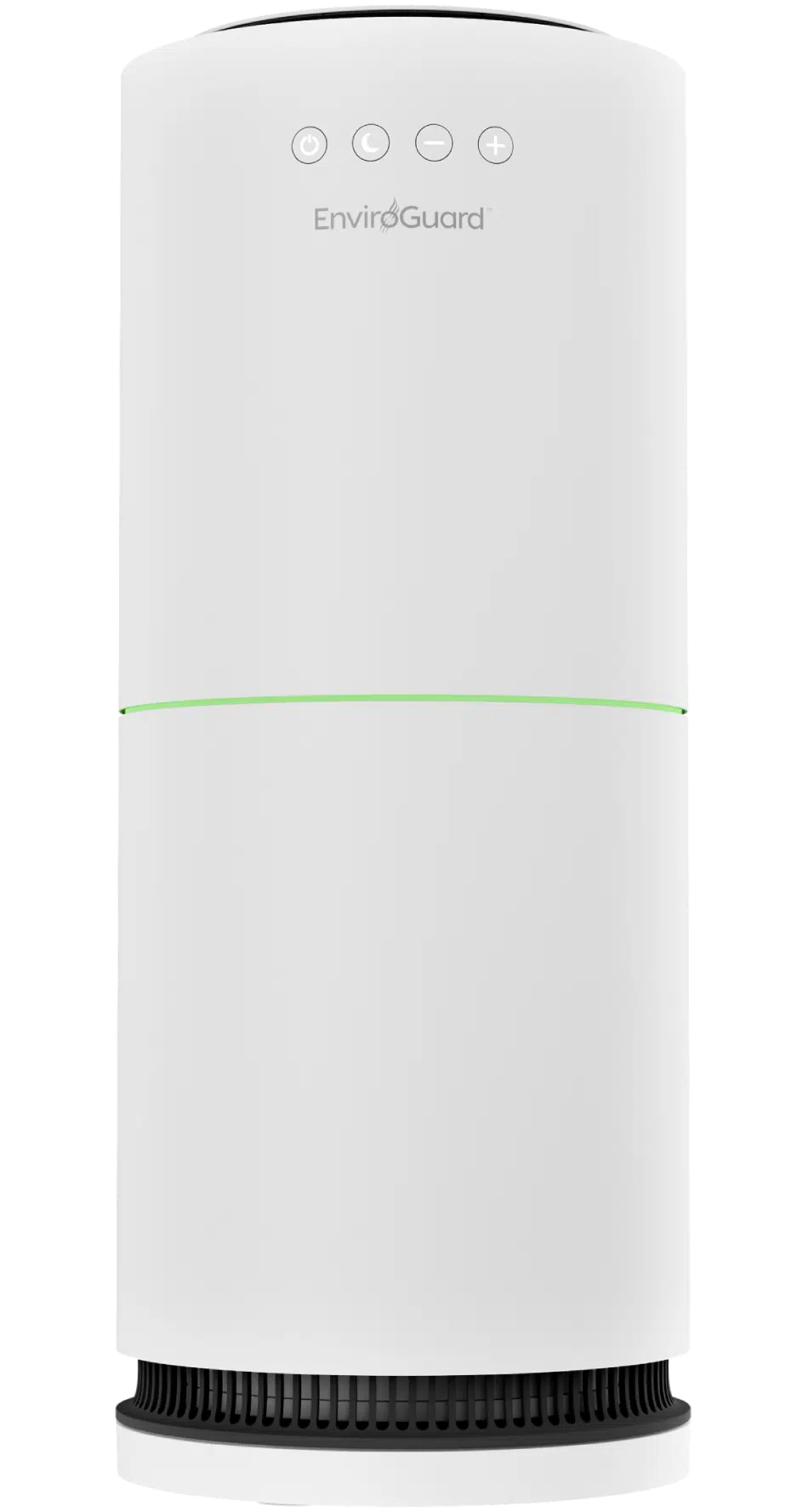
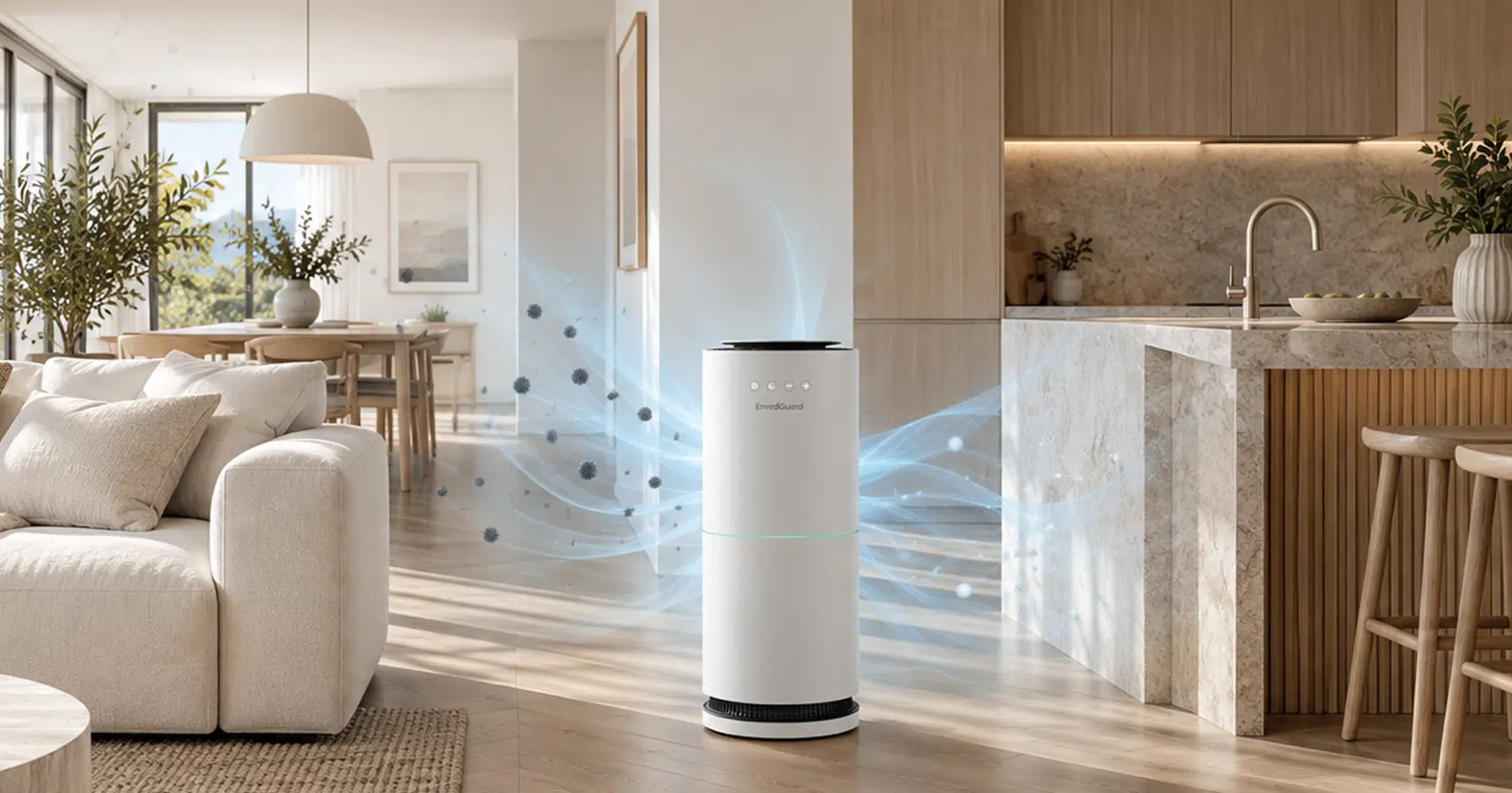
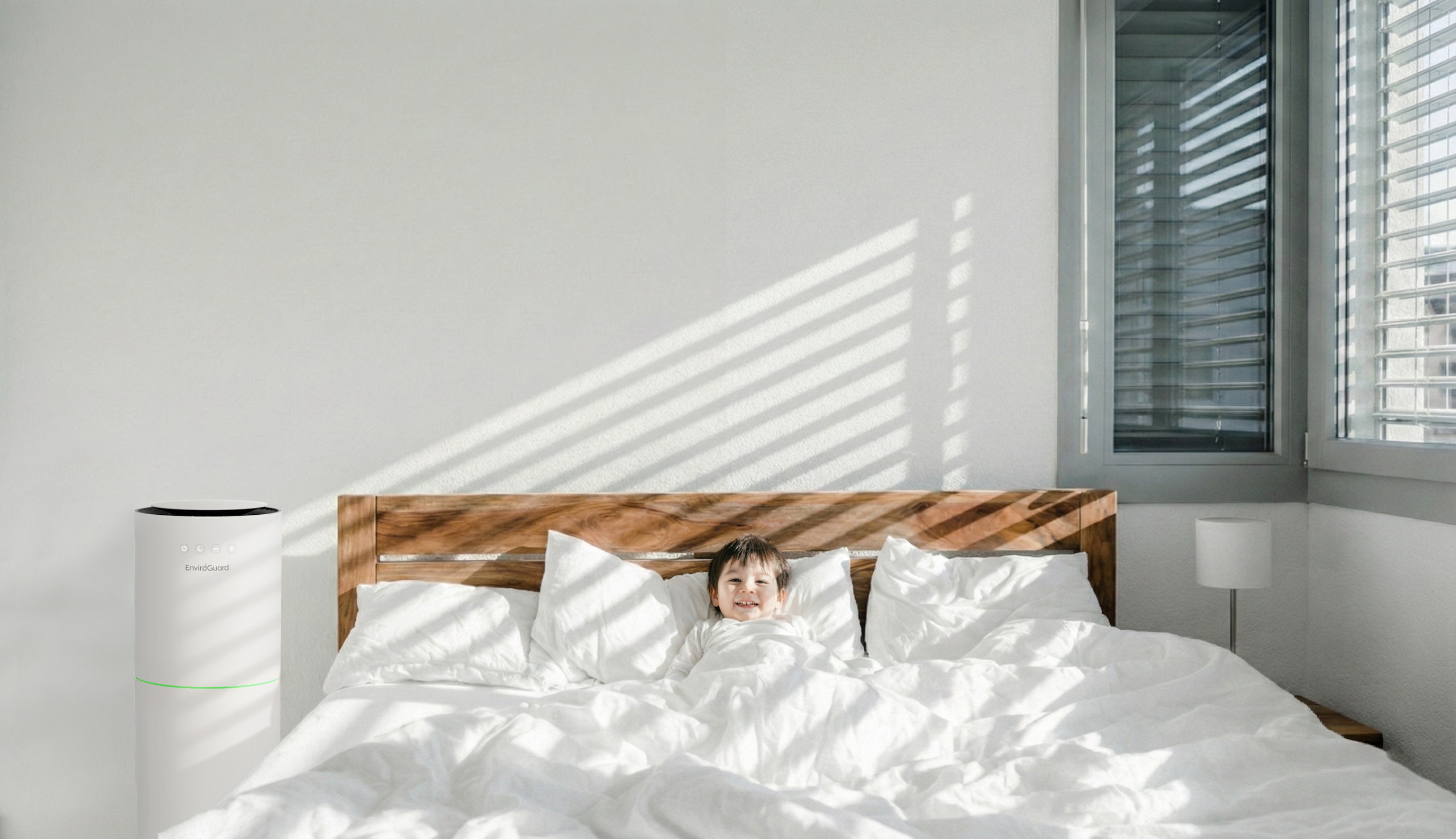
It is also worth considering an air purifier for pet allergies with Active Air Purification technology, which outperforms conventional purifiers by capturing and breaking down the protein structure of airborne dander, neutralising allergen molecules before they reach the respiratory system.
Weekend Allergy Detox Deep Clean Schedule
At weekends — when allergens have accumulated throughout the week — cleaning efforts should focus on a thorough deep clean to reset the home environment. The schedule below targets the hidden hotspots that allergy sufferers most commonly overlook.
Adjusting Owner Behaviour
Beyond cleaning the home, a few small personal habit changes can meaningfully reduce allergy severity. The most important habit to build is washing hands with soap after every close interaction with a pet. Equally important is avoiding burying your face into the animal, kissing it, or allowing it to lick your face directly — this prevents salivary proteins and dander from contacting the mucous membranes of the eyes or being inhaled through the nose.
What Is the Most Effective Way to Eliminate Pet Allergens at Home?
Drawing on scientific evidence and expert guidance, the most effective approach is not any single action but rather a multimodal strategy built on three core pillars:
- Air quality control (the gold standard): An air purifier with Active Air Purification technology delivers the best results in capturing and neutralising microscopic airborne proteins — the primary driver of respiratory allergic reactions — targeting both airborne particles and surface deposits.
- Surface management: Washing bedding, curtains, and any fabric the pet contacts in water at 60 °C is the only method that reliably denatures stubborn proteins such as Fel d 1, achieving more thorough results than washing at lower temperatures or using a standard vacuum alone.
- Creating a clean zone: Designating the bedroom as a 100% pet-free space is the single most effective strategy for reducing total allergen exposure time, giving the immune system the opportunity to rest and recover during sleep.
Closing Thoughts
Having allergies does not have to mean saying goodbye to a beloved pet. The key lies in understanding the root cause and managing it systematically — from accurate specialist diagnosis through to the proactive use of technology and a structured cleaning routine that keeps allergen levels within a tolerable range. Once you strike that balance between safeguarding your health and giving your pet the care it deserves, a happy and sustainable life together becomes entirely achievable.
For anyone seeking a professional-grade solution that meets indoor air quality safety standards, VBreathe EnviroGuard PRO™ X is a compelling choice. Its Active Air Purification system surpasses conventional purifiers and meets the ANSI IICRC S520 standard. The Purox™ Gel technology releases a vapour that mimics the action of natural free radicals — similar to the way sunlight destroys pathogens outdoors — dispersing through the room to eliminate allergy-triggering proteins, bacteria, and mould at 99.9% efficacy, both in the air and on contact surfaces. Critically, its food-grade, ozone-free, and chemical-free formulation ensures that the hospital-grade clean air it delivers remains safe for children, infants, and the pets you love.