Dealing with mould in high-humidity homes is not just about frustrating musty odours or unsightly stains on walls; it is a significant challenge to the occupants’ well-being. Mould can grow on virtually any organic material given adequate moisture and oxygen, particularly when your home’s relative humidity exceeds 60%. Even more concerning are the microscopic spores, measuring a mere 1 to 5 microns, floating in the air. These can remain suspended for extended periods and easily penetrate the respiratory system. The continuous inhalation of these spores is directly linked to allergic reactions, skin irritation, and can even trigger asthma.
Although many households opt for standard air purifiers, a common misconception is believing that standard filtration systems can completely eradicate mould. In reality, systems relying solely on HEPA filters only “trap” spores on the surface of the filter medium. If moisture accumulates within the filter, those spores can continue to grow, turning the unit itself into a new breeding ground for mould.
This article aims to provide in-depth insights into the most effective air management innovations for eliminating mould spores. We will analyse the differences between traditional air filtration and modern technology operating as a Whole-Room Solution, which focuses on tackling the root cause at the molecular level. This guide empowers readers—especially those living in highly humid areas constantly battling mould—to choose a clinically tested solution offering maximum safety.
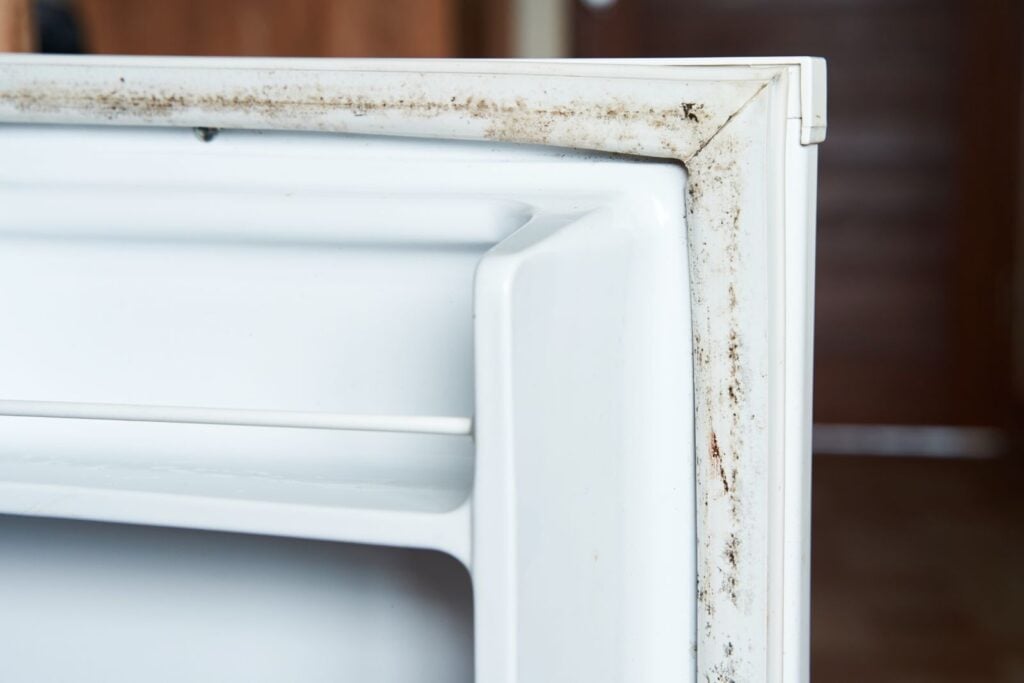
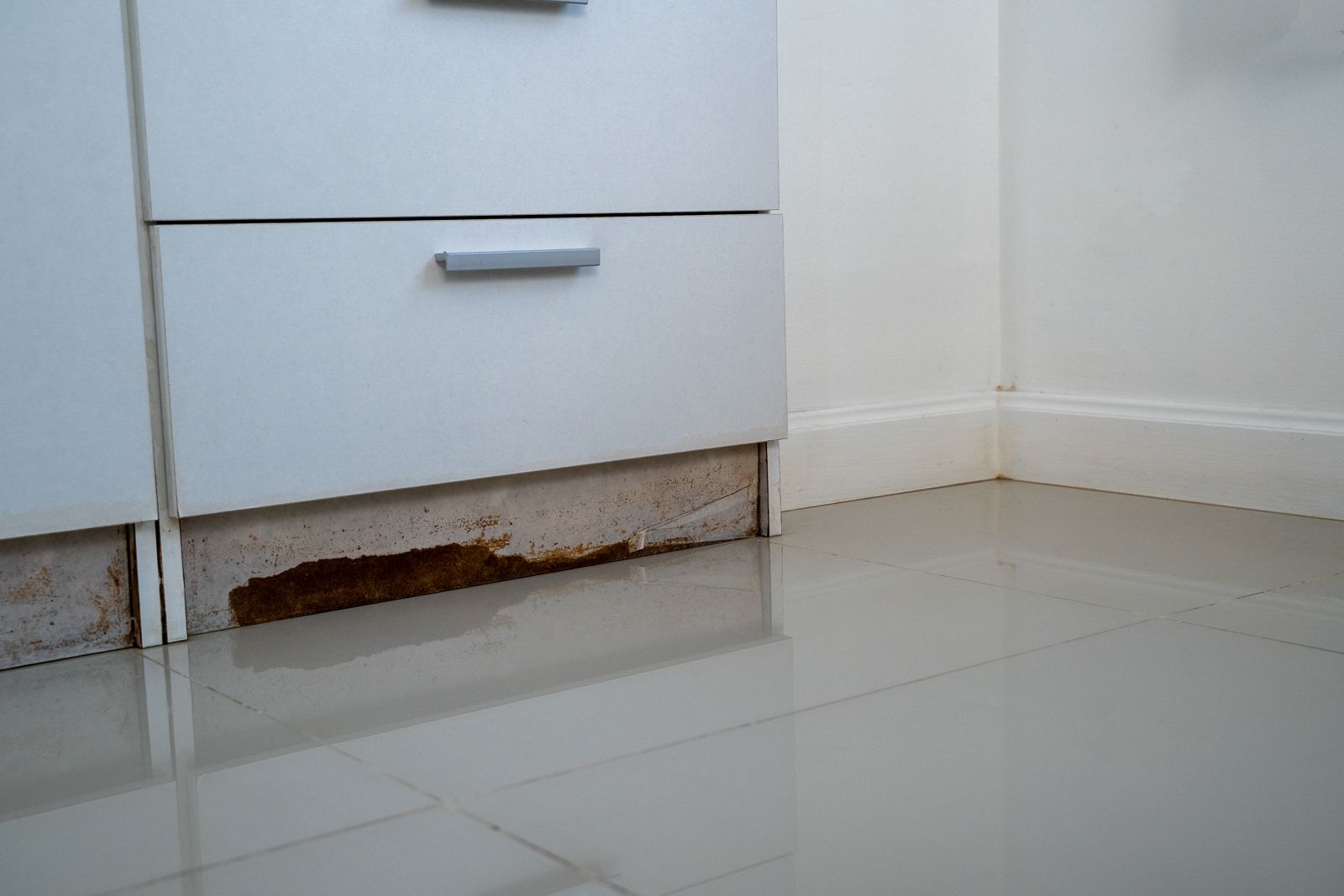
Mould requires only moisture and oxygen to thrive. If your home has a relative humidity level above 60%, it creates a critical environment that allows mould to multiply rapidly. Admittedly, moisture problems are difficult to resolve because events as simple as rain, indoor water leaks, or condensation on surfaces can trigger mould growth. Health authorities specify that the ideal indoor humidity level should be maintained between 30% and 50% to inhibit the mould life cycle.
To comprehend this invisible danger, one must understand that most mould spores are incredibly fine, measuring just 1-5 microns. Thanks to this microscopic size, they can remain suspended in indoor air currents for long periods. The danger arises when these airborne spores are inhaled deeply into the respiratory tract. Our bodies detect these spores as foreign invaders , causing an overly sensitive immune system response that manifests as a mould allergy.
Furthermore, when airborne spores land on surfaces with favourable moisture and temperature conditions, they begin to multiply, establish roots, and release massive numbers of new spores back into the air, repeating this endless cycle continuously.
Mould can flourish virtually anywhere within a home if the conditions are right, particularly in areas with excessive dampness and poor air circulation. The following are high-risk zones where mould problems are frequently encountered:
Mould spores can infiltrate and establish themselves in nearly every part of the home—especially in damp, poorly ventilated areas like closets or on clothing exposed to humidity. Recognising how pervasive these hidden contaminants are, many households turn to standard air purifiers as a solution. However, a critical question remains: can conventional technologies truly handle mould spores effectively in such challenging environments? This concern highlights their limitations and calls for a reassessment of how we manage indoor environmental systems.
While there is a vast array of air purifiers available on the market across various brands and models, effectively managing mould in humid homes demands performance that goes beyond basic dust filtration. Most current technologies face two major issues: the inability to truly destroy spores and the risk of generating secondary pollution.
Standard HEPA filters capture up to 99.97% of small particles, including mould spores in the 1–5 micron range. However, a critical issue often goes unnoticed: these spores are not destroyed—they remain viable on the filter surface. In highly humid home environments, organic filter materials become an excellent food source and habitat, enabling mould to grow and multiply inside the device. Without rigorous maintenance, the filter itself becomes a source of spore distribution.
UV-C germicidal lamp systems are often advertised as capable of killing pathogens. In reality, destroying thick-walled mould spores requires significant contact time and extremely high light intensity, which most domestic air purifiers cannot provide. Moreover, certain ionisers can generate ozone, a severe respiratory irritant. This gas may also react with airborne chemicals to form formaldehyde or dangerous fine particulates (PM2.5), which pose an even greater threat to the lungs.
To illustrate the differences more clearly, the table below compares the capabilities of standard air purifiers against an advanced environmental system.
| Feature | Standard HEPA Air Purifier | EnviroGuard Environmental System |
| Mould Management Mechanism | Trapping spores on the filter | Destroying spores at the molecular level |
| Operational Scope | Only processes air flowing through the device | Manages the entire space (Whole-Room Solution) |
| Risks in Humid Homes | Mould may grow on the filter | Inhibits growth using Active Vapour |
| Safety | May emit ozone (in some models) | 100% Ozone Free and clinically safe |
The comparison table clearly demonstrates that relying on traditional filtration is akin to taking a defensive stance, merely waiting for air to flow into the machine. This approach is often limited and insufficient for dealing with mould spores scattered throughout every corner of a room. To resolve this issue sustainably and precisely, we must rely on innovations that work proactively, managing pollutants a full 360 degrees. This leads us to technology specifically engineered for such challenging environments.
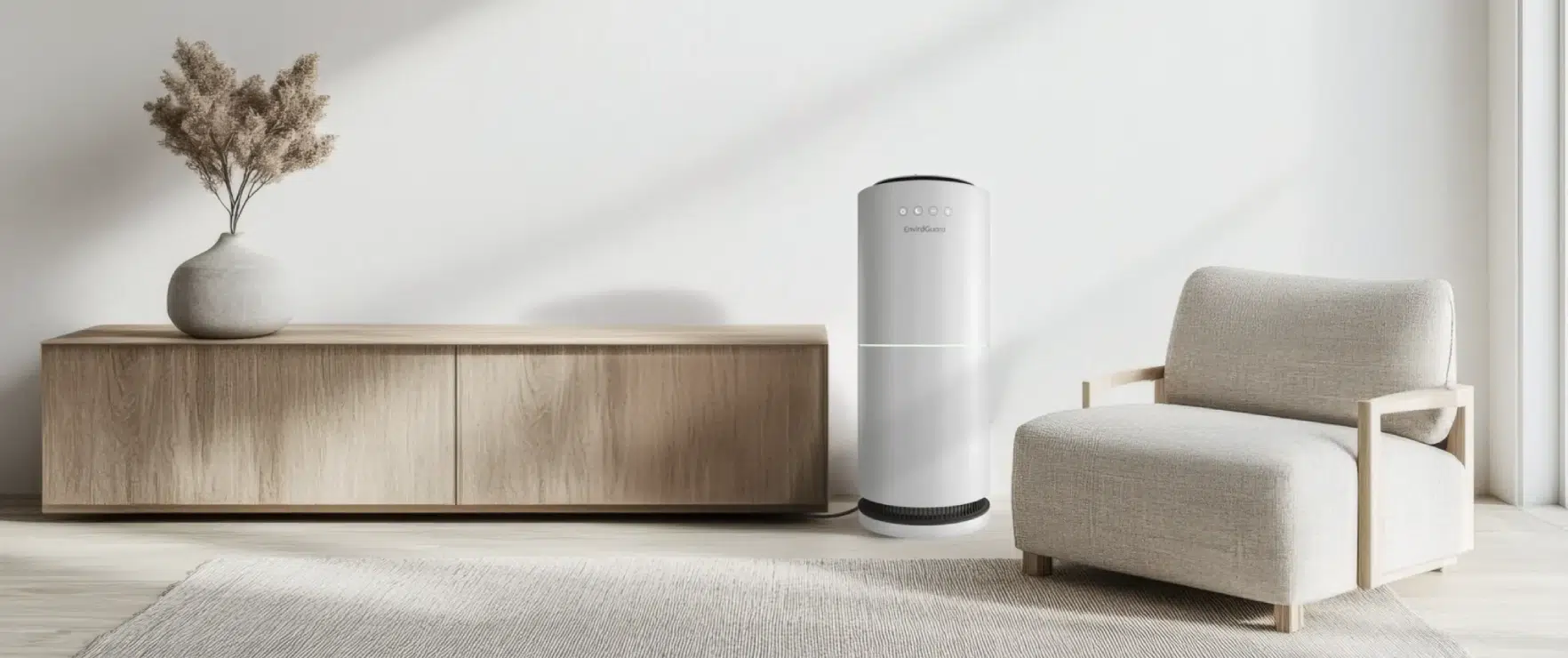
When a purely defensive approach falls short, EnviroGuard PRO™ X sets a new benchmark as a true Environmental System. Rather than functioning as a conventional air purifier, it actively operates as a whole-room solution—engineered to reach and protect every part of your space with comprehensive coverage.
The core of this exceptional performance lies in the Active Approach, which seamlessly integrates two powerful technologies:
This VPO process is engineered for direct Mid-air Neutralisation. This means it targets to neutralise, destroy, and eliminate mould spores, bacteria, and volatile organic compounds (VOCs) whilst they are still suspended in the air, without waiting for these pollutants to be drawn into the unit.
Safety is paramount (Safety First). This Environmental System is clinically tested to effectively halt the mould life cycle. It avoids the use of harmful synthetic chemicals and, most importantly, is a 100% Ozone Free system, ensuring true respiratory safety for both humans and pets.
A Case Study from Cairns, Australia, an area renowned for its extreme humidity, clearly demonstrates the potential of this technology.
In regions where relative humidity consistently exceeds 60%, the environment is primed for condensation, a primary factor allowing mould to grow and spread rapidly. Under such severe conditions, relying on traditional air purifiers is usually inadequate for handling dense concentrations of mould spores.
However, when the EnviroGuard PRO™ X was introduced into the test space, Vapour Phase Oxidation (VPO) technology proved its efficacy in protecting the indoor environment. As the system released Active Vapour (natural H₂O₂ molecules) into the air, these molecules continuously reached and eliminated airborne mould spores, regardless of which corner of the room they occupied.
Clinical results from real-world usage in Cairns confirm that the combined operation of the PrimeProtect™ Filter and Purox™ Gel significantly reduced airborne mould levels. Mould spores were destroyed mid-air, providing true protection for occupants even in environments most conducive to mould growth. (Read the full test results in the EnviroGuard-Cairns Case Study document).
Although the EnviroGuard PRO™ X technology serves as an exceptionally powerful Whole-Room Solution to decisively neutralise airborne mould spores, sustainable mould management from a scientific and public health perspective must always be paired with moisture source control.
For optimal health protection, a comprehensive moisture management strategy should be implemented as follows:
Tackling mould in highly humid homes can no longer rely solely on the traditional method of trapping spores on a filter. An engineered innovation like the EnviroGuard PRO™ X, which combines the power of Vapour Phase Oxidation (VPO) technology with the release of Nature’s molecule to destroy mould spores at the molecular level through Mid-air Neutralisation, provides a solution that addresses the problem at its root.
With clinically tested performance and a health-friendly 100% Ozone Free system, combining this technology with proper indoor moisture control will allow you to transform a home once at risk of mould issues into an environment of pure, safe air for the entire family sustainably.
Written by the EnviroGuard Clinical Engineering Team