

Table of Contents Share Copy Link Picture this: you’re watching an air purifier review on social media. The reviewer places the unit inside a glass box, pumps in a cloud of cigarette smoke or incense, then switches the machine on. Within seconds, the thick haze vanishes as if by magic.
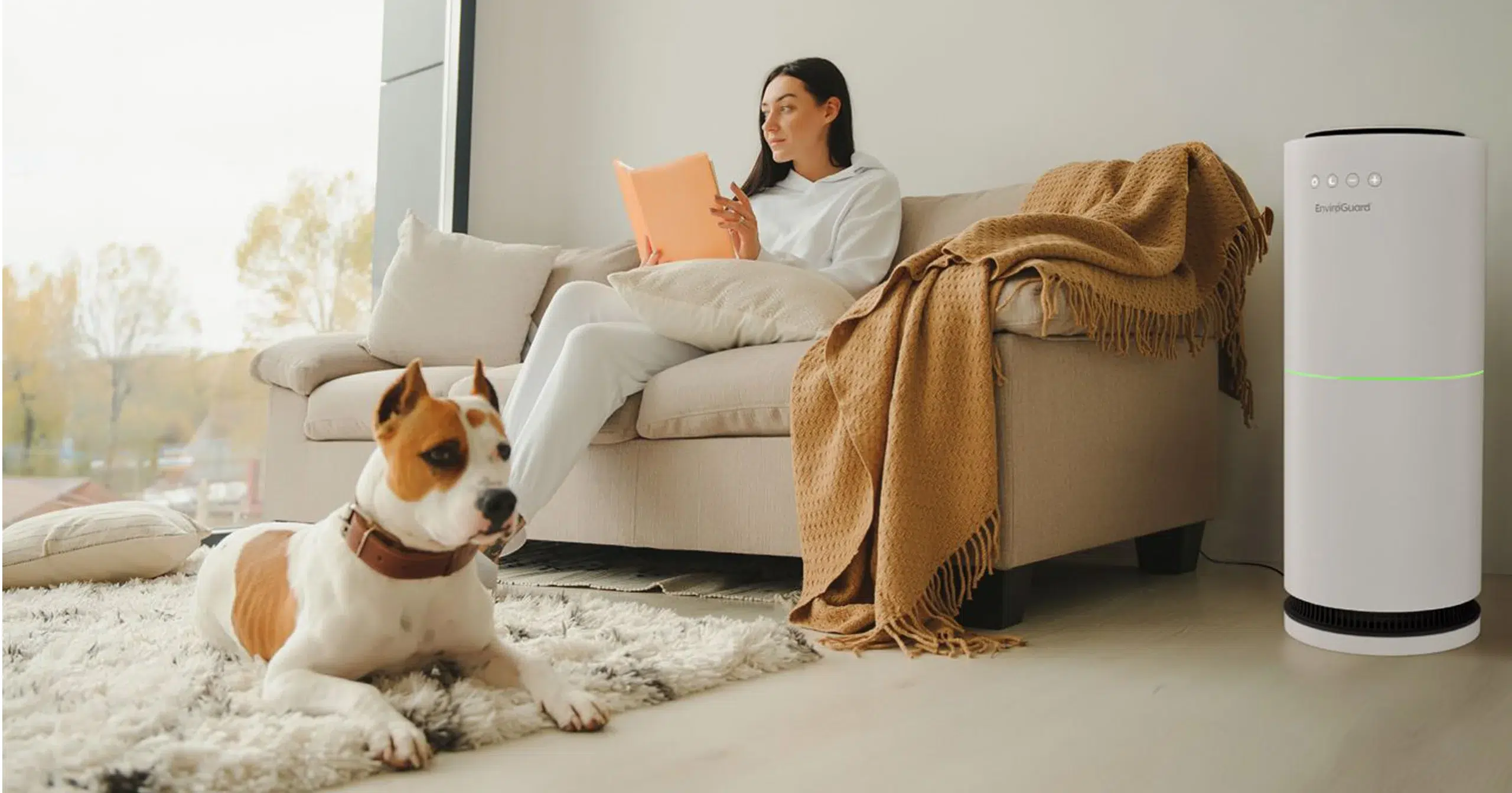
Picture this: you’re watching an air purifier review on social media. The reviewer places the unit inside a glass box, pumps in a cloud of cigarette smoke or incense, then switches the machine on. Within seconds, the thick haze vanishes as if by magic. It’s a striking, convincing image — one that almost has you reaching for the “Buy Now” button on the spot.
But if you pause for a moment, a couple of questions start to surface. “Can that little glass box really represent my bedroom?” And, more importantly, “Does the smoke disappearing mean the air in my home is truly safe from everything?”
The honest answer is: not quite.
To breathe truly safe air in a living space that can be tens of times larger than that test box, we need to look beyond the marketing imagery and understand a fundamental truth — the pollutants in your home air exist across multiple dimensions, and each dimension demands a different approach.
This guide introduces you to the “2 Core Pillars of Clean Air Management“, two complementary systems that work hand in hand to protect you from every form of indoor pollution, comprehensively and effectively.
One of the most common misconceptions when buying an air purifier is the belief that the “best” machine is simply the one with the single most powerful technology. In reality, truly clean air on all fronts cannot be achieved by one technology alone.
The reason is straightforward: indoor air pollution divides into two fundamentally different dimensions, each with its own nature and requiring its own method of control:
Pillar 1 — Physical Particulates: This covers pollution with a physical, material form — dust, PM 2.5, pollen, and pet hair. These are solid particles suspended in the air, and they are the primary trigger for allergic reactions at home. This is especially relevant in homes with pets such as dogs or cats, where fur and dander float through every corner of the house at all times.
Pillar 2 — Biological & Chemical Contaminants: This covers pollution that is invisible to the naked eye and far harder to detect — pathogens, viruses, bacteria, mould spores, and toxic gases or Volatile Organic Compounds (VOCs) that circulate through the air around you.
Both dimensions are equally important and require entirely different mechanisms to address. This article will walk you through both in depth, so you can make a genuinely informed decision when choosing an air purifier.
This is what most people think of first when they picture an air purifier — the machine’s ability to capture dust and airborne particles. The system works on purely physical principles: forcing air through a filter to trap particles. Crucially, the performance of this system can be measured against clear, verifiable standards.
The HEPA (High-Efficiency Particulate Air) filter is the heart of physical particulate management. A True HEPA filter is engineered to capture 99.97% of particles sized 0.3 microns and above, covering PM 2.5 dust, pollen, pet hair, and certain larger pathogens. For anyone who suffers from allergic reactions, a HEPA filter is an essential tool for reducing the airborne allergens that trigger symptoms — whether that’s seasonal pollen or the pet hair that seems to drift endlessly through a home with animals.
That said, even the finest HEPA filter is insufficient if the machine is simply too small for the room. This is where CADR (Clean Air Delivery Rate) comes in. CADR measures the volume of clean air a machine delivers per hour (m³/hr), with separate figures given for dust, smoke, and pollen.
Selecting the right CADR for your room size is straightforward with this formula:
For example, a 20 m² bedroom calls for a machine with a CADR of at least 200 m³/hr, while a 40 m² living room needs no less than 400 m³/hr — enough to cycle and filter all the air in the room at least 4–5 times per hour.
One important caveat: CADR figures are typically measured under controlled, ideal conditions. If your home has ceilings higher than 2.4 metres, frequently open windows and doors, or sits in a heavily polluted area, it’s wise to add a 20–30% buffer on top of the basic calculation.
The smoke test videos going viral on social media are undeniably impressive. But it’s worth understanding precisely what this kind of test can — and cannot — tell you.
What the Smoke Test genuinely reveals:
A smoke test inside a glass box reliably confirms two things. First, the direction and volume of airflow — whether the machine’s fan is drawing air in effectively. Second, the responsiveness of the machine’s built-in particulate sensor — whether it detects pollution and adjusts the fan speed accordingly.
What the Smoke Test cannot tell you:
There are significant limitations to be aware of. First, pumping smoke into a small glass box is no simulation of real-world use in a room that holds many times more air. A machine that looks brilliant in a 50-litre test chamber may well struggle to cope with a 30 m² bedroom. Second, visible smoke (mostly particles in the 1–10 micron range) is a poor stand-in for PM 0.3, which is the most hazardous particle size to human health and the standard against which HEPA filters are measured.
Do not attempt a smoke test at home. Cigarette smoke or incense smoke will coat the filter and permanently reduce its efficiency. The smoke itself also poses a health risk to everyone in the household, particularly children and those with respiratory conditions.
If Pillar 1 is the “wall” that intercepts dust and particles, Pillar 2 is the “hunter” that actively pursues invisible threats — the pathogens and chemical contaminants drifting through every particle of air around you.
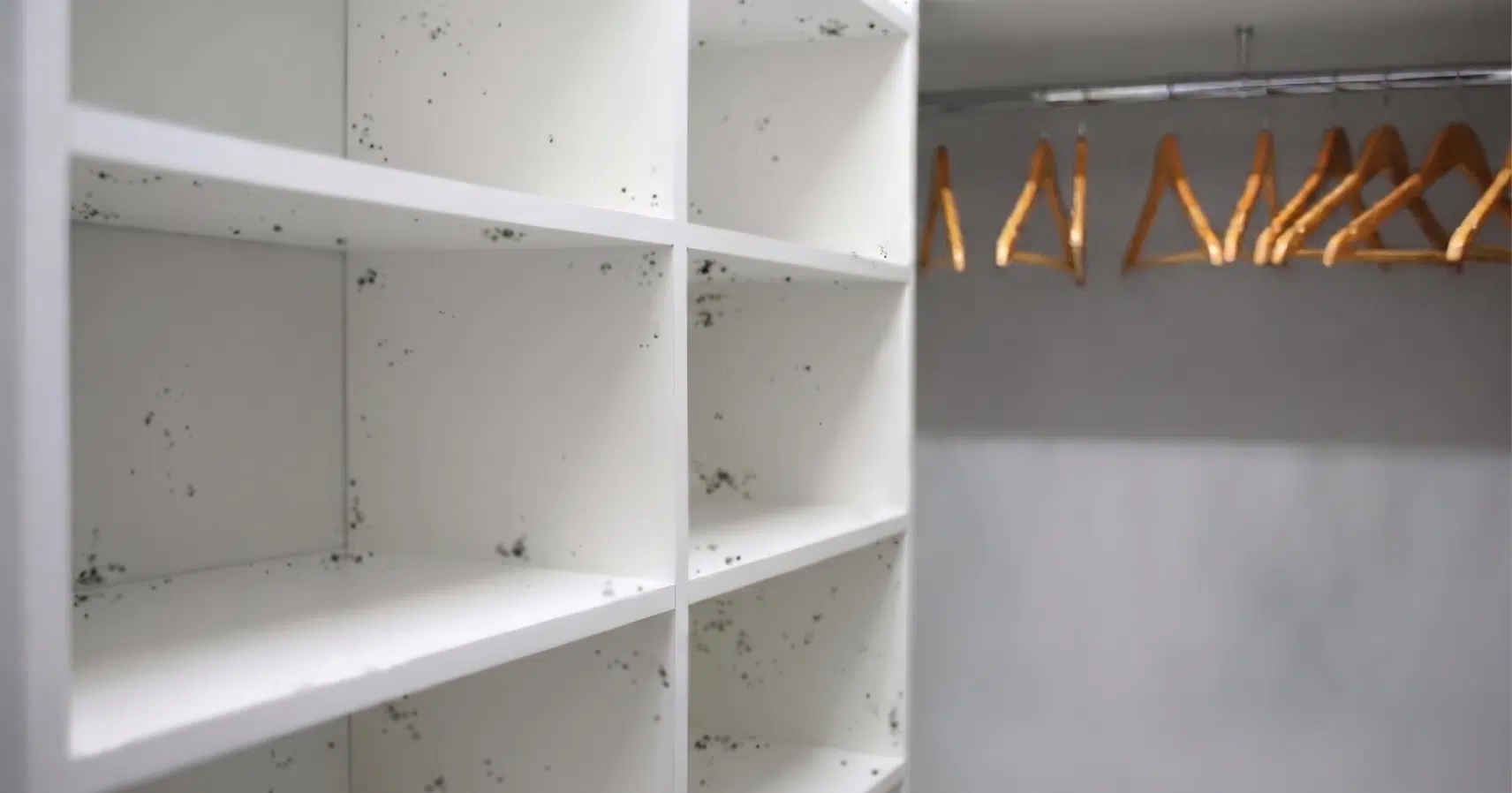
Viruses, bacteria, and mould spores are so small that a physical filter is not designed to destroy them — only to trap them. There is also a risk that pathogens accumulating on a filter could multiply and re-enter the air under certain conditions. Toxic gases and VOCs, meanwhile, exist at the molecular level — far too small for even a HEPA filter to intercept. It’s also worth noting that mould spores are among the most common allergen triggers in warm, humid climates like Thailand’s. And in homes with pets, the odours and proteins found in the saliva, urine, or dander of dogs and cats also fall into the VOC category — requiring proactive treatment rather than passive filtration.
Traditional air purification systems work in a passive mode: a fan draws air through a filter to clean it. This means the system can only clean the air that actually passes through the machine.
This is a critical blind spot. Air in a room does not flow uniformly towards the machine. A pathogen or mould spore drifting in the middle of the room may take many minutes — even tens of minutes — to be drawn into the unit, and all the while you are breathing that air with every breath.
Furthermore, pathogens and spores that settle in corners, on furniture, or beneath sofas may never reach the filter at all. Passive filtration is therefore limited by its very nature when it comes to dealing with these threats.
To close the blind spots left by passive filtration, a technology known as Vapour Phase Oxidation (VPO) fundamentally reimagines how air is managed. Rather than waiting for air to come to the machine, this technology “sends the guardian” out to meet the pollutants.
The VPO mechanism works by releasing hydrogen peroxide vapour at concentrations that are extremely low and entirely safe for living organisms. This vapour disperses throughout the room and, upon contact with the molecular structure of viruses, bacteria, mould spores, or toxic gases (VOCs), breaks them down through an oxidation process — neutralising the threat before it can reach your respiratory system.
A further key advantage of VPO technology is that it is 100% ozone-free. Unlike certain air purifiers that use UV light or ionisation — processes that can generate ozone as a by-product — VPO produces none. High concentrations of ozone in enclosed spaces are harmful to the respiratory system, so VPO represents a solution that is both highly effective and safe for all members of the household, including young children and the elderly.
To ensure the VPO process operates continuously and consistently, the technology is delivered through a proprietary formulation called Purox™ Gel.
Purox™ Gel is engineered to release its active vapour in a slow, steady, precisely calibrated stream — concentrated enough to be effective, yet never high enough to cause harm. The result is round-the-clock air and surface purification throughout the room, reaching even the spots where air circulation is poor: corners, beneath desks, and inside wardrobes.
Together, the VPO mechanism and Purox™ Gel transform an air purifier from a device that “waits for problems” into a system that proactively protects the health of everyone in the home.
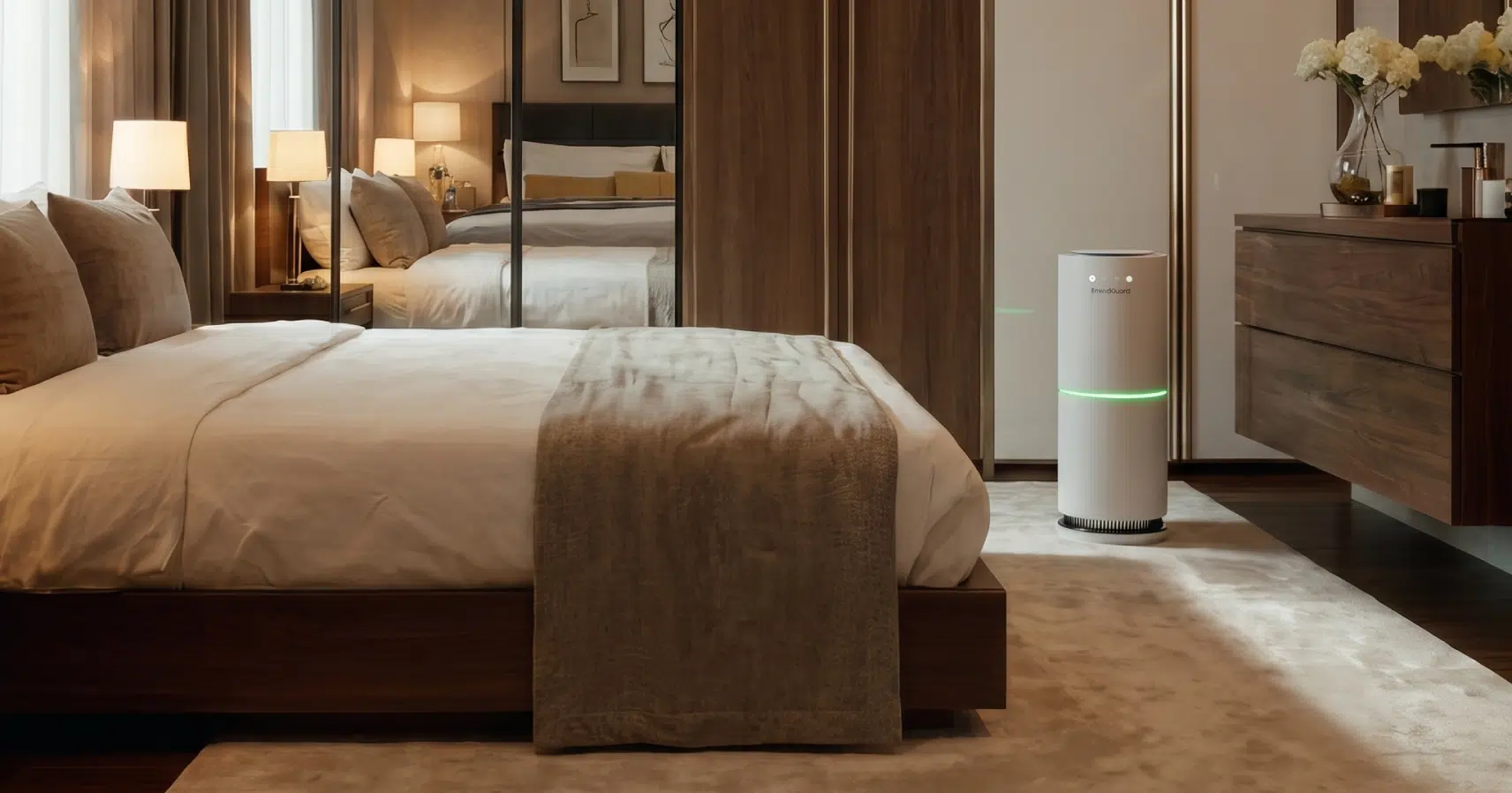
The VPO technology and Purox™ Gel have been fully integrated into the air management system of the Vbreathe Enviroguard Pro X™, bringing both protective dimensions — physical particulate filtration and proactive pathogen and toxic gas elimination — together in a single, comprehensive device. It is designed specifically for allergy sufferers, those living in high-pollution areas, and devoted pet owners who want genuinely clean air in a home shared with animals.
With both pillars clearly understood, the next step is to apply this knowledge to making an actual purchase. Here is a simple three-step approach:
This kind of integrated, active approach delivers genuinely comprehensive protection — simultaneously capturing physical particles and proactively eliminating pathogens and toxic gases, with no gaps for pollutants to slip through.
The comparison table below will help you clearly identify which type of pollutant requires which form of management, and serves as a practical checklist when evaluating any air purifier.
| Feature to Check | Pillar 1: Physical Filtration | Pillar 2: Active Purification (VPO) |
|---|---|---|
|
|
Dust, PM 2.5, pollen, pet hair, larger pathogens. | Viruses, bacteria, mould spores, VOCs, odours. |
|
|
Physically traps particles via filtration. | Releases oxidising vapour to destroy pollutants at source. |
|
|
Passive Waits for air to pass through the unit. |
Active Disperses throughout the entire space. |
|
|
Only air that passes through the machine. | The whole room, including corners and surfaces. |
|
|
True HEPA + independently certified CADR. | 100% Ozone-free, independently safety-tested. |
|
|
Caution "HEPA-like" or "HEPA-type" (no regulated standard). |
Danger Any system that generates ozone. |
|
|
Replace filter on schedule (typically every 6–12 months). | Replace or replenish Gel as specified. |
| ✅ Both are needed for comprehensive protection | ||
Over the course of this guide, we have travelled from an impressive video in a glass box to a far deeper understanding of how indoor air pollution actually works. The central conclusion is clear:
Truly clean air does not come from a single technology.
PM 2.5 dust is a physical substance, so it requires a physical trap — a HEPA filter with a CADR rating appropriate to your space. At the same time, pathogens, viruses, mould spores, and toxic gases are invisible and dispersed throughout every corner of your room. They require proactive biochemical elimination via VPO technology, which goes out and deals with the problem at source.
Both mechanisms perform their distinct roles with precision, and both hold equal value as components of a complete home health protection system.
A final recommendation before you decide:
Before purchasing, consider measuring your home’s baseline air quality with a PM 2.5 monitor (available at modest cost from most hardware and electronics retailers). Knowing your starting pollution level lets you choose more precisely — and gives you a benchmark to measure real improvement after your air purifier is installed.
Then use the checklist in the table above to assess whether the machine you’re considering addresses both pillars fully. That is what will give you genuine confidence that every breath in your home is clean, safe, and free from both the visible and invisible threats that compromise the air we breathe every day.


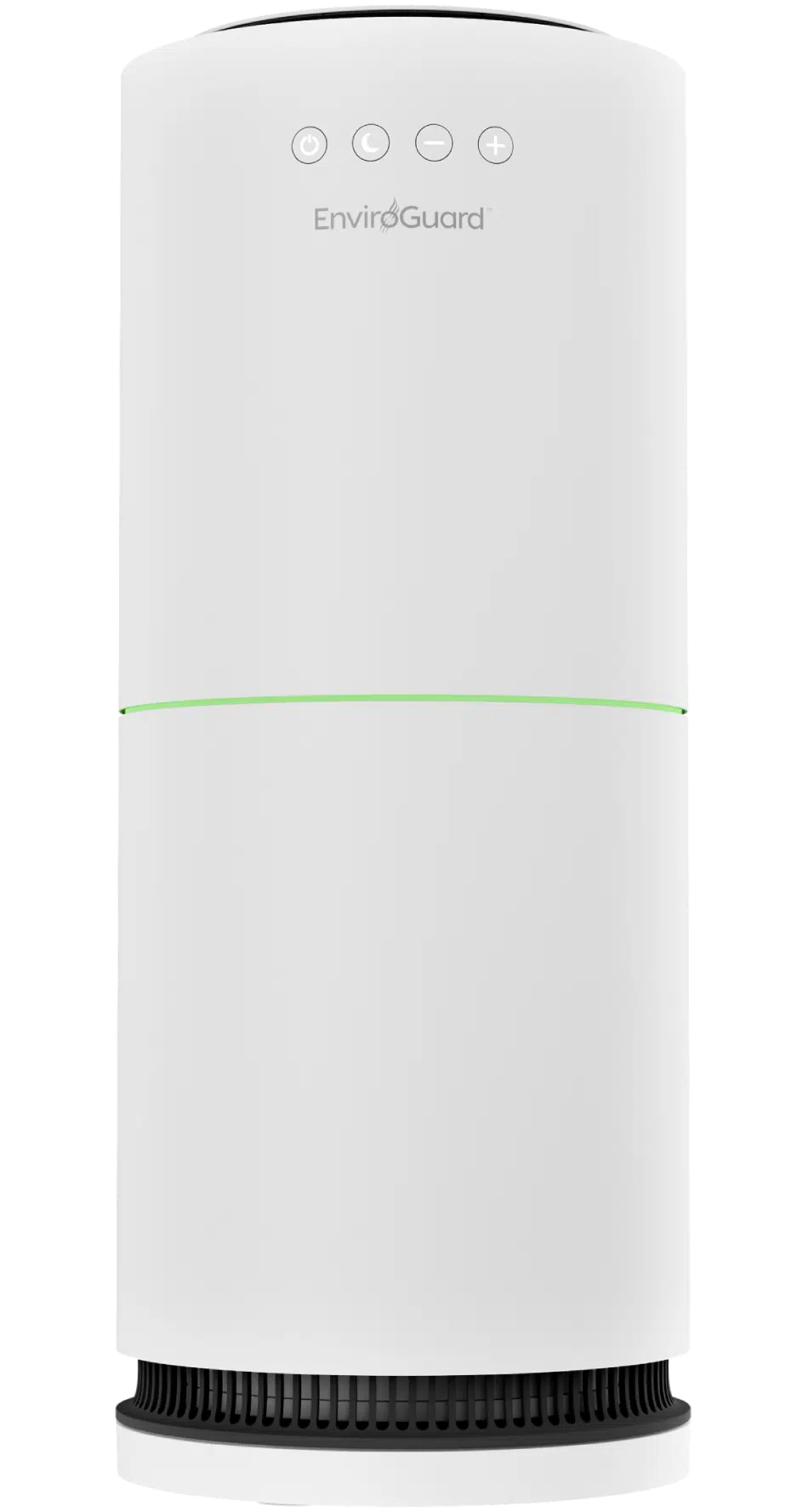
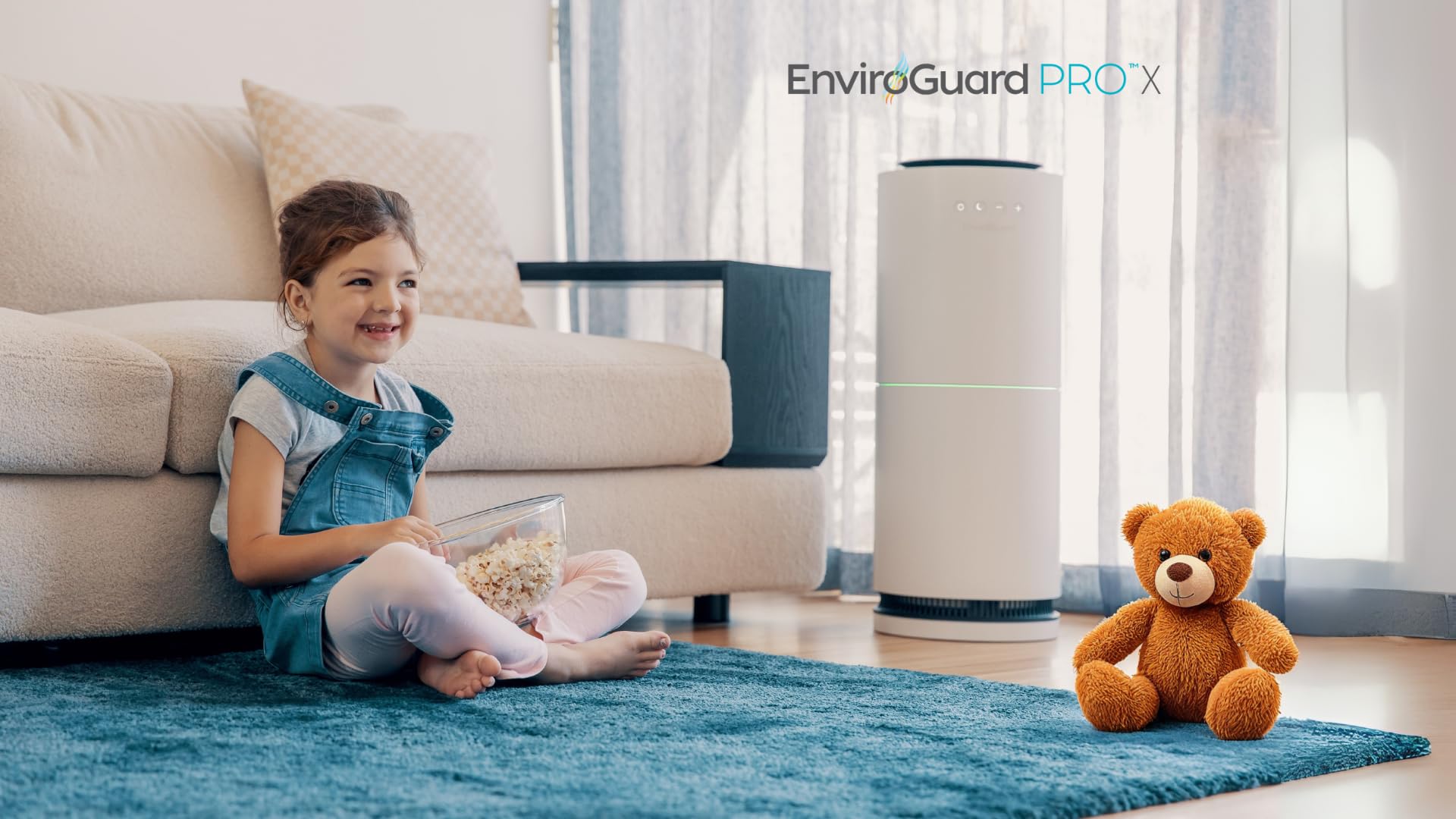
Upgrade to the innovative EnviroGuard PRO™ X today for only $790 (Was $1,590). Claim your $800 saving now and breathe cleaner, healthier air tomorrow.

¹ Tested in independent Australian laboratories under controlled conditions using airborne mould spores, bacteria and allergen particulates (0.3μm–10μm).
² Based on third-party testing results confirming 99.9% reduction in airborne mould spores and pet dander when using EnviroGuard Pro X with Purox™ Gel over 24 hours.
³ Independent testing by ICAS Testing Technology Service (Shanghai) Co., Ltd. demonstrated 99.99% reduction in airborne Staphylococcus Albus bacteria within 30 minutes in a 20m² test chamber, in accordance with Technical Standard for Disinfection GB 27948-2020.
⁴ Surface efficacy testing conducted by Eurofins BioPharma Product Testing — Sydney (Eurofins ams Laboratories Pty Ltd, TGA-licensed under MI-2021-LI-08995-1). Reductions over 8 hours: 99.99% Pseudomonas Aeruginosa, 99.9% Escherichia Coli, 90% Candida Albicans Yeast.
⁵ "10x faster than conventional filtration" comparison based on EnviroGuard Pro X achieving log 4 (99.99%) airborne bacterial reduction in 30 minutes, compared with log 1 (90%) pathogen reduction in 20 minutes reported for hospital HEPA systems operating at 12 air changes per hour (Fernstrom A, Goldblatt M. Aerobiology and its role in the transmission of infectious diseases. J Pathog. 2013;2013:493960).
⁶ Performance varies based on room size, airflow configuration, fan speed setting, environmental conditions and usage patterns.
Remove
Total Amount
Adding {{itemName}} to cart
Added {{itemName}} to cart