Unveiling the Secrets of “Humidity and Asthma”: In-depth Biological Mechanisms, Seasonal Hidden Threats, and Effective Management Strategies
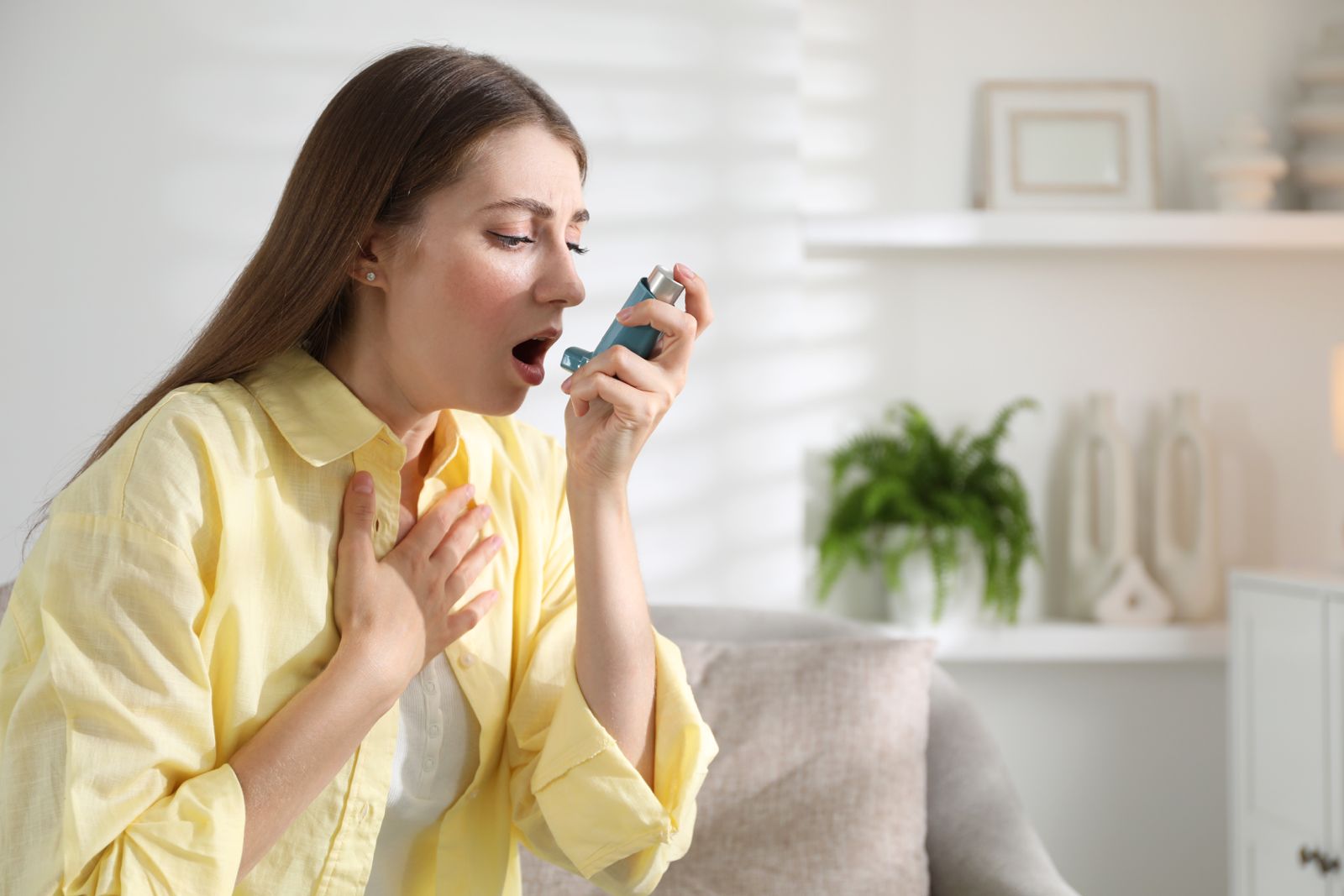
Asthma is not merely a condition characterised by breathlessness or chronic coughing. It is a respiratory disease that is highly sensitive to environmental changes. According to the Asthma and Allergy Foundation of America, more than 28 million people in the United States currently live with asthma, highlighting it as a major public health concern that significantly affects quality of life and requires appropriate management.
Although dust and pollen are commonly recognised as primary triggers, humidity and weather conditions are equally important factors that should not be overlooked. High humidity during the rainy or summer seasons, as well as dry air during winter, can all trigger airway irritation and worsen asthma symptoms. Therefore, understanding the impact of weather and appropriately managing indoor humidity is essential for reducing risk and supporting effective long-term respiratory health control.
This article aims to systematically explain the relationship between humidity and asthma based on scientific evidence. It seeks to clarify why hot and humid air can cause bronchoconstriction and breathing difficulty, while dry and cold air may also worsen symptoms in some individuals. It also highlights seasonal triggers that are often overlooked and provides guidance on indoor environmental management and appropriate medication use. These strategies help reduce the risk of asthma flare-ups and support long-term lung health.
How High Humidity Triggers Asthma
Many people feel discomfort during rainy or hot, humid days. While this may be temporary for the general population, for asthma patients, hot and humid conditions are significant triggers that can affect the respiratory system both physiologically and environmentally.
Physiological and neurological mechanisms
From a physical standpoint, studies from Advanced Solutions Nederland and One Medical Center indicate that warm, humid air is denser than normal air, requiring greater effort to breathe and obtain sufficient oxygen. Additionally, inhaling highly humid air may stimulate C-fibre sensory nerves in the respiratory tract, potentially leading to bronchoconstriction. This narrows the airways and results in coughing or difficulty breathing.
Growth of allergens
Humidity also plays a major role as an environmental trigger. The US Environmental Protection Agency (EPA) states that high humidity promotes the growth of dust mites and mould, both of which are common allergens that directly affect asthma patients. Furthermore, warm and poorly ventilated humid air can act as a “reservoir” for particles such as smoke, pollen, and fungal spores, increasing exposure to respiratory irritants.
Thunderstorm asthma
A related phenomenon is “thunderstorm asthma”. The Asthma and Allergy Foundation of America explains that during heavy rainfall, raindrops can rupture pollen grains and fungal spores into smaller particles. Strong winds then disperse these particles widely in the air, allowing them to penetrate deep into the airways. This can trigger sudden asthma attacks in large numbers of people within a short period of time.
Are Your Favorite Summer Activities Triggering Your Asthma?
During summer and rainy seasons, it is not only heat and humidity that affect respiratory health. Common seasonal activities may also introduce unexpected risks for asthma patients.
- Swimming pools: According to the Allergy & Asthma Network, swimming is generally safe and beneficial for asthma patients. However, chlorine used in pool disinfection can act as a trigger, particularly chlorine vapours above the water surface. This is more common in indoor swimming pools and may irritate the airways when inhaled.
- Campfires and fireworks: The US EPA and Allergy & Asthma Network both confirm that smoke from burning wood and fireworks can adversely affect asthma patients. Fireworks release fine particles and smoke that degrade air quality, while campfire smoke contains gases and particulate matter that can inflame the airways and increase the risk of asthma attacks.
Is the Combination of PM2.5 and Humidity Making Your Asthma Worse?
While high humidity alone can cause discomfort and breathing difficulty, the presence of air pollutants such as PM2.5 significantly increases respiratory risk.
| Factor | Effect on Respiratory System | Key Mechanism | Combined Impact |
| PM2.5 | Airway irritation, coughing, breathlessness, increased asthma risk | Fine particles penetrate deep into the lungs causing inflammation | Particles remain airborne longer in humid air and are more easily inhaled |
| High humidity | Breathing discomfort, increased lung workload, airway irritation | Dense air stimulates airway nerves and promotes allergen growth | Increased particle adhesion and allergen exposure |
| PM2.5 + humidity | More frequent and severe asthma attacks | Humidity facilitates particle retention and airway irritation | Enhanced inflammation, airway hyperresponsiveness, and excessive mucus production |
A clinical study published in Toxics (MDPI) found that exposure to PM2.5 combined with approximately 90% relative humidity leads to more severe respiratory effects in asthma patients than exposure to either factor alone. This includes increased airway inflammation, hyperresponsiveness, and mucus overproduction.
Molecular mechanisms
The same research shows that PM2.5 and high humidity jointly activate TRPV4 ion channels in airway epithelial cells. This triggers the MAPK signalling pathway, particularly p38 MAPK(p38 Mitogen-Activated Protein Kinase) and JNK, leading to increased inflammatory responses and more severe bronchoconstriction in asthma patients.
Is Cold, Dry Air Making Your Asthma Worse?
While high humidity can be uncomfortable, dry and cold air in winter is another overlooked trigger. According to HealthCentral, colder air holds less moisture, resulting in significantly drier conditions. When inhaled, dry and cold air rapidly removes moisture from the mucous membranes lining the airways.
The American Lung Association further explains that these membranes act as a natural defence barrier. When they dry out, the airways become irritated and inflamed, prompting the body to produce thicker mucus. This mucus can obstruct airflow and worsen asthma symptoms, while also increasing susceptibility to allergic reactions.
Why Do Some Asthma Patients Actually Feel Better in Humid Air?
Although humid air is generally considered a trigger, some asthma patients report improved breathing in such conditions.
This can be explained by two factors:
- Asthma phenotypes: Asthma is not a single disease but consists of different inflammatory types (eosinophilic, neutrophilic, mixed granulocytic, and paucigranulocytic). These variations influence how patients respond to environmental conditions. Some individuals sensitive to dry air may feel better in warmer, more humid environments.
- Viral protection from humidity: Research cited by Dr Mayank Shukla suggests that maintaining indoor humidity above approximately 43% may reduce airborne viral transmission by up to 86%. For patients whose asthma is triggered by viral infections, this may help reduce exacerbations.
Severe Complications from Mould in Humid Environments
Excess humidity can turn homes into breeding grounds for mould, a significant allergen for sensitive individuals.According to the Mayo Clinic, mould exposure typically causes symptoms similar to hay fever, such as sneezing, runny nose, and itchy eyes. However, in asthma patients, inhalation of mould spores can trigger severe asthma attacks. Long-term exposure may also lead to serious complications, including:
- Allergic fungal sinusitis: Chronic inflammation in the sinuses due to fungal accumulation
- Hypersensitivity pneumonitis: Severe lung inflammation caused by inhaled organic particles such as fungal spores
- Allergic bronchopulmonary aspergillosis (ABPA): A severe allergic reaction to Aspergillus fungi, often affecting individuals with weakened immunity or severe asthma
The September Asthma Peak
The “September Asthma Peak” refers to a consistent rise in asthma attacks, particularly among children, occurring in early September or after the Labour Day holiday. Key contributing factors include:
- Reduced medication adherence during summer: Some patients discontinue controller medication when symptoms improve
- Increased allergens: Higher levels of mould spores and ragweed pollen in autumn
- Return to school: Increased exposure to respiratory viruses that trigger asthma exacerbations
How Can You Effectively Manage Asthma at Home?
Effective asthma control starts right where you spend the most time: your indoor environment. By proactively optimizing your living space, you can significantly reduce exposure to common triggers and prevent flare-ups before they happen. Here are the most effective, evidence-based strategies to protect your airways:
- Maintain optimal humidity: The EPA recommends keeping indoor moisture levels between 30%–50%. This specific range is crucial for preventing the growth and spread of common triggers like dust mites and mould.
- Set the ideal temperature: Breathing is easiest when the air is neither too hot nor too cold. Healthline suggests maintaining a room temperature of approximately 20–21.6°C (68–71°F) for optimal respiratory comfort.
- Utilize moisture-control technology: In highly humid environments, simply opening a window isn’t enough. The Mayo Clinic and the EPA advise using air conditioners or dehumidifiers to actively strip excess moisture from the air.
- Filter out airborne irritants: Invest in High-Efficiency Particulate Air (HEPA) filters. These systems are highly effective at capturing microscopic allergens—such as dust, pollen, and mould spores—preventing them from recirculating into your respiratory system.
By combining temperature control with smart air quality technologies, you can transform your home into a safe, breathable sanctuary and keep your asthma symptoms firmly under control.
Which Air Quality Devices Are Right for Your Asthma?
While basic environmental control is essential, investing in the right home appliances can provide an extra layer of defense against asthma triggers. Understanding the distinct roles of humidity controllers and air purifier for asthma is key to creating a truly asthma-friendly home:
- Dehumidifiers (For High Humidity): During the summer and rainy seasons, indoor air can become a breeding ground for dust mites and mould. A dehumidifier actively extracts excess moisture from the air, keeping humidity within the safe 30%–50% range and cutting off the life supply for these common triggers.
- Humidifiers (For Cold, Dry Air): In winter, cold air and indoor heating can dry out your airways, causing irritation. A humidifier adds essential moisture back into the room. Crucial note: Humidifiers must be cleaned meticulously and regularly; otherwise, they can harbor bacteria and mould, accidentally worsening your asthma.
- Air Purifiers (For Airborne Irritants): While humidity controllers manage moisture, air purifiers manage both particles and harmful gases. A high-quality air purifier equipped with a True HEPA filter is designed to physically trap 99.97% of airborne irritants, including PM2.5, pet dander, pollen, and lingering smoke. When enhanced with VPO technology, these devices go a step further by actively breaking down and neutralizing volatile organic compounds (VOCs), stubborn odors, and invisible chemicals that physical filters cannot catch, offering comprehensive protection for sensitive airways.
- The Synergistic Approach: For optimal protection, these devices are best used together. A dehumidifier prevents mould spores from growing, while an air purifier catches any existing spores or allergens floating in the air.
By identifying your specific seasonal triggers—whether it’s too much moisture, too little moisture, or high particulate pollution—you can choose the precise combination of devices to keep your airways clear and your home comfortable all year round.
Conclusion
Asthma is closely linked to environmental conditions, particularly humidity and temperature. High humidity promotes dust mites and mould, while dry or cold air irritates and inflames the airways. These factors can trigger symptoms and should be carefully managed. The most effective approach is prevention through structured environmental control. Maintaining indoor humidity at 30%–50%, regularly monitoring air quality and weather conditions, and developing an Asthma Action Plan with healthcare professionals can significantly improve long-term disease control and safety in all weather conditions.
FAQs
What is the ideal indoor humidity for asthma sufferers?
Between 30% and 50%. This range prevents the growth of common triggers like dust mites and mould.
How do HEPA filters and VPO technology work together?
True HEPA filters trap physical particles (PM2.5, pollen), whilst VPO technology neutralises invisible gases, odours, and volatile organic compounds (VOCs).
Why does cold, dry air trigger asthma attacks?
It strips moisture from the airway’s mucous membranes, leading to irritation, inflammation, and thick mucus production that restricts breathing.
Can swimming in pools worsen asthma symptoms?
Generally, swimming is beneficial, but inhaling chlorine vapours at indoor pools can irritate sensitive airways and act as a trigger.
Why do some patients breathe easier in humid air?
Responses vary by asthma phenotype. Furthermore, indoor humidity above 43% reduces airborne viral transmission, benefiting those whose asthma is triggered by viral infections.