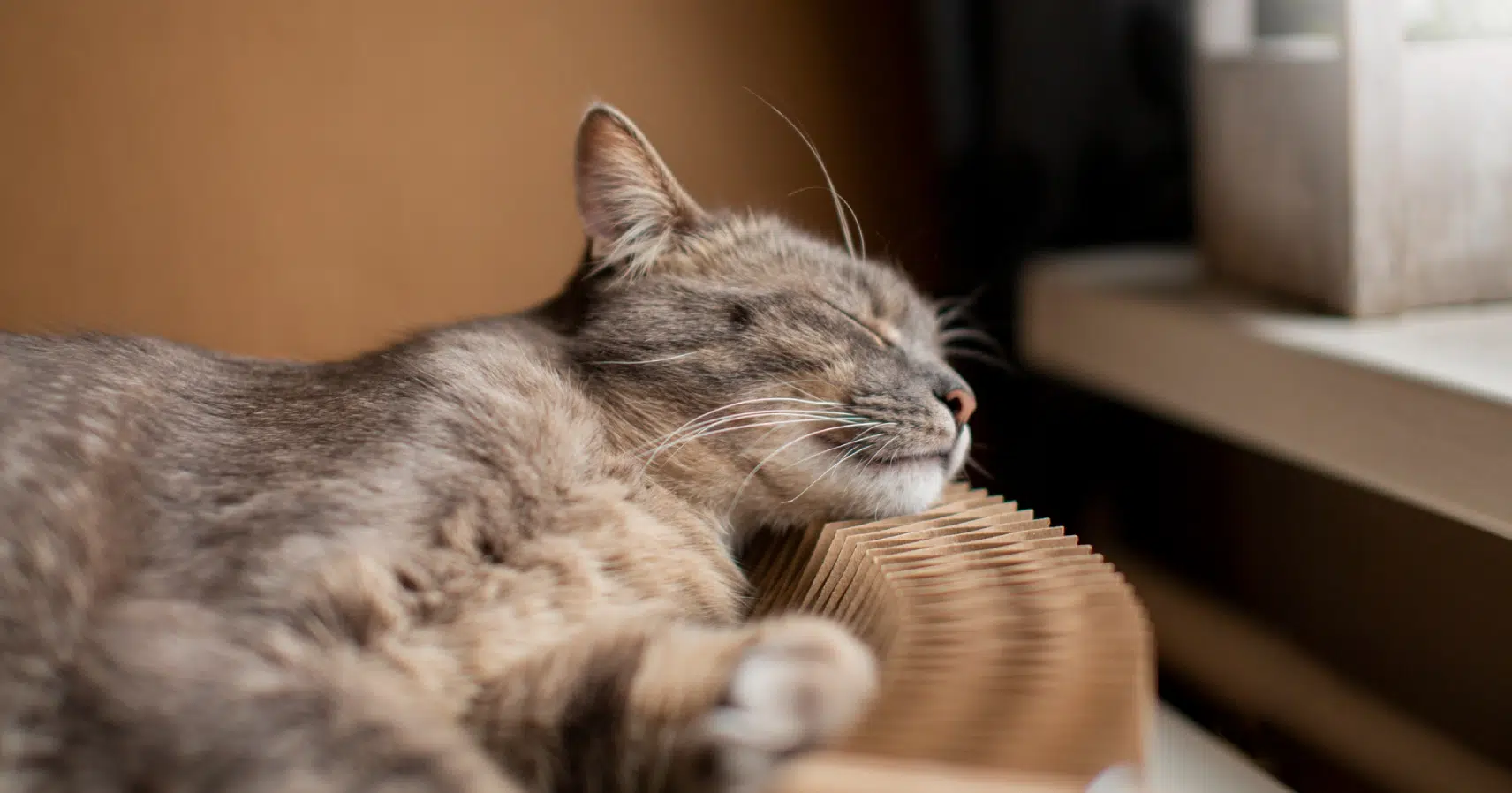
Indoor air quality can affect the respiratory health and comfort of dogs and cats. Smoke, airborne particles, mould, dust and certain household chemicals can irritate a pet’s eyes and airways. Some airborne substances may also trigger symptoms in animals with existing respiratory conditions, including asthma in cats. Reducing exposure starts with identifying pollution sources, improving ventilation when outdoor air is clean, and using suitable air filtration as a supporting measure.
What Is Indoor Air Pollution for Pets?
Indoor air pollution refers to particles, gases and other airborne contaminants that build up inside a home. These pollutants can come from everyday activities, household products, building materials and outdoor pollution entering through doors, windows and ventilation systems.
Dogs and cats share the same indoor environment as their owners. They may be exposed to cooking fumes, tobacco smoke, bushfire smoke, cleaning products, dust, mould and fragrance products throughout the day.
However, exposure does not automatically mean a pet will develop a health problem. The effects depend on the pollutant, its concentration, how long the animal is exposed, and the animal’s existing health and susceptibility.
Understanding the sources of indoor pollution is the first step towards creating a healthier home for pets.
How Can Poor Indoor Air Quality Affect Dogs and Cats?
Poor indoor air quality can affect pets in several ways, particularly when the air contains smoke, fine particles or substances that irritate the respiratory tract.
1. Respiratory irritation
Smoke and airborne irritants can affect the nose, throat and lower airways. Depending on the exposure, a dog or cat may develop coughing, sneezing, wheezing or changes in breathing.
Smoke inhalation can be particularly serious because smoke contains particles and gases that may injure or inflame the respiratory tract. Severe exposure can cause significant breathing difficulties and requires urgent veterinary assessment.
2. Allergic and asthma-related symptoms
Some airborne allergens can contribute to respiratory inflammation in susceptible animals. In cats, inhaled allergens and irritants are associated with feline asthma, a condition that causes inflammation and narrowing of the airways.
Possible triggers include tobacco smoke, dusty cat litter, mould, dust mites, pollen and fumes from household products. Not every cat reacts to the same substances, and the specific trigger is not always identifiable.
Reducing exposure to suspected triggers may help support environmental management, but it does not replace veterinary diagnosis or prescribed treatment.
3. Eye and nasal irritation
Airborne smoke, dust and irritating chemicals may cause watery or red eyes, nasal discharge or other signs of irritation.
These symptoms are not specific to poor air quality. Infections, allergies, foreign objects and other medical conditions can cause similar signs, so persistent or worsening symptoms should be assessed by a veterinarian.
4. Exposure to chemical pollutants
Some household products release volatile organic compounds (VOCs) or other airborne chemicals. Potential sources include paints, solvents, certain cleaning products, adhesives and new furnishings.
The health effects depend on the chemical, concentration, exposure route and duration. Some products can also pose a poisoning risk if a pet licks, swallows or comes into direct contact with them.
For this reason, good indoor air management should include both reducing airborne exposure and preventing pets from accessing hazardous products.
Common Indoor Air Pollutants That Can Affect Pets
Different pollutants require different control measures. Identifying the likely source is more useful than relying on fragrance or a general impression that the home smells clean.
Australian indoor air-quality guidance also identifies smoke, VOCs, dust, mould and combustion-related gases as important indoor pollutants. Australian Centre for Disease Control.
Why bushfire smoke deserves special attention
Bushfire smoke can enter homes and expose pets to fine particles and other combustion products. Animals with existing respiratory or cardiovascular conditions may be particularly vulnerable.
During smoky conditions, keep pets indoors as much as possible, close windows and doors when needed to keep smoke out, and avoid outdoor exercise. Use appropriate air filtration if available, and follow local air-quality advice. If a pet develops breathing difficulties after smoke exposure, seek urgent veterinary care.
What Are the Signs That Poor Air Quality May Be Affecting Your Pet?
Signs can vary depending on the source and severity of exposure. Watch for changes from your pet’s normal behaviour, especially when symptoms begin after cooking, cleaning, using a fragrance product or experiencing smoky outdoor conditions.
Possible warning signs include:
Repeated coughing or gagging.
Wheezing or noisy breathing.
Faster or more laboured breathing.
Sneezing or nasal discharge.
Red, watery or irritated eyes.
Unusual tiredness, weakness or reduced activity.
Reduced appetite or reluctance to exercise.
These signs do not prove that indoor air pollution is the cause. Respiratory infections, heart disease, asthma and other conditions can produce similar symptoms.
When to contact a veterinarian: Arrange a veterinary assessment if coughing, wheezing or irritation persists or recurs. If your pet is struggling to breathe, breathing with its mouth open at rest, collapsing or showing blue, grey or unusually pale gums, seek emergency veterinary care immediately. Do not delay care while trying an air purifier or home remedy.
Cat Asthma and Other Pet Respiratory Issues
Cats and dogs can both experience respiratory problems, but their conditions and risk factors are not identical.
What are common cat asthma triggers?
Feline asthma is an inflammatory disease of the lower airways. In affected cats, inflammation can narrow the airways and make it harder to move air through the lungs.
Potential environmental triggers include:
Tobacco smoke and other combustion smoke.
Dusty cat litter.
Aerosol sprays and irritating cleaning-product fumes.
Mould and mildew.
Dust mites and pollen.
Smoke from candles or fireplaces.
Cornell University’s College of Veterinary Medicine identifies these substances as suspected triggers for feline asthma. The specific trigger can be difficult to establish in an individual cat.
Source: Cornell Feline Health Center — Feline Asthma.
A cat that repeatedly crouches, coughs or wheezes may be experiencing a respiratory problem rather than simply trying to clear a hairball. A veterinarian should assess recurring episodes.
Are dogs affected by indoor air pollution too?
Yes. Dogs can be exposed to many of the same airborne pollutants as cats. Smoke exposure may irritate their eyes and respiratory tract, while individual dogs may have underlying respiratory conditions that make exposure more concerning.
Dogs with existing breathing problems, and breeds with shortened or obstructed airways, may require extra care during smoky conditions. Avoid assuming that coughing is caused by dust or allergies without a veterinary assessment.
Are Scented Candles, Air Fresheners and Cleaning Products Harmful to Pets?
Some products can expose pets to airborne irritants or chemicals, but the risk depends on the ingredients, concentration, ventilation and exposure route.
Scented candles and incense
Burning candles and incense can release particles and combustion products into indoor air. Reduce unnecessary burning, particularly in small or poorly ventilated rooms or around pets with respiratory conditions.
Air fresheners and aerosol sprays
Sprays and fragranced products can release airborne chemicals. Avoid spraying near animals, provide appropriate ventilation and follow the product label. Never assume that a pleasant smell means the air is safer.
Essential oil diffusers
Essential oils require particular care. The Animal Poisons Helpline in Australia notes that the risk depends on the type and concentration of oil and how the animal is exposed. Ingestion and direct skin exposure can be particularly concerning, while prolonged exposure to concentrated fumes may also make pets unwell.
Keep concentrated oils and diffuser liquids out of reach, never apply essential oils directly to a pet unless specifically directed by a veterinarian, and seek veterinary or poison advice if exposure occurs.
Household cleaning products
Use cleaning products according to their labels, keep pets away from wet surfaces and freshly treated areas where required, and ventilate the room appropriately. Never mix cleaning chemicals unless the manufacturer explicitly instructs you to do so.
If a pet has licked, swallowed or been exposed to a potentially toxic product, contact a veterinarian or animal poison advice service promptly rather than waiting for symptoms.
How to Improve Indoor Air Quality for Dogs and Cats
The most effective approach combines pollution-source control, suitable ventilation and supplementary air cleaning. No single intervention removes every indoor pollutant.
1. Remove pollution at its source
Keep your home and car smoke-free.
Use an externally vented rangehood when cooking, where available.
Avoid unnecessary use of incense, aerosol sprays and fragranced products around pets.
Store cleaning chemicals, pesticides and essential oils securely.
Address water leaks and dampness promptly to prevent ongoing mould growth.
Reducing emissions at the source is generally more effective than trying to filter pollutants after they have spread throughout a room.
2. Ventilate when outdoor air is clean
Open windows or use appropriate exhaust ventilation when outdoor conditions allow. Ventilation can dilute indoor pollutants, but opening windows during bushfire smoke or heavy outdoor pollution may bring additional contaminants inside.
Choose the ventilation strategy according to the pollutant and current outdoor conditions.
3. Clean pet bedding and household surfaces
Wash pet bedding regularly according to its care instructions. Use damp microfibre cloths to collect dust from suitable surfaces, and vacuum with an appropriate filtration system.
These steps can help reduce settled dust and some allergen reservoirs. Air filtration alone cannot remove contaminants that remain on carpets, furniture, bedding or other surfaces.
4. Control moisture and mould
Repair leaks, dry damp materials and investigate recurring condensation or musty smells. Where mould growth is present, address both the visible contamination and the moisture source.
An air purifier is not a substitute for repairing water damage or properly removing established mould.
5. Choose air filtration suited to the pollutant
A correctly sized air purifier can help reduce certain airborne particles. However, particle filtration and gas removal are different functions.
For example, a HEPA filter is designed to capture particles, while activated carbon can adsorb certain gases and odour compounds. Performance depends on the equipment, filter design, room size, operating conditions and maintenance.
For additional guidance, see VBreathe’s guide to how air purifiers remove pet dander.
Can an Air Purifier Help Protect Your Dog or Cat’s Health?
An air purifier may help reduce airborne irritants such as dust, pollen, pet dander and some smoke particles. However, it cannot treat respiratory conditions, and dogs with persistent coughing or breathing difficulties should be assessed by a veterinarian.
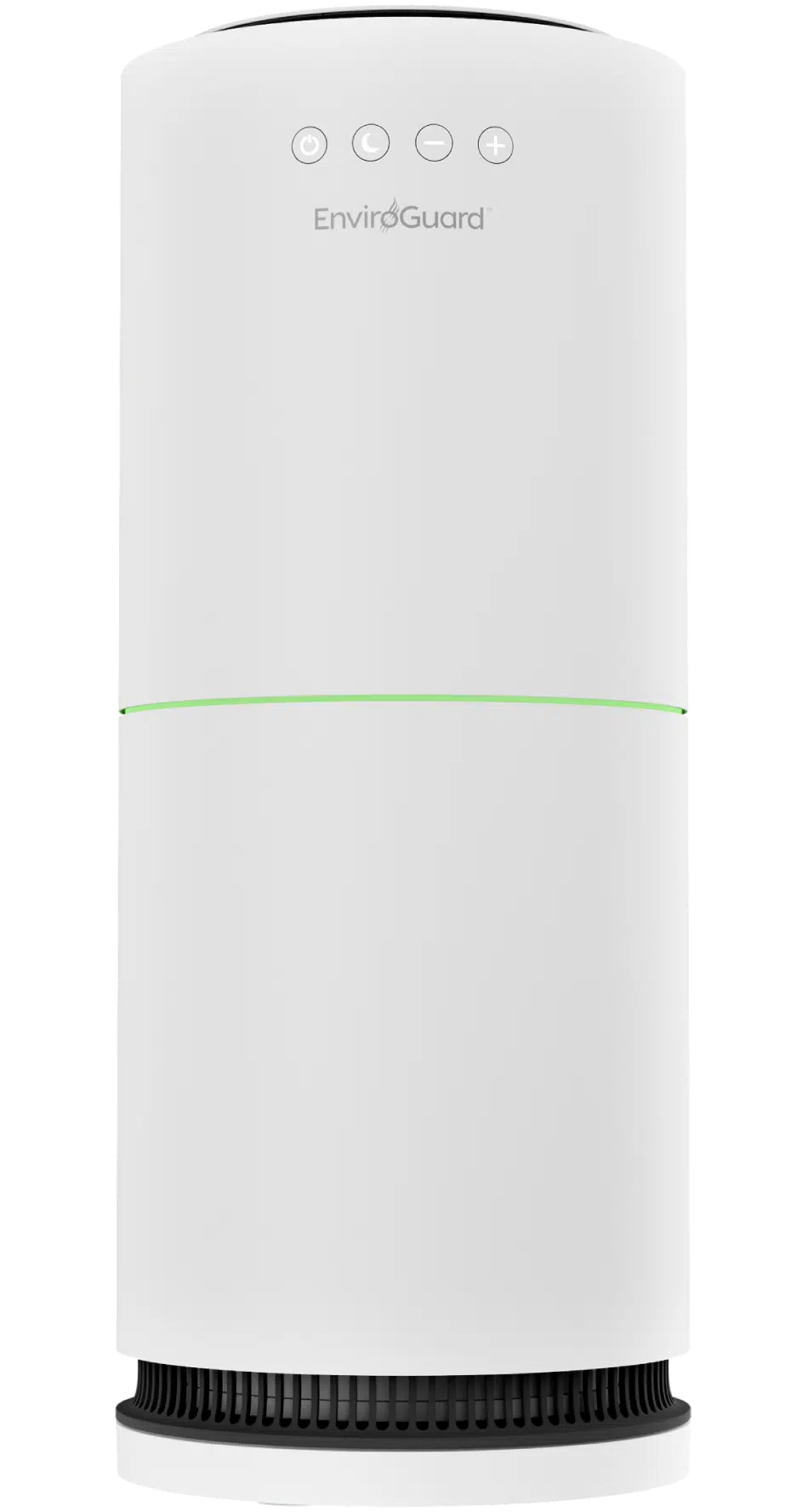
For broader indoor air-quality management, VBreathe EnviroGuard PRO X combines HEPA-13 filtration with Vapour Phase Oxidation (VPO) technology to address airborne particles and other indoor air-quality concerns. As with any air purifier, performance depends on the pollutant and operating conditions.
Choose a unit with suitable room coverage, effective filtration, low ozone emissions and manageable maintenance. Air purification should complement veterinary care, ventilation and source control.
Is a pet-safe air purifier enough to manage allergens?
No. An air purifier can reduce some airborne particles, but allergens may also remain on pet bedding, carpets, upholstery and other surfaces. Effective allergen management may require regular cleaning, appropriate bedding care, control of specific triggers and veterinary advice.
A product marketed as pet-safe should still be evaluated for its actual filtration performance, emissions, maintenance requirements and instructions for use around animals.
For a broader comparison of filtration options, read VBreathe’s guide to air purifiers for pet allergies.
Creating a Healthier Home for Your Pet
Good indoor air quality starts with understanding what is entering the air and where it comes from. Reducing smoke, limiting unnecessary fragrances and chemical fumes, managing dampness, cleaning pet bedding and using suitable filtration can all contribute to a better-managed indoor environment.
If your dog or cat develops recurring coughing, wheezing or changes in breathing, seek veterinary advice rather than assuming the problem is caused by air pollution. Environmental improvements can support a broader health plan, but they are not a replacement for diagnosis or treatment.
For further guidance, explore VBreathe’s pet air-quality resources and learn how different air-cleaning technologies address airborne particles and other indoor pollutants.