Best Air Purifier for VOCs in Australia (2026 Buyer’s Guide)
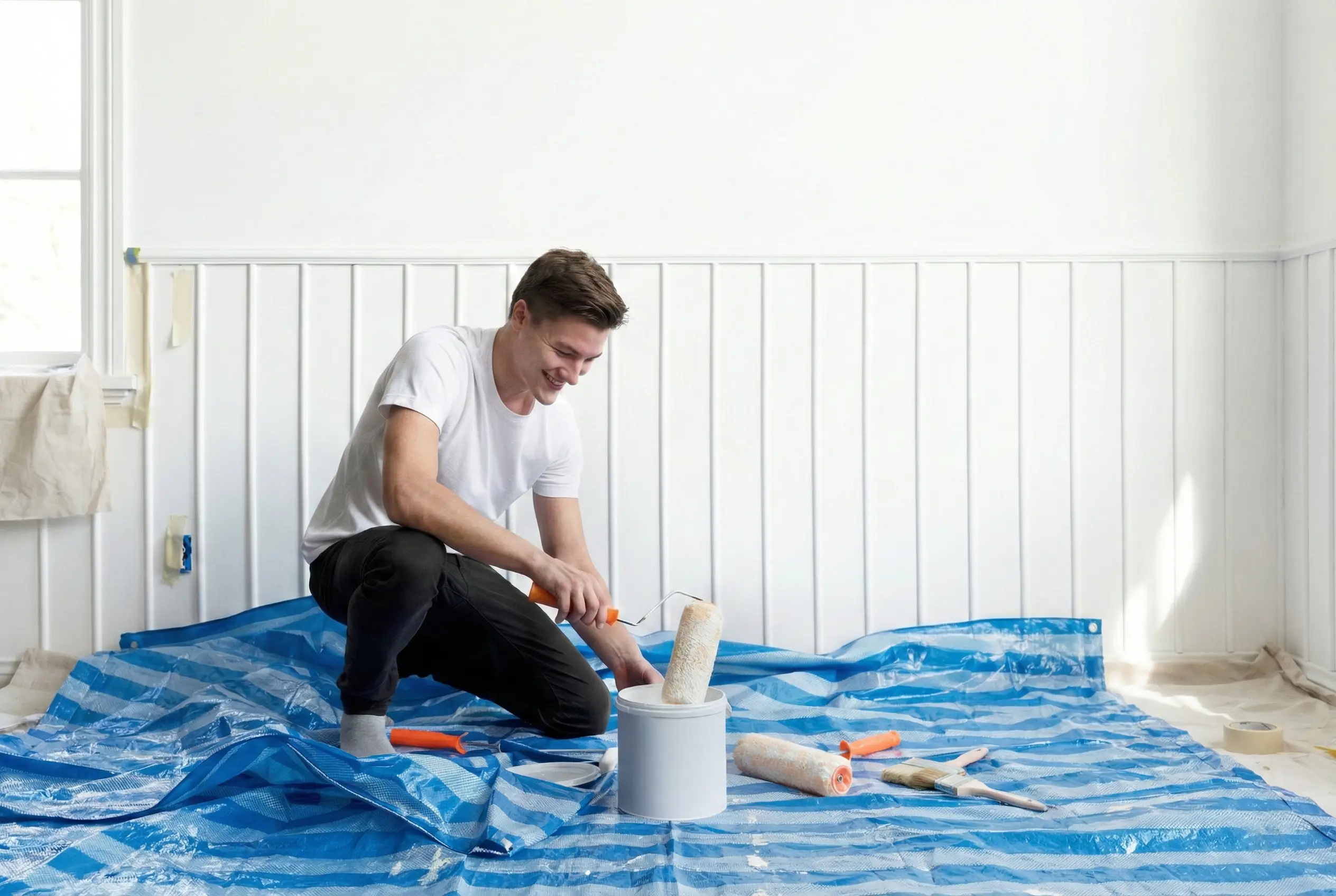
Imagine this scenario: you’ve just brought a brand-new sofa home, or you’ve just finished painting your child’s bedroom. That “new smell” drifting through the air might seem harmless, but in reality, those odours are warning signs of VOCs — Volatile Organic Compounds — silently floating in the air you breathe.
The Environmental Protection Agency (EPA) states that indoor air can be 2–5 times more polluted than outdoor air. For Australians who spend the majority of their time indoors, this poses a direct health risk — particularly for those with allergies, asthma, or respiratory conditions.
Faced with this problem, many people walk into a store and pick up a standard air purifier, hoping it will solve everything. But the truth is, most air purifiers are not designed to deal with VOCs. Traditional filter technology, which has barely changed since during World War II (1940s), operates on a “passive” basis, simply waiting for air to pass through the filter. While it captures dust effectively, it allows toxic gases and chemicals to slip through, or worse, accumulates them until they eventually off-gas back into the room.
In this 2026 buyer’s guide, drawing on expertise in indoor air quality, we will take a deep dive into what VOCs are, which technologies can truly destroy these chemicals, and clearly demonstrate why the “Active management approach” to air purification has risen to become the best air purifier in Australia today.
Whether you’re searching for the best air purifier for the home to protect your loved ones, or you need a machine that tackles chemical odours and mould decisively (best air purifier for VOCs and mould), this guide will help you make the most informed and cost-effective decision possible.
What Are VOCs and Why Are They Dangerous?
Many people have heard the term VOCs in passing, but to put it simply: VOCs stands for Volatile Organic Compounds. What makes them particularly alarming is that these substances can transition from a solid or liquid state into a gas at normal room temperature. That means the moment you place a new piece of furniture in the living room, or use a floor cleaner, these chemicals evaporate and permeate the air that you and your family breathe continuously.
One of the most commonly found and most dangerous VOCs is Formaldehyde, a known carcinogen, which is frequently present in plywood, adhesives, and building materials.
Health Impacts:
In the short term, inhaling VOCs can cause eye irritation, nasal irritation, headaches, or unexplained dizziness (similar to Sick Building Syndrome). In the long term, the concerns are far more serious. For those with allergies, asthma, or chronic obstructive pulmonary disease (COPD), these volatile compounds act as powerful irritants that trigger inflammation in the lungs. For a deeper look at how VOCs affect your body, read What Are VOCs and How Do They Impact Your Health?. Choosing an effective best air purifier for VOCs and formaldehyde is therefore not merely a consumer electronics purchase; it is a long-term investment in protecting your lung health.
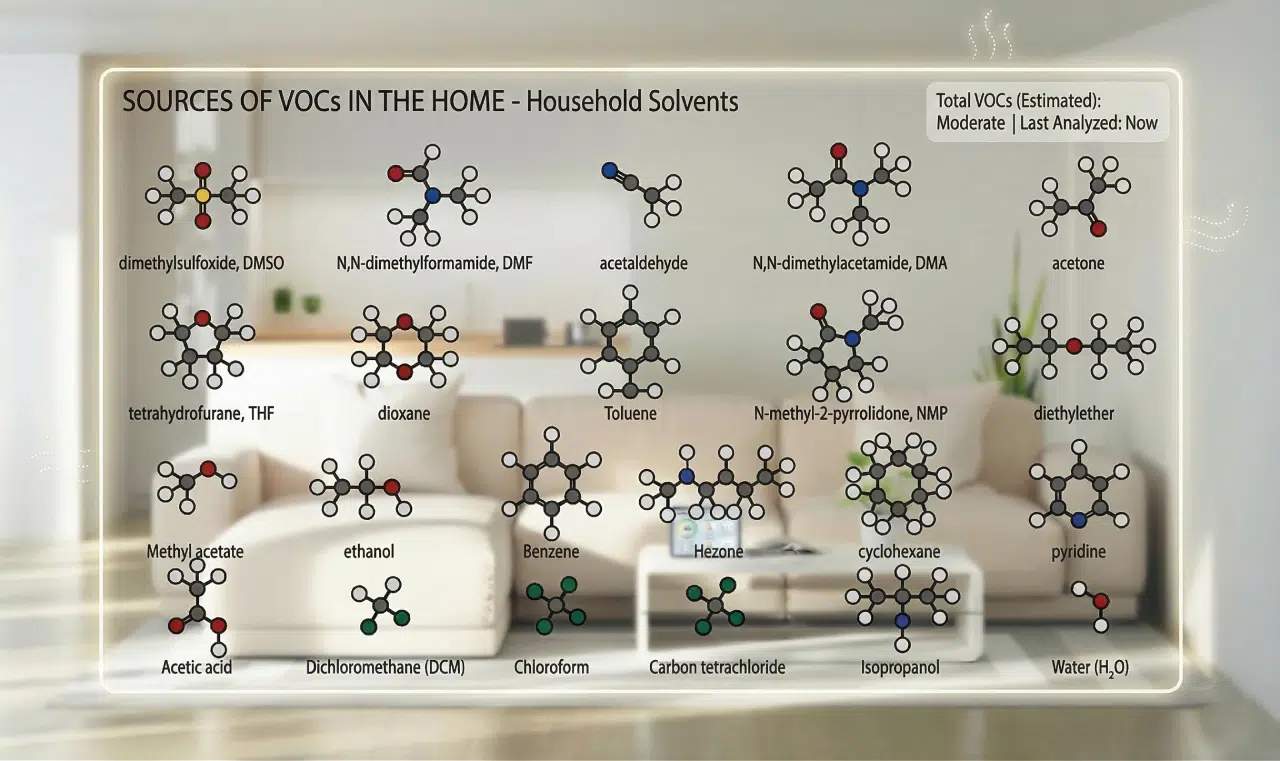
Common VOC Sources Indoors
Sometimes we seal our homes tightly to keep out external dust and smoke, but we end up locking ourselves in with chemicals instead. Let’s take a look at where VOCs typically hide in everyday items:
| Indoor Source | Commonly Found Chemicals | Potential Health Effects from Prolonged Exposure |
| New furniture, plywood, adhesives, carpets | Formaldehyde, Benzene | Respiratory irritation, asthma attacks, long-term carcinogenic risk |
| House paint, thinners, varnish | Toluene, Xylene | Dizziness, headaches, nausea, neurological effects |
| Cleaning products, bleach | Chlorine compounds, Ammonia | Eye and nasal irritation, chronic cough, skin irritation |
| Air fresheners, scented candles, perfume | Acetone, Limonene | Allergy aggravation, irritation in those sensitive to fragrance |
| Office equipment (printers, toner) | Styrene, various VOCs | Fatigue, headaches when in a workspace (Office Syndrome) |
As you can see, the majority of VOC sources are things we use every single day. Removing all of them from your home is virtually impossible. The more important question is: how do we manage them?
Air Purifier vs. Ventilation: Which is Better for VOCs?
A classic question that comes up in air quality consultations is: “Surely just opening a window and letting air circulate would make the chemical smell go away, wouldn’t it?”
The answer is: “Yes, but the real world isn’t that simple.”
According to EPA guidance, the first approaches to reducing VOCs are Source Control (eliminating the source) and Ventilation (increasing air circulation). Opening windows to allow air exchange is the most natural and effective way to dilute the concentration of toxic gases indoors.
The problem is: can you realistically keep your windows open at all times? Especially in Australia, you are exposed to PM2.5 dust, bushfire smoke, pollen that triggers allergies, and days so hot that the air conditioning runs all day.
In enclosed environments, relying on natural ventilation is simply not a viable option. This is precisely why selecting the best air purifier for the home is essential, to maintain clean, safe air around the clock, without letting in additional pollution from outside.
Do Air Purifiers Really Remove VOCs?
This is the point where most consumers waste their money. Many people purchase an expensive air purifier, see that it has a “HEPA Filter,” and assume it will eliminate paint fumes, furniture odours, or formaldehyde gas. To be direct: a filter alone cannot do this.
Why Can’t Filters Handle VOCs?
Traditional passive filtration systems are purely reactive and have clear limitations:
- HEPA Filter: Highly effective at capturing “particles” (dust, pet dander), but VOC “gases” have molecules far smaller than the filter’s pores, so they pass straight through with ease.
- Carbon Filter: Only “adsorbs” chemicals into its porous surface temporarily. The problem is that once it reaches saturation point, it can no longer capture gases, and more critically, it can release those VOCs back into the air (off-gassing) the moment room temperature changes.
Using a filter does not destroy toxic compounds; it merely stores them while they wait to evaporate back out. A conventional air purifier leaves the choice to the pollutant: whether to get caught in the filter, or to end up in your lungs.
Traditional Filter vs. Active Gel Technology (Purox™ Gel)
| Comparison | Passive Filter / Carbon | Vapour Phase Oxidation |
| Core operating principle | Draws air in and hopes toxic gases drift along with the airflow | Proactively releases vapour (H₂O₂) to seek out pollutants, no waiting for air to come to the machine |
| How it handles chemicals and VOCs | Temporarily adsorbs toxic gases into the pores of the carbon filter | Breaks down at the molecular level, destroying the chemical bonds of VOCs mid-air completely |
| Coverage area | Only where air is drawn through the machine | Covers the entire room simultaneously, reaching deep into contact surfaces (sofas, carpets, wardrobes) |
| Speed of pollutant elimination | Slower, acts only after pollutants have already dispersed | 10× faster, acts immediately as they volatilise |
| Final outcome | When carbon is saturated, it releases chemicals and odours back into the air if temperature changes | Zero residual toxins: VOCs are broken down into nothing more than water molecules and oxygen |
From this comparison, a concerning reality becomes clear: relying solely on a carbon filter is no different from sweeping chemical waste under the rug. It remains in your home, waiting for its moment to evaporate back out.
Purox™ Gel (Vapour Phase Oxidation), by contrast, gives neither pathogens nor toxic gases a chance. Hydrogen peroxide vapour targets the chemicals, destroys their molecular structure, and returns the purest possible air to your home.
What Kills VOCs in the Air? The Power of Active Oxidation
Nature has already built this mechanism: outdoor air continuously cleans itself as sunlight reacts with water vapour, producing Hydrogen Peroxide (H₂O₂) molecules that break down toxic gases mid-air. Truly eliminating chemicals is not about “capturing” them; it is about changing their chemical structure through neutralisation.
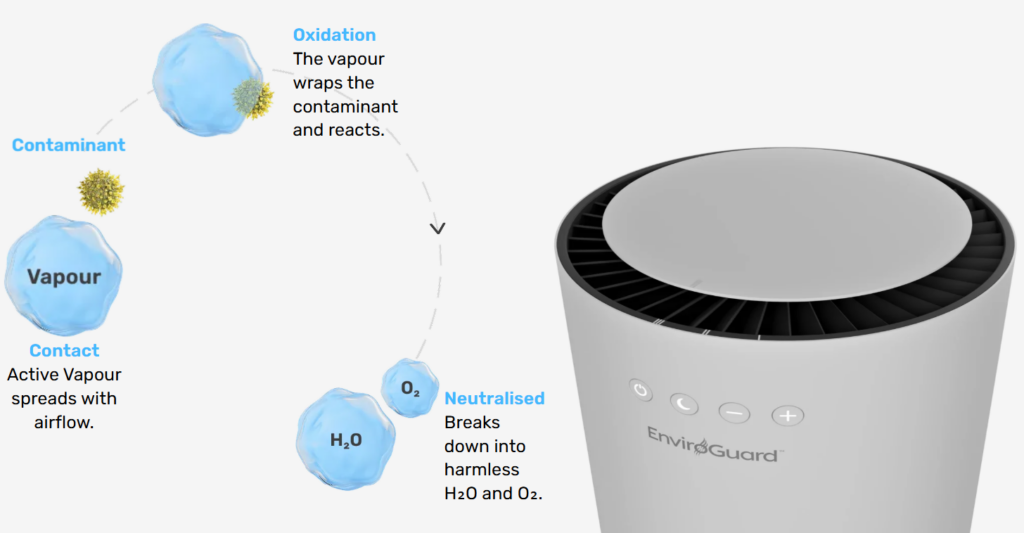
Modern technology has brought this natural mechanism indoors through “Active Air Treatment.” Rather than waiting for air to come to the machine, the active technology releases a safe vapour that carries out an oxidation reaction, breaking the chemical bonds of VOCs until they are completely dissolved, returning clean air to your home.
For anyone searching for the best air purifier for VOCs and mould, the fact is you need to look for a machine with this Active Neutralization Technology to close the gap left by conventional air filters that can only wait for air to drift through them.
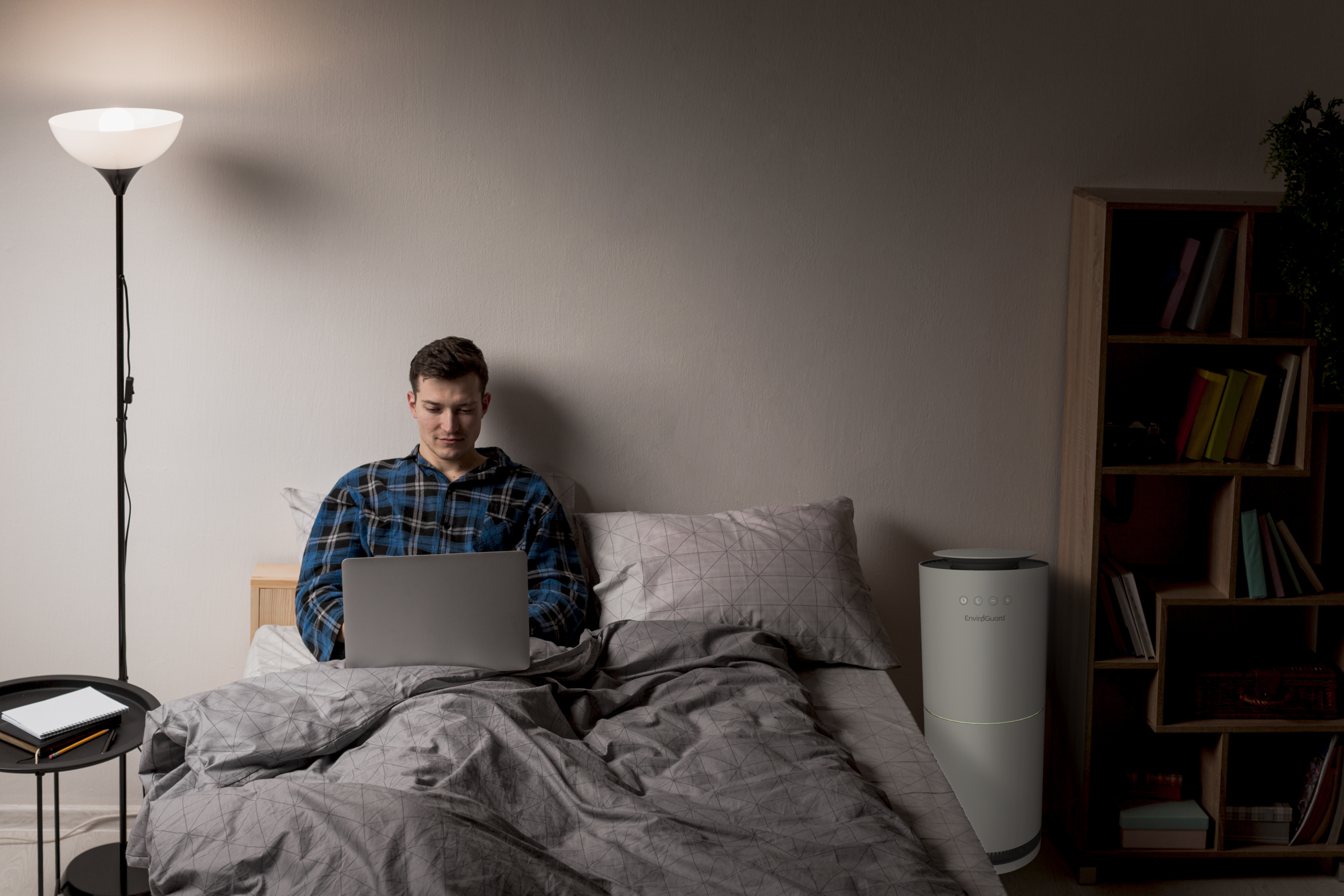
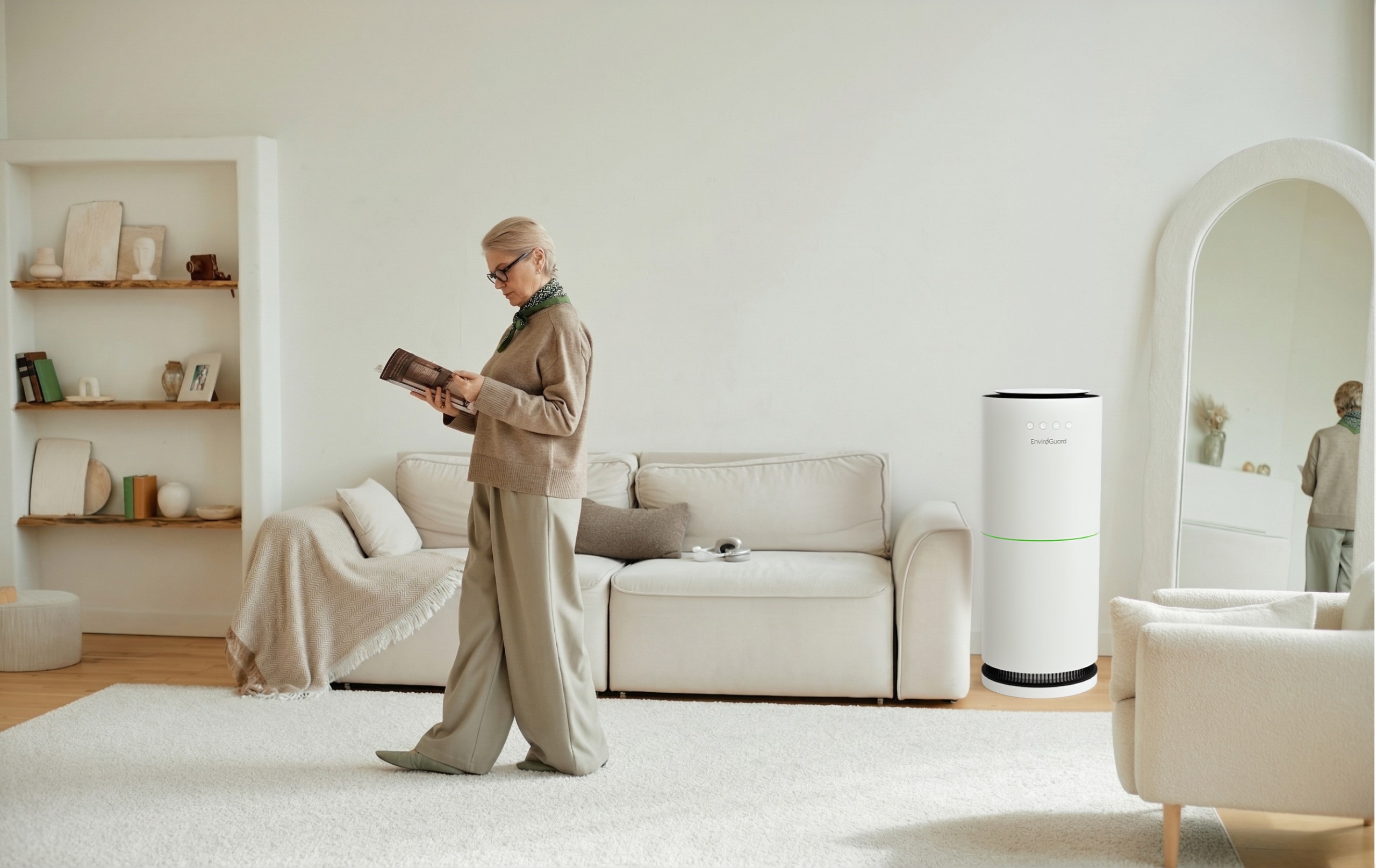
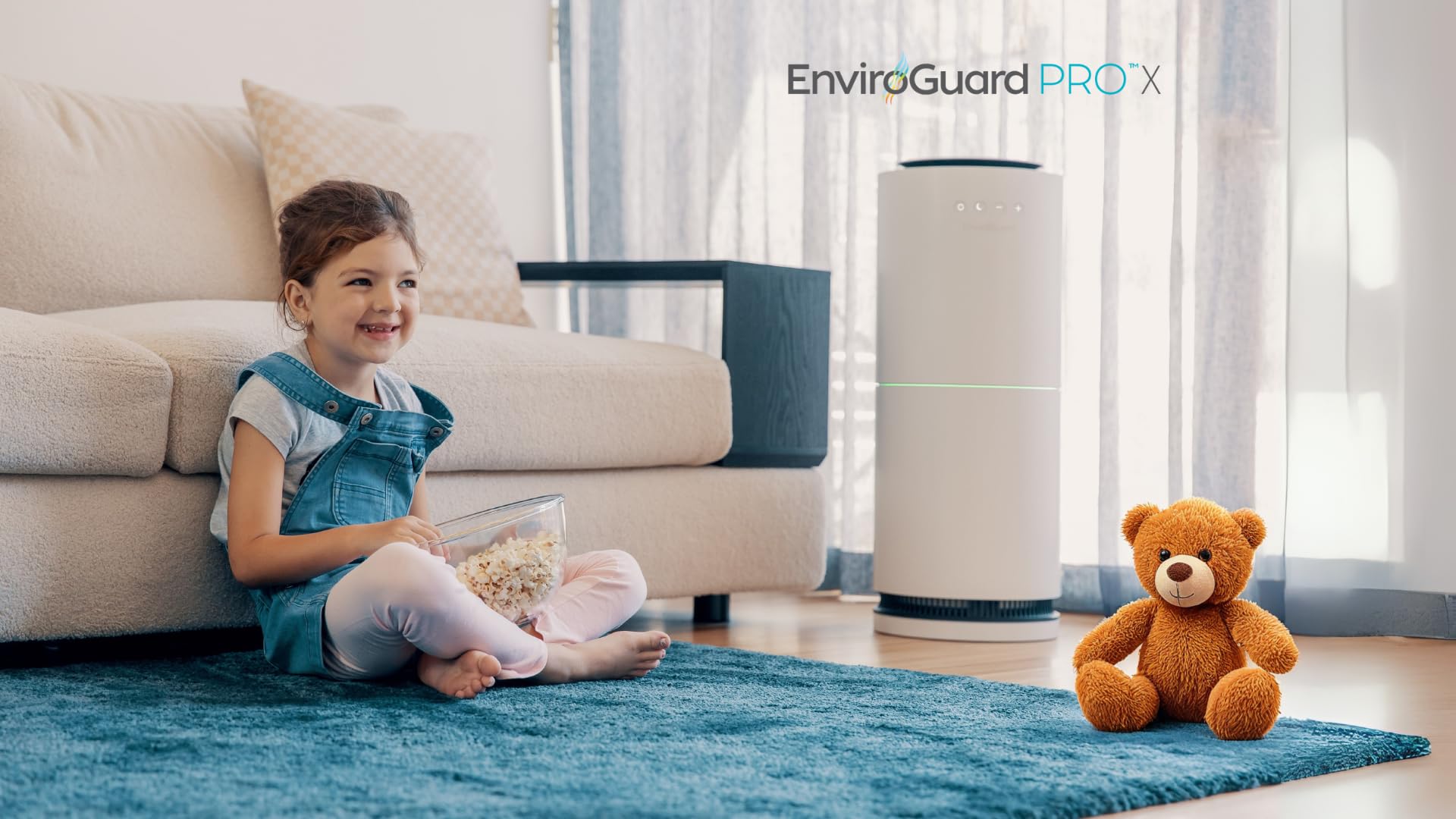
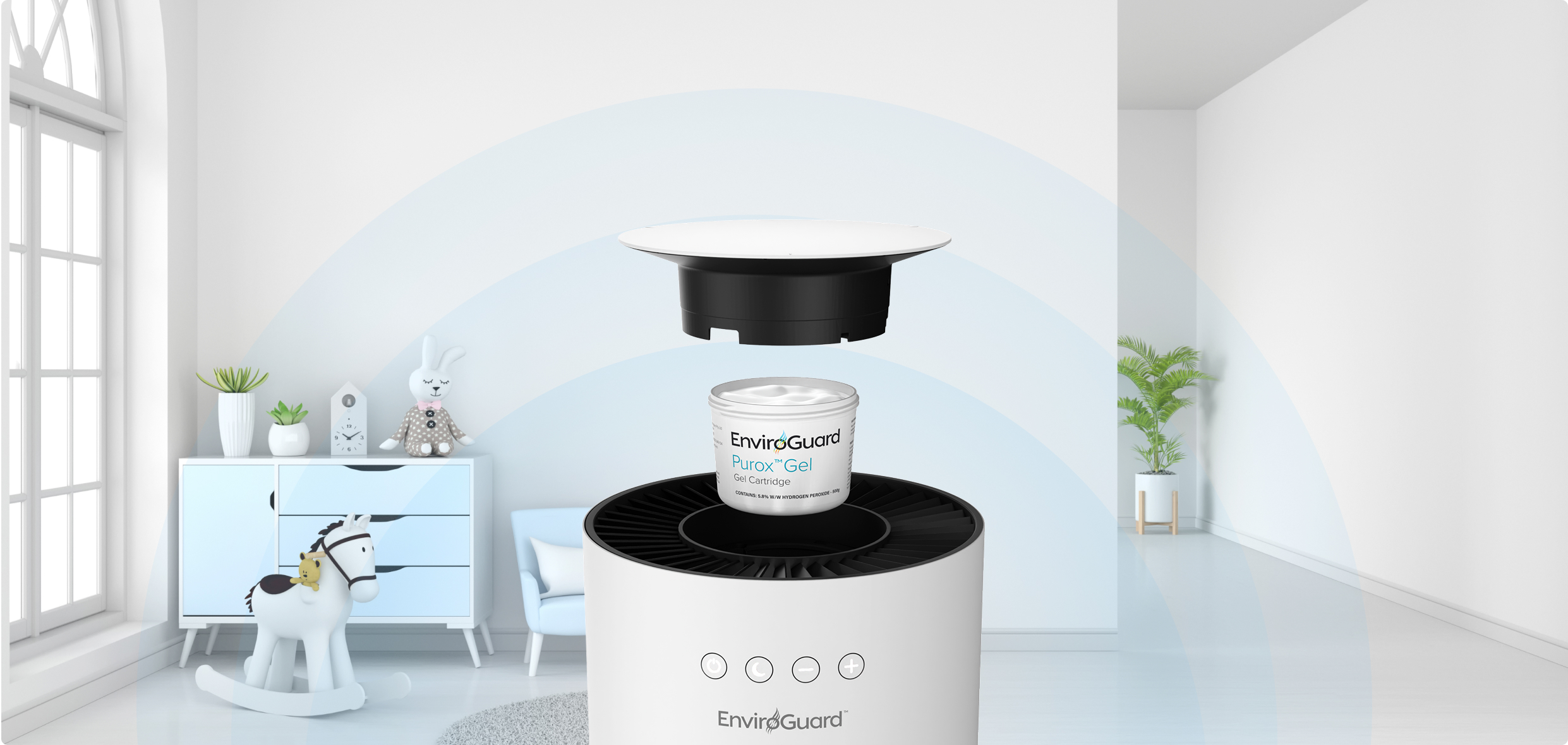
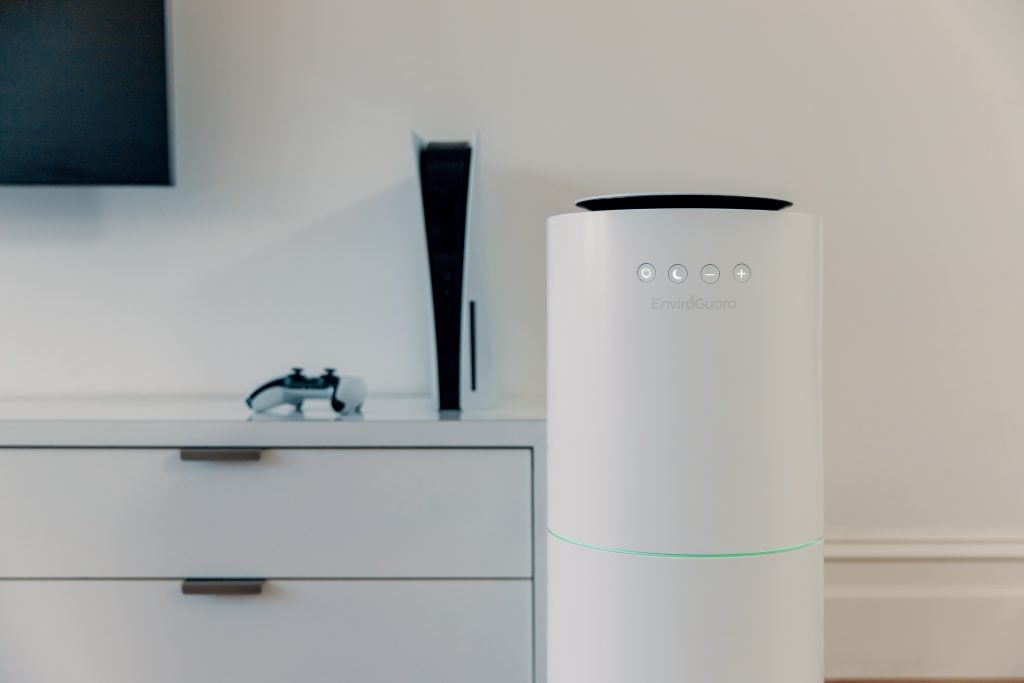
Meet VBreathe EnviroGuard PRO™ X: The Standard for Modern Air Purification
As we enter 2026, the standard in air purification has shifted. Experts have moved beyond relying solely on filters and have turned to Environmental System technology, such as the VBreathe EnviroGuard PRO™ X, which has fundamentally rewritten the rules of air purification. Its superiority lies in a powerful proactive operating system.
1. Purox™ Gel (Vapour Phase Oxidation)
Purox™ Gel harnesses naturally occurring Hydrogen Peroxide (H₂O₂) and releases it as an invisible active vapour. This vapour does not wait at the machine; it actively seeks out and reacts with VOCs and formaldehyde, breaking down their structure until they are reduced to nothing more than water and oxygen. No toxic residue remains, and it works up to 10 times faster than conventional air purifiers.
2. Whole-Room Protection Including Hidden Spaces and Contact Surfaces
Pollutants do not float in the air waiting to be vacuumed up by a machine; they hide inside wardrobes, in sofas, and in mattresses. The vapour from Purox™ Gel can penetrate areas that the airflow from a conventional purifier can never reach, destroying mould spores inside wardrobes or breaking down formaldehyde from new furniture right at the surface level.
3. PrimeProtect™ Filter
While Purox™ Gel eliminates toxic gases and pathogens, the unit also features a 4-stage medical-grade filtration system operating in parallel, capturing coarse dust particles and PM2.5 that drift near the machine, providing the ultimate layer of confidence.
How to Choose the Right Air Purifier for the Home
When choosing an air purifier from the hundreds of options on the market, here is a 3-point checklist to guide your decision, whether you are a first-time buyer or someone with specific requirements.
For First-Time Buyers
- Must have “Active” technology that genuinely handles chemicals: Do not rely solely on a carbon filter to eliminate odours. Look for a system that releases natural vapour (such as Purox™ Gel’s Vapour Phase Oxidation technology) capable of breaking down VOCs into water and oxygen.
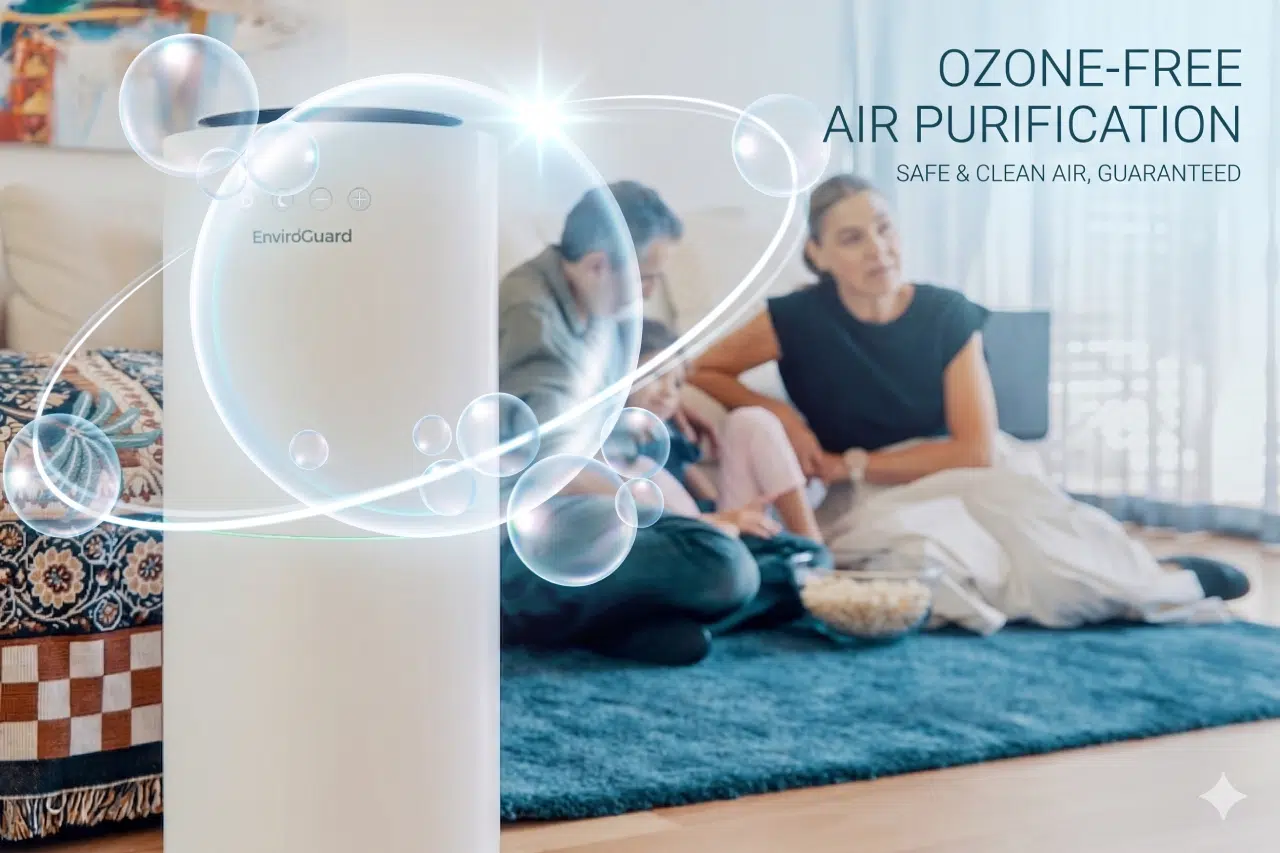
- 100% Ozone Free: Ozone-Free Air Purifiers, as ozone damages lung tissue. Purox™ Gel uses only H₂O₂, the same mechanism the human immune system produces to fight pathogens, making it 100% safe for infants, pregnant women, the elderly, and pets.
- Filter as a foundation for dust capture: Should be True HEPA or Medical-grade HEPA (capturing 99.97% of particles) to work in tandem with the Active Technology.
For Specific User Groups
- Allergy, asthma, or COPD sufferers: Specifically choose a Professional-grade or Hospital-grade machine that has been clinically tested to demonstrably reduce allergens and mould (99.99% pathogen reduction).
- Newly renovated homes or pet owners: may find conventional air purifiers insufficient. An Active air treatment technology such as VBreathe is recommended, as its vapour can disperse throughout the space and reach surfaces such as sofas and carpets where pets spend time.
Frequently Asked Questions
How long do VOCs stay in the air?
Without proper management, VOCs from new furniture or house paint can off-gas slowly and remain in the air for weeks, months, or even years. Using an Active Air Treatment system accelerates the process of breaking down the chemical structure of these compounds.
Does baking soda or vinegar neutralize VOCs?
No, they do not. Baking soda may temporarily mask odours but lacks the chemical properties to break down heavy toxic gases such as formaldehyde. Definitive elimination of VOCs requires an oxidation process using Hydrogen Peroxide.
Are air purifiers good for people with COPD?
They are highly beneficial and essential, but only if the machine uses an Active Technology. Patients with chronic obstructive pulmonary disease have lungs that are extremely sensitive to irritants. Breaking down VOCs into pure water and oxygen before the patient inhales them significantly reduces the risk of inflammation.
Conclusion: Making the Smart Choice for Your Indoor Air
In 2026, the scientific evidence is clear: air purifiers that passively wait for air to flow through a filter cannot decisively eliminate toxic gases, volatile compounds, and pathogens clinging to surfaces.
Adopting a Active Approach, led by proactive technology such as the natural vapour release of Hydrogen Peroxide from Purox™ Gel, which definitively breaks down VOCs and is as safe as the body’s own natural defence mechanisms, through the VBreathe EnviroGuard PRO™ X is not simply a consumer electronics purchase. It is the construction of the finest Environmental System for your home.
If you are searching for the best air purifier Australia that gives chemicals no escape route and addresses the problem at its very source, VBreathe is the answer, ready to elevate every breath in your space to the highest standard of cleanliness and safety.
(For in-depth information on Purox™ Gel’s Vapour Phase Oxidation technology, please visit our product page.)