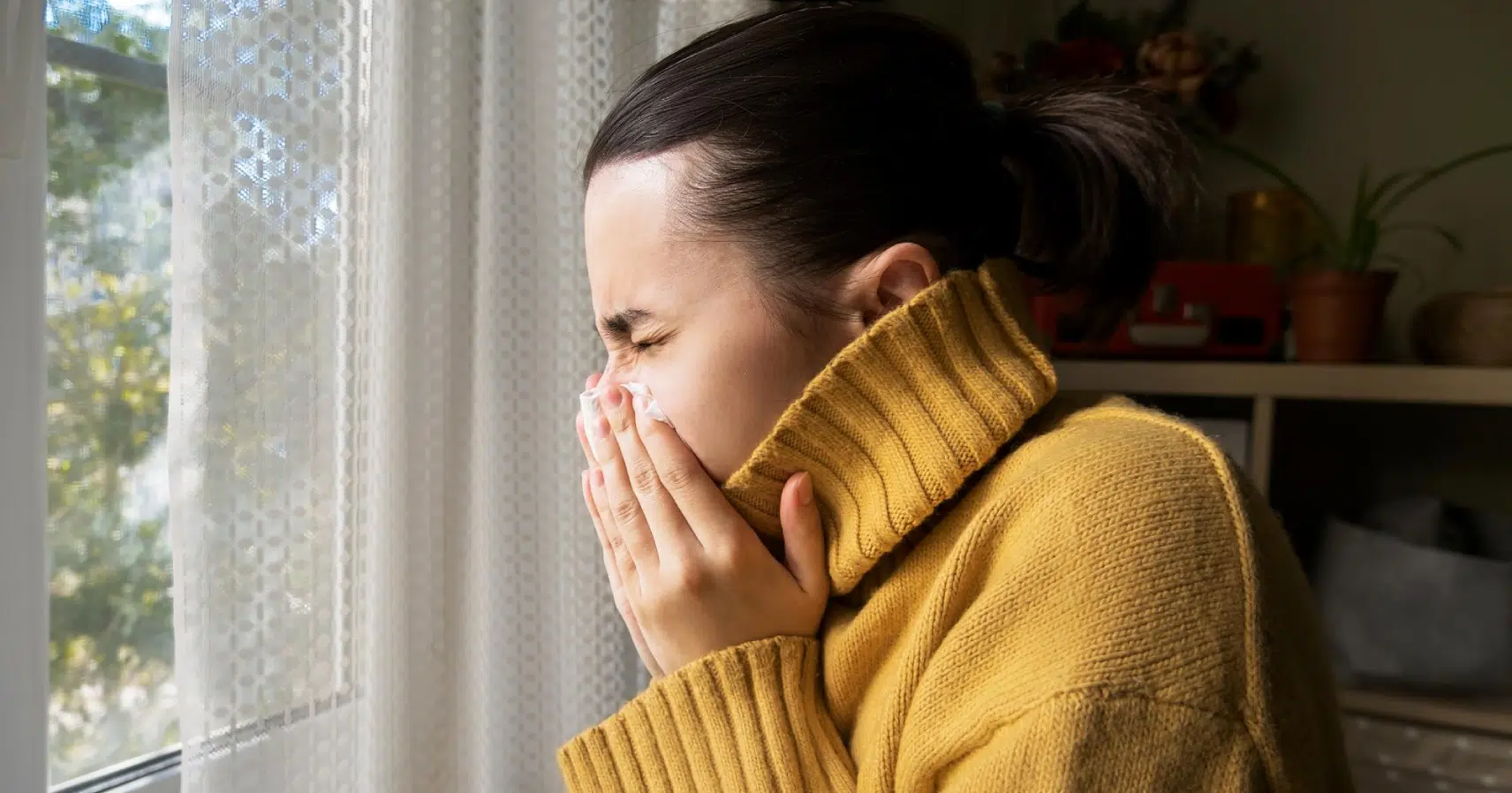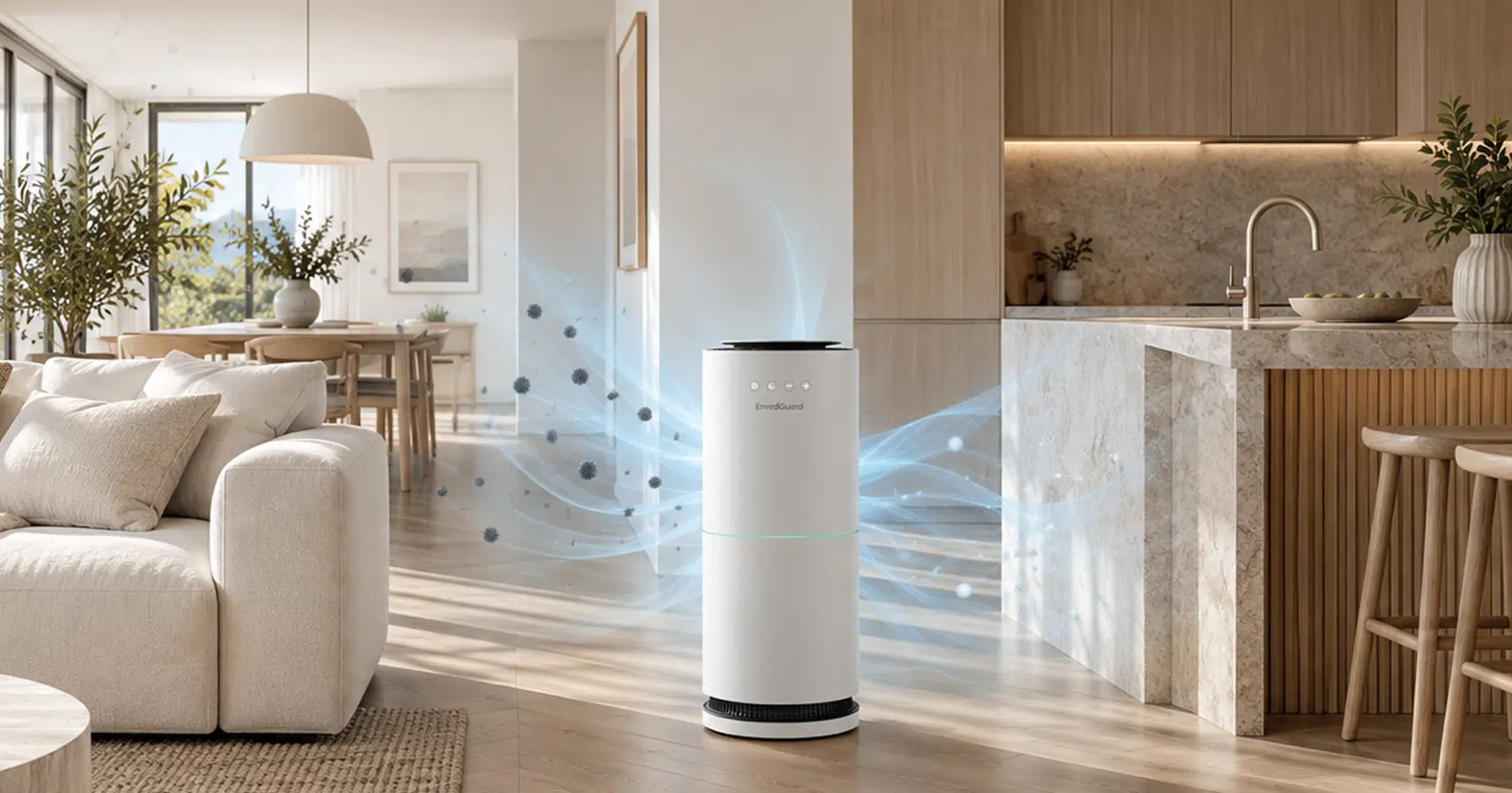

Indoor Air Quality (IAQ) is not merely about comfort; it is a critical factor directly impacting your respiratory health, daily productivity, and long-term well-being at home.
The most common point of confusion is: “Should I choose an air purifier or dehumidifier?” Because dust and excess moisture often coincide, many mistakenly assume these appliances are interchangeable.
In reality, these devices are designed to address completely different root causes of indoor air pollution. An air purifier acts as a front-line defense against airborne contaminants, while a dehumidifier regulates your environment to inhibit biological pollutants.
This guide clarifies the technical differences and provides a strategy for choosing the right equipment to create a cleaner, safer, and healthier living environment.
To optimise your home environment, you must distinguish between filtering airborne pollutants and controlling humidity levels that foster them. While both devices improve indoor air quality, their mechanisms are distinct: the air purifier employs advanced filtration to trap micro-particles, whereas the dehumidifier focuses on environmental regulation to halt the lifecycle of pathogens and allergens at the source.
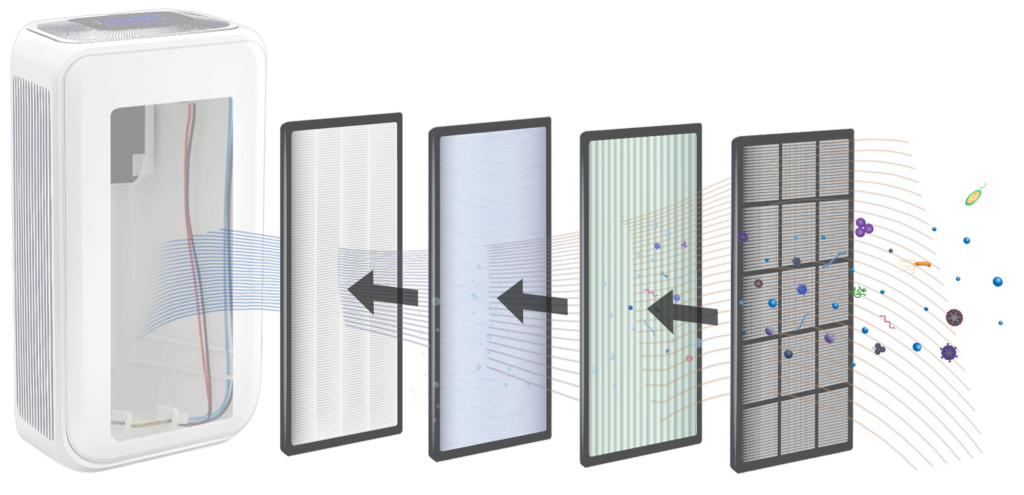
An air purifier is designed to draw air through various filter layers to capture hazardous particles, including PM2.5, pollen, pet dander, and smoke, while more advanced solutions like advanced air and surface purification go beyond filtration to actively neutralise contaminants in both the air and on surfaces. Efficiency is typically measured by the Clean Air Delivery Rate (CADR), which indicates the volume of clean air produced over time. Standard industry filters, such as True HEPA, can capture particles as small as 0.3 microns, ensuring the air circulated back into your room is purified and safe for your respiratory system.
A dehumidifier does not “filter” air; it “manages the environment” by reducing relative humidity to an optimal range (typically 30-50%). Using a compressor system, it draws humid air over cooling coils, causing moisture to condense into a water tank. By lowering humidity, it effectively disrupts the life cycle of organisms that thrive in dampness—such as mould, dust mites, and bacteria—thereby preventing musty odours and structural damage to your home.
Respiratory issues and allergies in the home are often triggered by microscopic organisms like dust mites and mould. Eradicating these irritants effectively requires a strategic approach, using both devices to target specific stages of their existence.
Dust mites are a primary cause of respiratory allergies, thriving in environments where relative humidity exceeds 60%. Effective control requires a two-pronged strategy:
Mould not only causes structural damage but its spores also pose serious lung health risks. It thrives in damp areas like bathrooms or basements, making it essential to implement solutions for mould and damp spaces, such as controlling humidity with a dehumidifier, improving ventilation, fixing leaks promptly, and using air purification systems designed to reduce airborne spores.
Investing in a dehumidifier should be based on your home’s physical environment. If your living space suffers from poor ventilation or high regional humidity, observing structural warning signs is the first step toward effective remediation.
Persistent moisture accumulation often manifests physically. If you notice these signs, a dehumidifier is essential:
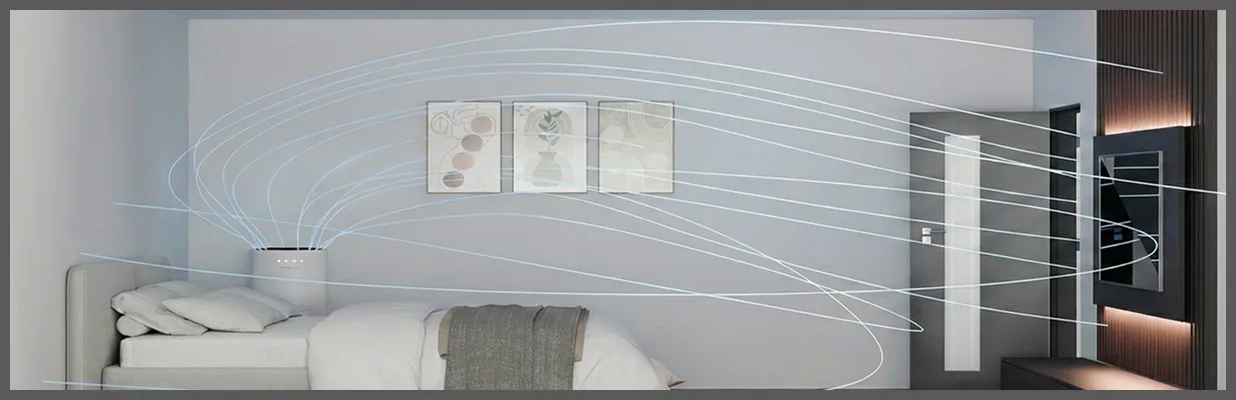
If your primary concern is respiratory health and airborne pollutants rather than dampness, an air purifier is your best investment. Its sole purpose is to remove invisible contaminants from the air you breathe.
You should consider an air purifier if you face the following:
When choosing an air purifier, consider these two factors:
| Feature | Air Purifier | Dehumidifier |
|---|---|---|
|
Primary Function
|
Cleans air, removes particles | Removes moisture, regulates humidity |
|
Target Pollutants
|
PM2.5, smoke, pollen, pet dander | Moisture, mould, dust mites |
|
Humidity Impact
|
None | Direct reduction (maintains 30-50%) |
|
Odour Control
|
Absorbs gases via Activated Carbon | Prevents musty odours at the source |
|
Mould Handling
|
Captures airborne mould spores | Prevents surface mould growth |
|
Dust Mite Handling
|
Captures airborne mite allergens | Kills mites by controlling humidity |
|
Ideal Locations
|
Bedrooms, living areas | Basements, bathrooms, laundry rooms |
1.) The “Damp Bedroom” Dilemma: For bedrooms with morning condensation and chronic nasal congestion, use a dehumidifier to drop relative humidity below 50% (killing dust mites), paired with an air purifier to filter out the leftover mite enzymes and mould spores from the air.
2.) Post-Bushfire & Smoke Exposure: During high-pollution events, the air purifier is your primary defense. Use a unit with True HEPA to trap smoke particles and an Activated Carbon filter to neutralise toxic gases and the smell of burnt debris, with advanced systems like EnviroGuard PRO™ X offering enhanced protection for extreme air quality conditions.
Choosing between an air purifier and dehumidifier is not about which is better, but about identifying your home’s specific root cause of pollution. Address excess moisture with a dehumidifier and airborne particulates with an air purifier. For the ultimate home health strategy, using them in tandem creates a comprehensive defense, ensuring long-term respiratory well-being.
Connect with Us Join our community on Facebook for more advice on maintaining a healthy home: VBreathe Safe
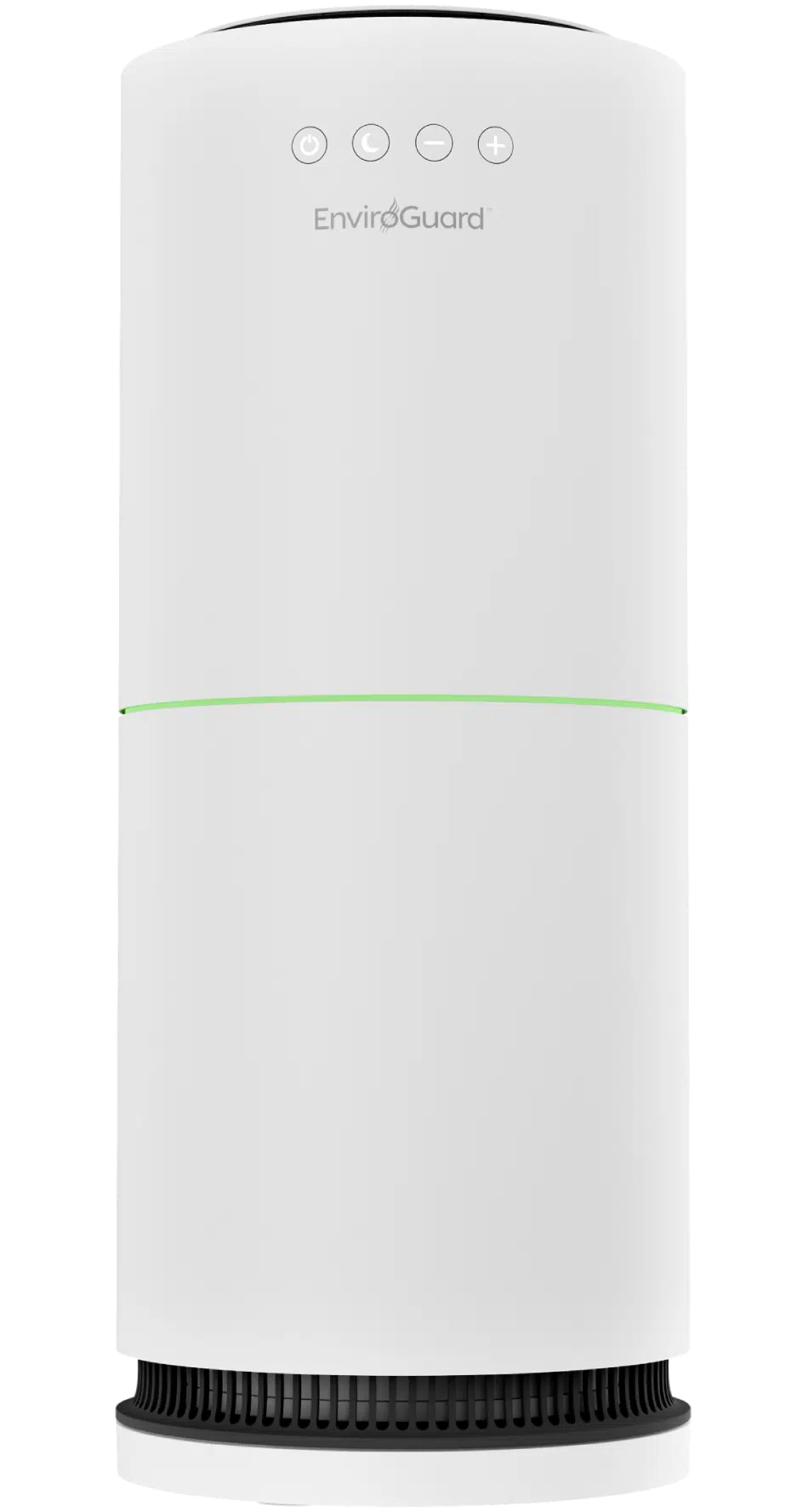
Upgrade to the innovative EnviroGuard PRO™ X today for only $790 (Was $1,590). Claim your $800 saving now and breathe cleaner, healthier air tomorrow.