
Pet owners commonly grapple with uncertain exposure, unpredictable flare-ups, and the emotional toll of managing symptoms within the home. These challenges can obscure the broader health impacts, including nocturnal sleep disturbance, reduced quality of life for both children and adults, and the risk of undiagnosed or mismanaged allergic conditions that persist beyond obvious sneezing matches.
in this comprehensive guide, you will discover the scientific mechanics of airborne distribution and the clinical-grade air management standards required to keep children and pets safe.
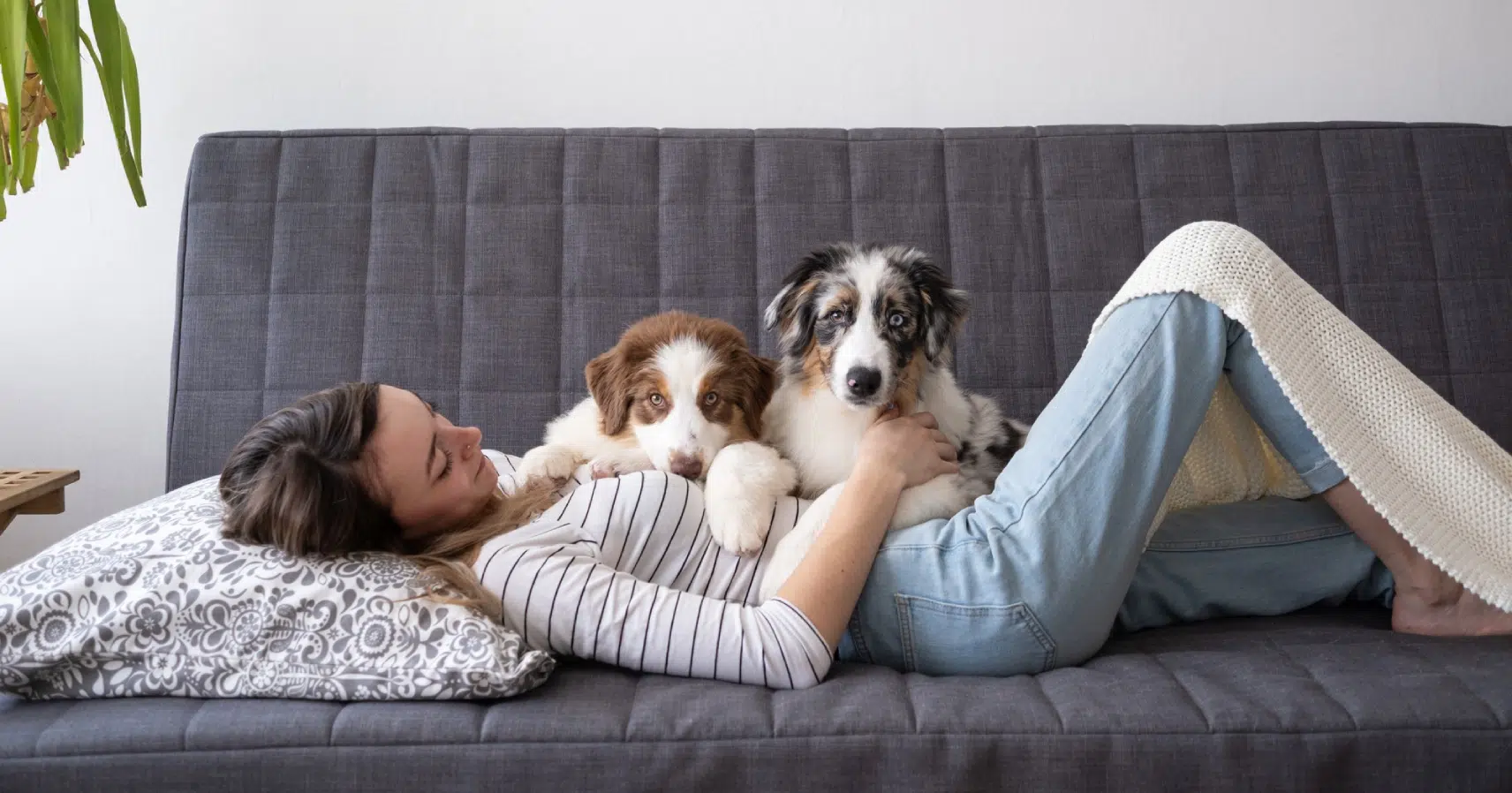
Pet allergies usually develop when microscopic proteins released by animals accumulate in indoor environments over time. These proteins are found in pet dander (tiny skin flakes), saliva, and other biological particles that become airborne and circulate through the home. Once released, they can remain suspended in the air or settle onto surfaces such as furniture, flooring, bedding, and fabrics, where they may persist for long periods—especially in enclosed homes with limited ventilation.
While many people associate pet allergies only with the presence of animals, research shows that indoor environmental conditions play a major role in determining how strongly allergens affect occupants. Airflow patterns, household materials, cleaning routines, and time spent indoors can all influence how allergens move, settle, and re-enter the air people breathe.
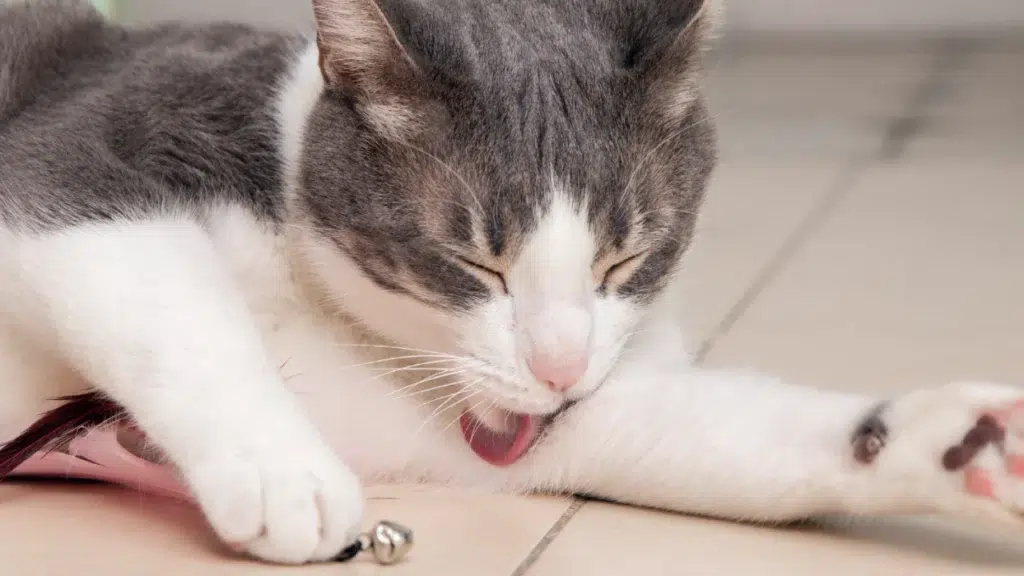
Pet allergens originate primarily from biological proteins produced naturally by animals. These particles are extremely small and can easily spread throughout indoor spaces.
The most common sources include:
Because these particles are lightweight, they can remain airborne for extended periods and spread beyond the immediate area where pets spend time.
Indoor spaces can amplify exposure to pet allergens when air circulation is limited or when surfaces trap particles easily. Homes with reduced ventilation allow allergens to build up gradually rather than being diluted or removed through fresh air exchange.
Certain household materials can also hold allergens longer than others. Carpets, upholstered furniture, curtains, and bedding can collect airborne particles and release them again during normal daily activity. Movement such as walking through rooms, sitting on furniture, or cleaning can disturb settled dust and reintroduce allergens into the air.
In homes where pets live indoors continuously, these conditions may contribute to higher long-term allergen levels compared with environments where airflow and cleaning are more consistent.
Not everyone exposed to pets develops allergic reactions. Sensitivity varies depending on immune system responses, genetic background, and existing allergic conditions.
People who may be more vulnerable to pet allergens include:
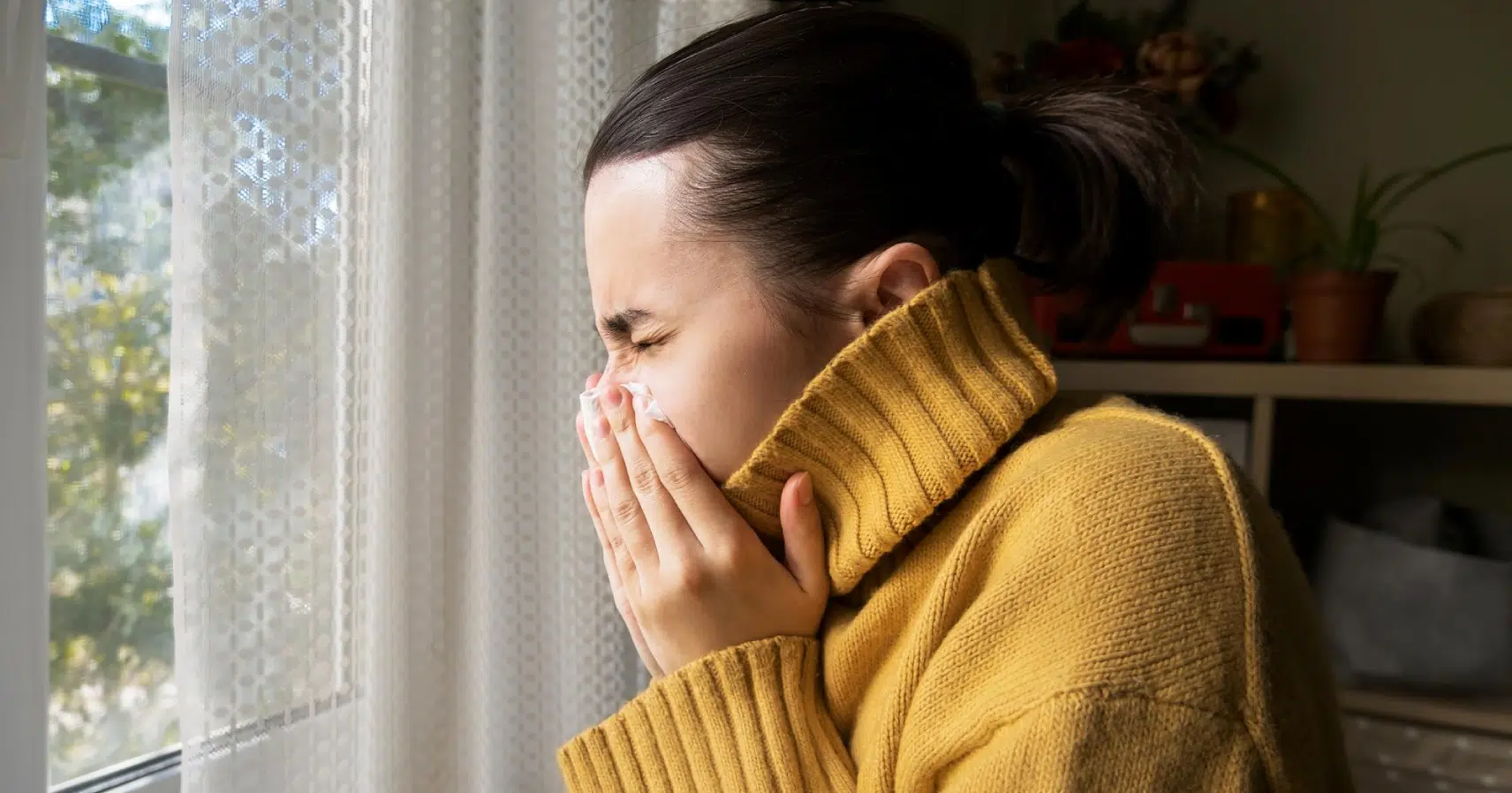
In these cases, the immune system may produce IgE antibodies in response to pet proteins, which can trigger symptoms such as sneezing, nasal congestion, itchy eyes, coughing, or respiratory discomfort.
Allergen exposure in a household is influenced not only by pets themselves but also by everyday living patterns inside the home.
Several factors can affect how allergens accumulate:
When homes have limited ventilation or high levels of indoor dust, allergens may remain suspended in the air longer or settle into surfaces where they can persist over time.
Pets continuously release allergen particles as part of their normal biological processes. However, the amount of allergen present in the home can vary depending on animal behaviour and care routines.
Factors that may influence allergen release include:
Active pets moving between rooms can distribute allergen particles more widely, contributing to their presence across multiple areas of a home.
Once released, pet allergens rarely disappear quickly. Instead, they tend to accumulate within what researchers often describe as an indoor allergen reservoir. This refers to the gradual buildup of allergen particles in dust, fabrics, and household surfaces.
Common areas where allergens collect include carpets, sofas, mattresses, curtains, and bedding. Even after cleaning, small amounts of allergen can remain embedded in materials and may become airborne again when disturbed.
Airflow systems, fans, and daily movement throughout the home can also redistribute particles, allowing allergens to circulate repeatedly within indoor spaces.
Although it is difficult to eliminate pet allergens entirely, several environmental strategies may help reduce exposure levels in homes with animals. Improving indoor airflow, maintaining consistent cleaning routines, and managing dust accumulation can support better air quality over time.
Some households also benefit from monitoring indoor air conditions to better understand patterns in airborne particles, humidity, and ventilation performance. When combined with guidance from healthcare professionals—particularly for asthma sufferers or those with allergies—these steps may help reduce symptoms and improve overall comfort in pet-friendly homes.
Active Gel Technology operates by releasing micron-sized active vapour that permeates the indoor environment to initiate a controlled oxidative process. The emitted vapour interacts with volatile organic compounds, allergenic proteins, and microbial contaminants both in suspension and on surfaces, generating reactive species that promote targeted oxidation. This ongoing oxidative milieu disrupts proteinstructures and inactivates pathogens by modifying surface amino acids and nucleic acids, reducing allergenicity and viability without requiring external mechanical filtration.
The diffusion of the active vapour ensures uniform exposure across the room, enabling real-time interaction with airborne particles and deposited residues. As reactive intermediates engage with contaminants, they form transient oxidised products that are further metabolised or volatilised, contributing to sustained decontamination kinetics. The mechanism leverages intrinsic redox chemistry to neutralise organic substrates, diminishing allergenic potential and microbial load while maintaining acceptable by-product profiles within safe indoor ranges.
A holistic approach to indoor environment management recognises that pet allergy risk is influenced not only by direct exposure but by a constellation of factors including air quality, surface cleanliness, humidity, and our daily routines, which together shape the body’s immune responses; for readers seeking deeper, evidence-based guidance, exploring resources such as Pet Allergies and Health Effects of Pet Allergens can help connect practical mitigation strategies with the underlying mechanisms of sensitisation, indoor air management, and household design choices that support long-term comfort and wellness for both people and pets.
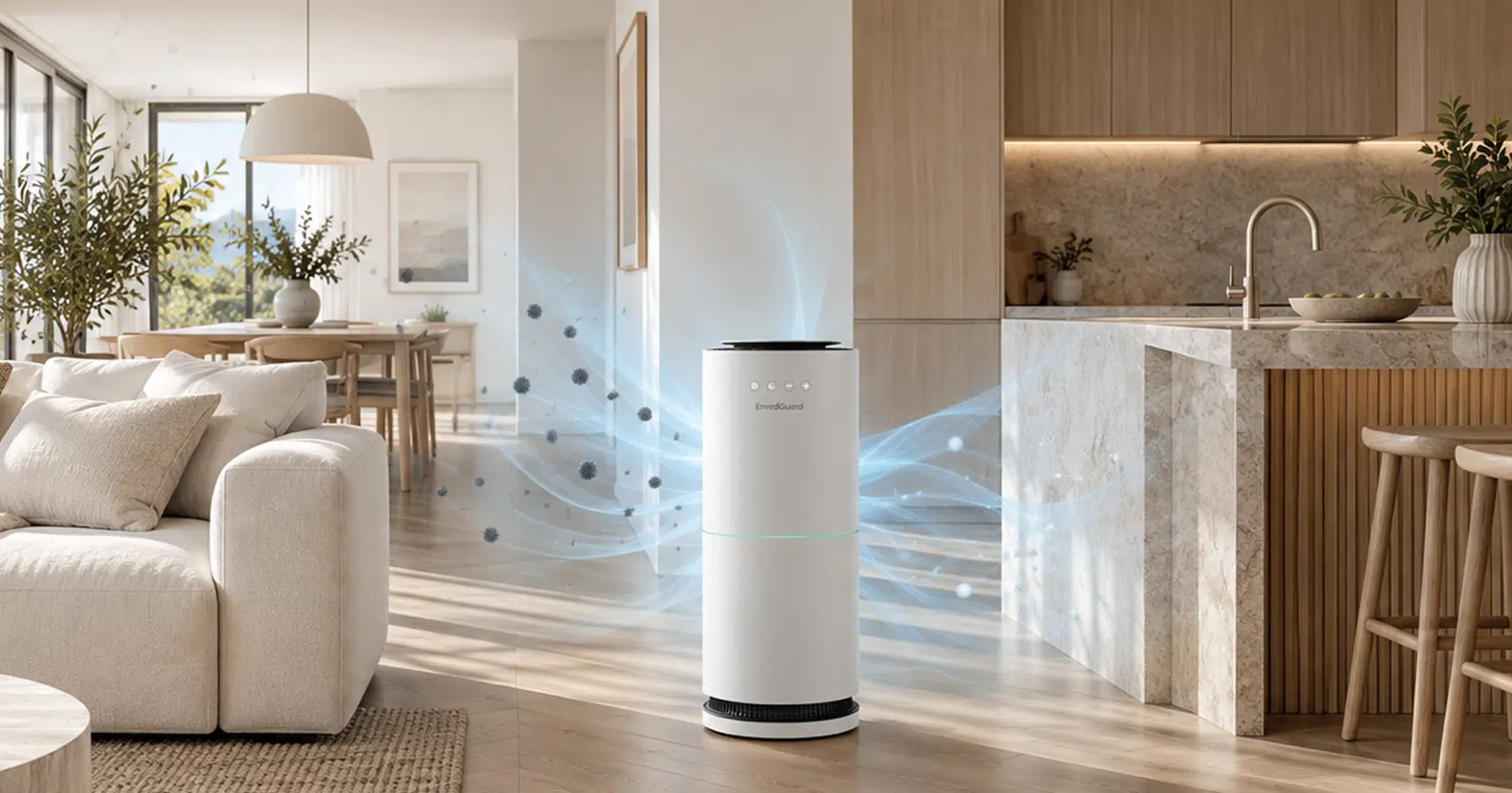
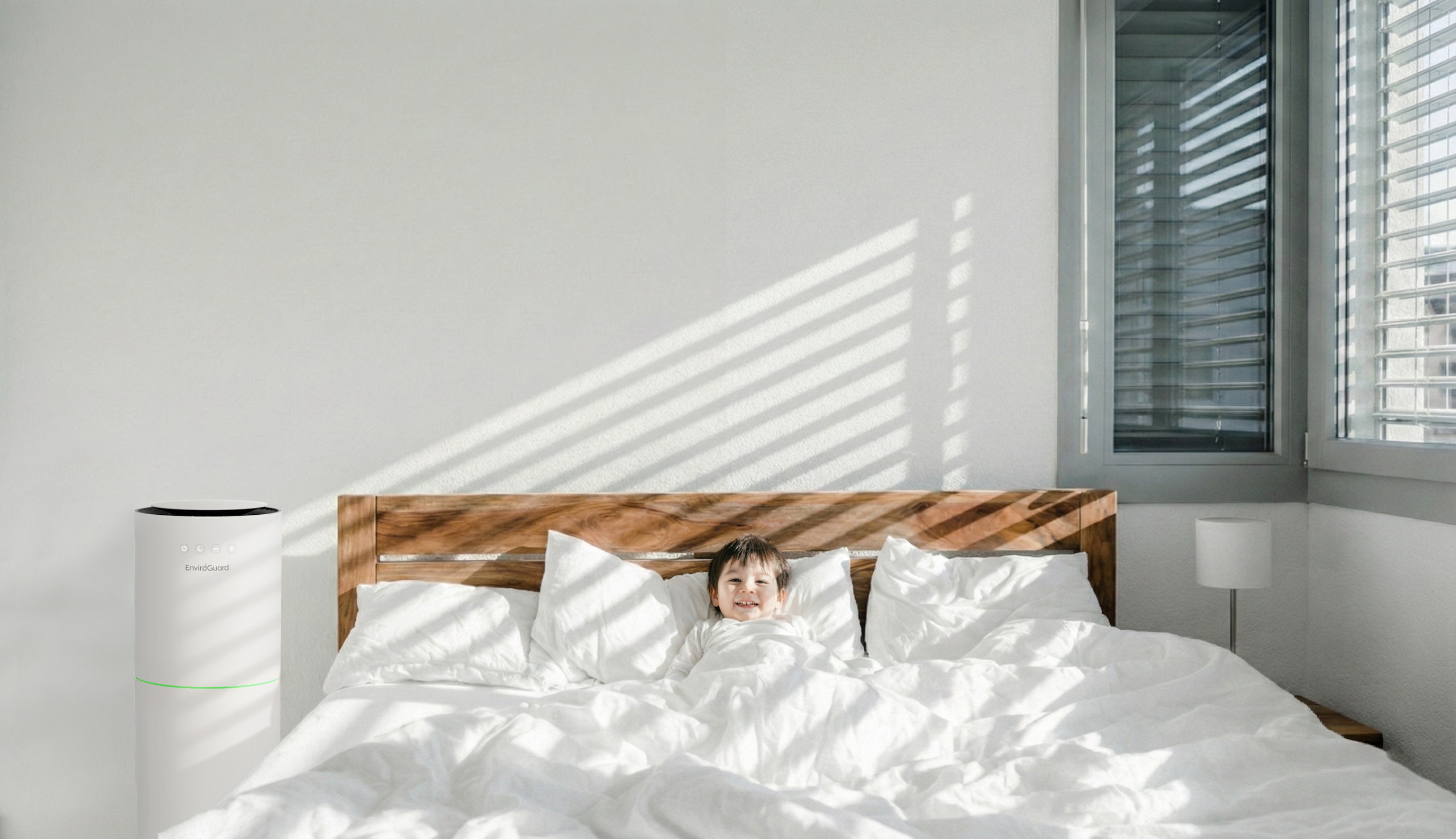
For professionals seeking a high-calibre solution that complies with indoor air quality safety standards, VBreathe EnviroGuard PRO™ X stands out as a strong option. Its Active Air Purification system outperforms standard purifiers and adheres to the ANSI IICRC S520 standard. The Purox™ Gel technology releases a vapour that emulates the action of natural free radicals—analogous to how sunlight neutralises pathogens outdoors—dispersing through the room to remove allergy-triggering proteins, bacteria, and mould with 99.9% efficacy, both in the air and on contacted surfaces. Importantly, its food-grade, ozone-free, and chemical-free formulation ensures that the hospital-grade clean air it provides remains safe for children, infants, and the pets you cherish.
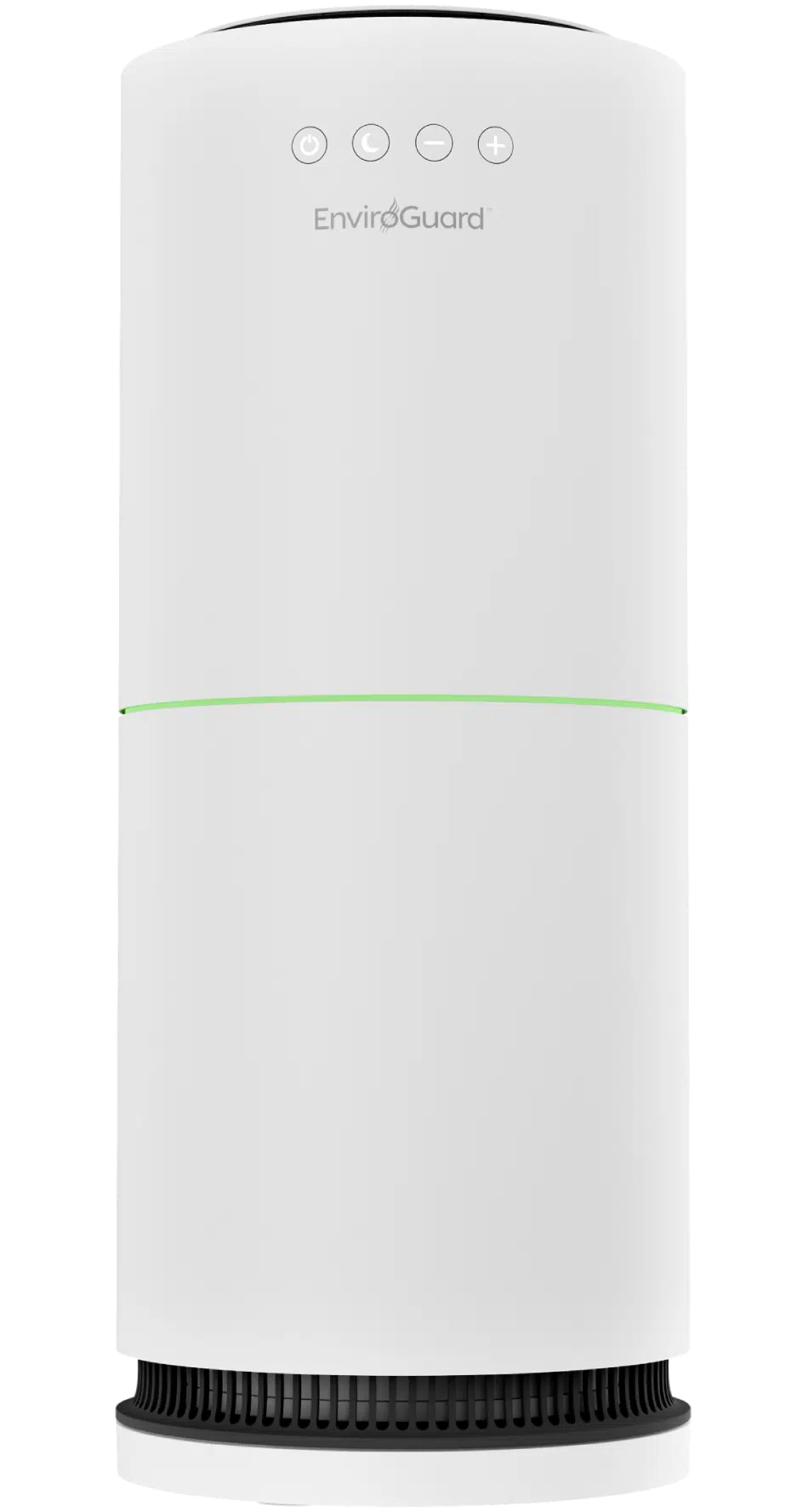
Upgrade to the innovative EnviroGuard PRO™ X today for only $790 (Was $1,590). Claim your $800 saving now and breathe cleaner, healthier air tomorrow.