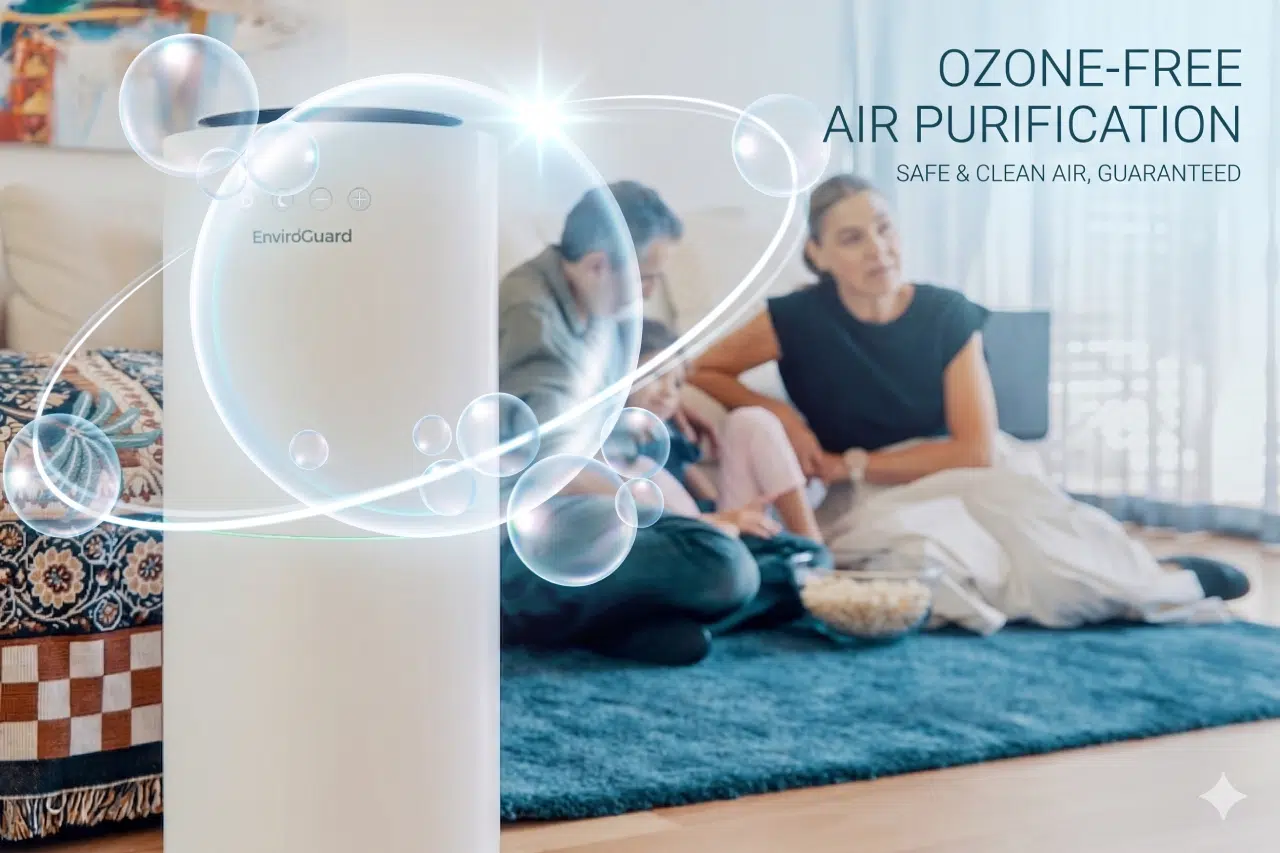
Most parents shopping for an air purifier are focused on what it removes from the air. Very few think about what it might be adding. Ozone — the molecule O₃ — is a powerful lung irritant that some air purifiers produce as a direct byproduct of their operating technology. In a child’s bedroom, where the same air is recirculated across eight or more hours of sleep, this matters significantly.
When discussing the “safest” air purifiers for home use, true safety isn’t just measured by how quickly a device can clear the room of dust. The core principle is purifying the air without introducing new pollutants, chemicals, or residual gases back into your home. An air purifier that is genuinely safe for the entire family—including babies, asthma and allergy sufferers, and pets—must meet the following essential criteria:
In short: The safest air purifier technology focuses entirely on “capturing and containing” pollutants within the unit, rather than emitting active, potentially harmful elements into the air you breathe.
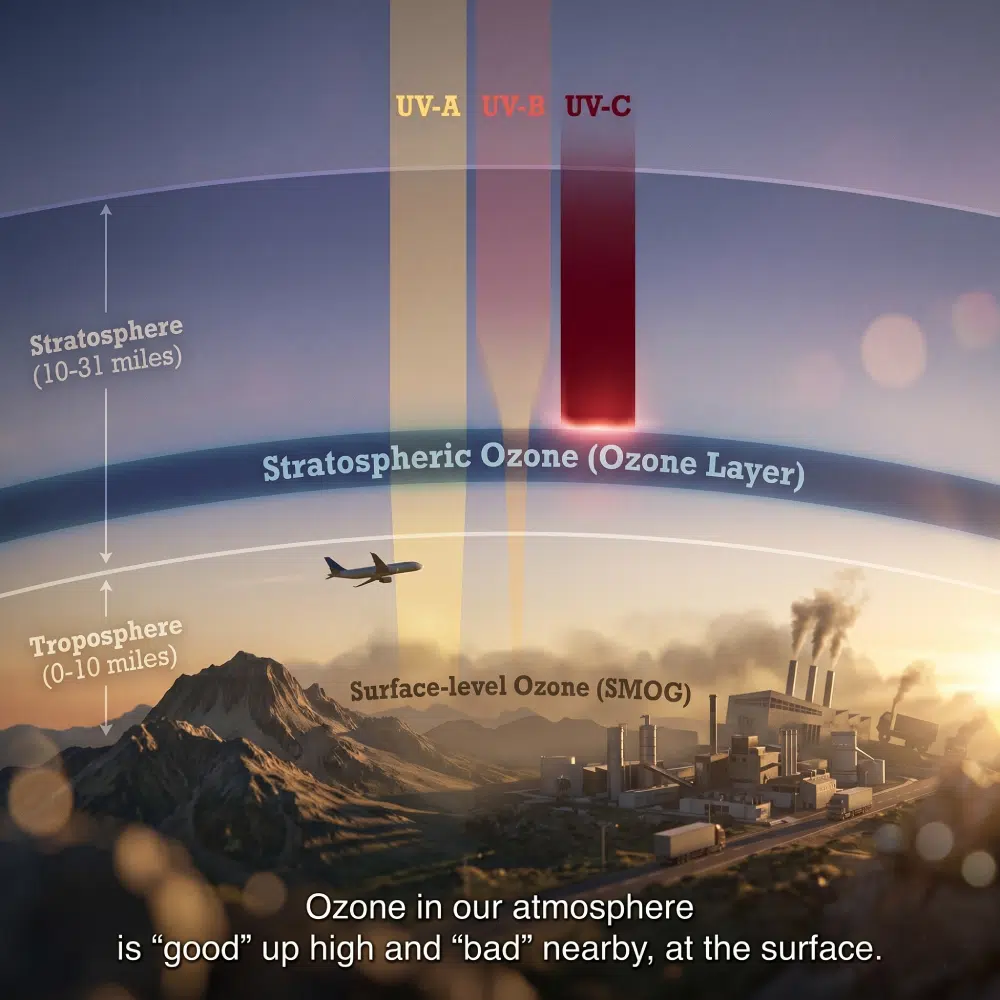
Ozone forms naturally in the upper atmosphere, where it performs a protective role. At ground level, however, the US Environmental Protection Agency classifies it as a respiratory hazard. At concentrations above 70 parts per billion, ozone has been shown to irritate airways, trigger asthma attacks, and reduce lung function — effects that are disproportionately severe in children, whose respiratory systems are still developing. A 2026 update to EPA guidance reinforced that ozone generators sold as air cleaners can produce concentrations in occupied spaces that exceed safe thresholds, particularly in smaller rooms with limited ventilation.
Children breathe at a faster rate than adults — approximately 20 to 30 breaths per minute compared to 12 to 20 for adults — which means they draw in a proportionally higher volume of whatever is present in the room’s air. The QUT-led ‘State of Indoor Air in Australia 2026’ report, which analysed data from more than 2,500 buildings, found widespread variation in indoor pollutant concentrations across Australian homes, workplaces, and schools.
Critically, that sample represented less than 0.03% of Australia’s building stock — meaning most Australian parents are making decisions about their children’s environment, such as whether to invest in an air purifier for baby, with no baseline measurement of what is actually present in the air.
The paradox is this: many devices marketed specifically as air purifiers — with packaging that prominently features families, children, and clean domestic spaces — rely on ionisation or UV-C technology that generates ozone as part of its operating mechanism. The device is sold as the solution to the very problem it is, in part, creating.
You may wonder: if the goal is clean air, why do some air purifiers intentionally or accidentally release harmful gases? The answer lies in scientific processes that attempt to mimic nature but fail to account for the dangers of a confined indoor space.
Air purifiers that emit ozone typically rely on two primary methods involving electricity or light:
Atmospheric ozone protects us from UV radiation, but when air purifiers produce it in a bedroom, it transforms from a ‘protective shield’ into a ‘corrosive irritant’:
In short, indoor ozone acts as a corrosive respiratory irritant that inflames airways, threatens developing children, and reacts with everyday household fragrances to produce hazardous carcinogens like formaldehyde. To protect your family from these hidden dangers, it is crucial to avoid ozone-producing technologies and instead opt for the best air purifiers for allergies that utilize 100% ozone-free, medical-grade filtration to ensure a truly safe breathing environment.
Not all air purification technologies carry the same risk profile, and the distinction matters enormously when the device will operate continuously in a room where children sleep. Understanding the technology behind a product is more reliable than reading its marketing copy.
Three main categories of air purifiers are known to produce ozone as a byproduct.
The technologies confirmed to be 100% ozone-free are those that either remove pollutants physically without generating reactive byproducts, or that use oxidising agents operating below detectable thresholds.
The California Air Resources Board (CARB) mandates that air cleaners emit no more than 0.050 ppm of ozone. Since Australia lacks an equivalent federal standard, parents should use this CARB threshold as their primary safety benchmark. Always demand documented test results against this limit before bringing any device into a child’s home.
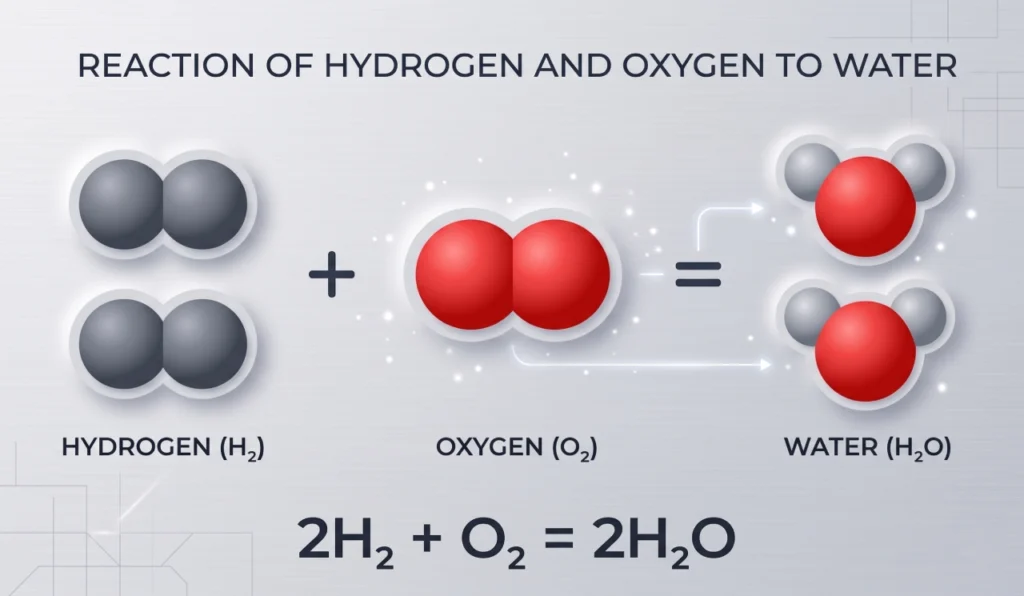
The most common question parents ask when first encountering Vapour Phase Oxidation technology is the most important one: if the device releases hydrogen peroxide vapour into the room, is it safe for children to breathe? The answer, supported by independent clinical testing, is yes — and the reasoning is straightforward.
Hydrogen peroxide is not a synthetic compound. The human immune system produces it endogenously: white blood cells generate H₂O₂ as a pathogen-killing mechanism, deploying it against bacteria and viruses at the cellular level. The same molecule — refined, concentrated to 5.8% w/w in Purox™ Gel, and released as a controlled vapour — forms the basis of active air treatment in clinical Vapour Phase Oxidation technology. The body’s own immune defence already uses this chemistry daily.
At the operational concentrations released by clinical-grade systems, independent testing by Eurofins in Sydney found zero detectable H₂O₂ at any measurement point after 24 hours of continuous operation. The University of New South Wales independently concluded that the technology is completely safe to use as intended in occupied spaces. These are findings from accredited third-party testing institutions with no commercial interest in the outcome — not manufacturer claims.
Differentiate between the 3% liquid hydrogen peroxide pharmacies sell and the trace vapour concentrations active technology release. These devices operate at levels well below the safety limits Safe Work Australia and international health bodies establish. For children, including infants, the independent safety profile during continuous operation is clear: H₂O₂ vapour at these concentrations presents no detectable risk.
✨ WHAT ARE THE SAFEST AIR PURIFIERS FOR HOME USE?
The safest air purifiers combine 100% ozone-free certification with Medical Grade HEPA-13 filters and active H₂O₂ Vapour Phase Oxidation. These systems destroy VOCs and pathogens mid-air without creating reactive byproducts. Avoid ionisers, plasma, or UV-C devices that risk ozone leaks. Always verify safety through independent third-party lab results rather than manufacturer claims.
Australia’s specific environmental and housing conditions create an indoor air quality risk profile that differs from most countries where air purifier research originates — and that most generic buyer’s guides do not address. Understanding this context is essential for making a decision that reflects actual household conditions.
The 2025–2026 bushfire season brought intense blazes across Victoria and New South Wales, with smoke documented as far as Sydney and across the Tasman. During these events, PM2.5 concentrations in affected cities temporarily reached ‘Poor’ and ‘Very Poor’ categories on the national air quality index — levels at which health authorities recommend limiting outdoor exposure for children and people with respiratory conditions. The immediate response of sealing homes and running air conditioning, while appropriate for outdoor smoke, concentrates a separate category of indoor pollutants: the VOCs off-gassing continuously from furniture, flooring, paint, adhesives, and synthetic textiles.
Australia’s housing stock skews toward newer construction with high levels of thermal sealing — a design outcome of energy efficiency standards that reduces natural ventilation. The QUT 2026 State of Indoor Air report found that indoor concentrations of CO₂, particulate matter, formaldehyde, and NO₂ varied widely across the buildings studied, and that the data covered less than 0.03% of Australia’s total building stock. The vast majority of Australian households have no baseline measurement of what is present in their indoor air.
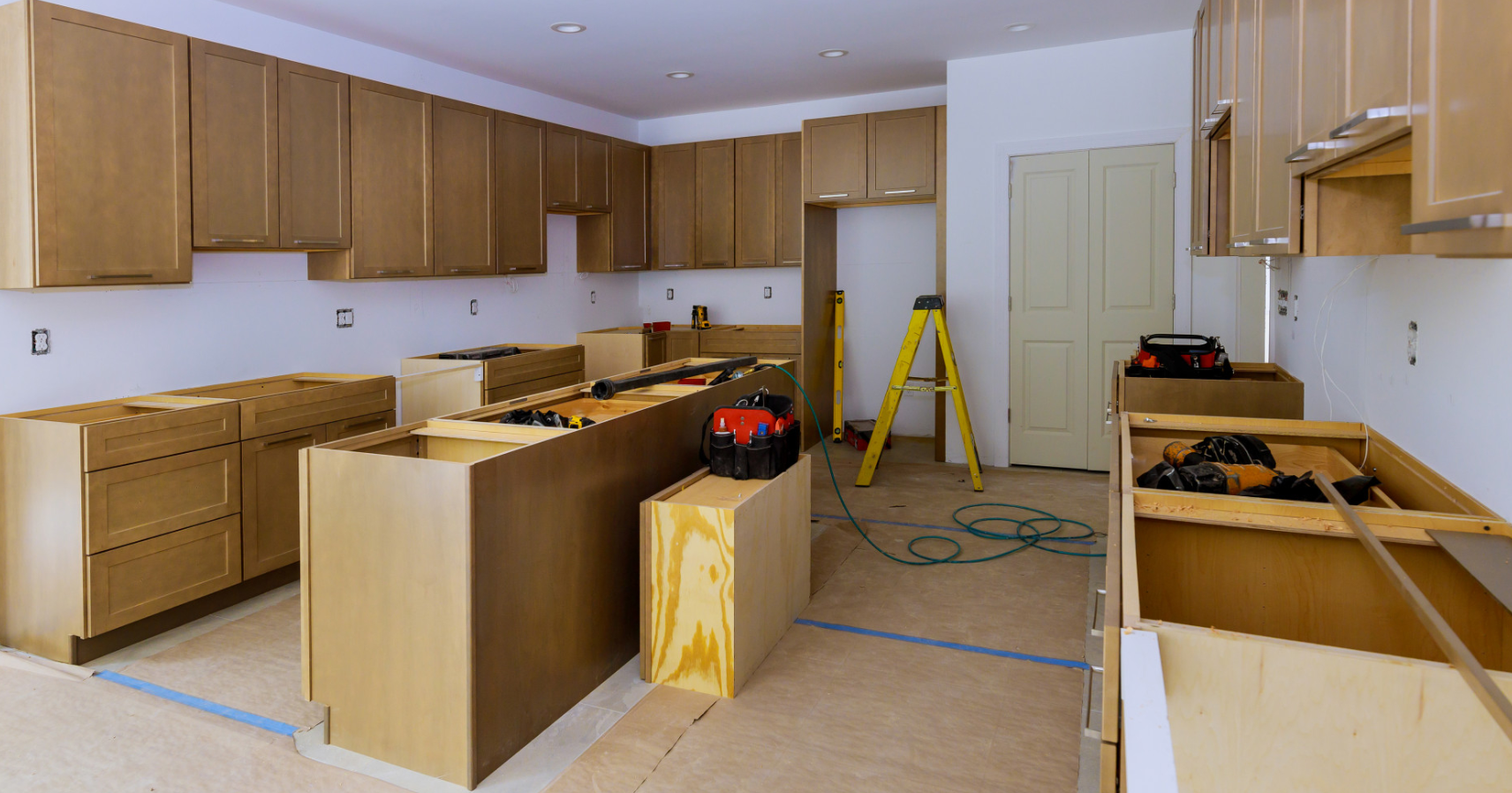
In a child’s bedroom specifically, the convergence of risk factors is acute. New flat-pack furniture — MDF and particleboard bonded with urea-formaldehyde adhesives — off-gasses formaldehyde continuously for months after purchase. Synthetic carpet and underlay release benzene and toluene. Scented plug-in fresheners add acetone and limonene. A sealed, air-conditioned room containing all of these elements and no active air treatment creates a chemical environment that a HEPA filter alone is not designed to address.
The safest air purification methods for homes with asthmatic children must account not only for what enters from outside, but for what is already being released inside. Scented candles, synthetic air fresheners, and fabric softeners are among the most common sources of VOC exposure in Australian households — and they are precisely the products parents tend to use to make a home feel clean and calm.
Burning scented candles releases a combination of fine particulates, soot, and VOCs including acetaldehyde, formaldehyde, and acrolein. The scent clears from the room within an hour of the candle being extinguished; the chemical residue lingers for considerably longer. Plug-in air fresheners operating continuously release limonene and acetone into the air throughout the day. In a child with asthmatic airways, where bronchial inflammation is already the baseline condition, these secondary VOC sources act as persistent, low-level triggers.
The compounding effect of an ozone-generating purifier in the same space makes this significantly worse. When ozone reacts with limonene — one of the most common fragrance compounds in air fresheners and candles — it produces secondary organic aerosols and ultrafine particles, including formaldehyde. A device marketed as cleaning the air can, under these conditions, actively increase the concentration of respiratory irritants. An active air treatment technology using H₂O₂ Vapour Phase Oxidation does not produce this reaction. It oxidises VOCs, including limonene and acetone, into water vapour and oxygen, without generating ozone or secondary byproducts.
The safest air purifiers for home use share three characteristics that can be verified before purchase, regardless of marketing language. Establishing these criteria as a non-negotiable checklist removes ambiguity from a category where product claims frequently outrun the evidence.
Demand confirmed ozone-free certification from an independent body—never rely on a manufacturer’s self-declaration. This requires documented test results from an accredited laboratory referencing the CARB 0.050 ppm threshold or equivalent Safe Work Australia standards. If a purifier uses ionisation, UV-C, or plasma technology, insist on seeing this documentation before bringing the device into a home with children.
Insist on a True Medical-Grade HEPA-13 filter with a 99.97% particle capture efficiency at 0.3 micrometres. Hospitals trust this standard for their isolation rooms. Filters below this grade fail to capture the particles most dangerous to respiratory health: PM2.5, mould spores, pollen, pet dander, and viral aerosol droplets. Marketing often blurs the lines, but HEPA-10 or HEPA-11 filters simply do not offer equivalent protection.
Select a system with an active treatment component to tackle VOCs and surface-level contamination that HEPA filters cannot reach. Using Vapour Phase Oxidation with H₂O₂ provides a clinical solution backed by independent efficacy and safety data. In Australian homes with new furniture and synthetic carpets, passive filtration alone leaves the “chemical dimension” of air quality unaddressed. An Environmental System—combining active vapour treatment with medical-grade filtration—provides the complete coverage a single-technology device lacks.
| Criterion | What to Verify | Red Flag |
| Ozone-Free Status | Independent lab result referencing CARB 0.050 ppm threshold | Manufacturer self-declaration only |
| Filter Grade | HEPA-13 rated at 99.97% at 0.3 μm — medical standard | HEPA-10 or HEPA-11 |
| Active Treatment | H₂O₂ Vapour Phase Oxidation with Eurofins or equivalent test data | UV-C or ioniser technology with no ozone test |
| Clinical Testing | Named third-party lab, specific pathogen strains, log-reduction figure | ‘Clinically tested’ with no supporting documentation |
✨ WHAT ARE THE SAFEST AIR PURIFICATION METHODS FOR HOMES?
Safe air purification combines three essential pillars: source control, natural ventilation, and continuous active treatment. For Australian homes facing bushfire smoke or chemical off-gassing, an ozone-free Environmental System pairing H₂O₂ Vapour Phase Oxidation with Medical Grade HEPA-13 provides the most comprehensive protection—neutralising airborne particles and toxic VOCs mid-air without generating any harmful secondary byproducts.
The safest air purification methods for homes are those that operate continuously — not reactively. The pollutants presenting the greatest risk in a child’s bedroom do not arrive in sudden, detectable surges. Formaldehyde off-gasses from furniture at a steady rate throughout the night. Mould spores remain airborne regardless of activity in the room. Pet dander accumulates on surfaces and re-enters the air during sleep movement. An air purifier that activates only when a sensor detects a spike above a threshold is, by definition, responding to a problem rather than preventing one.
An active air treatment technology operating in Night Mode — at 33 dBA, with all indicator lights dimmed — is as close to imperceptible as a running appliance can be. The University of New South Wales independently concluded that H₂O₂ vapour technology is completely safe when used as intended in occupied spaces, including during continuous overnight operation. Eurofins testing, which found no detectable H₂O₂ after 24 hours of continuous use, indicates that the safety profile does not degrade with duration — remaining consistent whether the device has been running for one hour or eight hours.
The distinction between a filter-only system and an active system becomes most meaningful during sleep hours. A HEPA filter running at low speed captures particles that enter its airflow. It does not address the formaldehyde diffusing from the mattress beneath the child, the mould spore that settled on the wardrobe wall, or the VOCs accumulating from new furniture elsewhere in the room. An active vapour technology operating simultaneously disperses H₂O₂ vapour throughout the entire room — reaching surfaces, corners, and enclosed spaces that no airflow-dependent device can access.
For Australian parents making this decision in 2026, the answer to whether it is safe to run an ozone-free active air purifier through the night is not only yes — for households with new furniture, synthetic textiles, pets, or children with asthma or allergies, continuous overnight operation is where the technology delivers its most significant benefit. The room does not need to smell of anything. Nothing needs to be visible. The work is invisible, and by the time the child wakes, it has already been done.
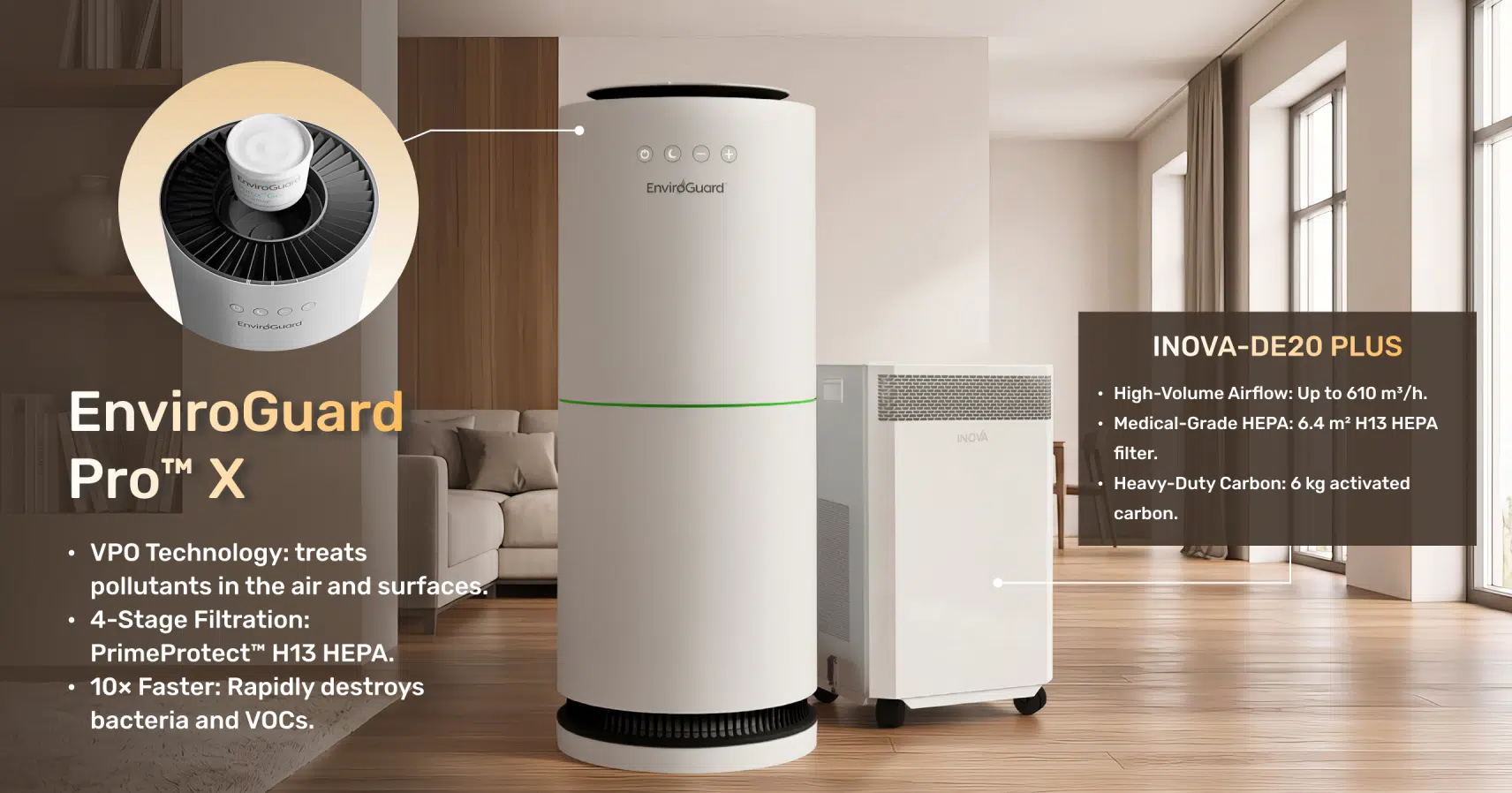
The EnviroGuard PRO™ X embodies this invisible protection, combining medical-grade filtration with clinically proven Vapour Phase Oxidation. By diffusing a controlled vapour of Purox™ Gel throughout the room, this Environmental System neutralises airborne pathogens and VOCs at the source—even on surfaces that standard HEPA filters cannot reach.
When paired with the high-efficiency PrimeProtect™ Filter, the EnviroGuard PRO™ X ensures 100% ozone-free, hospital-standard air quality. It operates silently in Night Mode, providing Australian parents with the peace of mind that their child’s environment remains purified and safe from the first breath of the night to the last.
PRIMARY SOURCES
QUT / Lidia Morawska & Wendy Miller · State of Indoor Air in Australia 2026 · Eurofins Sydney · Independent H₂O₂ efficacy and exposure testing · University of New South Wales · Safety assessment of H₂O₂ vapour systems · US EPA · Ozone generators sold as air cleaners (updated September 2026) · California Air Resources Board · Air cleaner certification programme · IQAir · Ionisers and ozone air purifiers: are they safe? (March 2026)
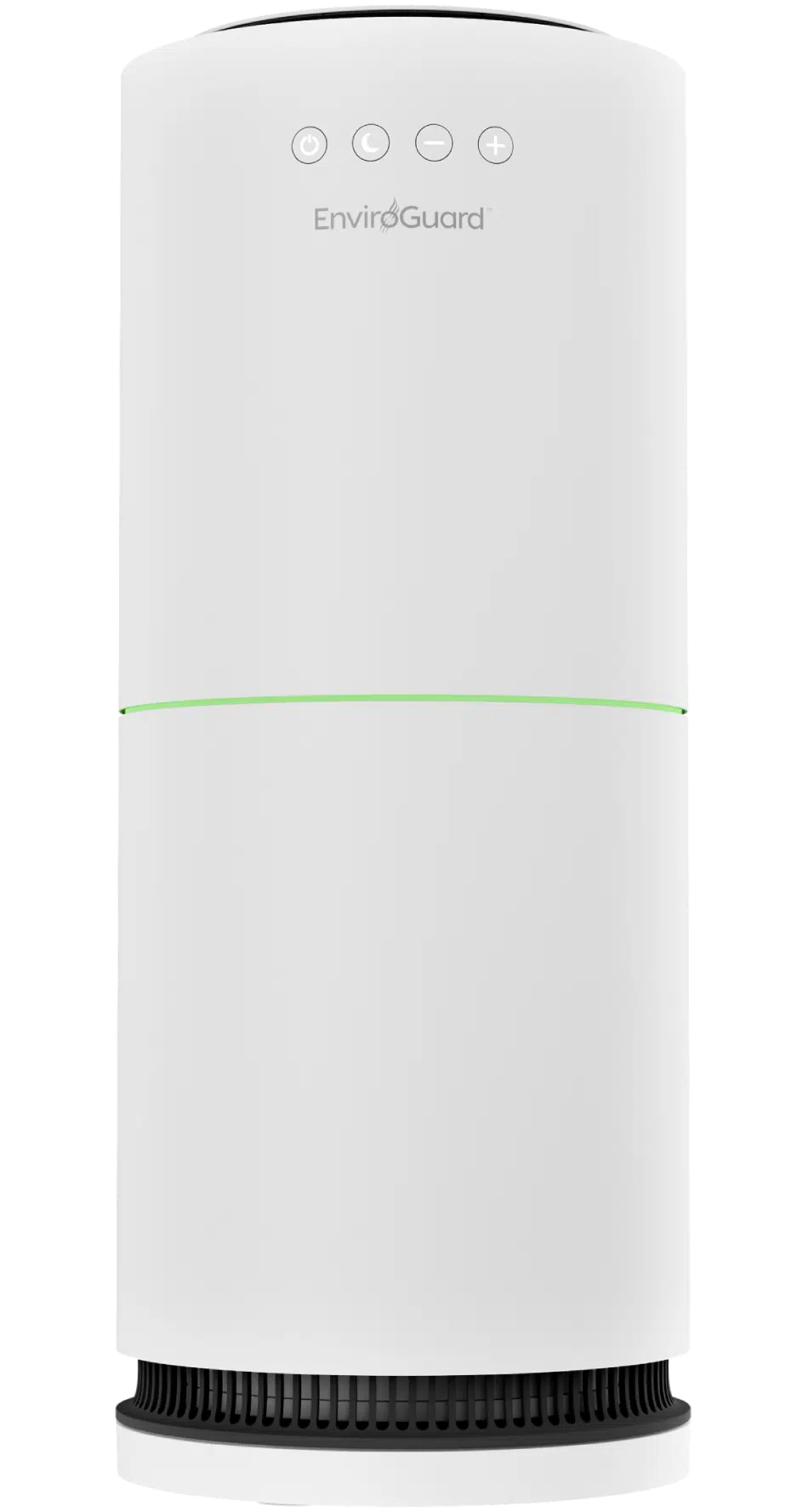
Upgrade to the innovative EnviroGuard PRO™ X today for only $790 (Was $1,590). Claim your $800 saving now and breathe cleaner, healthier air tomorrow.