
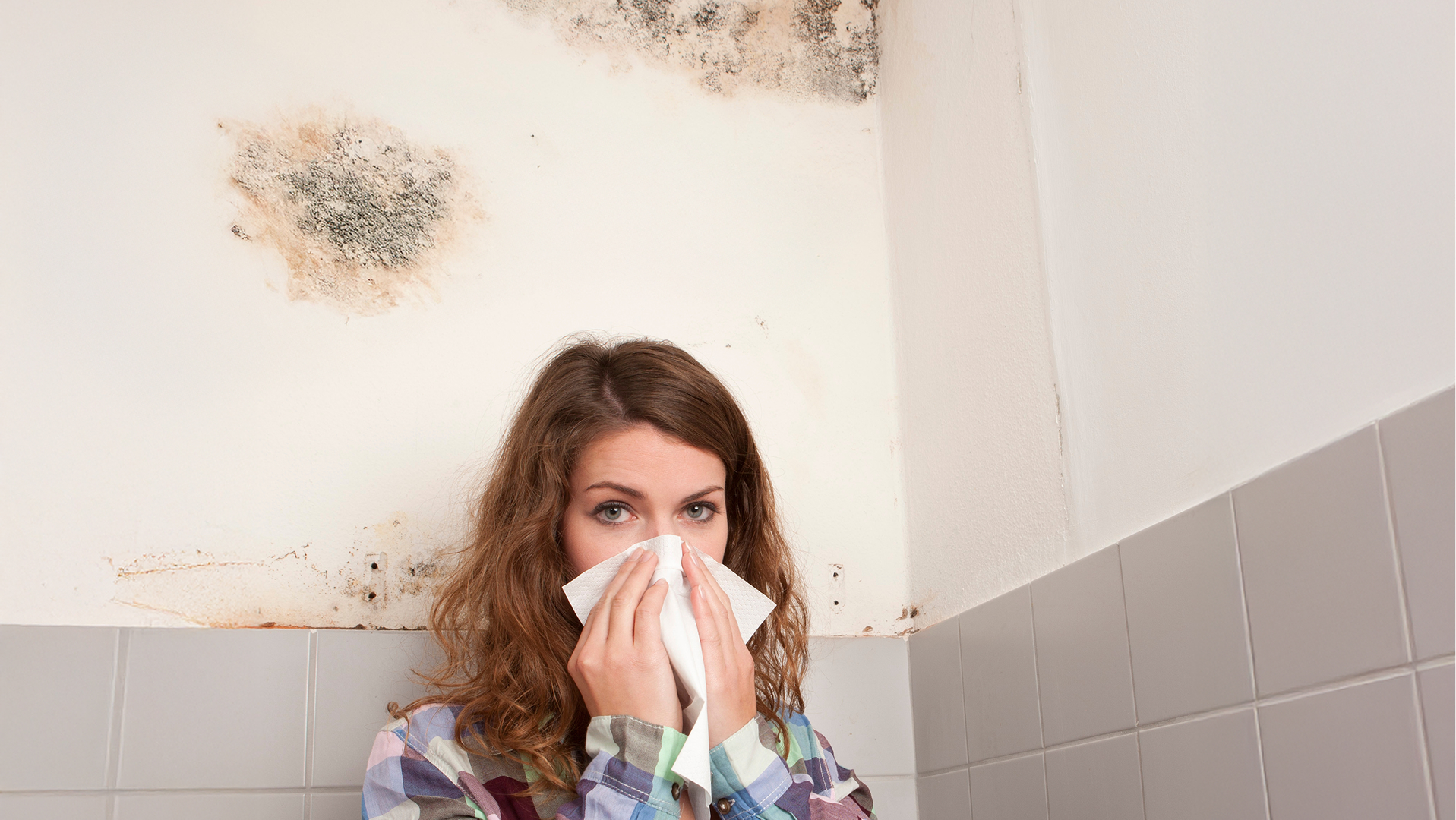
Mould is more than just an unsightly household issue. From a medical and indoor air quality perspective, it represents a significant health risk—particularly for people with allergies, asthma, or compromised immune systems. While visible mould on walls or ceilings is concerning, the greater danger often comes from microscopic mould spores circulating in the air, where they are easily inhaled.
This article takes a clinical, evidence‑based look at how air purifiers for mould help reduce airborne mould spores, why filtration quality matters, and how proper mould control can meaningfully improve respiratory health.
One of the most effective ways to reduce mould spores and prevent their spread is by using a high-quality air purifier. But how exactly does an air purifier help? In this guide, we’ll explore:
If you’re dealing with mould issues, keep reading to learn how to eliminate mould spores and improve indoor air quality.
Mould is a type of fungus that reproduces by releasing microscopic spores into the air. These spores are lightweight, airborne, and capable of travelling throughout indoor spaces via normal airflow. From a medical standpoint, inhaled mould spores are a well‑established trigger for:
Some mould species also produce mycotoxins, biologically active compounds that may worsen symptoms in sensitive populations. Because mould spores remain airborne for extended periods, reducing their concentration indoors is a recognised strategy in environmental health and respiratory care.
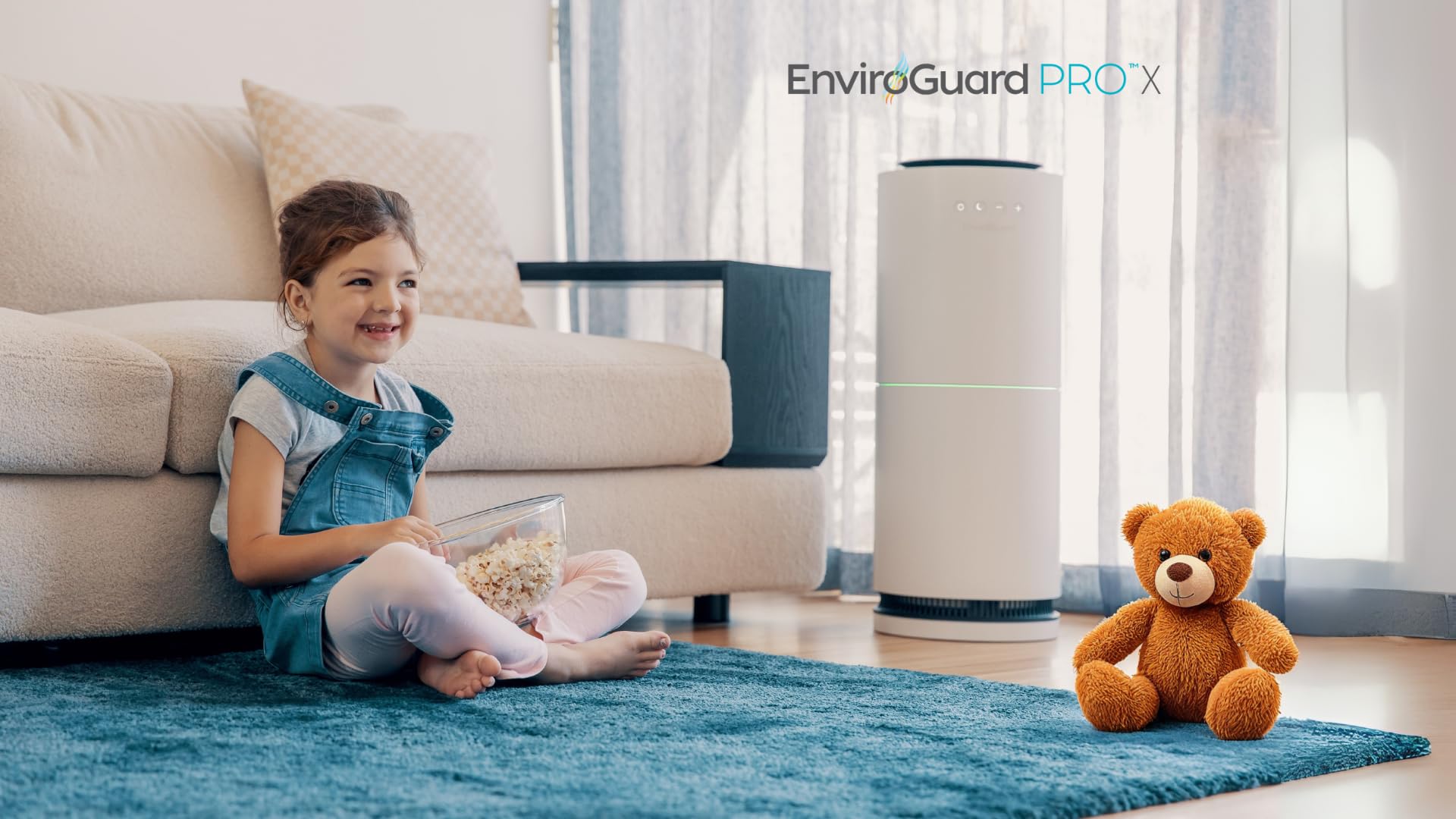
EnviroGuard Pro X is designed to address mould at the airborne level by combining medical‑grade filtration with continuous air circulation. Its system is structured to:
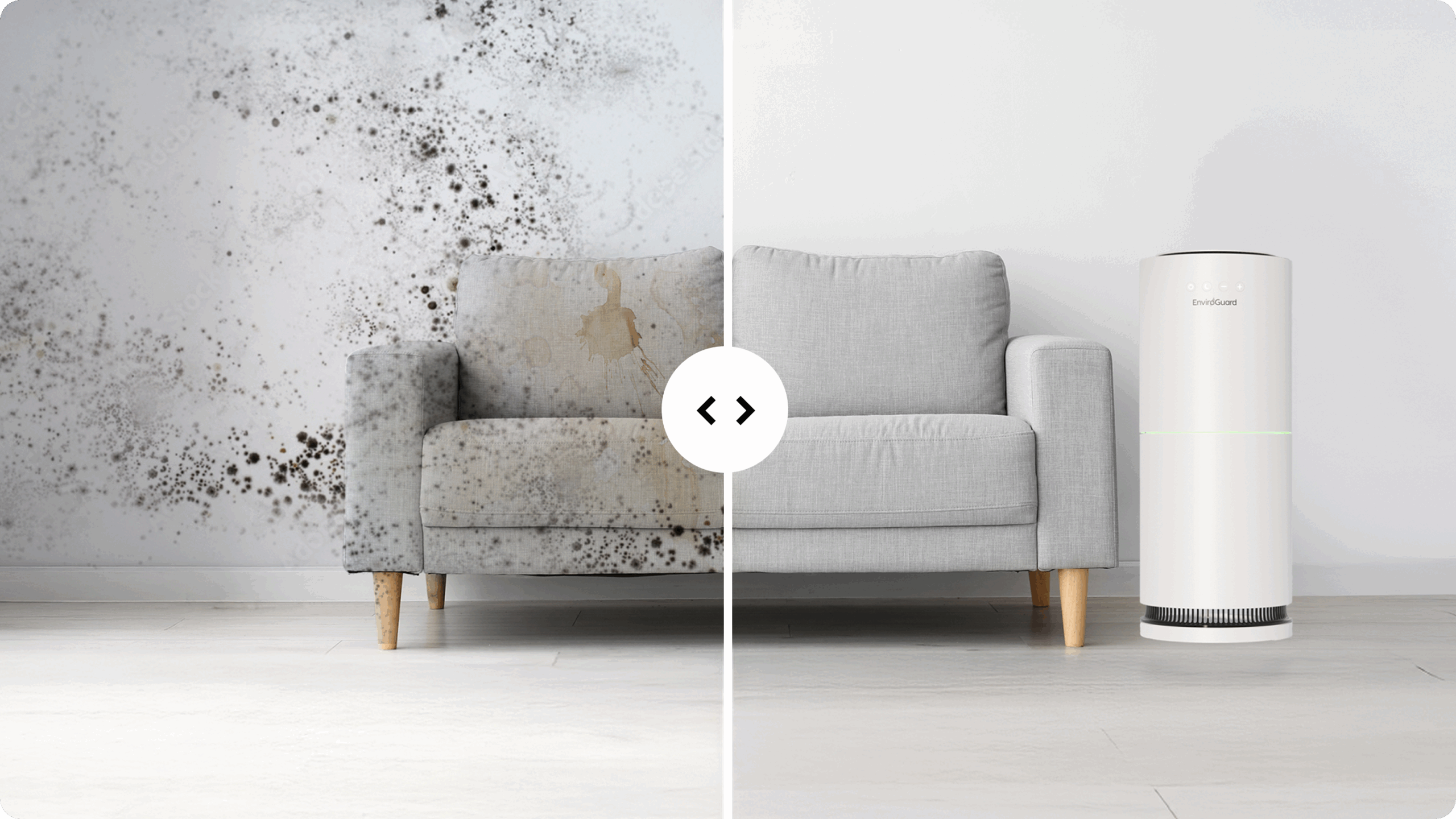
It is important to be clear: EnviroGuard Pro X does not remove existing mould colonies from walls or building materials. However, by lowering the concentration of airborne spores, it helps prevent new growth and reduces ongoing respiratory exposure—an approach widely recommended as part of comprehensive mould management. Understanding the technology is the first step. To see a detailed comparison of why standard filters fail and how active systems succeed, read our comprehensive guide on permanent mould eradication.
Australian health professionals recognise that air purifiers and dehumidifiers play different but complementary roles in managing mould-related health risks.Dehumidifiers help reduce excess moisture and limit mould growth by keeping indoor humidity within a healthy range. However, they do not remove airborne mould spores or allergens.
Air purifiers, particularly those with True HEPA filtration, help reduce inhalation exposure by capturing airborne mould spores. This can support respiratory comfort, especially for people with asthma or allergies, but does not stop mould from growing on damp surfaces. For homes with high humidity or a history of mould, experts commonly recommend using both devices together—controlling moisture while reducing airborne exposure—to support healthier indoor air quality.
From an environmental health perspective, air purifiers are most beneficial when placed in areas with elevated moisture or poor ventilation, including:
For consistent results, air purifiers should run continuously, especially in spaces with a known history of mould problems.
Air purification works best when combined with moisture and building‑level interventions. Environmental health specialists commonly recommend:
Together, these actions reduce the environmental conditions that allow mould to thrive, while air purifiers address the airborne component of exposure. For a more comprehensive approach, follow long-term strategies to prevent mould growth to support healthier indoor air and reduce recurring mould problems.
While air purifiers help everyone, they are especially beneficial for:
If you’ve experienced repeated mould problems, an air purifier can be a long-term solution to improve air quality.
Mould spores float invisibly through the air, making them difficult to control without the right tools. A high-quality air purifier with HEPA and activated carbon filtration helps eliminate airborne mould spores, reduce musty odours, and improve air quality.By combining an air purifier with proper ventilation, humidity control, and regular cleaning, you can create a healthier, mould-free home where you can breathe easy. Looking for top-rated mould air purifiers? Shop now and improve your indoor air quality!