
If you wake up gasping, snore heavily, or feel exhausted no matter how many hours you clock, you’ve probably looked into the usual suspects — weight, alcohol, sleeping position. Few people think to check the air in the room where they’re actually sleeping. That’s the gap this article closes.
The short answer: air quality doesn’t cause obstructive sleep apnea (OSA) on its own, but a growing body of 2025–2026 research shows that what you breathe overnight measurably worsens how severe an apnea event is and how often it happens. For anyone already managing the condition — or suspecting they should be checked for it — cleaning up bedroom air is one of the few interventions that costs nothing to try and has no downside.
OSA happens when the soft tissue at the back of the throat collapses during sleep, repeatedly blocking airflow. Each blockage triggers a drop in blood oxygen and a micro-arousal to reopen the airway — sometimes dozens of times per hour in moderate-to-severe cases.
Air quality intersects with this mechanism in two distinct ways:
This is where most consumer articles on this topic go vague (“air pollution is bad for sleep”). The actual numbers are more specific and more useful than that.
A 2025–2026 systematic review and meta-analysis pooling 20 studies found that each 10 μg/m³ increase in short-term PM2.5 exposure was associated with a 2.25% rise in the apnea-hypopnea index (AHI) — the clinical measure of how many breathing disruptions occur per hour — while the same increase sustained over the long term was linked to a 13.33% rise in AHI. In plain terms: living or sleeping in air that’s chronically higher in fine particulate matter doesn’t just correlate with worse sleep — it correlates with a measurably higher severity score on the exact test used to diagnose and grade OSA.
A separate 2025 European cohort study led by researchers at the University of Milano-Bicocca cross-referenced detailed sleep study data from 19,325 diagnosed OSA patients across 25 cities in 14 countries against long-term air-quality records, and the pattern held at population scale, not just in a lab.
South Korea’s national health survey data adds a domestic-air angle specifically: researchers matched in-home air quality measurements against STOP-BANG questionnaire scores (the standard OSA risk screening tool) across 1,501 participants, tying the risk directly to what people were breathing inside their own homes — not outdoor smog they could avoid by staying in.
And it isn’t only particulate matter. Earlier cohort work from the Multi-Ethnic Study of Atherosclerosis (MESA) found that both NO2 and PM2.5 exposure were linked to sleep apnea risk, and the authors noted that improving air quality could plausibly reduce both the prevalence and severity of the condition — one of the few papers to explicitly frame air quality as a modifiable lever rather than just a risk factor to note and move on from.
A nationwide smart-device monitoring study adds a timing detail that’s often missed: among 51,842 participants at moderate-to-severe risk of OSA, tracked across more than 6.2 million person-days, the associations between fine particulate matter, nitrogen dioxide, carbon monoxide, and sulfur dioxide and OSA severity occurred specifically during the sleep period, and lasted for two days. That detail matters: the exposure that moves the needle on severity is the air in the bedroom overnight, not general daytime air quality — and its effect doesn’t clear immediately once you wake up.
Most air quality advice defaults to “improve ventilation” or “check the outdoor air index.” For sleep apnea, that framing misses the point. The MESA researchers went further than most, noting that populations with less access to indoor air filtration, relying instead on open windows, may be more susceptible to the air-pollution-linked sleep effects they observed — in other words, simply opening a window doesn’t close the gap, and in cities with outdoor pollen, bushfire smoke, or traffic pollution, it can add to it.
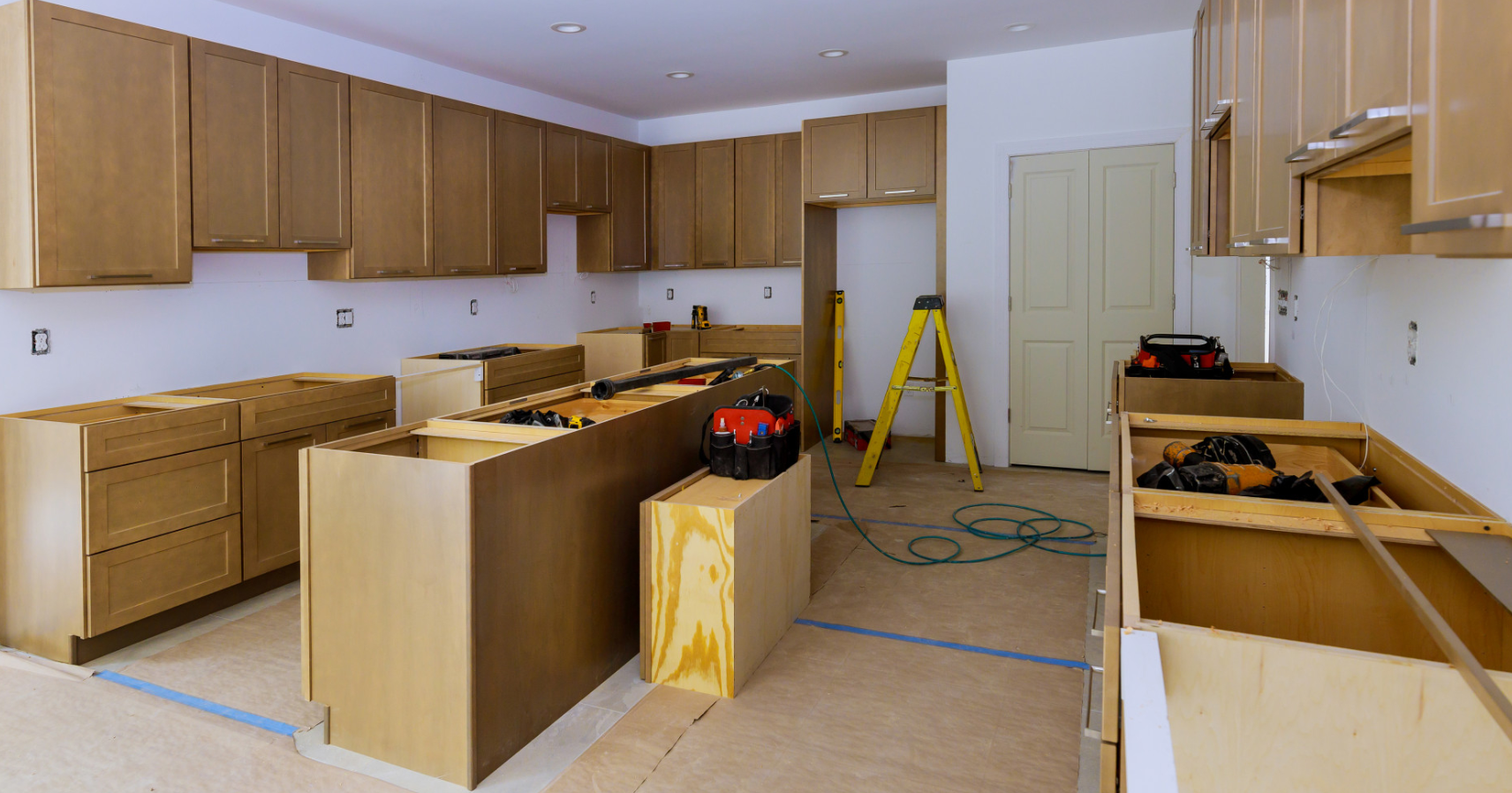
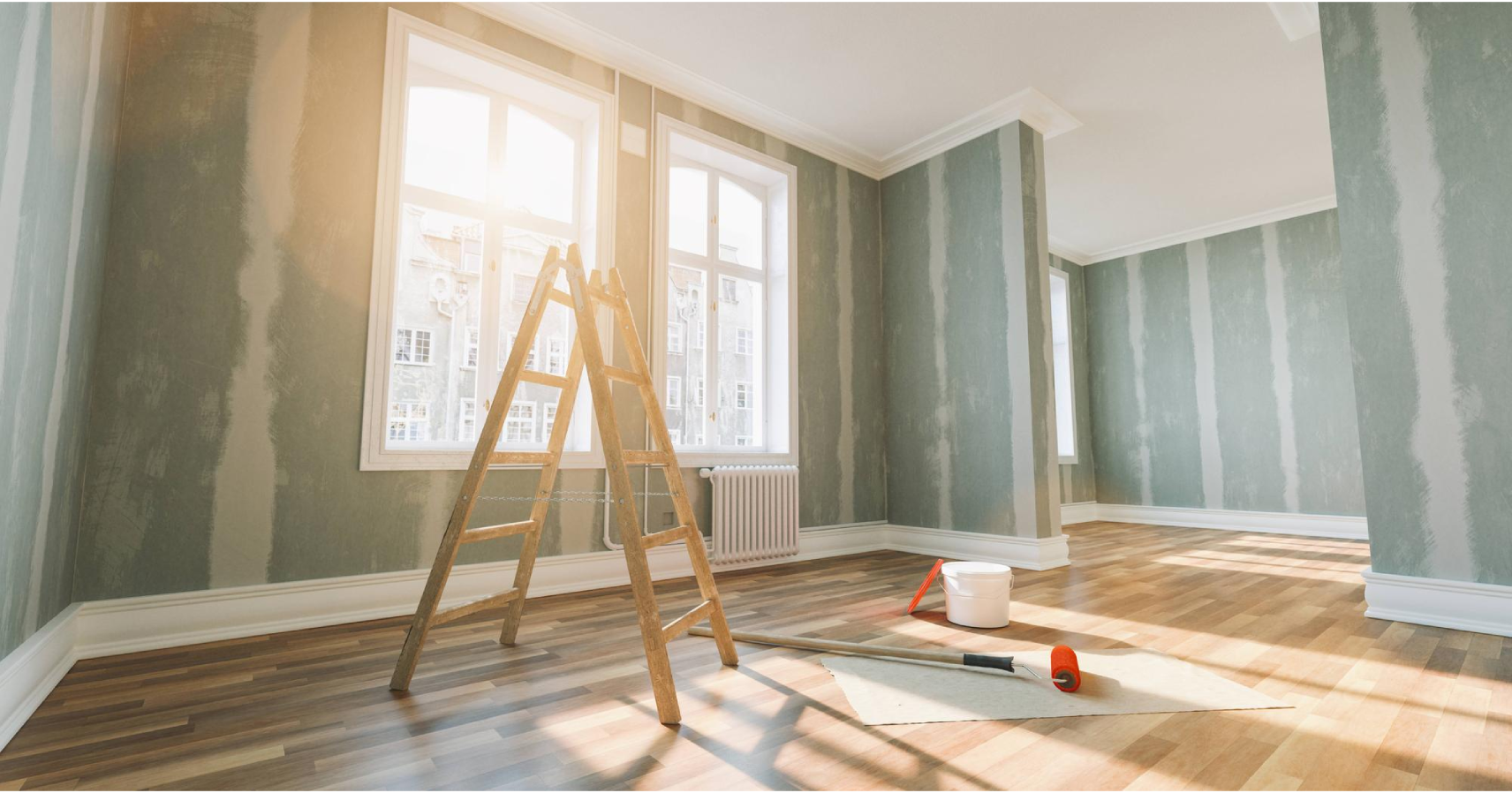
That reframes the priority: the air that matters for apnea severity is the specific air sitting in the specific room where the airway collapses every night — for hours at a stretch, every night, indefinitely. A few contaminants worth knowing about specifically:
No, and any product page that implies otherwise should raise a flag. OSA is a structural and neuromuscular condition; it needs proper diagnosis and, in most moderate-to-severe cases, a physician-directed treatment plan. An air purifier is not a substitute for that.
What clean air can realistically do, based on the mechanisms above:
In other words: an air purifier belongs in the management column, next to weight, sleep position, and alcohol timing — a supporting factor, not a treatment.
Most buying guides stop at “get one with a HEPA filter.” That’s necessary but incomplete, because HEPA filtration only addresses the particle half of the problem — and, per the research above, some of what matters most (dust mites in bedding, mould on a mattress, VOCs off-gassing from furniture) isn’t just floating past an intake fan.
| What’s in bedroom air | Why it matters for OSA severity | What a HEPA-only filter does |
|---|---|---|
|
Dust mites, pet dander, pollen (Particles)
|
Trigger nasal congestion → narrower airway | ✓ Effective Captures them — this part works well. |
|
Mould spores (Airborne and surface-settling)
|
Inflame airway tissue overnight | △ Partial Captures airborne spores; does nothing for spores already settled on the mattress or wardrobe. |
|
VOCs from new furniture, paint, cleaning products (Gases)
|
Chronic irritation of nasal and throat lining | ✗ Ineffective Passes straight through — VOC molecules are far smaller than HEPA pore size. |
|
PM2.5 / NO2 (During the sleep window specifically)
|
Linked to measurably higher AHI in 2025–2026 research | △ Partial Captures PM2.5; does not address NO2 gas. |
The practical takeaway: a purifier that only filters air pulled toward it will miss whatever has already settled on the mattress, pillow, or bedding fabric next to your face — which, per the research above, is exactly where OSA-relevant allergens and irritants accumulate over an eight-hour night. Technology that treats surfaces and the whole room continuously, not just the air drifting past the intake, closes a gap that filtration alone leaves open.
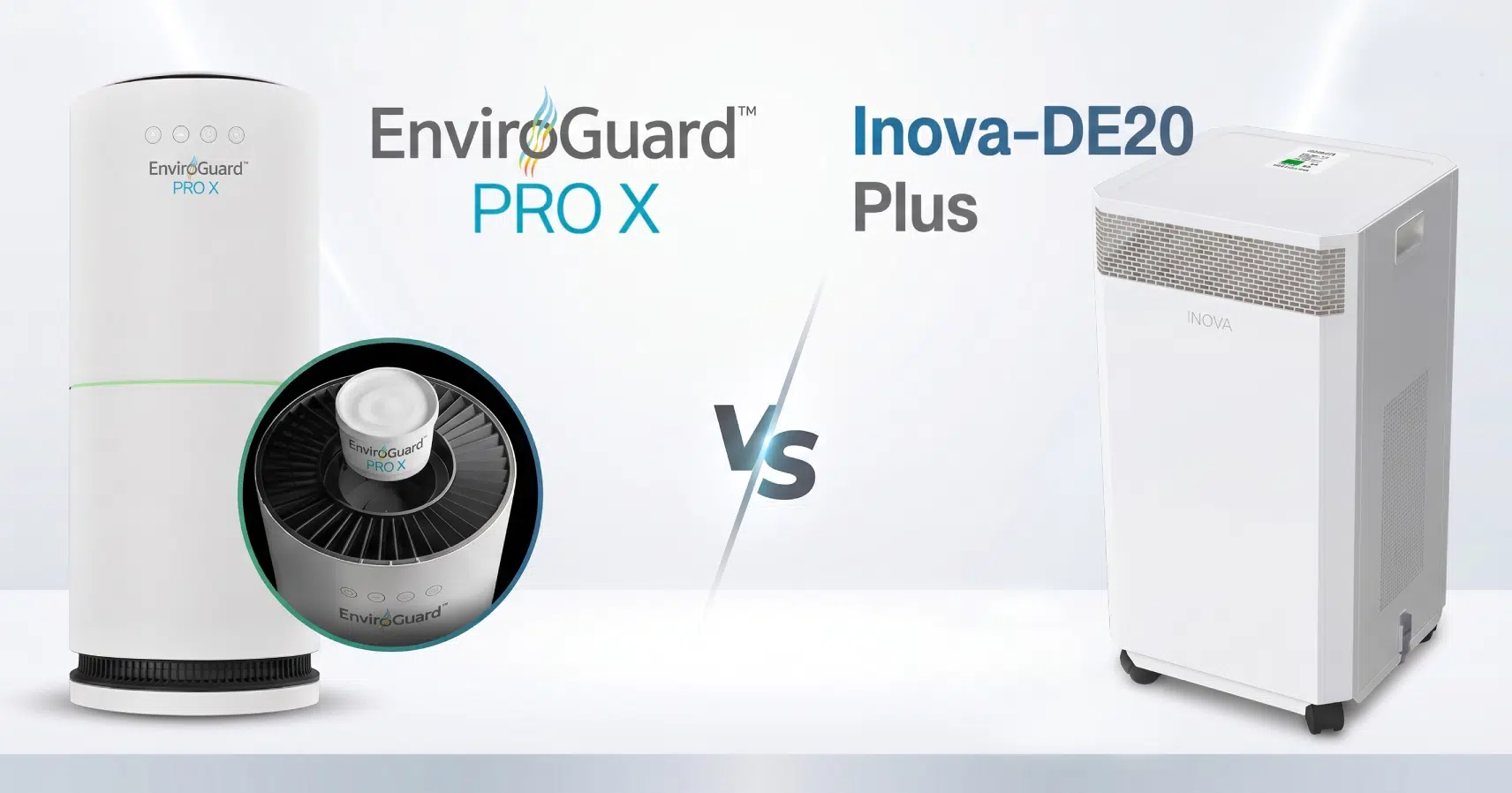
This is the exact gap the EnviroGuard Pro X environmental system was engineered to close for a bedroom.
Instead of relying only on airflow to pull contaminants toward a filter, its Purox™ Gel technology releases a continuous, invisible vapour phase oxidation process throughout the entire room — reaching the mattress, bedding, and wardrobe, not just the air directly in front of the machine. That matters given the mould and dust-mite findings above, where the problem sits on surfaces as often as it floats in the air. The vapour breaks mould spores, allergen proteins, and VOCs down at a molecular level rather than storing them in a filter to potentially off-gas later.
Running in parallel, the PrimeProtect™ Filter — a four-stage, medical-grade HEPA-13 system — captures the airborne dust and particulate matter that current research ties directly to a higher AHI, at 99.97% efficacy at 0.3 μm. Night Mode brings the unit down to 33 dBA, quiet enough not to interfere with sleep itself, while the device’s own sensors track gel capacity, filter condition, and humidity so it keeps working through the night without you needing to check on it — precisely the sleep-period window that current research flags as the one that counts.
None of this replaces a proper sleep study or physician-directed treatment. But for the air surrounding both, it addresses the specific mechanisms — airway inflammation, allergen load, and overnight particulate and chemical exposure — that current research links to worse apnea severity.
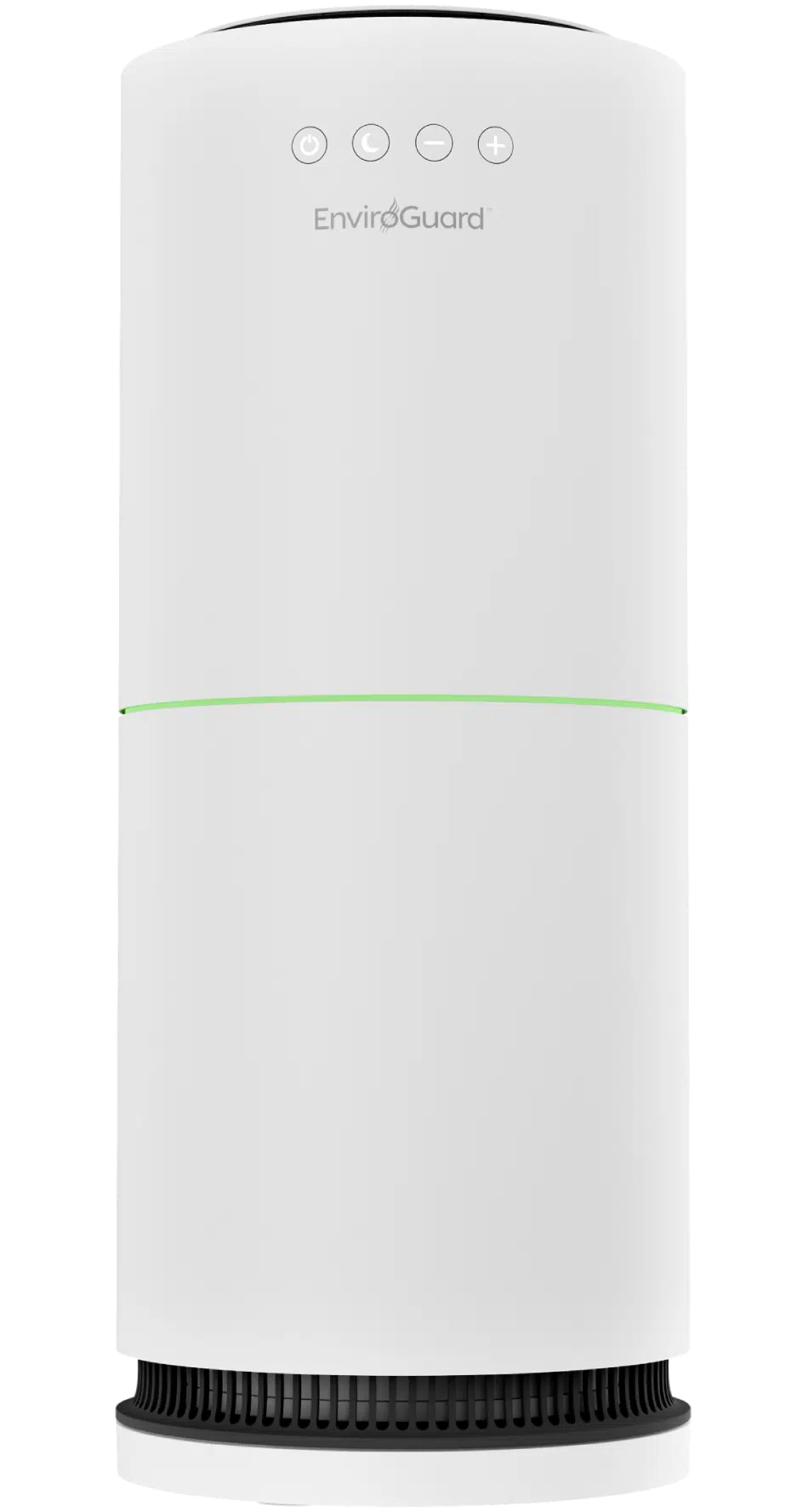
Upgrade to the innovative EnviroGuard PRO™ X today for only $790 (Was $1,590). Claim your $800 saving now and breathe cleaner, healthier air tomorrow.