The air we breathe every day increasingly harbours an invisible threat. Data from the State of Global Air 2025 report reveals an alarming statistic: air pollution remains a leading environmental risk factor for respiratory-related mortality, while also elevating the risk of numerous other diseases. In 2023 alone, airborne pollution was linked to the deaths of 7.9 million people globally, resulting in the staggering loss of over 232 million healthy years of life. This clearly reflects that the purity of our air is an urgent issue that cannot wait.
When examining the sources, pollutants in the air originate from various factors, including natural sources (such as dust, mould spores, pollen, or volcanic ash) and anthropogenic sources (human activities). We must understand human emissions because we have the power to control and reduce them through proper management.
This article is designed to provide comprehensive information backed by scientific and public health evidence. The objective is to equip readers with an accurate understanding of “Particulate Matter” (PM), specifically fine particles like PM2.5. We will delve into its origins, the deep biological mechanisms through which pollutants damage our health, and practical daily preventative steps. Furthermore, we will explore selecting the right environmental management technology to create a safe breathing space for you and your family.
When discussing air pollution, the most frequently heard term is Particulate Matter (PM). In reality, particulate pollution is not a single substance but a term used to describe a complex mixture of solid particles and liquid droplets suspended in the air. These particles vary widely in terms of size, shape, and chemical composition.
In air quality management, particulate pollutants are primarily categorised by their diameter:
Beyond physical dimensions, the chemical complexity of these particles is equally concerning. They comprise hundreds of chemicals, including sulphates, nitrates, ammonia, heavy metals (such as lead, cadmium, and nickel), organic carbon compounds, and Polycyclic Aromatic Hydrocarbons (PAHs), all of which severely affect human health.
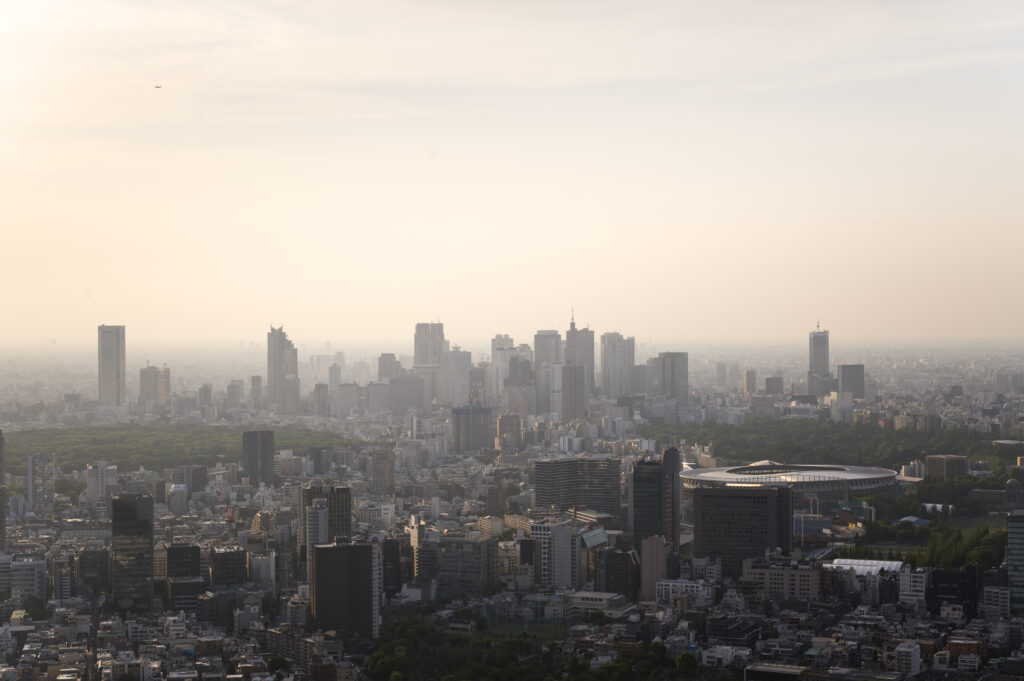
To effectively tackle the fine dust problem, we must first understand its origins, which can be divided into two main categories: outdoor sources and the invisible threats forming indoors.
PM2.5 in the atmosphere originates from two primary processes:
Since most people spend approximately 90% of their time indoors, exposure to air pollutants frequently occurs at home or in the workplace. Even with doors and windows tightly shut, indoor pollutants can build up from daily activities (indoor sources):
Fine dust like PM2.5 is measured in micrometres, allowing these particles to effortlessly bypass the body’s natural defences (such as nasal hair and respiratory mucus) and enter the system. Upon inhalation, PM2.5 can reach deep into the bronchioles and alveoli, penetrating the lung epithelial cells to enter the bloodstream and lymphatic system. Furthermore, research indicates that these microscopic particles can travel directly to the brain via the olfactory nerve (olfactory bulb) and even permeate human skin.
Once inside the body, the primary mechanism by which PM2.5 causes disease is by inducing “oxidative stress”. The compounds within the dust trigger free radicals, leading to the destruction of proteins and DNA structures within cells. It also stimulates the body’s inflammatory processes, elevating the levels of inflammatory markers in the blood.
Continuous exposure to PM2.5 severely affects several bodily systems, including:
Although the air pollution crisis is a structural issue requiring time to resolve, we can begin protecting our health and our families by adjusting our daily habits:
Once we understand the dangers and have taken basic preventative measures, comprehensively elevating the safety of our indoor air is the crucial next step.
Typically, when discussing eliminating household pollutants, we think of purchasing an air purifier. These generally operate passively—placed in a corner, waiting for the fan to draw contaminated air containing dust or pathogens into the filter. The risk of inhaling pollutants remains high because contaminated air might enter our lungs before ever reaching the machine.
In reality, many pollutants, such as volatile organic compounds (VOCs) off-gassing from furniture or airborne pathogens, tend to settle and cling to surfaces like tables, sofas, or walls long before they are drawn into an air purifier. This means that seemingly clean air might still leave residual pathogens on touchpoints.
Today, innovations have elevated conventional air purifiers into complete “Environmental Systems”. By employing a Active Approach, these systems seamlessly integrate proactive and passive mechanisms to comprehensively protect both the air and surfaces.
For instance, Vapour Phase Oxidation technology (VPO) releases an active vapour that disperses to cover every corner of the room, just as Purox™ Gel Eliminates airborne threats. This technology is modeled after sunlight—mimicking nature’s method of cleansing the atmosphere using hydrogen peroxide (H2O2), ensuring both effectiveness and maximum safety.
Instead of waiting to draw pollutants into the machine, this active vapour permeates the space to execute a molecular breakdown of contaminants. This includes VOCs, allergens, dust mites, bacteria, viruses, and even yeast and fungal contamination (e.g., Candida Albicans Yeast). It effectively neutralises threats suspended in the room (Mid-air Neutralisation) as well as those stubbornly clinging to objects (Surface Protection). The active vapour destroys these pollutants, converting them into pure water and oxygen.
Comparison Table: Traditional Air Purifier vs Environmental System
| Comparison Criteria | Traditional Air Purifier (Passive) | Environmental System (Active Approach) |
| Operational Method | Passive: Waits for pollutants to float towards the filter. | Deploys active vapour to neutralise pollutants throughout the room. |
| Surface | Cannot manage pollutants on surfaces. | Eliminates pathogens and contaminants on contact surfaces. |
| Pathogen | Traps pathogens in the filter (risk of accumulation). | Destroys the molecular structure of pathogens, converting them into water. |
| Chemical (VOCs) | Depends entirely on the quality of the carbon layer. | Instantly neutralises volatile organic compounds and unpleasant odours. |
| Coverage | Clean only where air flows through the machine. | Covers every corner of the room, even in poorly ventilated areas. |
The paramount concern when introducing technology into a residence is safety. This system operates 100% Ozone Free, ensuring it is perfectly safe for human lungs, infants, pregnant women, and pets.For allergy sufferers or those with high sensitivities, Purox™ Gel is completely odourless and free from molecules that might trigger allergic reactions.
Furthermore, leading independent research institutions have clinically tested the system’s efficacy. An office building case study (EnviroGuard-Cairns Case Study) demonstrated that the system effectively destroyed and reduced airborne and surface-level fungal spores and bacteria to near-zero levels significantly, clearing the air and making it genuinely pristine.
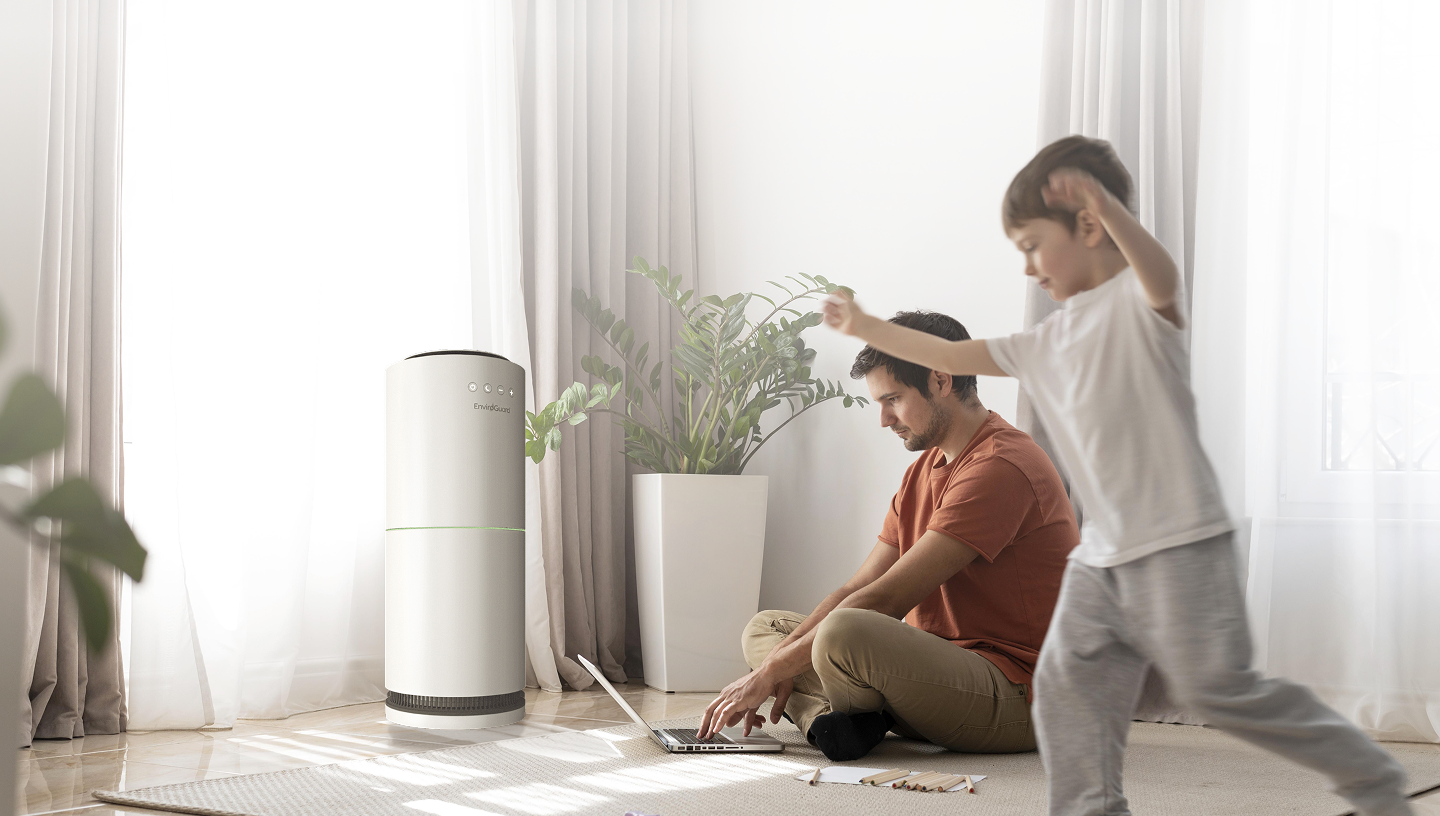
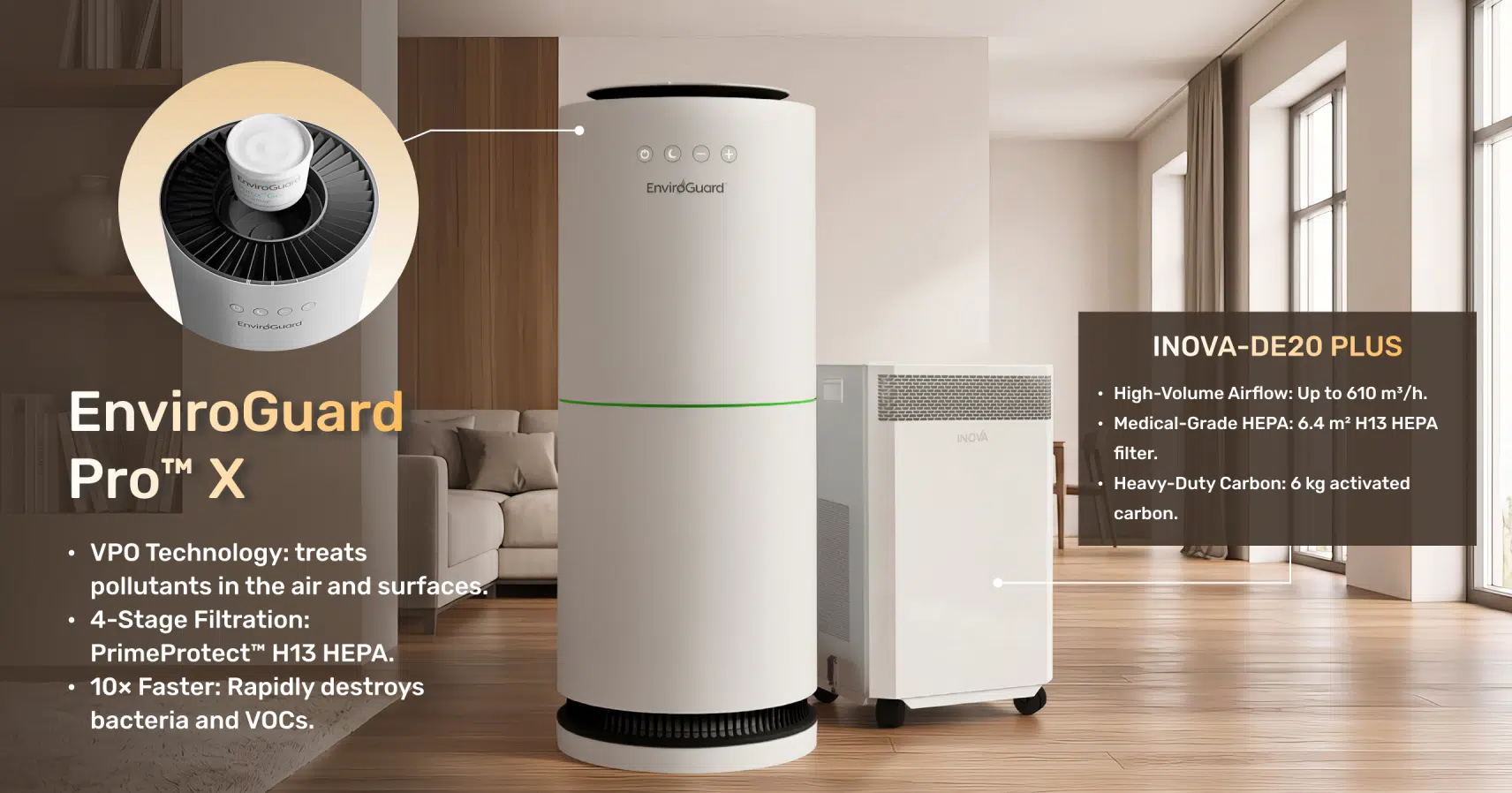
If you want a solution that transcends traditional limitations, the EnviroGuard PRO X™ “Environmental System” transforms your home into a safe sanctuary and flawlessly protects your family from invisible airborne threats. Its advanced technology distinctly sets it apart from conventional air filtration systems on the market.
Key Features Making EnviroGuard PRO X™ Superior to Conventional Technology:
Choosing Enviroguard Pro X™ is not merely buying an electrical appliance; it is an investment in an “Environmental System” that continuously clears your indoor air. It eliminates unseen allergens and pollutants, sustainably restoring effortless breathing and the highest quality of life for you and your loved ones.
Air pollution and PM2.5 are imminent crises we cannot evade, but we can choose how to respond and create a safe space for our breathing. Understanding the true sources and impacts empowers us to appropriately adjust our daily habits to mitigate risks. Coupled with cutting-edge innovations like an “Environmental System” that blends nature’s active vapour with advanced filtration, we can genuinely transform our homes into safe zones—free from pollutants, pathogens, and allergens—ensuring the sustainable, good health of everyone in the family.
PM2.5 particles are microscopic enough to penetrate the lungs and bloodstream, triggering cellular-level inflammation and elevating the risks of respiratory diseases, heart conditions, and stroke.
Yes. Domestic activities such as cooking, smoking, or lighting incense and candles are all sources of fine dust, carbon soot, and volatile organic compounds (VOCs) that continuously off-gas and accumulate indoors.
Traditional air purifiers operate passively, waiting for dust to be drawn into a filter. In contrast, an Environmental System works in parallel by deploying an “Active Vapour” to execute a molecular breakdown of pollutants, bacteria, and mould, both mid-air and on surfaces.
It offers ultimate safety. The vapour utilises a nature’s molecule, free from harsh chemicals and odours, and is 100% Ozone Free. It is clinically tested and proven entirely safe for allergy sufferers, infants, pregnant women, and pets.
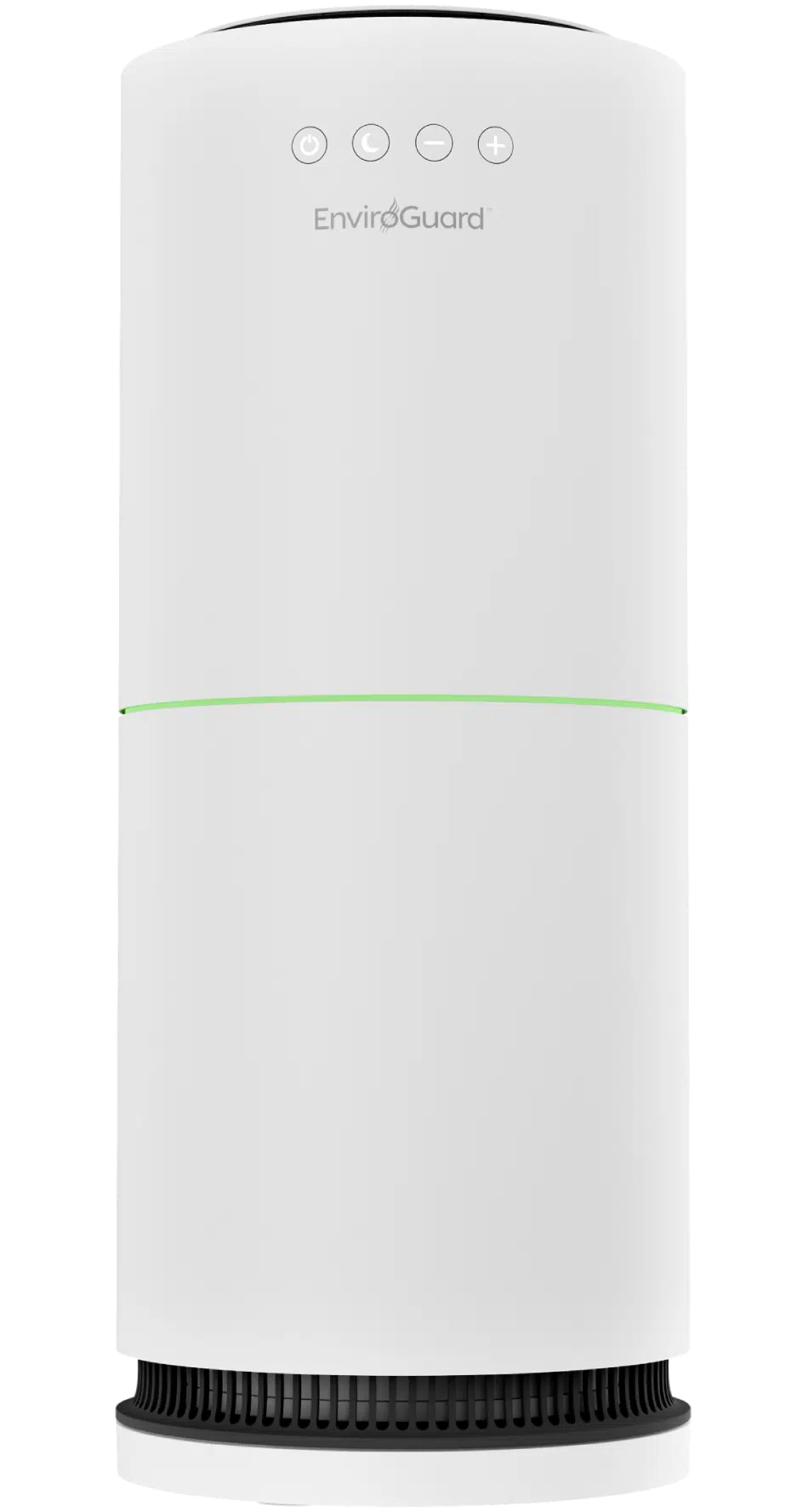
Upgrade to the innovative EnviroGuard PRO™ X today for only $790 (Was $1,590). Claim your $800 saving now and breathe cleaner, healthier air tomorrow.