In Australia, asthma is a significant health challenge that affects approximately 2.7 million people—roughly 1 in 9 Australians. For those living with this chronic condition, the impact on quality of life is substantial. Asthma is a leading cause of hospitalisation among children and remains a primary reason for school and work absenteeism across the country. While many patients focus on outdoor air quality or seasonal pollen counts, the air inside our homes often poses a more immediate threat, frequently containing higher concentrations of irritants than the air outside.
A seemingly clean house may still pose risks for sensitive respiratory systems. Traditional cleaning methods like sweeping often stir up microscopic “indoor triggers” (dust mite proteins, pet dander, mould spores) that remain airborne, bypassing standard vacuum filters. Additionally, Volatile Organic Compounds (VOCs) constantly off-gas from household items (cleaners, furniture, paints). For those seeking the best air purifier for asthma in Australia, recognizing these irritants cause chronic airway inflammation is crucial for effective management.
Effective Indoor Air Quality (IAQ) management, alongside medication and medical consultation, is crucial for an Asthma Action Plan. As Australians spend about 90% of their time indoors, IAQ heavily influences respiratory stress. Proactive removal of airborne pollutants and allergens creates a “Clean Air Shelter,” allowing the respiratory system to rest. A clinical-grade asthma air purifier acts as a continuous defense, targeting triggers responsible for flare-ups and allergy symptoms.
Even in a visually clean Australian home, several microscopic airborne particles can quickly irritate sensitive airways and trigger asthma symptoms:
Yes, they absolutely can. While many people associate asthma with natural allergens like dust or pollen, hidden chemical pollutants in our homes are equally dangerous. Volatile organic compounds (VOCs) are invisible gases continuously emitted by everyday items such as harsh cleaning products, fresh paint, aerosol sprays, and new carpets.
One of the most common and irritating VOCs is formaldehyde, often found off-gassing from pressed-wood furniture and glues. Continuous exposure to these chemicals can cause severe airway inflammation, leading to a tight chest, persistent coughing, and sudden asthma attacks even in a seemingly clean room.
Learn More: If you want to understand more about these invisible threats, read our comprehensive guide on What Are VOCs. Alternatively, if your home has recently been renovated or uses gas heating, you might need a specialized solution—explore our top picks for the Best Air Purifier for VOCs Australia.
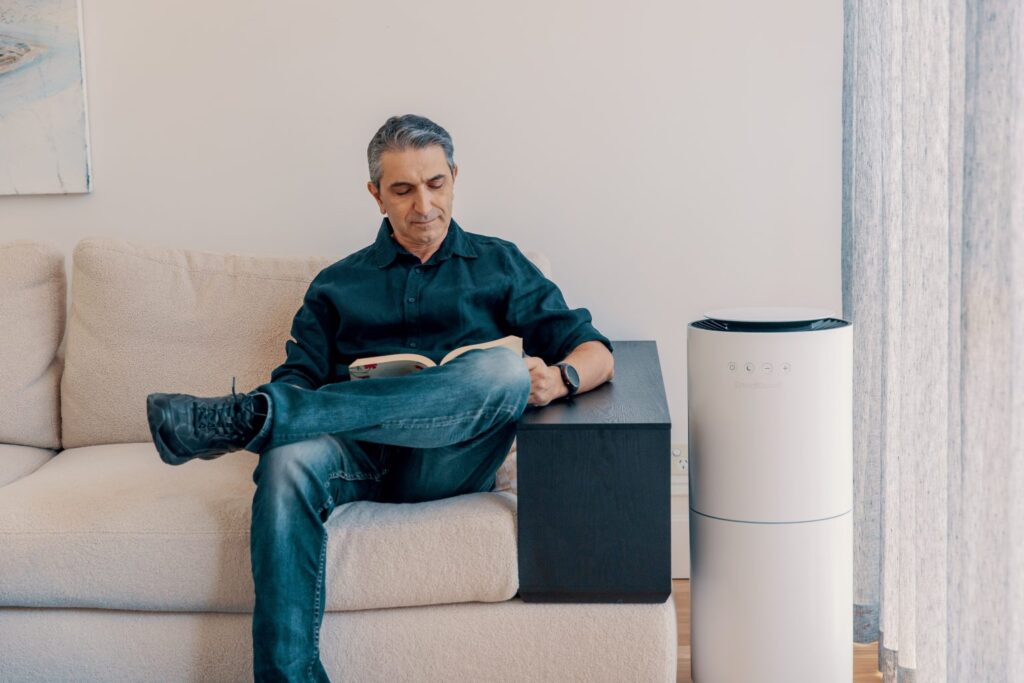
Yes. The right air purifier may help reduce airborne asthma triggers such as dust, pollen, pet dander and certain indoor pollutants. However, not all air purifiers are equally effective for asthma sufferers.
| Trigger | Can an Air Purifier Help? |
|---|---|
|
Dust
|
✓ Yes |
|
Pollen
|
✓ Yes |
|
Pet Dander
|
✓ Yes |
|
Smoke
|
△ Partial |
|
VOCs
|
○ Depends on tech |
Clinical research, including a key 2018 study in the European Respiratory Journal, confirms that high-efficiency air purification significantly benefits asthma patients. Following 50 patients, the study found consistent use of air purifiers measurably reduced indoor PM2.5. This reduction directly correlated with improved lung function, decreased airway inflammation, fewer acute asthma attacks, and less reliance on rescue medication by lowering the particle load on the lungs.
Unlike traditional suction-based air filtration systems, Vapour Phase Oxidation (VPO) technology offers a more proactive approach for people with asthma and allergies by releasing an invisible vapour that spreads throughout the room, reaching both the air and surrounding surfaces. Instead of only trapping particles, the vapour helps neutralize airborne allergens such as dust mites and mould by deactivating their protein structures, while also reducing allergens on fabrics, furniture, and other surfaces.
Selecting the right equipment is critical because a poorly designed unit can fail to capture microscopic triggers or, worse, emit respiratory irritants that exacerbate symptoms. For an asthma air purifier to be effective in an Australian home, it must be sized correctly for the room and utilise technologies that meet medical-grade standards. Focusing on technical specifications—rather than marketing claims—ensures your investment provides a genuine health benefit by maintaining a consistently low allergen load in your living space.
When evaluating the best air purifier for asthma, prioritise the following features:
Traditional “passive” filtration relies entirely on drawing air into the unit. This means it can only clean the air that actually passes through the filter. In contrast, VPO technology does not wait for pollutants to reach the device; instead, it releases vapours that actively neutralise airborne contaminants directly in the environment. For households in Australia where allergens such as dust mites and mould spores often settle on carpets and curtains, this distinction is highly important for comprehensive asthma control.
The following table compares these two distinct approaches to managing indoor air quality:
| Feature | Passive Filtration | Proactive Management Technology |
|---|---|---|
|
Primary Mechanism
|
Suction Suction-based; pulls air through a physical filter. |
Emission Emission-based; releases a neutralising vapour into the room. |
|
Airborne Coverage
|
Captures dust and allergens that pass through the unit. | Neutralises allergens and pathogens mid-air throughout the entire space. |
|
Surface Management
|
No effect on settled particles or surface-level mould. | Eliminates allergen proteins and mould on contact surfaces (e.g. bedding). |
|
Operational Reach
|
Effective mainly in the immediate vicinity of the machine’s intake. | Disperses into corners, behind furniture, and into soft furnishings. |
|
Pathogen Efficacy
|
Traps bacteria and viruses (does not instantly deactivate them). | Deactivates 99.9% of bacteria, mould, and allergy-triggering proteins. |
Even high-quality air purifiers may fail in Australian homes due to operational errors. Consumer advocates like CHOICE and Asthma Australia note critical user oversights (or “blind spots”). Addressing these ensures the device provides the necessary clinical-grade respiratory protection.
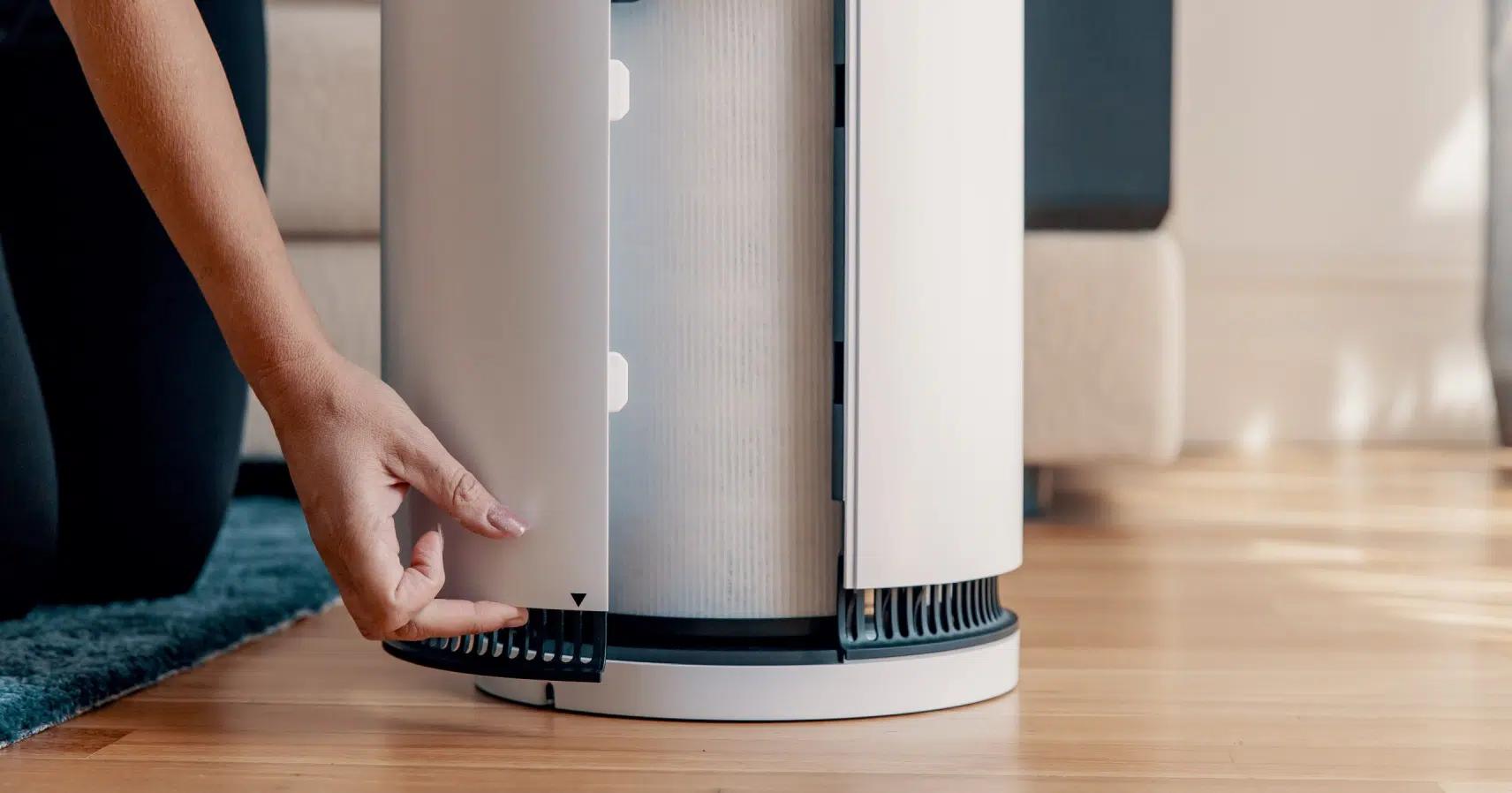
High-end air purifiers use activated carbon or charcoal layers to absorb smells and VOCs (e.g., paint fumes). These filters act like a sponge and can become saturated. A saturated filter may “off-gas,” releasing trapped chemicals if the room temperature rises or the filter is full. To prevent this, occasionally take the carbon filter or unit outside for a few hours to allow accumulated gases to dissipate.
In many Australian households, the kitchen is a major source of asthma triggers. Gas stoves release nitrogen dioxide (NO2) and fine particulate matter that can linger in the air long after the meal is finished. While a range hood is essential, positioning your air purifier near the kitchen—but away from direct heat—provides a secondary layer of protection by capturing these irritants before they drift into the rest of the house.
To manage indoor air during poor outdoor conditions (e.g., high pollen, bushfires), create a “Clean Air Shelter” by sealing your home (closing all windows/doors) and running your purifier on a higher setting. Conversely, when outdoor air is clean, ensure natural ventilation by opening your house to flush out CO2 and indoor pollutants that filters cannot remove.
Many users opt for small, desk-sized purifiers, but these units frequently lack the necessary fan power to circulate air throughout an entire room. Without sufficient airflow, the machine only cleans the air in its immediate vicinity, leaving triggers in the “breathing zone” of your bed or sofa untouched. Always select a floor-standing unit that is rated for the square footage of your room to ensure a proper air exchange rate.
Effective asthma management in Australia requires a multi-layered approach that combines technology with proactive household habits. While a high-quality air purifier is a critical tool, it is most effective when integrated into a broader environmental control strategy. By addressing settled allergens and atmospheric conditions, you can significantly reduce the overall “trigger load” within your home.
During extreme air quality events (e.g., bushfires, high-pollen days), make your home a “Clean Air Shelter” by sealing all windows and doors. Set air conditioning to “recirculate” and run your air purifier on its highest setting to quickly filter out any entering pollutants like smoke or pollen.
High indoor humidity (above 50%) promotes dust mites and mould, key asthma triggers. To control these allergens, maintain indoor humidity below 50%. A dehumidifier, especially in damp areas, works with your air purifier to make the environment hostile to these biological triggers.
Effective asthma management requires a transition from a reactive “trap-and-hold” mindset to a proactive environmental control strategy. While standard HEPA filters provide a necessary baseline of protection, they often leave a significant safety gap on the surfaces where allergens naturally settle. For those living with chronic respiratory conditions, creating a truly safe indoor environment means choosing a system that addresses both the air you breathe and the surfaces you touch.
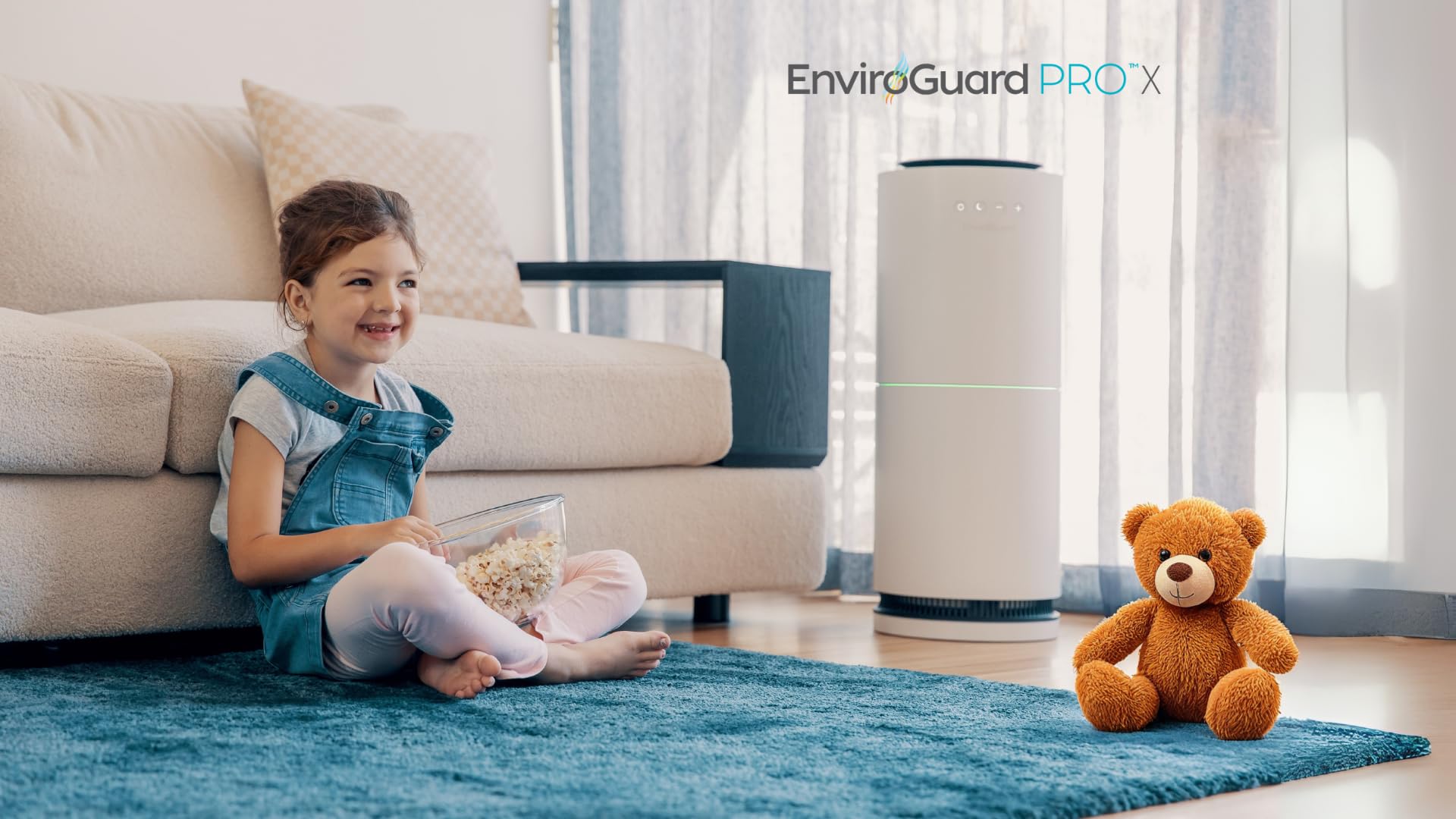
For anyone seeking a professional-grade solution that meets indoor air quality safety standards, VBreathe EnviroGuard PRO™ X is a compelling choice. Its Active Air Purification system surpasses conventional purifiers and meets the ANSI IICRC S520 standard for professional mould remediation and air quality.The device uses Vapour Phase Oxidation technology to release vapours that mimic the action of natural free radicals, similar to how sunlight helps break down pathogens in outdoor environments.
This vapour disperses throughout the room to eliminate allergy-triggering proteins, bacteria, and mould at 99.9% efficacy, both in the air and on contact surfaces. Critically, its food-grade, ozone-free, and chemical-free formulation ensures that the hospital-grade clean air it delivers remains safe for children, infants, and the pets you love. By choosing a system that actively manages your environment, you provide your lungs with the best possible opportunity for recovery and long-term health.