Connect with Us Join our community on Facebook for more advice on maintaining a healthy home: VBreathe Safe



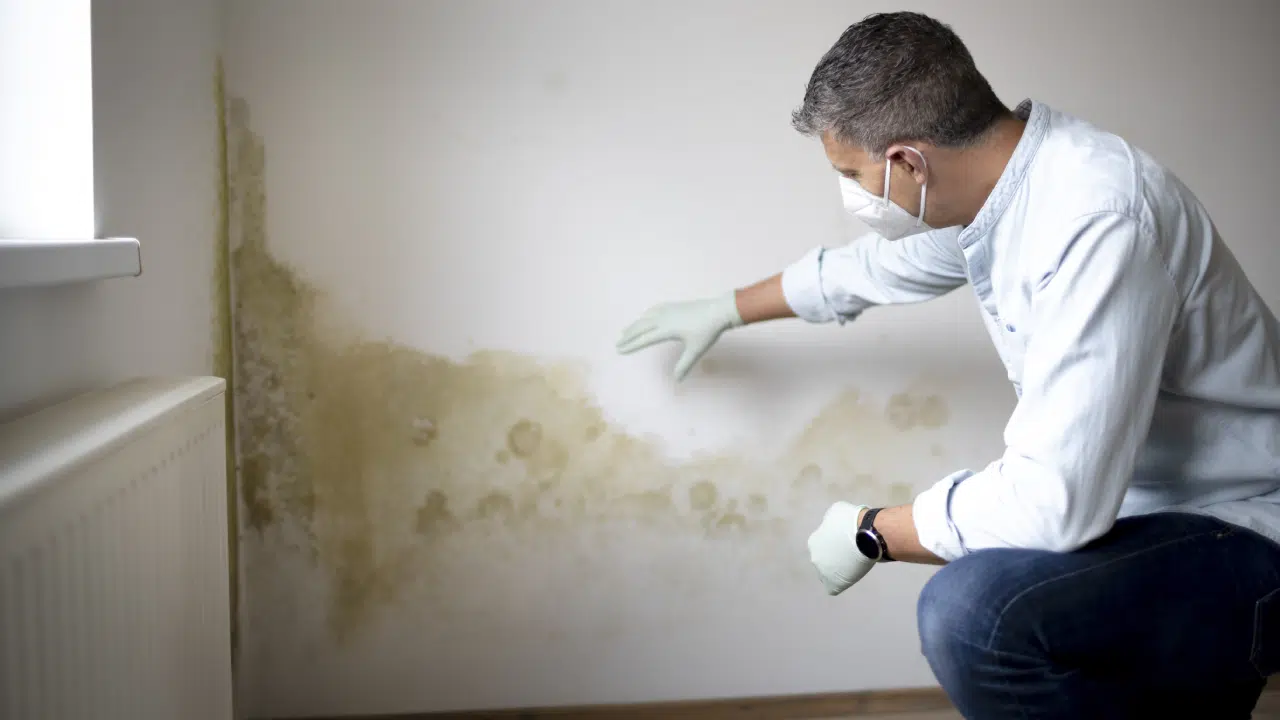
Dealing with musty basement smells can feel like fighting a stubborn tide, especially in basements, cellars, underground storage, and lower ground floors where moisture clings unseen. As experts, we understand the frustration and the worry it raises for health, belongings, and long-term preservation, and we’re here to help you reclaim fresh air and confidence in your space.
Many people rely on superficial fixes when faced with this issue, which often results in the sheer frustration of putting up with The heavy, earthy smell that clings to stored items, making the entire basement feel unusable and unhygienic. time and time again. This guide delves into the scientific root causes and the most effective ways to treat the problem at its source.
Musty odours and related odour issues are a common feature in homes, particularly in basements, cellars, underground storage, and lower ground floors, where limited ventilation and high humidity create conditions conducive to mould growth and microbial volatile organic compounds. General indoor air quality research consistently highlights dampness, moisture-related growth, and associated pollutants as persistent problems in such environments, contributing to degraded air quality and potential health concerns.
Indoor air quality authorities consistently note that persistent odours can signal underlying moisture and microbial activity, with organisations like the EPA, WHO, and CSIRO highlighting that indoor pollutants and damp‑related microorganisms can impact health and comfort even at low concentrations.
Odour issues occurring in Basements, cellars, underground storage, and lower ground floors are often more complex than they appear. Scientifically speaking, Fungi thriving in dark, damp spaces release gases called Microbial Volatile Organic Compounds (mVOCs). This gas is exactly what your nose registers as a ‘musty’ or ‘earthy’ odor.
Musty basement smells typically arise from microbial activity—moulds and bacteria that colonise porous substrates like timber, plaster, or carpet backing—where volatile organic compounds are produced and stored within the material. When these substrates re-expand, dry out, or are disturbed, the trapped odour compounds are released into the indoor air, creating persistent smells that cannot be attributed to air alone and may indicate hidden mould developing within structural materials.
For a broader overview of solutions, explore our comprehensive guide to indoor odour management.
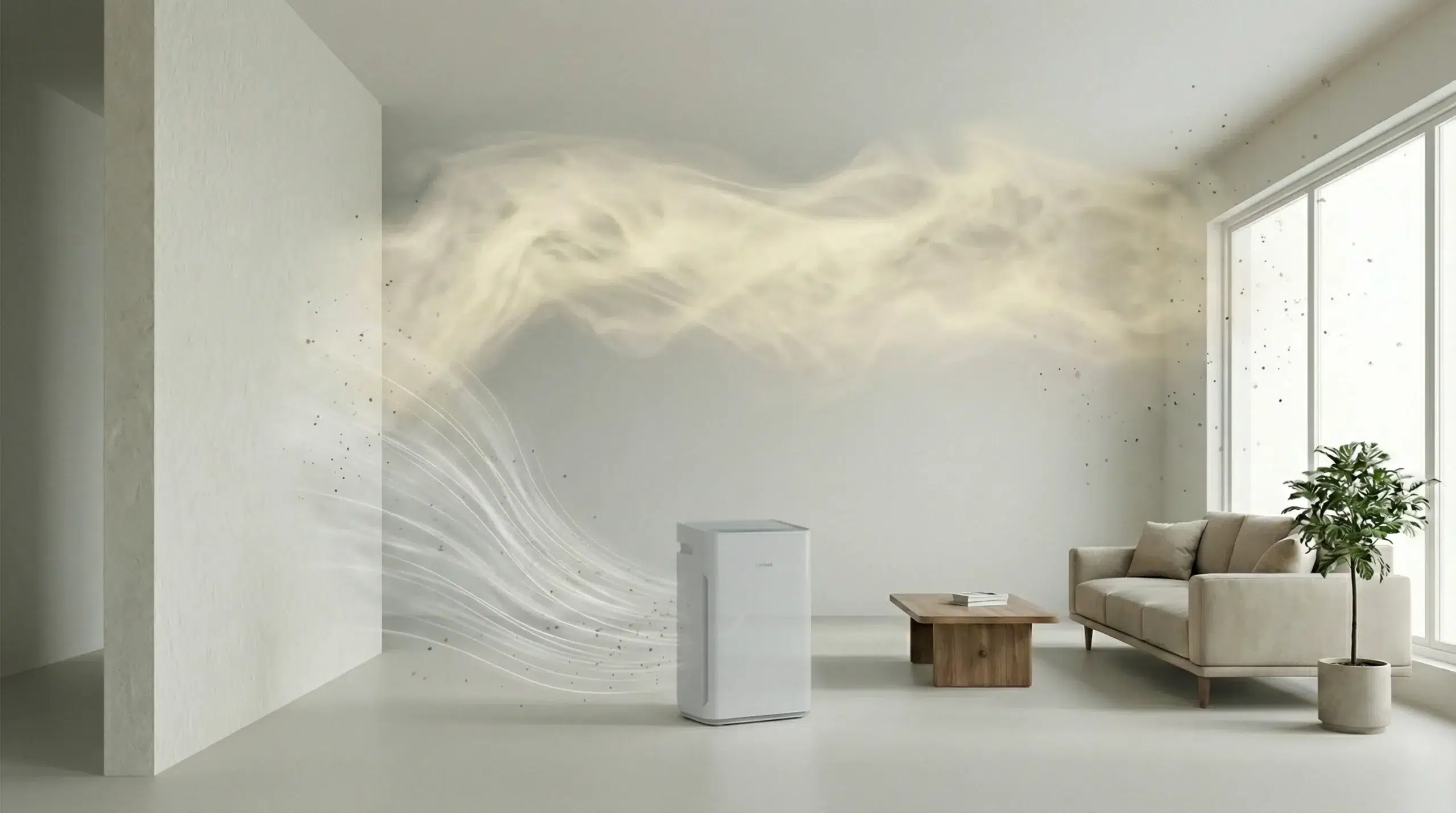
Air purifiers can help manage musty basement smells by removing the airborne particles and compounds that contribute to odours. Mustiness is often caused by mould spores, damp dust, and volatile organic compounds (VOCs) released from damp materials. Best air purifier with a high-efficiency particulate air (HEPA) filter captures spores and fine dust, reducing the source of odour. Many models also incorporate activated carbon or other odour-adsorbing media to trap VOCs and moisture-related emissions, which can lessen persistent smells over time. Regular use in conjunction with addressing moisture issues (such as improving drainage and ventilation) tends to be more effective than relying on filtration alone.
For more advanced approaches, there are active vapour systems that target odours at the source. Purox™ Gel technology is an example of a system that delivers targeted vapours designed to interact with odour-causing compounds. Such technologies aim to neutralise or stabilise odour molecules within enclosed spaces, potentially offering an additional layer of odour control beyond standard filtration. When considering these approaches, it’s important to follow manufacturer guidelines, assess room size and humidity, and ensure compatibility with any ongoing moisture management plans.
The Challenge: A classic issue in this environment is dealing with The heavy, earthy smell that clings to stored items, making the entire basement feel unusable and unhygienic., which can negatively affect comfort and perceived cleanliness.
A homeowner installed an active vapour air treatment system in the basement to neutralise persistent musty odours afflicting basements, cellars, underground storage, and lower ground floors, delivering a noticeable reduction in damp-related smells and improved air quality. The environmental improvement was quantified by a marked drop in relative humidity and odour intensity, providing relief for occupants and creating a healthier, more pleasant lower-level environment.
Effectively managing Musty Basement Smells requires understanding the chemical and biological mechanisms behind odours. Combining improved ventilation, surface hygiene, and advanced air treatment strategies can significantly improve indoor air quality and restore freshness to living spaces.
If you’re considering ways to elevate the comfort and well‑being of your indoor spaces, it’s worth looking beyond standard filtration. Advanced indoor air quality solutions—such as controlled vapour systems and targeted humidity management—can play a nuanced role in maintaining a healthier, more balanced environment.
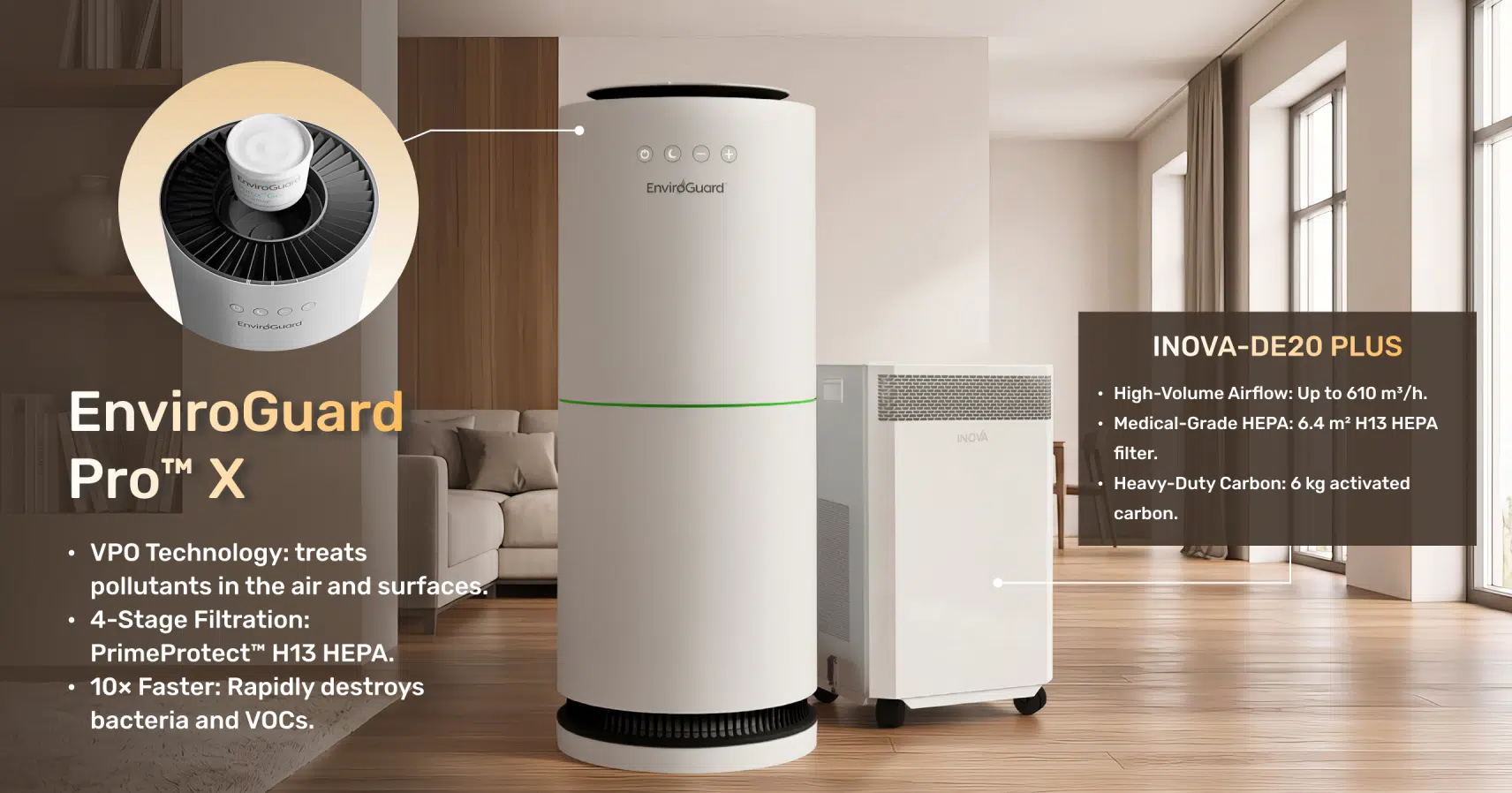
It may be useful to consult with a specialist to understand how these options could fit within your existing setup and daily routines. Experience the next level of indoor air management with the EnviroGuard PRO™ X
1) What causes a musty basement smell?
Typically caused by mould or mildew growth from damp conditions, hidden moisture, or condensation on walls, carpets, and stored items.
2) How long do musty basement smells last?
They can persist as long as moisture remains or mould is present, often weeks to months unless the source is addressed.
3) How can I remove a musty basement smell quickly?
Identify and fix moisture sources, dry the area thoroughly, clean mould with a detergent solution, and improve ventilation or run a dehumidifier.
4) What are effective methods to prevent musty basement smells?
Control humidity (below 50-60%), fix leaks, insulate and vent, use moisture barriers, and regularly inspect for mould and dampness.
5) Can bleach remove musty smells from basements?
Bleach can kill surface mould but does not address underlying moisture; use mould-specific cleaners and fix moisture issues for a lasting cure.
Improving indoor air quality often involves managing several different odour sources throughout the home. If you are dealing with similar issues, you may also find our guide on neutralise damp carpet odours helpful.
Connect with Us Join our community on Facebook for more advice on maintaining a healthy home: VBreathe Safe
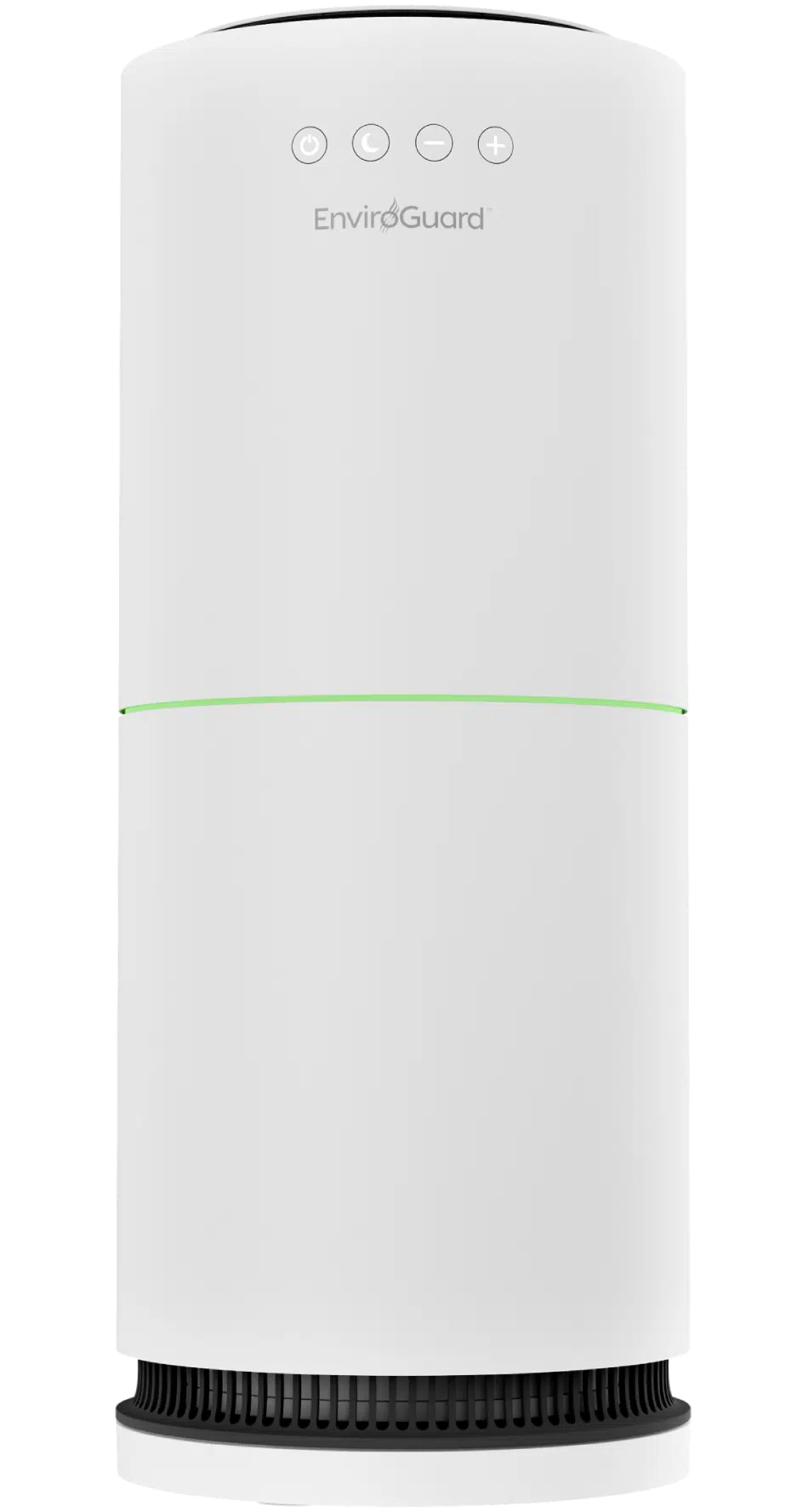
Upgrade to the innovative EnviroGuard PRO™ X today for only $790 (Was $1,590). Claim your $800 saving now and breathe cleaner, healthier air tomorrow.