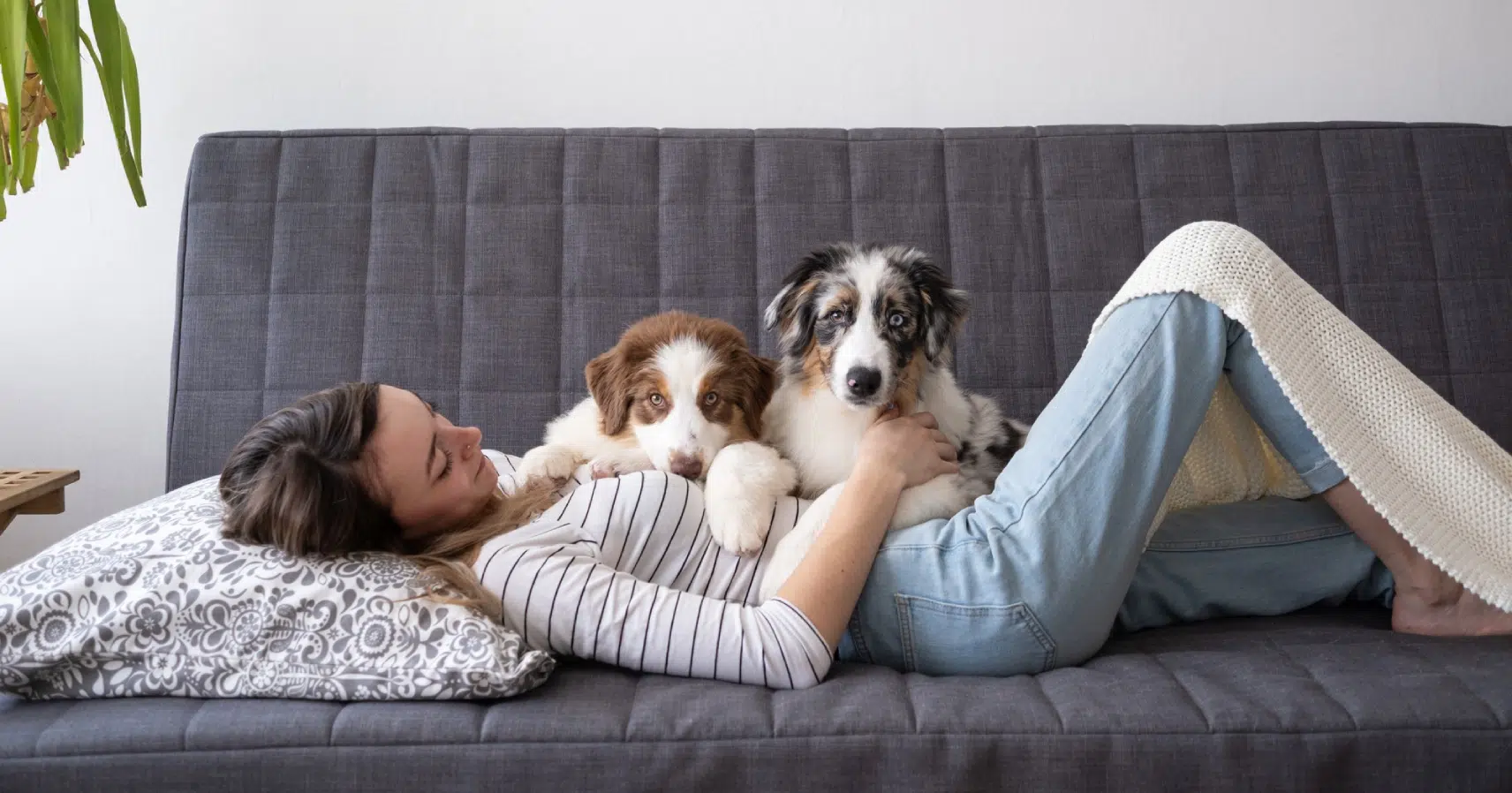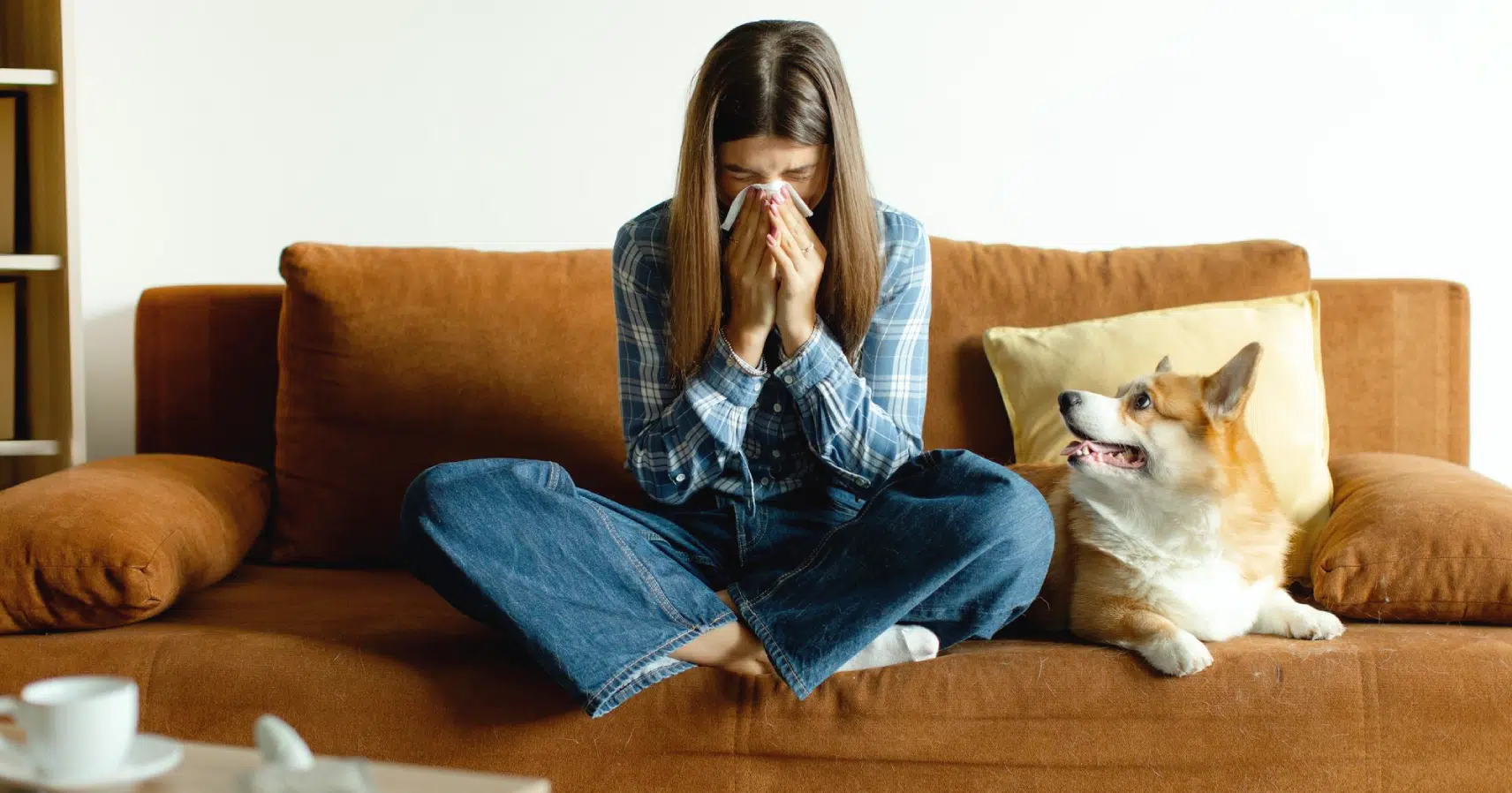

Pet owners frequently confront the enduring challenges of reducing allergens while maintaining a comfortable living space. Common hurdles include controlling dander, fur, and airborne particles, managing cleaning schedules, and ensuring that ventilation supports healthy indoor air without compromising the pets’ well‑being.
These issues are often underestimated for their broader health impact, contributing to persistent symptoms in both children and adults and potentially elevating the risk of reactive airway conditions in the home. In this comprehensive guide, you will discover the scientific mechanics of airborne distribution and the clinical-grade air management standards required to keep children and pets safe.
Minimising pet allergy triggers within an enclosed home environment requires an integrated understanding of how allergen-bearing particles, pathogens, and irritants behave in indoor air, how they are generated and transported by human activity and pet biology, and how building design, ventilation, cleaning regimes, and filtration strategies can suppress their concentration and residence time.
Allergens from pets—such as Fel d 1 from cats and Can f 1 from dogs—are typically lightweight proteins carried on desquamated skin scales, saliva, and urine. These particles attach to dust, textiles, and surfaces and can remain suspended in air or deposit on fomites, with residence times influenced by air exchange rates, filtration efficiency, humidity, temperature, and surface adhesion dynamics.
Pathogens and endotoxins associated with pets (e.g., microbial communities on fur and bedding) similarly disseminate via aerosolisation during activity. The goal of the environmental control strategy is to reduce generation at the source, shorten transport pathways, accelerate removal from indoor air, and minimize subsequent deposition and resuspension, while maintaining thermal comfort and occupant health.
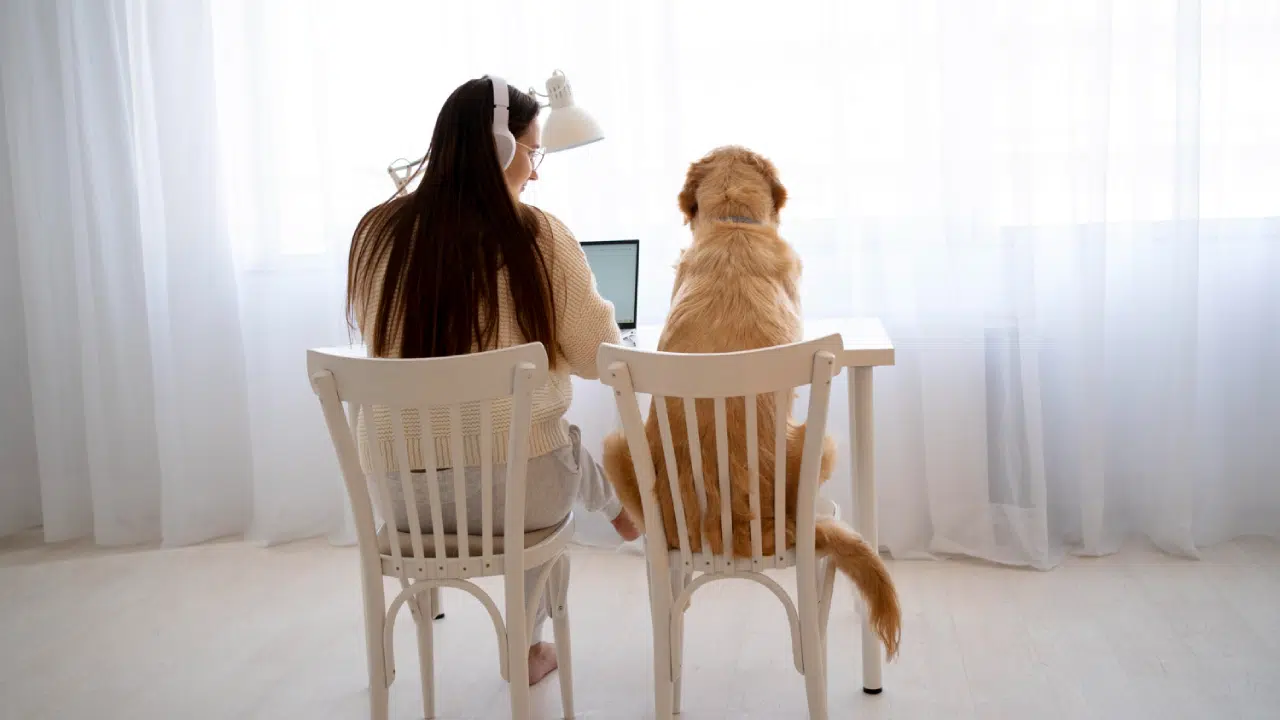
Implement rigorous pet hygiene practices, including regular grooming outdoors when feasible, using pet-appropriate cleaning routines, and restricting pet access to high-sensitivity zones (e.g., bedrooms). Bathe or grooming frequency should be balanced against skin integrity to reduce cutaneous shedding. Replace or enrichment of textiles and surfaces with low-shedding, easy-to-clean materials to limit reservoir formation for allergens and dust mites (which can interact with pet allergens).
Design or reconfigure for continuous, balanced mechanical ventilation with high efficiency particulate air filtration or equivalent. Ensure outdoor air supply meets or exceeds recommended air changes per hour (ACH) for residential settings, typically 3–6 ACH, combined with demand-controlled ventilation linked to occupancy. Avoid short-circuiting airflow from pet zones to living areas. Consider dedicated exhaust for damp or high-humidity areas to reduce microbial growth reservoirs.
Install high-efficiency filters (minimum MERV 13 if compatible with HVAC equipment; higher-grade HEPA filtration where feasible) to capture sub-mmicron particles including allergen-laden aerosols. Position portable air cleaners with CADR appropriate to room volume in pet-prone rooms. Choosing the best air purifier for allergies can significantly improve allergen reduction in homes with pets, ensuring unobstructed intake and outlet airflow. Regularly replace filters according to manufacturer guidance and maintenance schedules.
Maintain indoor relative humidity in the range of 40–50% to reduce microbial growth and allergen viability on surfaces, while considering user comfort. Temperature stability minimizes air stratification and resuspension of settled particles during occupant movement. Avoid excessive humidity that can promote mould and dust mite proliferation, which can interact with pet allergens to exacerbate symptoms.
Use non-porous, easily cleanable surfaces in pet areas (glossy vinyl, sealed composites) to enable effective removal of allergen-bearing dust. Adopt frequent, targeted cleaning with vacuum cleaners, Avoid high-shedding textiles in bedrooms; opt for washable covers and curtains that are laundered at high temperatures. Implement a robust cleaning schedule with emphasis on pet-free zones.
Create physically separated zones to limit cross-contamination. Use doors, air barriers, and dedicated storage for pet-related items (beds, toys, litter). Implement negative or neutral pressure policies for sensitive areas if feasible to prevent inward flow of contaminated air. Consider a vestibule or hallway airlock to reduce ingress of outdoor particulates during entry and exit.
Route regular veterinary care and allergen-aware behaviours to reduce shedding peaks. Use washable pet bedding placed in containment areas with easy cleaning, and employ microfibre materials that trap particulates effectively. Consider alternative sleeping arrangements for pets during peak allergy periods to reduce direct exposure in primary living spaces.
Employ indoor air quality (IAQ) monitors to track particulate matter (PM2.5, PM10), relative humidity, CO2, and temperature. Correlate spikes in PM with pet activity and cleaning events to optimise scheduling. Use surface sampling and validated assays for allergen detection (e.g., ELISA-based methods) in research or high-sensitivity contexts to verify program effectiveness.
The interplay of particle physics—size, density, suspension, deposition—and building science—air exchange, filtration efficiency, and surface interactions—defines the achievable limits of indoor air cleanliness for allergy-prone occupants. By integrating these controls into the home design and daily routines, it is possible to substantially lower aeroallergen load and improve symptom outcomes for individuals with pet allergies.
Active Gel Technology releases micron-sized active vapour that spreads through the room and initiates oxidation. These oxidising molecules interact with airborne allergens, microbes, VOCs, and protein aerosols, helping convert them into less reactive or inactive forms and reducing exposure in the air.
On surfaces, the vapour diffuses onto residues and promotes oxidative breakdown of proteins and microbial structures. This controlled, continuous process supports room-wide coverage and lowers allergenicity and microbial load without relying only on filtration.
Creating a healthier indoor environment for you and your pets involves a holistic approach that considers air quality, surfaces, and daily routines, all aimed at reducing allergen exposure while supporting comfort and well-being. For a deeper understanding of how pet-related factors influence circulation and filtration within living spaces, explore the insights in Pet Allergies Explained.
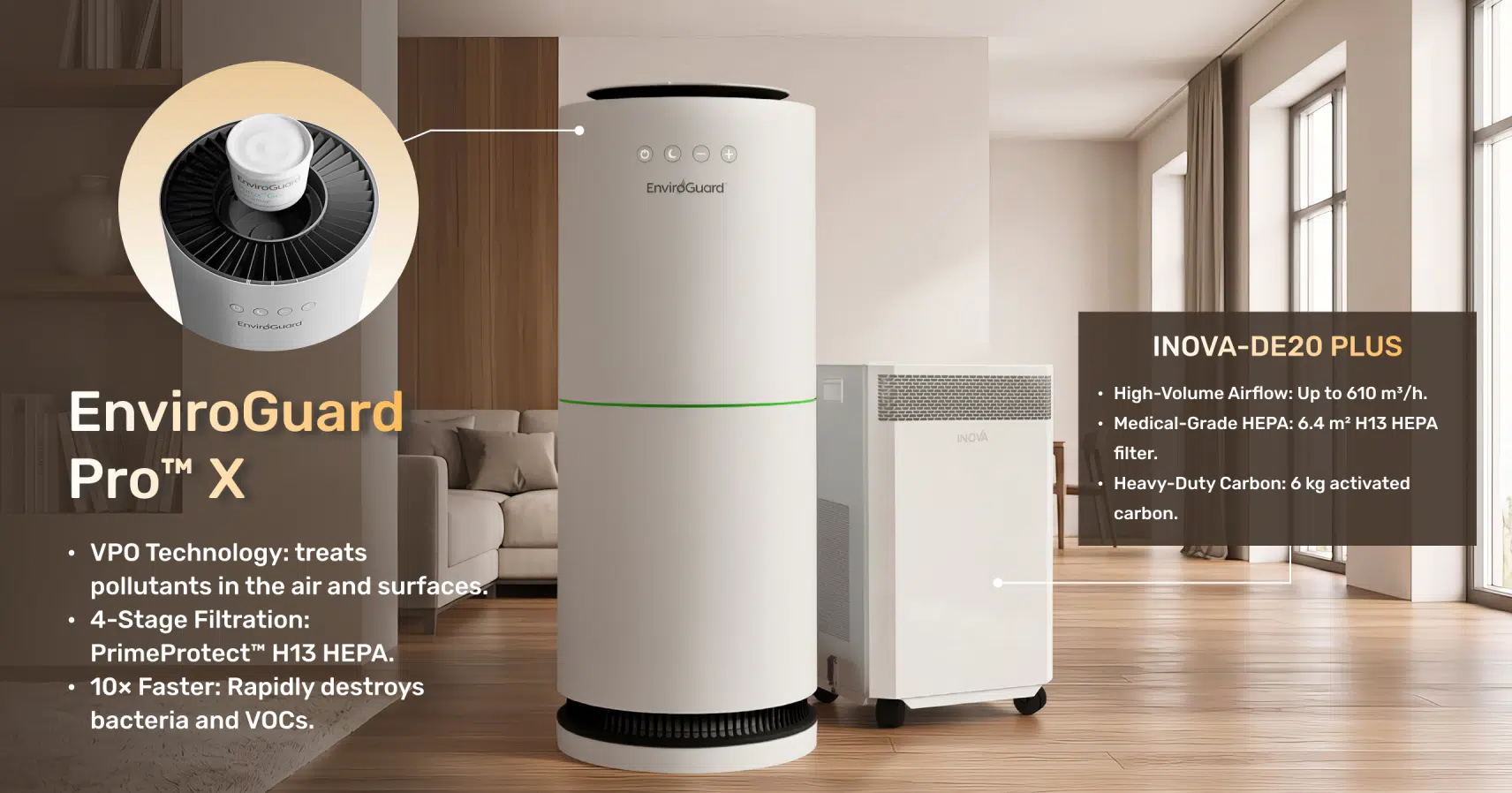
For professionals seeking a solution that meets indoor air quality safety standards, VBreathe EnviroGuard PRO™ X presents a compelling option. Its Active Air Purification system outperforms traditional purifiers and complies with the ANSI IICRC S520 standard.
The Purox™ Gel technology releases a vapour that mirrors the action of natural free radicals—akin to how sunlight neutralises pathogens outdoors—dispersing throughout the room to remove allergy-triggering proteins, bacteria, and mould with 99.9% efficacy, both in the air and on contact surfaces. Importantly, its food-grade, ozone-free, and chemical-free formulation guarantees that the hospital-grade clean air it delivers remains safe for children, infants, and pets.
1. Where should I place my air purifier for pets?
Place the air purifier 1.0–1.5 m high in a central spot, away from walls and furniture. Keep 0.5 m clearance on all sides and run it continuously in the main area where pets spend time, using a CADR suitable for the room size.
2. How can I configure cleaning routines to minimise pet allergen exposure in everyday living spaces?
Implement daily vacuuming with a high-efficiency, sealed vacuum cleaner and weekly wet-mopping of hard floors using a non-residual cleaning solution. Launder pet bedding at 60°C or higher weekly. Wash soft furnishings quarterly and maintain curb-side removal of fur in high-traffic zones. Use washable throw covers on furniture and rotate pet sleeping areas to reduce concentrated allergen reservoirs.
3. What is Active Oxidation, and how does it function in reducing allergens and pathogens?
Active Oxidation releases oxidising molecules from food-grade vapour or Active Gel to neutralise allergens and microbes in air and on surfaces. It can inactivate up to 99.9% under controlled conditions. Use according to product and indoor safety guidelines.
4. What are the practical considerations and evidence for using Active Oxidation products in pet-friendly homes?
Use indoor-approved products with clear safety data and occupancy guidelines. Check compatibility with household materials and pets, choose options with third-party efficacy testing for pet allergens and pathogens, and ensure good ventilation during and after use.
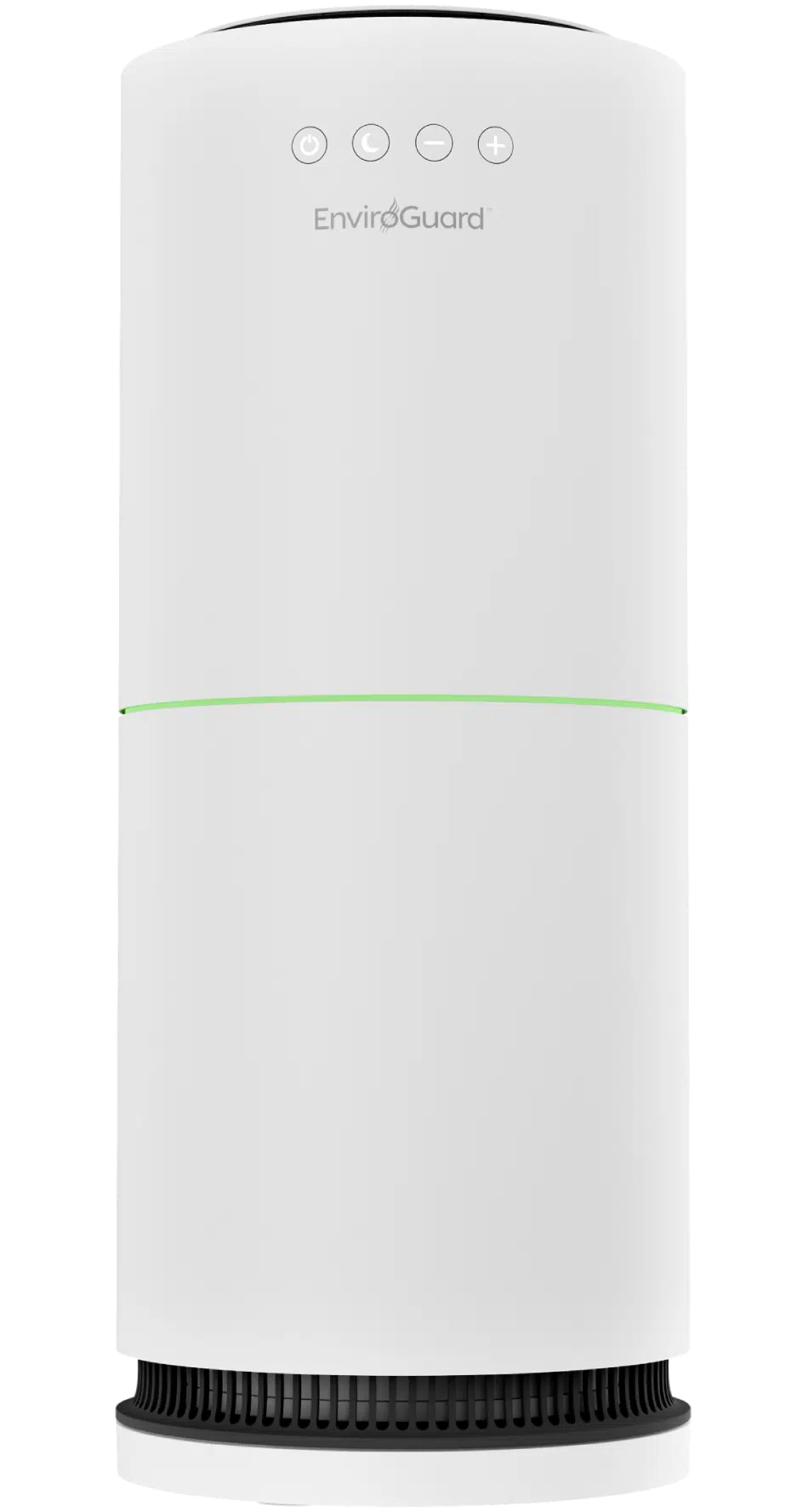
Upgrade to the innovative EnviroGuard PRO™ X today for only $790 (Was $1,590). Claim your $800 saving now and breathe cleaner, healthier air tomorrow.