Limited-time welcome offer — 10% off with code WELCOME10

✨ Fresh Update: Ut enim ad minim veniam, quis nostrud exercitation ullamco aboris nisi ut aliquip ex ea commodo consequat.

Limited-time welcome offer — 10% off with code WELCOME10

How Activated Carbon Filters Remove Odours and VOCs

Indoor air can contain a variety of unpleasant odours, volatile organic compounds (VOCs), and harmful gases , which contribute to poor air quality and potential health risks. While HEPA filters are excellent at capturing airborne particles like dust and pollen, they are not designed to eliminate odours and chemical pollutants. This is where activated carbon

Today’s Air Quality
London, GB
1:43 AM
AQI 5
Air Quality Good
Air is clean and safe. No health risks expected. Everyone can enjoy outdoor activities without concern.
PM₂.₅
1.01
PM₁₀
1.65
SO₂
2.77
NO₂
5.17
O₃
84.16
CO
105.09

Indoor air can contain a variety of unpleasant odours, volatile organic compounds (VOCs), and harmful gases , which contribute to poor air quality and potential health risks. While HEPA filters are excellent at capturing airborne particles like dust and pollen, they are not designed to eliminate odours and chemical pollutants. This is where activated carbon filters play a crucial role.

Activated carbon filtration is one of the most effective technologies for removing smoke, pet odours, cooking fumes, and toxic gases from indoor air. In this guide, we’ll explore how activated carbon filters work, their benefits, and why they are essential for cleaner, healthier air.

How Do Activated Carbon Filters Work?

Activated carbon is a highly porous material that has been treated to create millions of tiny pores . These pores trap and absorb gaseous pollutants through a process called adsorption , where unwanted molecules stick to the surface of the carbon. This allows the filter to effectively remove:

  • Odours from pets, smoke, and cooking
  • Harmful VOCs emitted from household cleaners, paints, and furniture
  • Gases such as formaldehyde, benzene, and ammonia

As air passes through the filter, pollutants bind to the activated carbon , preventing them from recirculating in the air you breathe. This makes it a key component in high-quality air purifiers designed to improve indoor air quality.

Why Do You Need an Activated Carbon Filter in Your Air Purifier?

HEPA filter alone cannot remove gases and odours, making an activated carbon filter essential for complete air purification. Here’s why:

1. Odour Removal for a Fresher Home

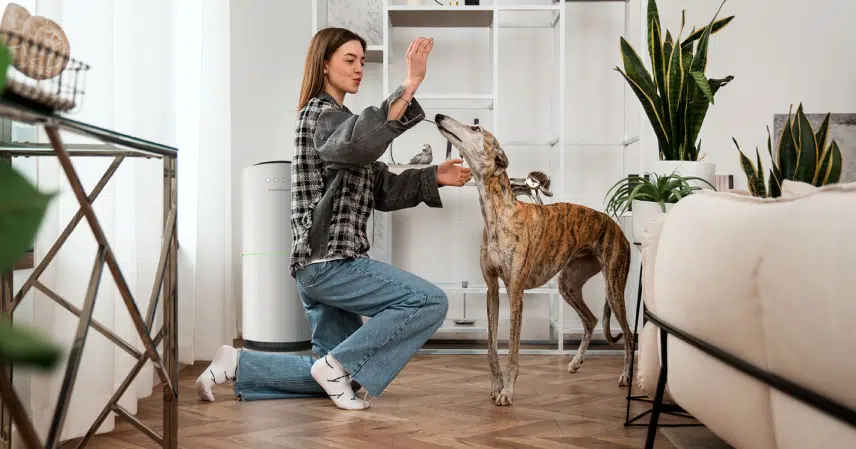
Whether it’s pet smells, cooking fumes, or lingering tobacco smoke, activated carbon absorbs and neutralises unwanted odours. This makes it especially beneficial for households with pets, smokers, or strong cooking odours.

2. VOC and Chemical Gas Filtration

Household items like paint, cleaning products, and furniture release VOCs, which can cause headaches, nausea, and long-term health effects. An activated carbon filter removes these harmful gases, reducing exposure to indoor air pollution.

3. Improved Respiratory Health

Breathing in chemical fumes and pollutants can aggravate asthma, allergies, and respiratory conditions. Activated carbon filtration helps create cleaner, healthier air, making it ideal for those with sensitive lungs.

4. Enhanced Air Quality in Urban Areas

For city dwellers, outdoor pollution can make its way indoors. Activated carbon filters out vehicle exhaust fumes, industrial pollutants, and airborne toxins, ensuring better air quality inside your home.
How to Maintain an Activated Carbon Filter for Maximum Effectiveness

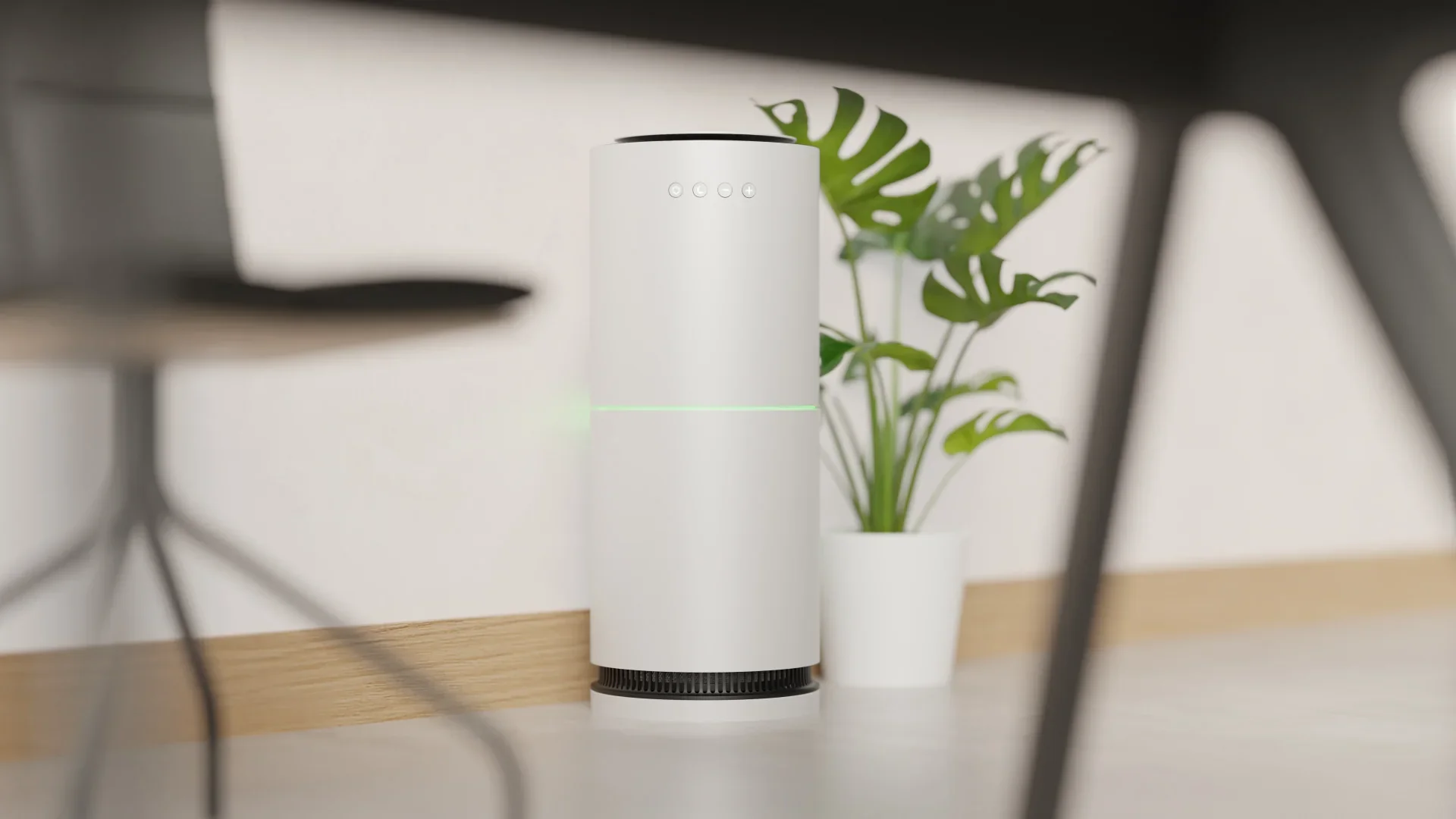
To ensure your activated carbon filter continues to perform effectively, follow these simple maintenance steps:

  • Replace the filter regularly – Over time, the carbon becomes saturated with pollutants and loses its ability to absorb odours and gases. Check manufacturer guidelines for replacement schedules.
  • Pair it with a HEPA filter – For the best results, use an activated carbon filter alongside a True HEPA filter to remove both particles and chemical pollutants.
  • Use in well-ventilated areas – While carbon filters trap pollutants, good airflow helps enhance their efficiency.
  • Monitor air quality levels – Some air purifiers include air quality sensors that indicate when the filter needs to be changed.

By maintaining your activated carbon filter, you’ll enjoy continuous air purification and a fresher, healthier home environment.

Common Sources of VOCs and Indoor Air Pollution

Many people don’t realise that everyday household products release harmful airborne chemicals. Common sources of VOCs (volatile organic compounds) include:

  • Cleaning products – Bleach, disinfectants, and aerosol sprays.
  • Paints and varnishes – Emitting formaldehyde and benzene.
  • Furniture and carpets – Releasing chemicals from adhesives and synthetic materials.
  • Gas stoves and cooking fumes – Producing carbon monoxide and nitrogen dioxide.

Using an air purifier with an activated carbon filter is one of the most effective ways to reduce indoor exposure to these pollutants. While activated carbon is a powerful tool for capturing many household odours and gases, it is only one part of a complete air safety strategy. To learn more about why invisible toxins persist and how to move beyond passive filtration, explore our comprehensive guide on the best air purifier for VOCs in Australia to see how modern technology can fully neutralise these hidden threats.

The Science Behind Adsorption: How Activated Carbon Works

Unlike standard filters that trap particles, activated carbon uses a process called adsorption (not absorption) to chemically bond with gases and odours. Here’s how it works:

  • The highly porous structure of activated carbon increases its surface area, allowing it to trap more pollutants.
  • When air passes through the filter, VOCs and odours adhere to the carbon surface, preventing them from recirculating.
  • Over time, the carbon becomes saturated, which is why regular filter replacement is essential.

The result? Cleaner, fresher air free from chemicals and unpleasant smells.

Frequently Asked Questions (FAQ)

1. How do activated carbon filters work?

They use a process called adsorption, where gas and odour molecules stick to the highly porous surface of the carbon.

2. Why isn’t a HEPA filter enough on its own?

HEPA filters only capture solid particles like dust and pollen. They cannot remove odours, toxic gases, or VOCs, which is why an activated carbon filter is also needed.

3. What are the common sources of VOCs at home?

They commonly come from everyday items such as cleaning products, paints, varnishes, furniture materials, and gas cooking fumes.

4. Do activated carbon filters last forever?

No. Over time, the carbon becomes saturated with pollutants and loses its effectiveness, meaning the filter must be replaced regularly.

5. How do I maintain my activated carbon filter for maximum effectiveness?

Replace the filter on schedule, use it alongside a True HEPA filter, ensure good room ventilation, and monitor your air purifier’s air quality sensors.

London, GB
3:43 AM Jun 6, 2026
weather image
55
°F °C
overcast clouds
57 °
53 °
Feels like °
AQI 5
Air Quality Good
PM₂.₅
1.01
PM₁₀
1.65
SO₂
2.77
NO₂
5.17
O₃
84.16
CO
105.09
Weather Forecast
  • Weather
  • AQI
Today 07 Jun
weather image
53° 57°
Tomorrow 08 Jun
weather image
52° 71°
Monday 09 Jun
weather image
53° 60°
Tuesday 10 Jun
weather image
49° 65°
Wednesday 11 Jun
weather image
48° 63°

Recommended for you

¹ Tested in independent Australian laboratories under controlled conditions using airborne mould spores, bacteria and allergen particulates (0.3μm–10μm).
² Based on third-party testing results confirming 99.9% reduction in airborne mould spores and pet dander when using EnviroGuard Pro X with Purox™ Gel over 24 hours.
³ Independent testing by ICAS Testing Technology Service (Shanghai) Co., Ltd. demonstrated 99.99% reduction in airborne Staphylococcus Albus bacteria within 30 minutes in a 20m² test chamber, in accordance with Technical Standard for Disinfection GB 27948-2020.
⁴ Surface efficacy testing conducted by Eurofins BioPharma Product Testing — Sydney (Eurofins ams Laboratories Pty Ltd, TGA-licensed under MI-2021-LI-08995-1). Reductions over 8 hours: 99.99% Pseudomonas Aeruginosa, 99.9% Escherichia Coli, 90% Candida Albicans Yeast.
⁵ "10x faster than conventional filtration" comparison based on EnviroGuard Pro X achieving log 4 (99.99%) airborne bacterial reduction in 30 minutes, compared with log 1 (90%) pathogen reduction in 20 minutes reported for hospital HEPA systems operating at 12 air changes per hour (Fernstrom A, Goldblatt M. Aerobiology and its role in the transmission of infectious diseases. J Pathog. 2013;2013:493960).
⁶ Performance varies based on room size, airflow configuration, fan speed setting, environmental conditions and usage patterns.

Remove

Cart (0)
No products in the cart
Subtotal
$0.00
Add +

Total Amount