Why Cooking Odours Are an Unseen Hazard
When we assess the health of a home through the lens of the WELL Building Standard, the kitchen often emerges as the primary source of indoor air degradation. While the scent of a home-cooked meal is culturally associated with comfort, from a biological and scientific perspective, cooking odours are the olfactory evidence of airborne pollutants.
The aroma you detect is not merely a scent; it is a complex mixture of Ultrafine Particles (UFPs), aerosolised oils, and Volatile Organic Compounds (VOCs). When released into your indoor environment, these microscopic contaminants do not simply vanish when the meal is finished. Instead, they interact dynamically with your home’s airflow, surfaces, and ultimately, your respiratory system.
The Biological Impact of Cooking Emissions
Every time you apply heat to cooking oils, fats, or proteins, a chemical transformation occurs. This process releases fine particulate matter (PM2.5) and harmful gases directly into your breathing zone. Scientific evidence demonstrates that prolonged exposure to these cooking-generated aerosols can trigger systemic biological responses, including:
- Respiratory Irritation: Airborne grease and spice particles can cause immediate mucosal irritation in the eyes, nose, and throat.
- Cognitive Load and Fatigue: High concentrations of VOCs emitted during high-heat cooking have been linked to short-term cognitive impairment and lethargy.
- Asthma and Allergen Triggers: For individuals with compromised respiratory systems, the microscopic smoke and lipid particles act as aggressive irritants, highlighting the crucial need for asthma-friendly indoor air management.
The Flaw in Conventional Thinking
Most households rely on standard range hoods or open windows to manage these emissions. However, this approach relies on a flawed assumption: that airborne contaminants will obediently travel toward the exhaust point.
Physics dictates otherwise. A significant percentage of aerosolised oils and odour molecules bypass standard extraction methods. They drift into adjacent living spaces, cooling and settling onto walls, upholstery, and carpets. This is why lingering household odours often return days later—they have transitioned from an airborne threat to a surface-level contamination issue.
To achieve optimal indoor environmental quality, we must shift our perspective. We can no longer rely on passive extraction or conventional filters that wait in the corner of a room. True air safety requires an active indoor environmental system that addresses pollutants both in the air and on the surfaces they settle on.
Why Cooking Smells Linger?
Have you ever walked into your kitchen the morning after frying fish or searing a steak, only to find the smell is still waiting for you? You’ve wiped the counters, washed the pans, and taken out the trash, yet the odour remains.
To understand why cooking smells linger so stubbornly, we have to stop thinking about smells as invisible clouds of air, and start looking at them for what they really are: physical objects.
The Spread of Oil Aerosols
When you heat oil in a pan, it doesn’t just get hot; it transforms. The high heat shatters the oil and the moisture from your food into millions of microscopic droplets called aerosols.
Think of these aerosols like a microscopic mist of grease. When you hear the sizzle of food hitting a hot pan, that is the sound of moisture rapidly expanding and launching these tiny oil particles into the air.
Because they are so small and lightweight, these aerosols easily catch a ride on the warm air currents rising from your stove. They float effortlessly past your range hood, drift out of the kitchen, and travel from room to room.
Why Soft Materials Are Odour Traps
This is where the real problem begins. These floating oil droplets aren’t just grease; they are essentially carrying the “flavour” of your dinner. And eventually, gravity and air currents cause them to land.
If they land on a hard surface like a kitchen tile or a granite benchtop, they create a thin, sticky film that you can eventually wipe away. But when these microscopic oil droplets drift into your living room or bedroom, they find a much more welcoming home: soft materials.
Your couch cushions, fabric curtains, rugs, and even the clothes hanging in your wardrobe are highly porous. Under a microscope, fabrics look like a dense, tangled forest of fibres. When an airborne oil droplet lands on a curtain, it doesn’t just sit on the surface; it gets absorbed deep into the fabric’s structure.
The Temperature Trap: Why the Smell Comes Back
You might think you’ve aired out the house and the smell is gone, but a few hours later, it returns. This isn’t your imagination playing tricks on you; it’s basic physics.
When a room cools down, the odour molecules trapped inside your furniture fibres contract and stay put. But when the environment changes—perhaps the sun hits the sofa, you turn on the heating, or you simply sit on the cushion—the temperature rises.
Heat causes these embedded molecules to expand and release back into the air. This process, known as off-gassing, is the exact reason why your living room can suddenly smell like last night’s dinner just because the afternoon sun warmed up the rug. The smell didn’t come back from the kitchen; it came from the furniture.
To truly eliminate odours, you need to target the microscopic particles trapped across your entire living space.
How Cooking Methods and Ingredients Affect Indoor Air Quality
When we think about keeping our homes healthy, we often focus on cleaning and ventilation. But when it comes to indoor air quality, prevention starts in the kitchen.
Cooking can release more than just delicious aromas. Depending on the ingredients, temperature and cooking method, it can also produce fine particles, smoke, grease and volatile organic compounds (VOCs). These pollutants can spread beyond the kitchen and remain in the air or settle on surfaces throughout the home.
Understanding how different cooking methods and ingredients affect indoor air quality can help you make simple changes without changing the way you enjoy your food.
Cooking Methods: Water-Based vs High-Heat Cooking
Not all cooking methods affect indoor air quality in the same way. The amount of heat, moisture and fat involved can make a significant difference.
- Lower-emission methods: Boiling, steaming and poaching generally produce fewer cooking particles because they rely mainly on water and lower temperatures. Microwaving can also help contain cooking emissions within the enclosed appliance, although some foods may still release odours and vapours.
- Higher-emission methods: Frying, searing, grilling and roasting at high temperatures can produce more fine particles, smoke and VOCs. When oil and food are heated strongly, tiny droplets and combustion products can become airborne and spread into nearby rooms.
This is particularly noticeable when cooking foods at high temperatures or using a lot of oil. Without adequate ventilation, cooking emissions can linger well after the meal is finished.
Why Cooking Oil and Temperature Matter
The type of cooking oil you use can also influence what is released into the air.
Every cooking oil has a smoke point — the temperature at which it begins to visibly smoke and break down. When oil is overheated, it can produce irritating compounds, smoke and fine airborne particles.
For this reason, choosing an oil that suits your cooking temperature can help reduce unnecessary smoke and emissions.
- High-heat cooking: Oils with higher smoke points, such as refined avocado, peanut or sunflower oil, are generally better suited to frying, roasting and other high-temperature cooking.
- Lower-heat cooking and finishing: Extra virgin olive oil and butter are better suited to gentler cooking or finishing dishes where very high temperatures are not required.
The key is not simply choosing a particular oil, but avoiding overheating it. If your oil is smoking heavily, the temperature is too high.
Fat Content: Why Some Cooking Odours Linger
The ingredients themselves also play a role in how long cooking odours remain in your home.
Foods that contain a lot of fat — such as bacon, fatty cuts of meat and some fish — can release more grease and airborne particles when heated. These tiny droplets can travel beyond the kitchen and settle on walls, cupboards, curtains and other surfaces.
Over time, this can contribute to the familiar lingering smell of cooking, particularly in homes with limited ventilation.
Simple changes can help reduce this buildup. Use a splatter screen when frying, avoid overheating oils, clean greasy surfaces regularly, and choose cooking methods that generate fewer airborne particles when practical.
The Bigger Picture: Cooking and Indoor Air Quality
Cooking is a normal part of everyday life, but it can be an important source of indoor air pollutants. The combination of heat, oil, food particles and ventilation determines how much pollution is released and how long it remains indoors.
You do not need to change the way you cook completely. Managing cooking temperature, choosing suitable oils, using your rangehood or exhaust fan, and allowing fresh air to circulate can all help improve indoor air quality.
For homes where cooking emissions, odours or VOCs are a persistent concern, combining good ventilation with effective air treatment can provide an additional layer of protection.
Managing Cooking Emissions with Better Kitchen Ventilation
While adjusting your cooking oils and techniques helps reduce airborne grease, the appliances in your kitchen play a major role in how many emissions end up circulating through your home. From open-plan layouts in modern Australian homes to high-heat appliances, how you manage your kitchen setup makes a noticeable difference to your indoor air quality.
Gas vs Induction Cooktops
When considering cooking emissions, it helps to look at the heat source itself. Gas cooktops rely on open combustion, which produces heat by burning fuel. This process releases moisture, carbon monoxide, nitrogen dioxide, and fine carbon particles directly into your kitchen, adding to the smoke and oil mist coming off your frypan.
Electric and induction cooktops, on the other hand, generate heat without combustion. While sizzled oil will still produce grease aerosols regardless of your stove type, induction cooktops eliminate fuel-burning emissions entirely. This keeps the overall volume of airborne pollutants significantly lower during high-heat cooking.
Pyrolytic Ovens
Pyrolytic (self-cleaning) ovens are wildly popular for good reason—they take the hard work out of scrubbing baked-on grease. However, they do this by locking the door and heating the cavity to temperatures around 500°C to incinerate food residue into ash.
During this high-heat cycle, burnt grease and carbon deposits break down and vent out into your kitchen as concentrated smoke, heavy burnt smells, and volatile organic compounds (VOCs). If you run a pyrolytic self-clean cycle, it is essential to open nearby doors and windows, run your exhaust hood at full speed, and ensure your home has a strategy for neutralising household odours before those burnt fumes settle into surrounding living areas.
Smart Ventilation
Range hoods and exhaust fans are your first line of defense, but most people turn them on too late or switch them off too soon. To get the most out of your kitchen ventilation:
- Start early: Turn your range hood on 2 to 3 minutes before you start frying or searing. This creates an established upward draft that catches rising smoke and oil mists the moment they leave the pan.
- Run it post-meal: Leave the fan running for at least 10 to 15 minutes after you turn off the stove. This clears the lingering micro-droplets of oil suspended in the air right above the cooktop.
- Consider downdraft systems: Downdraft extractors, built directly into or beside the cooktop, pull smoke and grease downward right at the rim of the pan. This catches emissions before they have a chance to rise, catch indoor breeze currents, and drift across open-plan living rooms.
Even with top-tier ventilation, standard extraction hoods only capture a portion of what is generated on the stove. The remaining aerosolised oils and fine smoke particles drift past the fan and disperse into your home, where they require dedicated treatment.
Simple Upkeep and Natural Deodorisers
Good cooking habits and ventilation can reduce most kitchen emissions, but some food residue and odours will still settle on surfaces. A simple cleaning routine can help keep these smells from building up.
1. Use Simple Natural Deodorisers
You do not always need synthetic air fresheners to deal with cooking smells. A few common household ingredients can help:
- White vinegar: Place a small bowl of white vinegar and water near the kitchen to help reduce strong food odours, particularly after cooking fish or other strong-smelling foods.
- Baking soda: Leave a small open container of baking soda in the kitchen overnight to absorb unwanted odours.
- Citrus and herbs: Simmer lemon or orange peels, or herbs such as cinnamon, cloves or bay leaves, in water for a naturally fresh scent.
These methods are useful for managing surface-level and residual odours, but they do not remove airborne particles or VOCs.
2. Keep Kitchen Textiles Clean
Dishcloths, sponges and tea towels can hold moisture, grease and food residue.
- Let them dry fully between uses.
- Wash reusable cloths regularly, ideally on a 60°C cycle when the fabric allows.
- Replace sponges when they become worn or develop a persistent smell.
Keeping these items dry and clean helps prevent unpleasant odours from returning.
3. Clean the Sink and Drain
Food scraps and grease can collect around sink strainers and inside drains, creating another source of kitchen odours.
- Empty the sink strainer after washing up.
- Rinse away food residue promptly.
- Flush the drain regularly with hot water.
- Clean the sink and surrounding surfaces as part of your normal kitchen routine.
4. Check Appliances and Filters
Grease and moisture can build up in places that are easy to overlook.
Every few weeks, check and clean:
- Rangehood filters
- Dishwasher seals and filters
- Refrigerator door seals
- Other areas where grease or food residue collects
Regular maintenance helps prevent hidden buildup from becoming a persistent source of odours.
Keep the Kitchen Clean at the Source
Natural deodorisers and regular cleaning can help manage surface-level cooking smells, but they cannot remove fine particles or VOCs that have already entered the air.
For a more complete approach, combine good kitchen hygiene with effective ventilation and air treatment to help manage both the source and airborne pollutants.
Combining these habits with effective household odour neutralisation techniques can help keep your home smelling fresher and your indoor environment cleaner.
Advanced Air Treatment: More Than an Air Purifier
When cooking fumes and odours continue to linger despite good ventilation, a conventional air purifier may not address the entire problem.
An air purifier is designed primarily to clean the air that passes through the unit. But cooking emissions can move beyond the kitchen, spread through open-plan living areas, and settle on surfaces and soft furnishings.
This is where an Indoor Environmental System takes a broader approach.
Treating More Than the Air
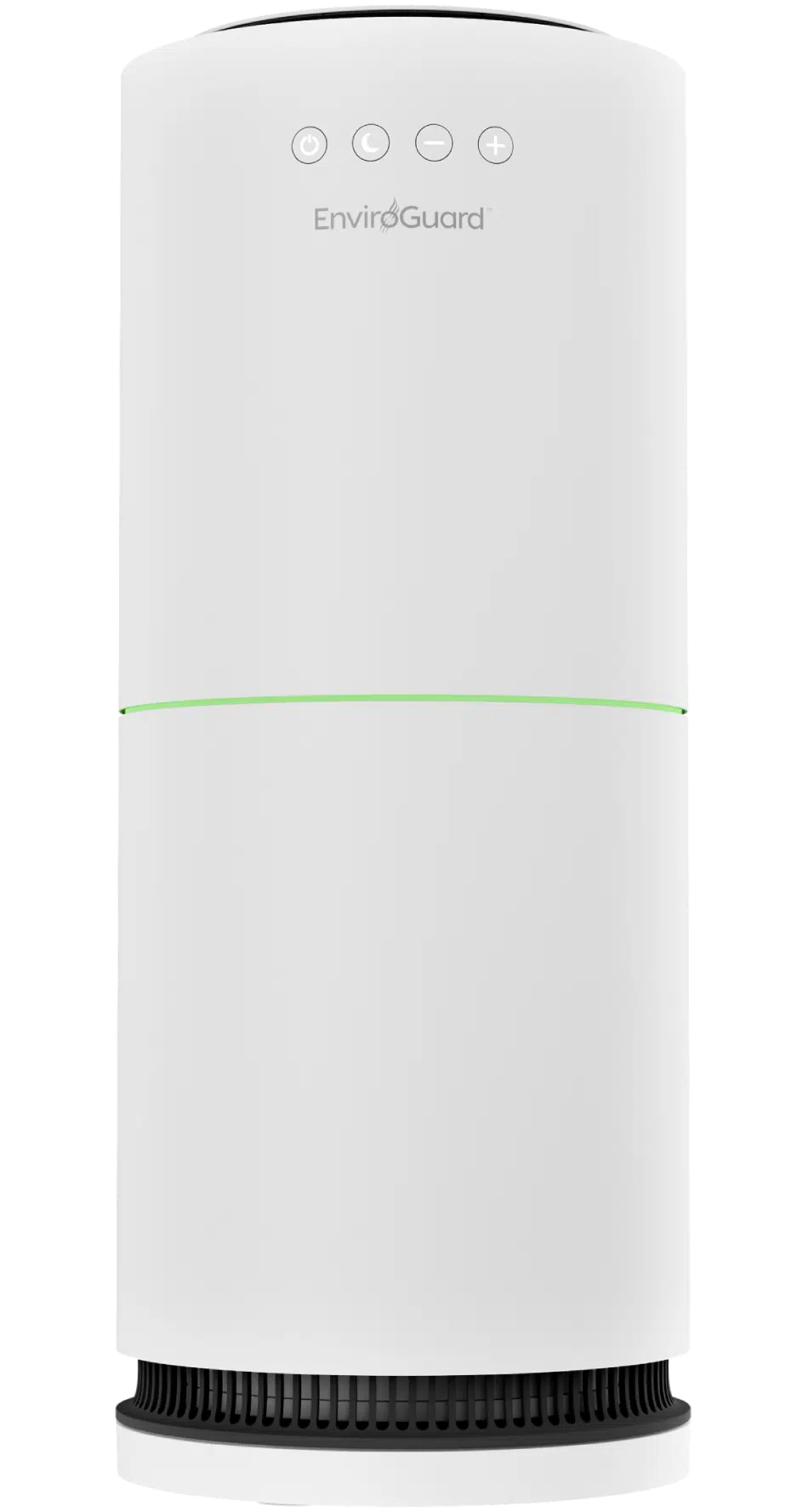
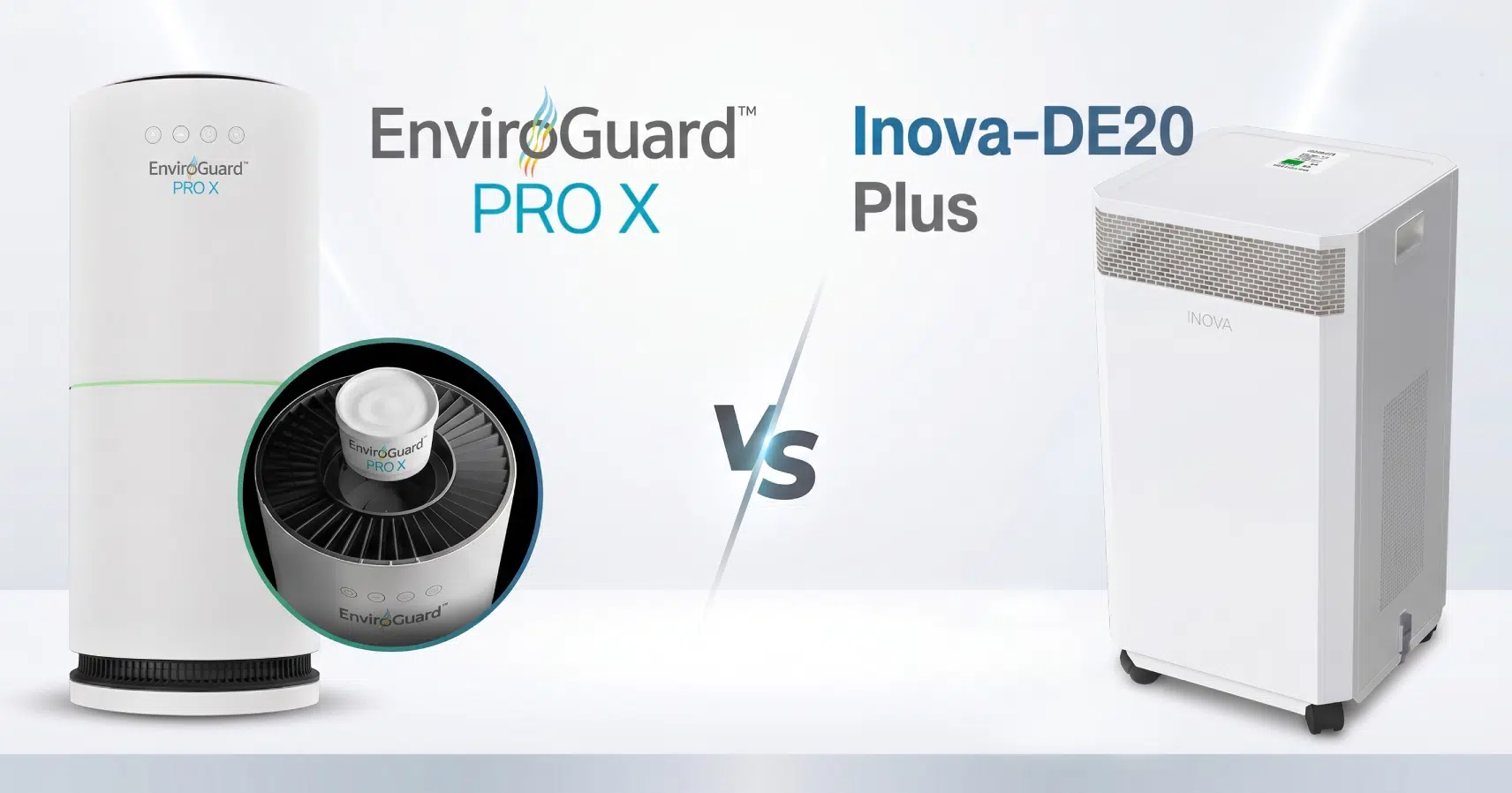
The VBreathe EnviroGuard PRO™ X is designed as an Indoor Environmental System, rather than a conventional air purifier.
Powered by Purox™ Gel, its Active Vapour Phase Oxidation technology releases an ozone-free hydrogen peroxide (H₂O₂)-based vapour into the treated space.
This active treatment works throughout the room, while the system’s filtration captures pollutants as air passes through the unit.
The result is a broader approach to indoor air management:
- Treat the environment: Active vapour is dispersed throughout the treated space.
- Clean the air: Multi-stage filtration captures airborne particles and adsorbs gases and odours.
- Address persistent odours: Helps target odour-causing compounds that may remain beyond the immediate cooking area.
Where to Place an Environmental System
Placement still matters, particularly in open-plan homes.
- Near the kitchen boundary
Position the system near the transition between the kitchen and living area to help manage emissions as they move through the home.
- Away from direct grease exposure
Avoid placing it directly above or immediately beside the cooktop to reduce heavy grease and splatter entering the system.
- In the main living area
For open-plan spaces, positioning the system where people spend the most time allows it to continuously treat the surrounding indoor environment.
Beyond Air Purification
Cooking affects more than the air inside the kitchen. Smoke, fine particles, VOCs and odours can move through the home and interact with surfaces and furnishings.
That is why an Environmental System takes a broader approach — helping manage the indoor environment rather than simply filtering the air that reaches a machine.
For everyday cooking emissions, the best strategy starts with source control and ventilation, supported by an Environmental System designed to provide continuous treatment throughout the living space.