
Did you know that the air inside our homes, where we rest and breathe every day, can contain pollutants many times denser than the air outside? Data from the US Environmental Protection Agency (US EPA) clearly states that indoor air can be 2 to 100 times more polluted than outdoor air [Reference: US EPA]. For asthma sufferers, this number is not just a statistic; it represents a silent threat floating around, ready to trigger an attack at any moment.
When it comes to reducing asthma triggers, the general advice we usually receive is to vacuum regularly, avoid keeping pets, or wash our bedsheets frequently. However, in medicine and environmental science, tackling chronic respiratory diseases requires more than just cleaning surfaces. It is about systematically managing your indoor environment.
This article takes an in-depth look at managing indoor triggers and pollutants for people with asthma. It explores misconceptions about pets, cleaning methods, and the invisible dangers of chemicals, toxic gases, and thirdhand smoke. We will also introduce Molecular Breakdown technology, which is becoming the new standard for creating a safe space for your respiratory system. Protecting your health and your loved ones starts with understanding the air you breathe every second.
When families try to eliminate allergy and asthma triggers at home, they often start with beliefs or advice passed down through generations. However, from the perspective of environmental science and immunology, these beliefs often only address the symptoms and can sometimes create even bigger problems. Let’s rethink the true mechanisms of these biological triggers.
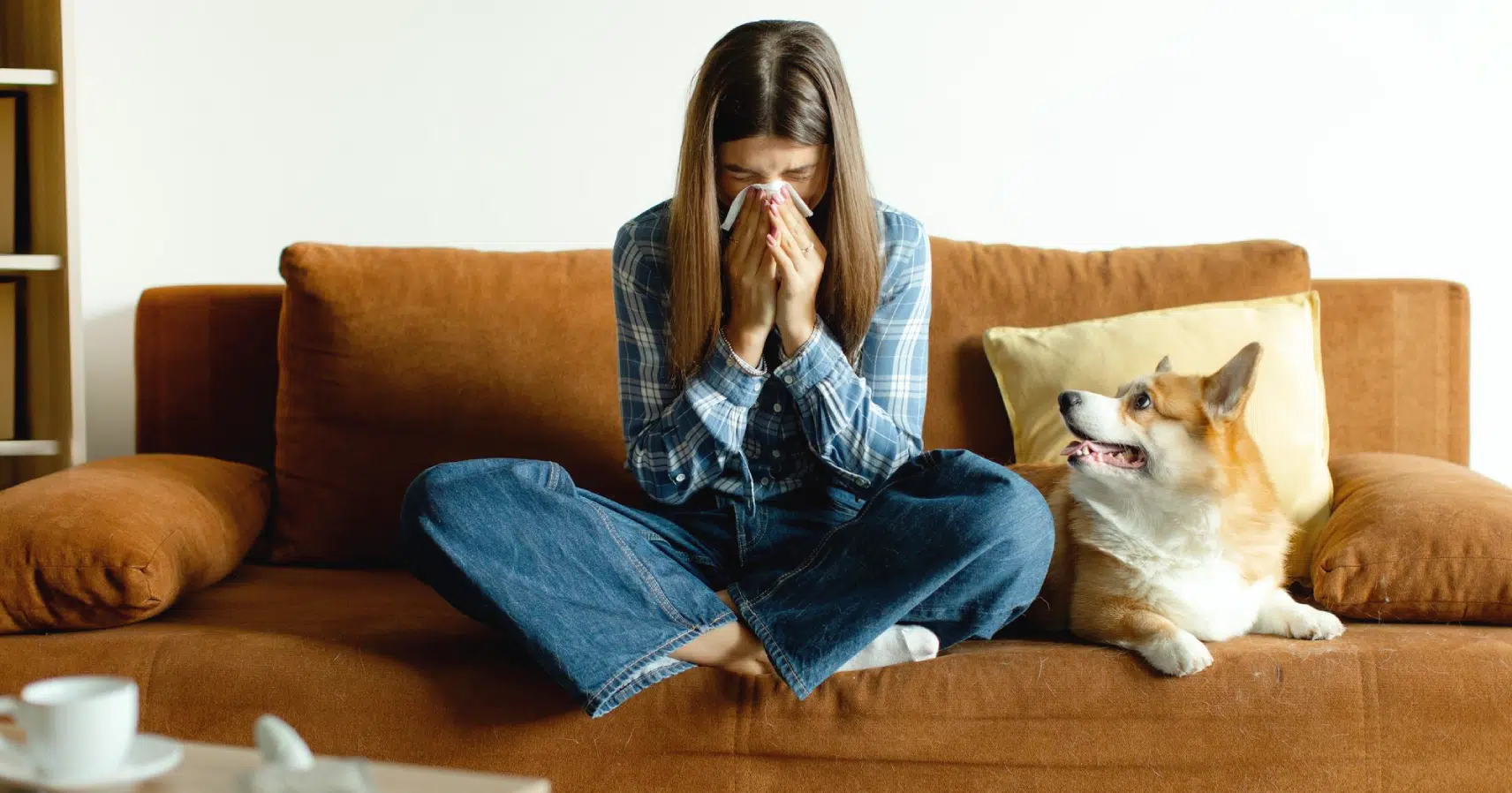
One of the biggest misconceptions is believing that special hypoallergenic dog or cat breeds exist simply because they do not moult. In reality, the allergen is not in the “fur”. Information from the American Academy of Allergy, Asthma & Immunology (AAAAI) clearly states that the actual allergens are specific proteins, such as Can f 1 to Can f 6 in dogs and Fel d 1 in cats. Animals excrete these proteins through their saliva, dander (dead skin cells), and urine.
Therefore, regardless of whether your pet sheds, these tiny proteins mix into the air and settle on surfaces every time they lick their fur or shake themselves. The solution is not choosing a specific breed, but systematically managing suspended airborne particles.
For homes with carpets or upholstered furniture, dust mites are a formidable enemy. Many asthma patients choose carpet shampooing because they believe it washes away dirt. However, this is an ecological trap. The truth is, dust mites survive by absorbing moisture from the surrounding air (hygroscopic regulation) [Reference: US EPA, Home characteristics and asthma triggers]. Wet carpet shampooing often leaves residual moisture deep beneath the carpet layer, creating a perfect ecosystem for dust mites and mould to grow rapidly.
No matter how well we manage surfaces, incredibly small biological triggers like bacteria, mould spores, or pet protein particles can remain suspended in the air for hours. Relying solely on standard air purifiers to “trap” these particles with a filter might not be fast enough before you inhale them.
Today, proactive environmental management technology plays a crucial role. Managing these biological threats requires more than just trapping them; it requires releasing an ‘Active Vapour‘ to react in the air. When this nano-level vapour contacts pathogens or allergens, it immediately neutralises and destroys the cell walls of up to 99.9% of those pollutants mid-air.
In addition to biological threats like dust mites, everyday chemicals and gases in the home act as another major “trigger” that causes acute airway inflammation. These molecules are often so small that our noses cannot detect them, but they severely impact the lungs if we do not manage the environment systematically.
A common misconception is that we only worry about outdoor pollution, but kitchen activities can actually generate more toxins. Research from Stanford University and the Columbia University Mailman School of Public Health shows that homes using gas stoves have nitrogen dioxide (NO2) levels 50% to 400% higher than homes using electric stoves.
NO2 directly irritates the lungs, causing breathing difficulties and wheezing in asthma patients. Switching to an induction hob is a choice that significantly reduces indoor air pollution. Furthermore, smoke from other combustion sources like scented candles or incense releases fine particles and carbon monoxide, which are also severe triggers.
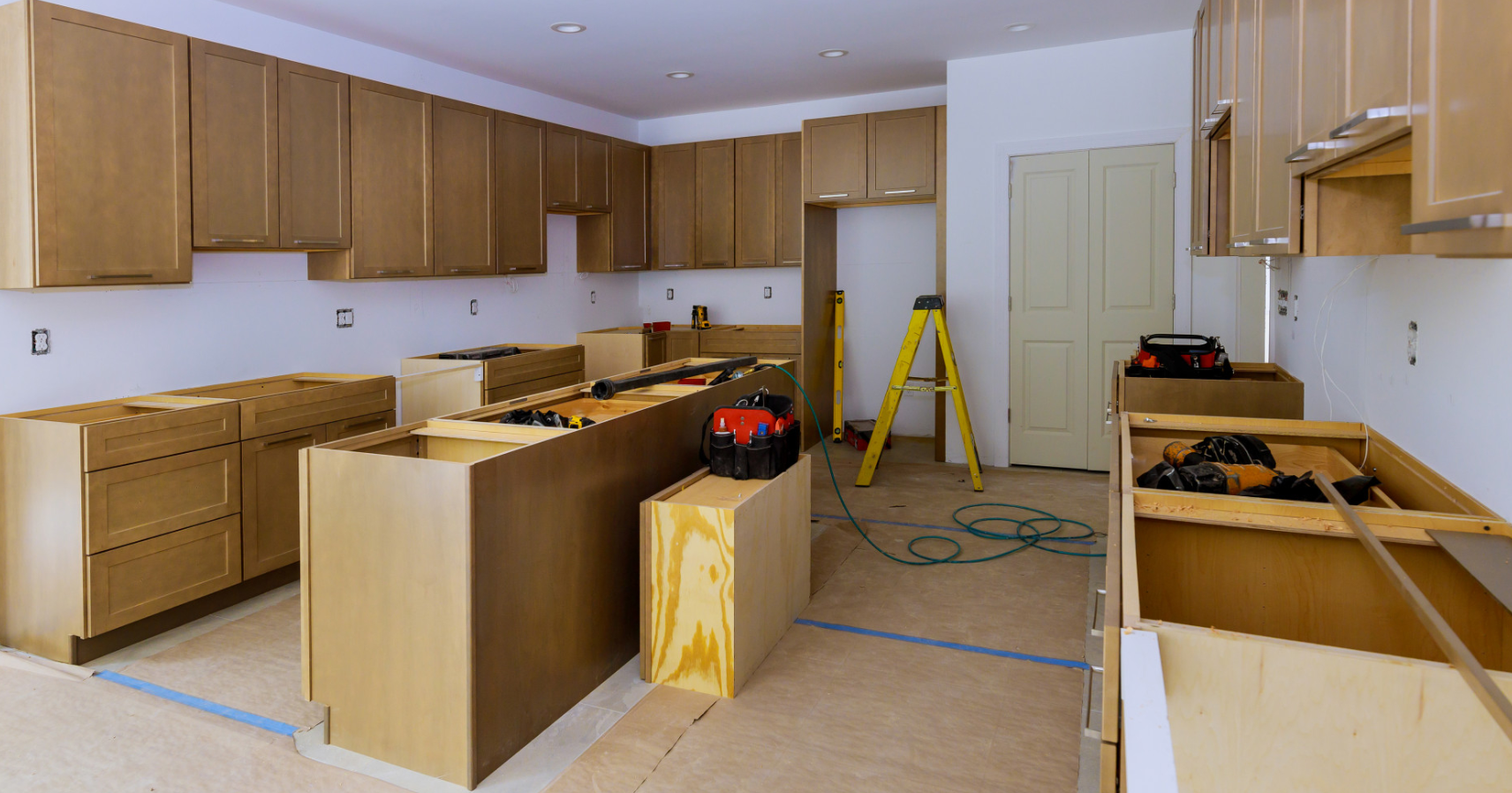
The most dangerous home pollutants often come from things that look the cleanest. Cleaning products and volatile organic compounds (VOCs) frequently lurk in floor cleaners, paint, or even new furniture, continuously releasing formaldehyde gas.
Shockingly, some products claiming to be Natural Formulas or Green Cleaners contain limonene from citrus extracts, which reacts with air. Especially when they encounter ozone gas, they can create air pollution that damages the respiratory system and triggers asthma. These chemicals are too small for standard air filters to catch completely, and they often build up to concentration levels high enough to impact long-term health.
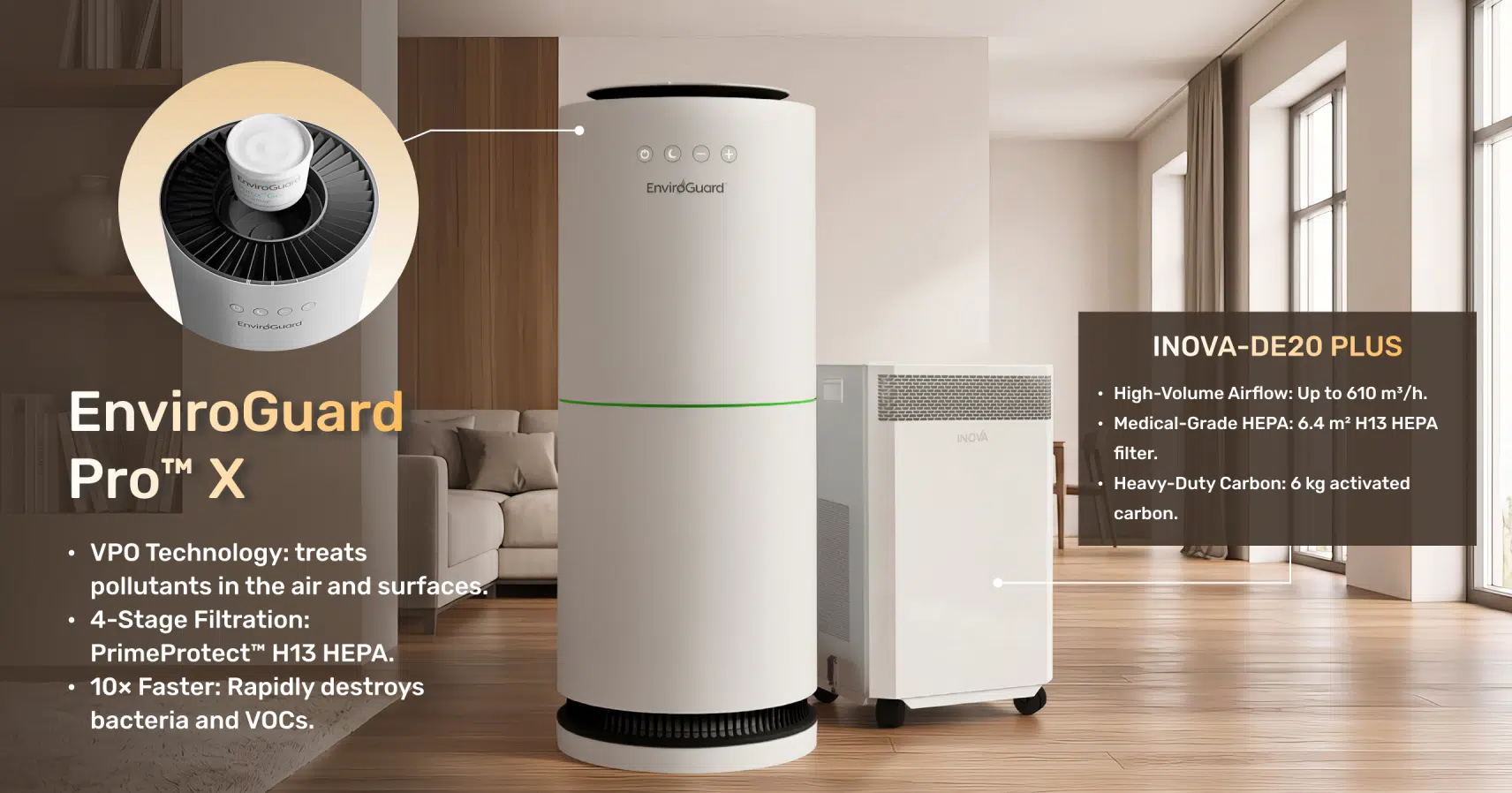
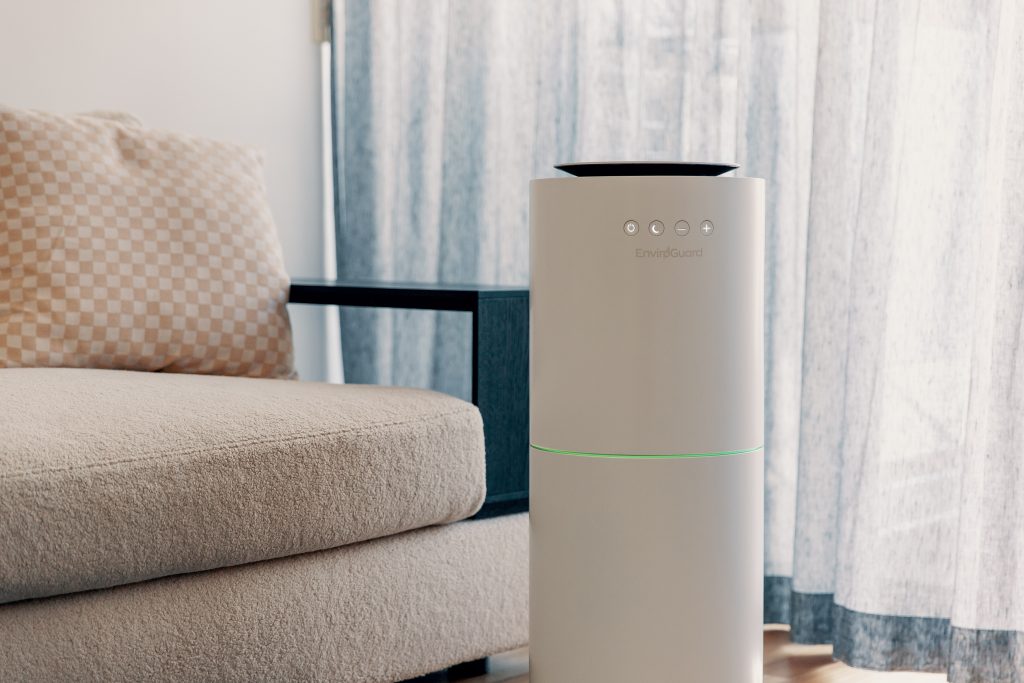
To manage gaseous toxins and small molecules like formaldehyde and VOCs, traditional air management systems usually only dilute the air through ventilation, which is often insufficient in modern, enclosed homes. The most highly effective clinical-grade alternative is the Vapour Phase Oxidation (VPO) technology found in the EnviroGuard Pro™ X air purifier for asthma. This mechanism does not just passively filter; it actively sends vapour from Purox™ Gel to directly “break down” the molecular structure of airborne toxins.
This process oxidises dangerous substances like formaldehyde until they decompose into harmless water and oxygen molecules, making them safe to inhale. This is the core of air management that focuses on “Molecular Breakdown” at the source, rather than traditional trapping.
For homes with a history of smoking, or even when hosting guests who have just smoked outside, the most lung-irritating threat is usually not the visible smoke. It is what remains after the visible smoke fades, known in medicine and environmental science as Thirdhand Smoke (THS).
Many people mistakenly believe thirdhand smoke is just a bad smell lingering on clothes. In reality, it consists of toxic chemicals that embed themselves deep into porous surfaces around the home, such as carpets, curtains, sofas, and even drywall.
Research by the Institute of Atmospheric Physics confirms these residues are more terrifying than we thought. They react continuously with natural nitrous acid in the air, transforming into highly severe carcinogens known as NNA and NNK [Reference: Chinese Academy of Sciences, Study Reveals Thirdhand Smoke as Hidden Indoor Air Pollutants]. These chemicals are not only carcinogens but also trigger airway hyper-responsiveness in asthma patients, particularly young children who often crawl or touch surfaces directly.
When we smell cigarette smoke indoors, our first instinct is to open a window or turn on an extractor fan. However, research from the University of California, San Francisco (UCSF) shows that ventilation has almost no effect on thirdhand smoke. These particles cling tightly to surfaces and slowly off-gas toxins back into the air continuously for months or even years.
Since thirdhand smoke particles embed into surfaces, waiting for the air to float into a standard air purifier filter does not solve the root problem. Systematically handling this requires an Active Approach system that can reach every nook and cranny of the room.
The EnviroGuard Pro™ X changes the standard here. Instead of waiting for toxins, the device releases pure vapour from Purox™ Gel throughout the space. When this vapour touches surface residues on walls or carpets, it directly initiates a Molecular Breakdown process to destroy chemical bonds and disintegrate the structure of Thirdhand Smoke (NNA/NNK) in real time.
With this scientific mechanism, deeply embedded molecular toxins neutralise and completely disintegrate without relying on a filter. This accurately targets the problem and restores a pure, safe environment for people with respiratory diseases.
Once we manage surface and gaseous asthma triggers, the next step in creating a safe environment is systematically regulating the home’s mechanical ventilation. This maintains a balanced state and prevents pollutants from building up again.
Moisture is the physical factor that directly affects the growth of biological threats. Keeping the relative humidity (RH) between 30% and 50% is the most effective way to halt the life cycle of dust mites and mould, as these organisms survive by absorbing moisture straight from the air.
Alongside humidity control, the air conditioning system (HVAC) is equally vital. Choosing a filter with too low a density allows small particles to pass through. Conversely, using overly thick filters like HEPA in standard home air conditioning systems can cause a pressure drop, forcing the fan to overwork and reducing ventilation efficiency.
To make this clearer, here is a summary table of the ideal standard criteria for management:
Table 1: Mechanical Environmental Management Standards for Asthma Patients
| Control Mechanism | Recommended Standard | Clinical Impact | Caution |
| Relative Humidity | 30% – 50% | Instantly halts the growth of mould spores and dust mites | Going below 30% may dry out the nasal lining and cause irritation |
| HVAC Filter | MERV 13 | Traps up to 85% of bacteria, cigarette smoke, and sneeze droplets | Avoid MERV 17-20 (HEPA) in standard home air conditioners to prevent motor damage from airflow blockage |
When discussing air cleaning, many people confuse safe technology with hazardous ones. Many air purifiers on the market use ionisers or ozone to eliminate odours. Medically, ozone gas is a toxin that corrodes lung tissue and serves as a severe asthma trigger [Reference: American Lung Association, Avoiding and Controlling Asthma Triggers].
To close this safety loophole, modern air management technology must transcend old limitations. We designed the operation of Vapour Phase Oxidation (VPO) technology to be fundamentally different. The brand’s proactive vapour emission process not only effectively eliminates pollutants but is also fully certified to Clinical Safety Standards.
International Safety Testing
Patients with respiratory diseases can have the utmost confidence, as independent, world-leading institutions like Eurofins and the University of New South Wales (UNSW) have tested and certified VPO technology. The test results clearly confirm that this toxin-eliminating mechanism is 100% Ozone Free and leaves zero harmful residues in the body (Zero Detectable H2O2). This allows the device to run continuously for 24 hours, protecting the home environment without posing the slightest risk to users’ lungs.
Asthma management does not end with superficial cleaning. It requires a deep understanding of “systematic environmental management.” Throughout this article, we have learned that real threats—whether pet proteins, dust mites, toxic gases, or thirdhand smoke—lurk at the molecular level where regular dusting and wiping cannot reach.
To truly transform your home into a Clinical Safety Zone, here is an evidence-based 5-step action plan summary that you can start implementing today.
Tackling asthma and allergies in a modern home requires more than just trapping dust with traditional filters. While standard air purifiers handle large dust particles, they often fail against invisible threats like toxic gases, VOCs, or deeply embedded carcinogens such as Thirdhand Smoke (NNA/NNK), which directly trigger airway inflammation. To genuinely secure your indoor environment, you must shift from “waiting for the dust to stick” to systematically breaking down pollutants at their source.
To close the air quality gaps that filters cannot reach, the EnviroGuard Pro™ X was developed with an Active Approach system that transcends old limits. The device does not merely filter air; it releases proactive vapour from Purox™ Gel into a Vapour Phase Oxidation (VPO) process across every area. This scientific mechanism targets the Molecular Breakdown of formaldehyde gas and hazardous chemicals, turning them into pure water and oxygen. It also neutralises bacteria like Staphylococcus aureus by up to 99.9%. Patients with respiratory diseases can breathe freely because global institutions like Eurofins and UNSW certify this technology to Clinical Safety Standards, ensuring it is 100% Ozone Free with zero residues.
Stop using your lungs—and the lungs of your loved ones—as your home’s toxic filter. Elevate your air quality to clinical safety standards with EnviroGuard Pro™ X today.
Medical Disclaimer
The information in this article is for educational purposes and basic environmental management only. It cannot replace professional medical advice, diagnosis, or treatment. Although controlling indoor triggers using scientific principles significantly reduces health risks, asthma and allergy patients must strictly follow their Asthma Action Plan and take prescribed medications. If you experience an asthma attack or have concerns about your health, please consult a doctor or specialist immediately.
References
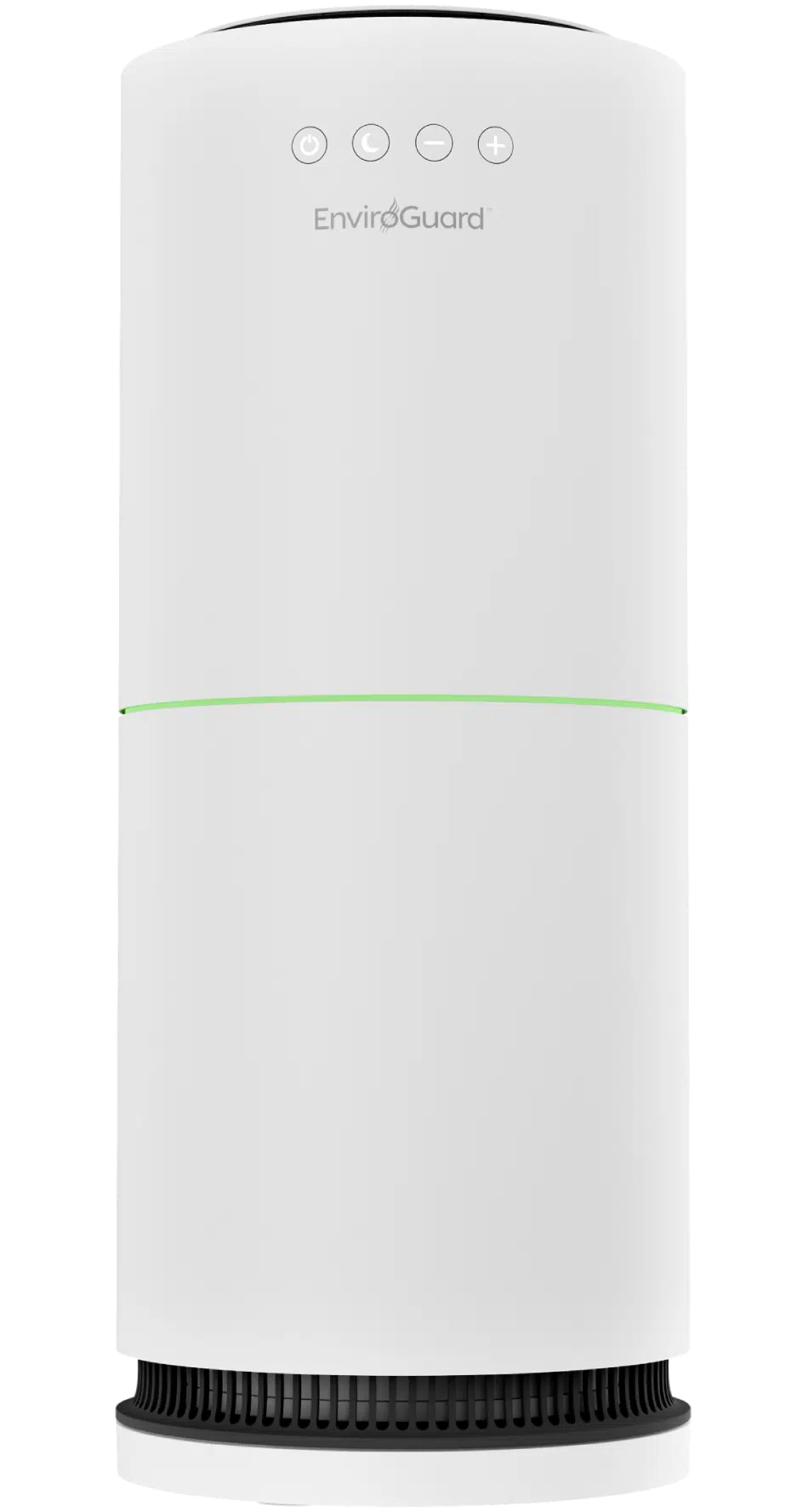
Upgrade to the innovative EnviroGuard PRO™ X today for only $790 (Was $1,590). Claim your $800 saving now and breathe cleaner, healthier air tomorrow.