Limited-time welcome offer — 10% off with code WELCOME10

✨ Fresh Update: Ut enim ad minim veniam, quis nostrud exercitation ullamco aboris nisi ut aliquip ex ea commodo consequat.

Limited-time welcome offer — 10% off with code WELCOME10

How to Relieve Allergy and Asthma Symptoms Without Medication

Home For those who suffer from allergies and asthma, relief often comes in the form of prescription medications and inhalers. But while medications help manage symptoms, they don’t remove the root cause —the allergens and irritants in your environment. The good news? There are natural, medication-free ways to reduce allergy

How to Relieve Allergy and Asthma Symptoms Without Medication

For those who suffer from allergies and asthma, relief often comes in the form of prescription medications and inhalers. But while medications help manage symptoms, they don’t remove the root cause —the allergens and irritants in your environment.

The good news? There are natural, medication-free ways to reduce allergy and asthma symptoms by making simple lifestyle and environmental changes. In this guide, we’ll explore:

  • How to improve indoor air quality to reduce triggers
  • Natural remedies for allergy and asthma relief
  • Lifestyle changes to strengthen your respiratory health

If you’re looking for ways to breathe easier without relying on medication, read on!

Improve Indoor Air Quality with the Right Air Purifier

One of the most effective ways to reduce allergy and asthma symptoms is by removing airborne triggers from your home. These include:

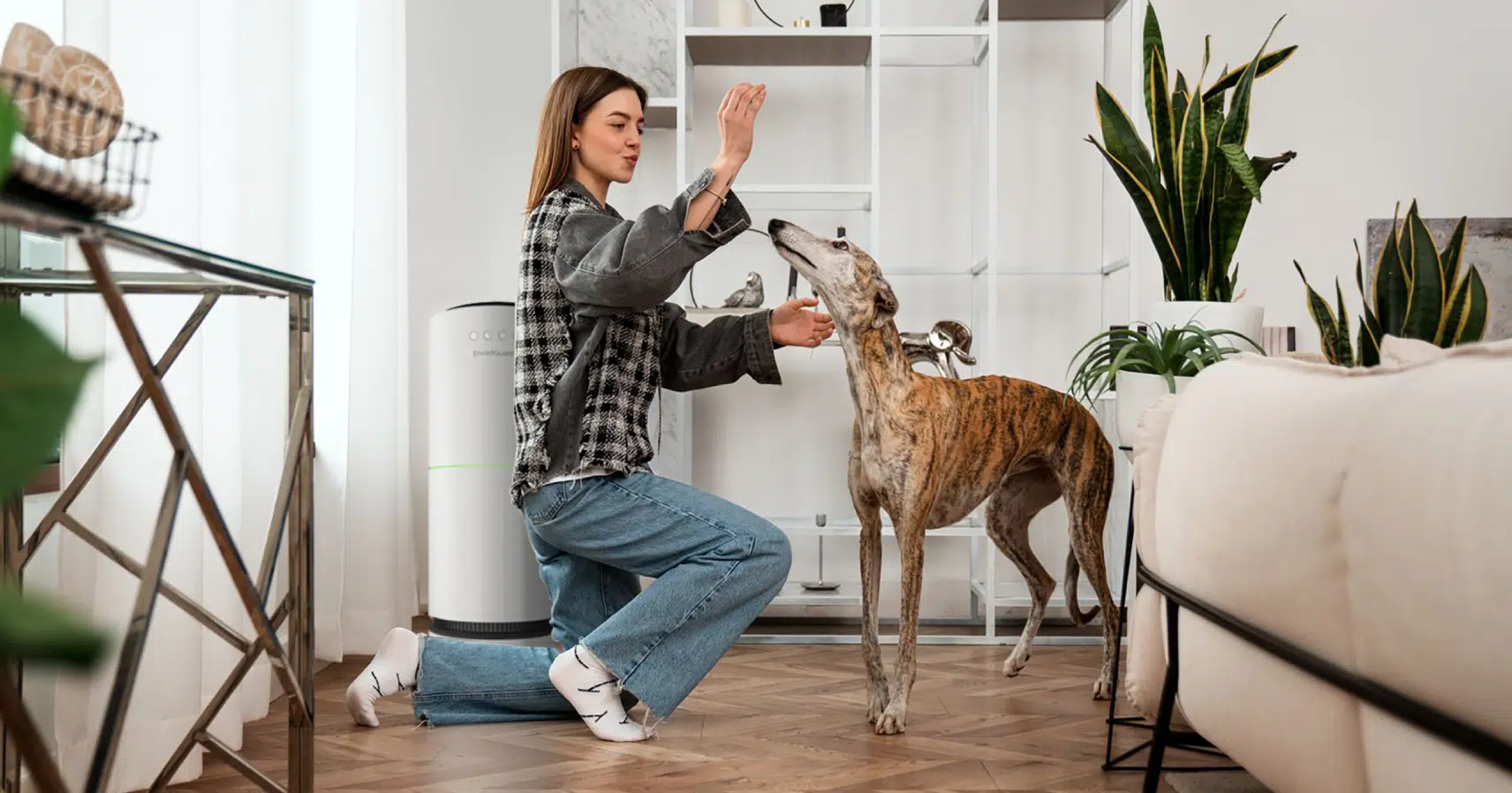
  • Dust mites and pet dander
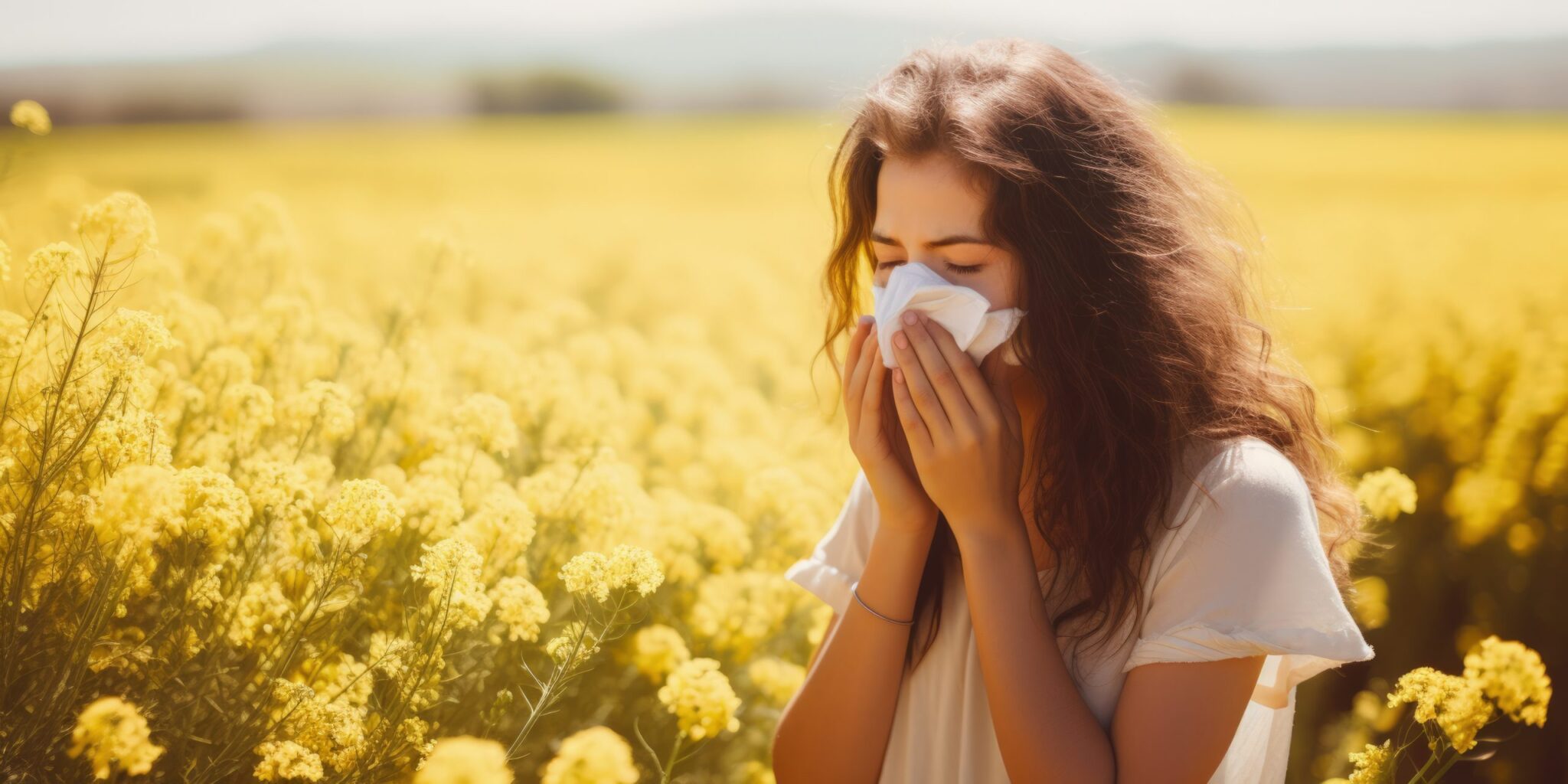
  • Pollen from outdoor air
  • Mould spores and mildew
  • Smoke and household chemicals

Using a high-quality air purifier can significantly reduce these irritants, creating a cleaner, healthier breathing environment.

What to Look for in an Air Purifier for Allergy & Asthma Relief:

  • True HEPA Filter – Captures 99.97% of allergens as small as 0.3 microns.
  • Activated Carbon Filter – Absorbs smoke, VOCs, and chemical fumes that can irritate lungs.
  • No Ozone Emissions – Some air purifiers produce ozone, which can worsen asthma symptoms.

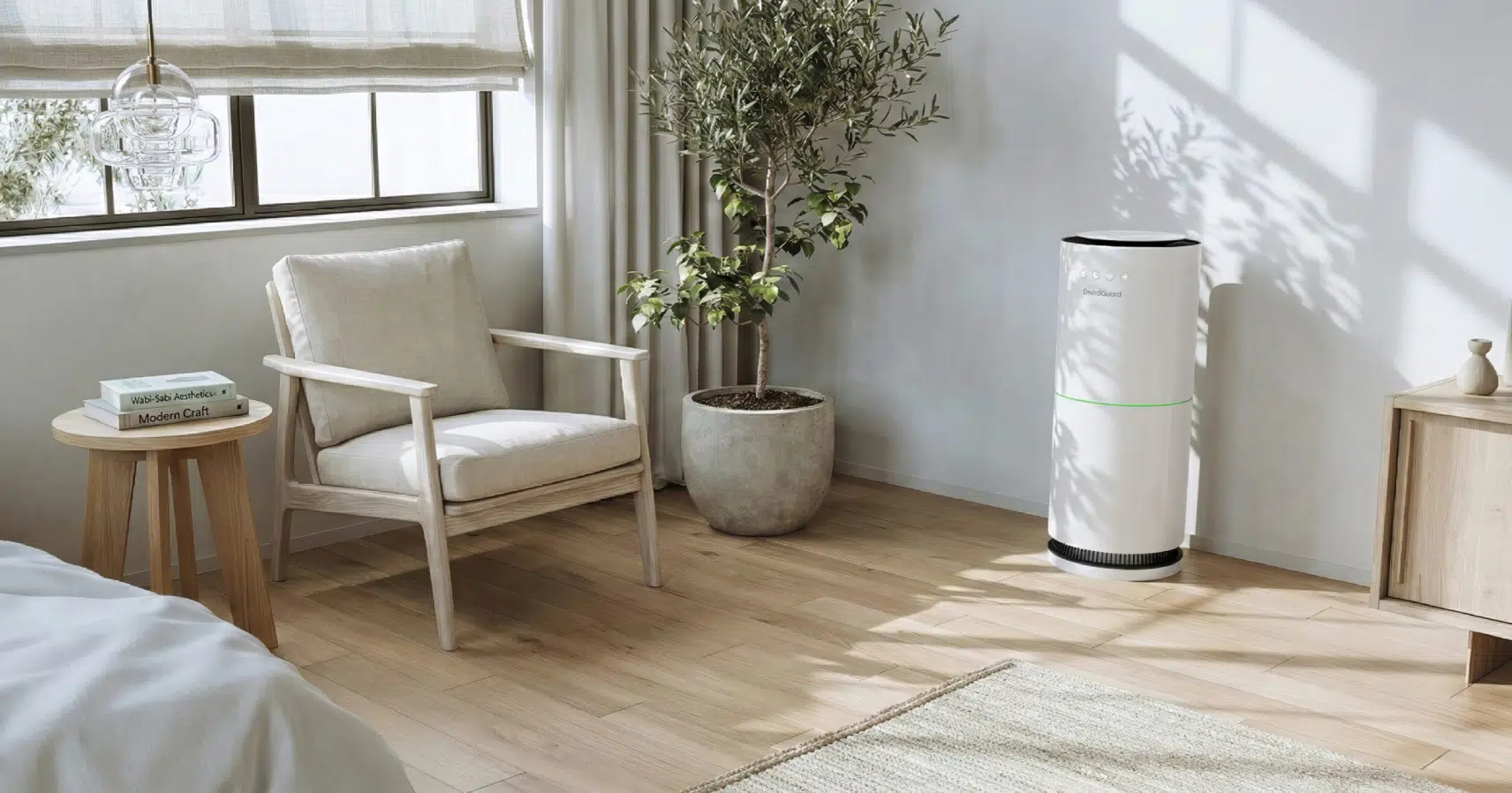
By using an air purifier in your bedroom, living space, and office, you can reduce exposure to allergens and breathe more comfortably.

Control Humidity Levels to Prevent Mould & Dust Mites

Humidity plays a major role in indoor allergen levels. High humidity encourages mould growth and dust mites, two common asthma and allergy triggers.

  • Keep indoor humidity between 30–50% to prevent dust mites from thriving.
  • Use a dehumidifier in damp areas like basements and bathrooms.
  • Fix leaks and improve ventilation to stop mould growth before it starts.

By controlling humidity levels, you can significantly reduce mould in the home, a primary trigger of allergic reactions, without relying on medication.

Reduce Exposure to Household Allergens

Everyday household items can trap and spread allergens , worsening allergy and asthma symptoms. Make these simple changes to keep irritants under control:

  • Vacuum with a HEPA-filter vacuum – Removes dust, pollen, and pet dander from carpets and furniture.
  • Wash bedding in hot water weekly – Kills dust mites and allergens trapped in pillows and sheets.
  • Use allergen-proof mattress & pillow covers – Prevents dust mites from accumulating where you sleep.
  • Avoid heavy drapes and carpets – These collect and trap dust, making symptoms worse.

With regular cleaning and allergen-proof materials, you can significantly reduce airborne triggers in your home—especially when paired with finding the best air purifier for allergies to maintain cleaner indoor air.

Strengthen Your Lungs with Breathing Exercises

Breathing techniques can help expand lung capacity, improve airflow, and reduce asthma-related stress. Some of the best breathing exercises include:

  • Diaphragmatic Breathing – Helps strengthen the diaphragm and improve oxygen intake.
  • Pursed-Lip Breathing – Slows down breathing to prevent shortness of breath.
  • The Buteyko Method – A technique designed to reduce hyperventilation and asthma symptoms.

Practicing these exercises daily can help asthma sufferers manage symptoms without relying on medication alone .

Eat an Anti-Inflammatory Diet for Better Respiratory Health

Certain foods can trigger inflammation and worsen respiratory issues, while others help strengthen the lungs and immune system.

Foods That Help with Allergies & Asthma:

  • Omega-3 Rich Foods – Found in salmon, flaxseeds, and walnuts, these reduce airway inflammation.
  • Vitamin C & Quercetin – Citrus fruits, apples, and onions contain natural antihistamines that ease allergy symptoms.
  • Magnesium-Rich Foods – Spinach, bananas, and pumpkin seeds can help relax the airways.

Foods to Avoid:

  • Dairy & Processed Foods – Can increase mucus production.
  • Fried & Sugary Foods – Can cause inflammation in the lungs.

A balanced, nutrient-rich diet supports stronger lungs and fewer allergic reactions.

Use Natural Remedies to Soothe Symptoms

Many natural remedies can help manage allergy and asthma symptoms without medication. Here are some of the most effective:

  • Steam Inhalation – Helps clear nasal congestion and improve breathing.
  • Salt Therapy (Halotherapy) – Reduces inflammation and clears mucus from the lungs.
  • Essential Oils (Eucalyptus & Peppermint) – Open airways and reduce respiratory discomfort.
  • Honey & Ginger Tea – Soothes sore throats and reduces airway irritation.

While natural remedies don’t replace medical treatment, they can provide relief and support long-term respiratory health .

How long do VOCs stay in the air?

Can I completely stop using asthma medication if I improve my environment?

No. While reducing allergens can minimise symptoms, always follow your doctor’s recommendations regarding medication use.

Yes! A True HEPA air purifier effectively removes allergens like dust, pollen, pet dander, and mould spores, making it easier to breathe.

  • Use an air purifier in the bedroom
  • Wash bedding in hot water weekly
  • Use allergen-proof mattress covers
  • Keep pets out of the bedroom

While remedies vary, many people find relief from breathing exercises, salt therapy, and anti-inflammatory foods.

Yes! Low-impact exercises like swimming and yoga can improve lung function and help control asthma symptoms.

Final Thoughts: Breathe Easier Without Medication

Managing allergies and asthma without medication is possible by making small but powerful lifestyle and environmental changes. By:

  • Using an air purifier to remove airborne allergens
  • Controlling humidity levels and reducing dust
  • Strengthening lung health with breathing exercises
  • Eating a diet rich in anti-inflammatory foods

You can create a home environment that supports healthy breathing—naturally .

Looking for an air purifier to help with allergies and asthma? Shop now and take control of your indoor air quality! 

Today’s Air Quality
London, GB
4:55 AM
AQI 3
Air Quality Good
Air is clean and safe. No health risks expected. Everyone can enjoy outdoor activities without concern.
PM₂.₅
0.52
PM₁₀
1.18
SO₂
1.36
NO₂
2.32
O₃
73.94
CO
103.07

Recommended for you

¹ Tested in independent Australian laboratories under controlled conditions using airborne mould spores, bacteria and allergen particulates (0.3μm–10μm).
² Based on third-party testing results confirming 99.9% reduction in airborne mould spores and pet dander when using EnviroGuard Pro X with Purox™ Gel over 24 hours.
³ Independent testing by ICAS Testing Technology Service (Shanghai) Co., Ltd. demonstrated 99.99% reduction in airborne Staphylococcus Albus bacteria within 30 minutes in a 20m² test chamber, in accordance with Technical Standard for Disinfection GB 27948-2020.
⁴ Surface efficacy testing conducted by Eurofins BioPharma Product Testing — Sydney (Eurofins ams Laboratories Pty Ltd, TGA-licensed under MI-2021-LI-08995-1). Reductions over 8 hours: 99.99% Pseudomonas Aeruginosa, 99.9% Escherichia Coli, 90% Candida Albicans Yeast.
⁵ "10x faster than conventional filtration" comparison based on EnviroGuard Pro X achieving log 4 (99.99%) airborne bacterial reduction in 30 minutes, compared with log 1 (90%) pathogen reduction in 20 minutes reported for hospital HEPA systems operating at 12 air changes per hour (Fernstrom A, Goldblatt M. Aerobiology and its role in the transmission of infectious diseases. J Pathog. 2013;2013:493960).
⁶ Performance varies based on room size, airflow configuration, fan speed setting, environmental conditions and usage patterns.

Remove

Cart (0)
No products in the cart
Subtotal
$0.00
Add +

Total Amount