Limited-time welcome offer — 10% off with code WELCOME10

✨ Fresh Update: Ut enim ad minim veniam, quis nostrud exercitation ullamco aboris nisi ut aliquip ex ea commodo consequat.

Limited-time welcome offer — 10% off with code WELCOME10

The Future of Air Purification: Trends in Clean Air Technology

Home As we become more conscious of the air we breathe, the demand for advanced air purification technology continues to grow. Innovations are reshaping the way we approach indoor air quality, focusing on not just cleaner air but also healthier and smarter living spaces. Here are some of the key

The Future of Air Purification: Trends in Clean Air Technology

As we become more conscious of the air we breathe, the demand for advanced air purification technology continues to grow. Innovations are reshaping the way we approach indoor air quality, focusing on not just cleaner air but also healthier and smarter living spaces. Here are some of the key trends driving the future of air purification.

1. Integration of Active Sanitisation

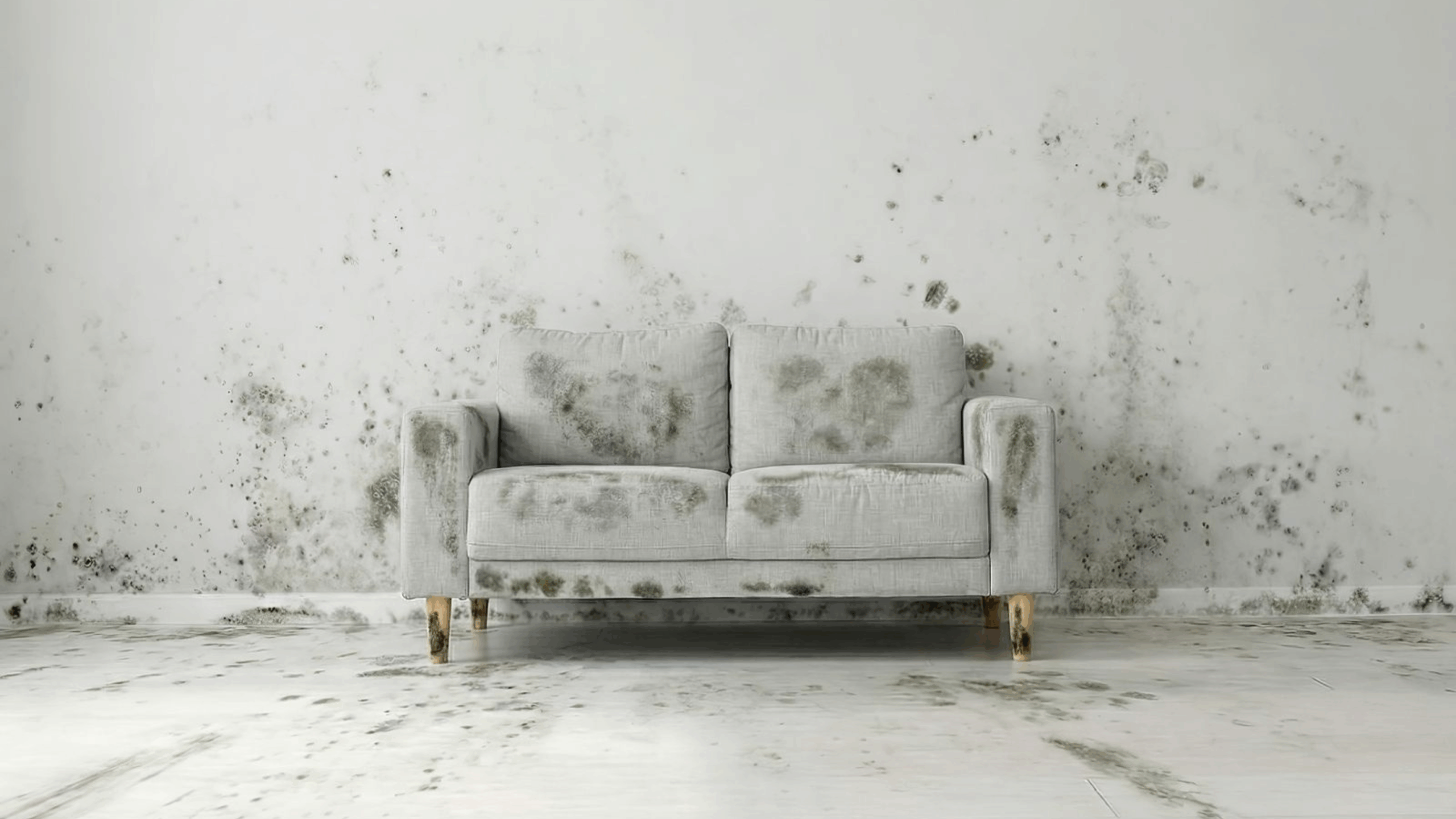
Traditional air purifiers focus solely on removing airborne particles, but next-generation systems like the EnviroGuard PRO X™ are integrating active sanitisation technologies. These devices sanitise both air and surfaces using innovations like Purox™ Gel, which mimics natural processes to neutralise bacteria, viruses, and mould on contact. This dual functionality is becoming essential in creating truly hygienic environments.

2. Smarter Systems with AI and IoT

The rise of smart technology is revolutionising air purification. Modern purifiers now come equipped with sensors that monitor air quality in real time, providing data on particulate levels, humidity, and temperature. AI-driven systems can adapt to changing conditions, optimising performance automatically. Integration with IoT allows users to control and monitor their devices remotely via mobile apps, offering greater convenience and control.

3. Focus on Energy Efficiency

With sustainability becoming a priority, air purifiers are being designed with energy efficiency in mind. Manufacturers are incorporating low-power technologies and eco-friendly materials, ensuring that improving air quality doesn’t come at the expense of higher energy consumption. Some models even feature modes that adjust performance based on air quality to conserve energy.

4. Tackling Specific Pollutants

Future air purifiers are moving beyond general filtration to target specific pollutants, such as formaldehyde, volatile organic compounds (VOCs), and ultrafine particles. Devices like the EnviroGuard PRO X™ and Dyson’s formaldehyde-targeting models are leading the charge in addressing these harmful substances with specialised filters.

5. Compact, Aesthetic Designs

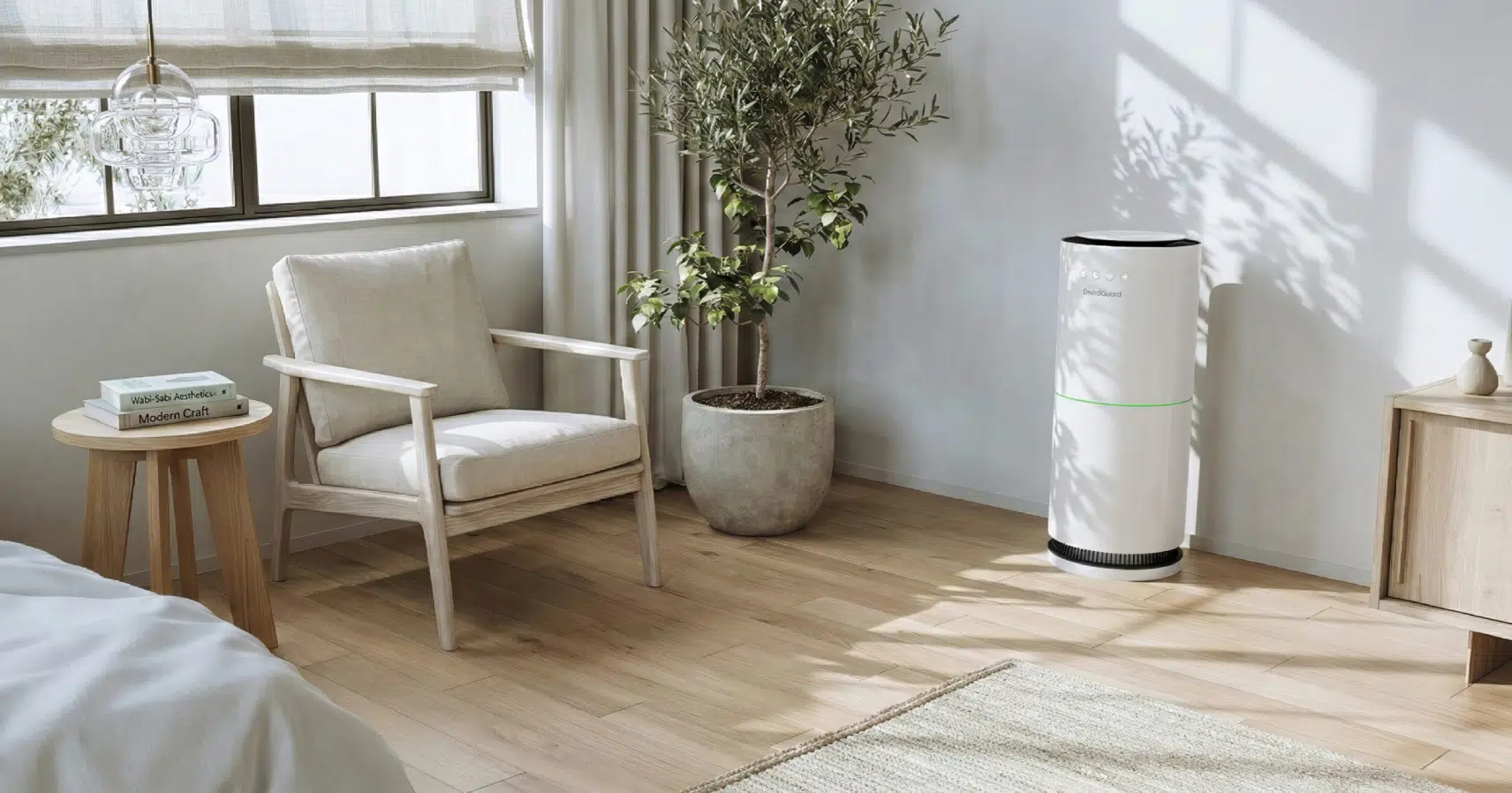
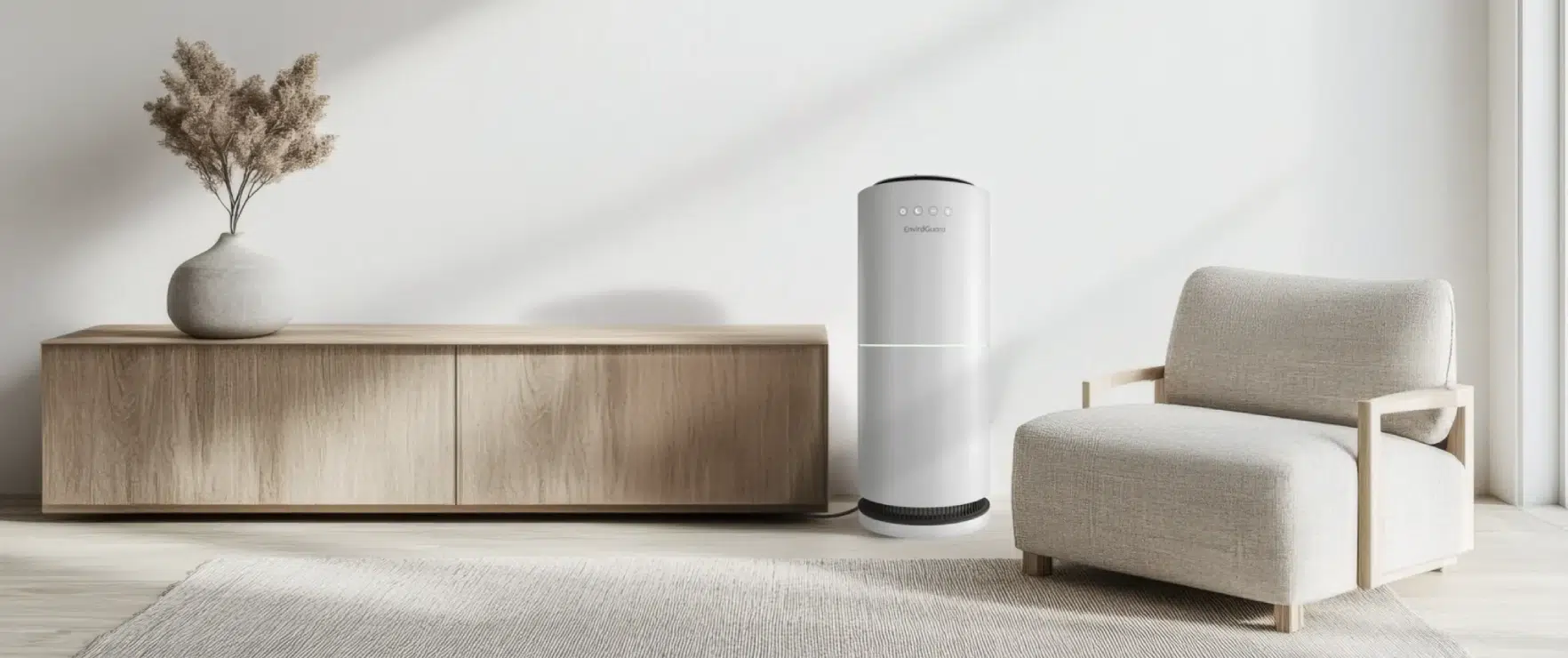
Gone are the days when air purifiers were bulky and unattractive. Modern devices are sleek, compact, and designed to blend seamlessly into homes and offices. This focus on aesthetics makes air purification an integral part of interior design rather than an eyesore.

6. Enhanced Filtration Systems

The industry is seeing advancements in multi-layered filtration, combining HEPA filters with antimicrobial, activated carbon, and bioactive layers. This ensures higher efficacy in removing bacteria, viruses, allergens, and harmful gases, catering to environments with high hygiene demands, such as hospitals, schools, and offices.

7. Greater Awareness and Accessibility

As air quality concerns grow, more people are investing in air purifiers. Manufacturers are responding by offering devices at varying price points to make clean air technology accessible to a broader audience. Increased education about air quality and its health impacts is driving this shift.

8. Combining Purification with Other Functions

Air purifiers are evolving to serve multiple purposes. Some devices now double as humidifiers, dehumidifiers, or cooling fans, making them versatile tools for maintaining indoor comfort and health.

9. Solutions for Larger Spaces

With the need to purify air in expansive areas like offices, gyms, and public spaces, high-capacity purifiers are on the rise. These systems are designed to cover larger square footage while maintaining energy efficiency and performance.

10. Emphasis on Surface and Air Hygiene

The future isn’t just about purifying the air—it’s about creating environments that are truly hygienic. Systems like the EnviroGuard PRO X™, which actively sanitise surfaces alongside air, represent the next frontier in clean air technology.

Looking Ahead

The future of air purification is bright, with innovative technologies paving the way for cleaner, healthier indoor environments. As systems become smarter, more efficient, and multifunctional, they will play an even greater role in protecting our health and enhancing our quality of life. With advancements like active sanitisation and AI integration, the air purifier of tomorrow is much more than a filter—it’s a complete solution for modern living.

Today’s Air Quality
London, GB
11:53 PM
AQI 3
Air Quality Good
Air is clean and safe. No health risks expected. Everyone can enjoy outdoor activities without concern.
PM₂.₅
0.5
PM₁₀
0.56
SO₂
1.3
NO₂
2.51
O₃
68.68
CO
101.1

Recommended for you

¹ Tested in independent Australian laboratories under controlled conditions using airborne mould spores, bacteria and allergen particulates (0.3μm–10μm).
² Based on third-party testing results confirming 99.9% reduction in airborne mould spores and pet dander when using EnviroGuard Pro X with Purox™ Gel over 24 hours.
³ Independent testing by ICAS Testing Technology Service (Shanghai) Co., Ltd. demonstrated 99.99% reduction in airborne Staphylococcus Albus bacteria within 30 minutes in a 20m² test chamber, in accordance with Technical Standard for Disinfection GB 27948-2020.
⁴ Surface efficacy testing conducted by Eurofins BioPharma Product Testing — Sydney (Eurofins ams Laboratories Pty Ltd, TGA-licensed under MI-2021-LI-08995-1). Reductions over 8 hours: 99.99% Pseudomonas Aeruginosa, 99.9% Escherichia Coli, 90% Candida Albicans Yeast.
⁵ "10x faster than conventional filtration" comparison based on EnviroGuard Pro X achieving log 4 (99.99%) airborne bacterial reduction in 30 minutes, compared with log 1 (90%) pathogen reduction in 20 minutes reported for hospital HEPA systems operating at 12 air changes per hour (Fernstrom A, Goldblatt M. Aerobiology and its role in the transmission of infectious diseases. J Pathog. 2013;2013:493960).
⁶ Performance varies based on room size, airflow configuration, fan speed setting, environmental conditions and usage patterns.

Remove

Cart (0)
No products in the cart
Subtotal
$0.00
Add +

Total Amount