Limited-time welcome offer — 10% off with code WELCOME10

✨ Fresh Update: Ut enim ad minim veniam, quis nostrud exercitation ullamco aboris nisi ut aliquip ex ea commodo consequat.

Limited-time welcome offer — 10% off with code WELCOME10

Manage Morning Congestion with Improved Air Quality

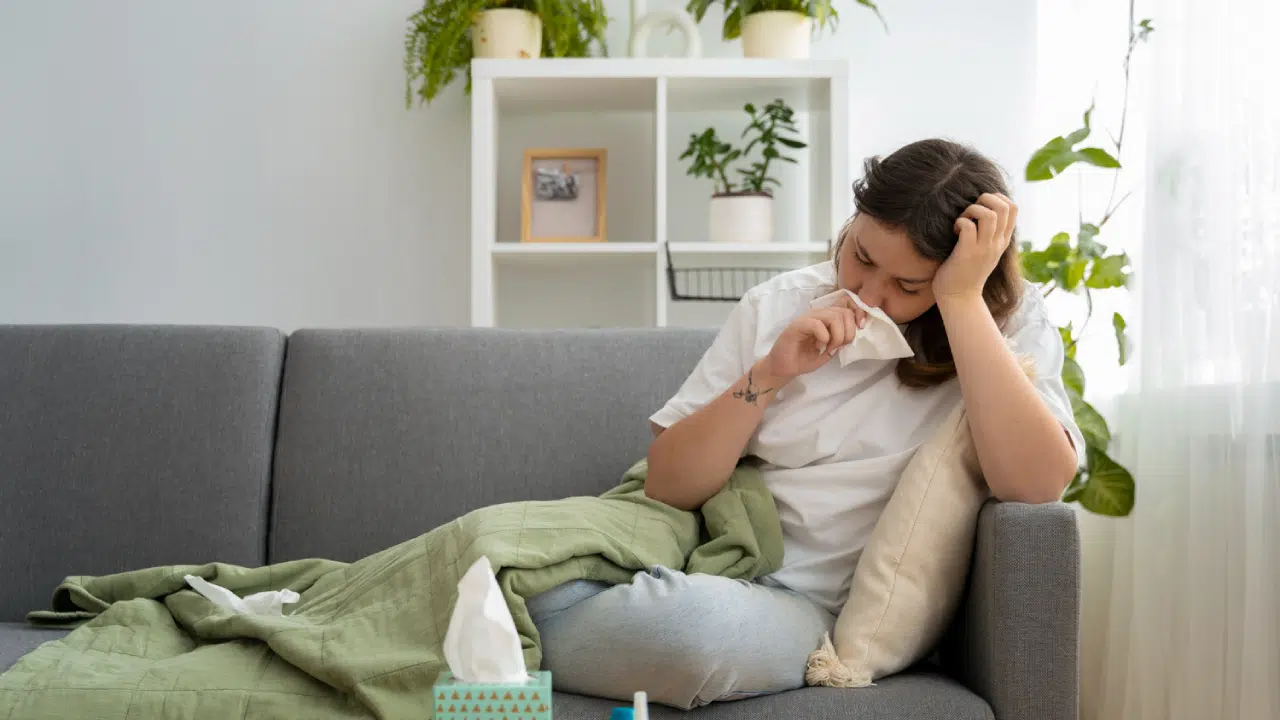
Are you or a loved one struggling with morning congestion? Waking up tired with a blocked nose and a dry mouth from mouth-breathing can severely impact daily life, disrupting sleep, work, and overall well-being. While medications can provide temporary relief, treating the symptoms without addressing the environment often leads to an endless cycle of discomfort.

It is incredibly frustrating to wake up every day feeling exhausted, with a parched mouth that steals your energy and makes even small tasks feel harder. Creating a calm, safe indoor space that reduces allergens and irritants, keeps the air comfortably humidified, and gives your body a chance to rest properly is crucial for recovery.

The real root of the problem frequently lies within our own homes, specifically through continuous exposure to dust mites in bedding.

Morning Congestion

Understanding the Hidden Triggers of Morning Congestion

To effectively combat morning congestion, it is crucial to understand how your indoor environment plays a role. When the immune system detects foreign particles like dust mites in bedding, it overreacts.

Did you know? A typical used mattress can house between 100,000 to 10 million dust mites, which thrive in the warm, humid environment of your bed.

Dust mites typically arrive in bedding and soft furnishings via clothing, pets, and second-hand textiles, or they may already be present in the home and proliferate once favourable conditions are reached. These microscopic arthropods feed on flakes of human skin and are easily transferred onto sheets, duvets, and curtains during normal household activity. They thrive where there is a ready food source, warmth, and sustained humidity; therefore, bedrooms and lounges—where people spend extended periods and fabrics are in constant contact with the body—become primary sites for their establishment.

Once in soft furnishings, dust mites tend to accumulate deep within mattresses, pillows, and heavy carpets. These internal layers provide a stable microclimate of warmth and higher relative humidity, supplied continuously with shed skin cells that settle into the fibres. The dense structure of mattresses and thick pile of carpets also protect mites from light, drying, and routine surface cleaning. Consequently, populations concentrate below the surface where vacuuming and airing have limited effect. Modern, tightly sealed homes exacerbate the problem by reducing natural ventilation and trapping moisture, allowing mite populations and their allergenic droppings to build up rather than being expelled.

Because you spend up to 80% of your time indoors, your respiratory system is under constant attack. If the environment itself isn’t actively sanitised, managing morning congestion becomes an uphill battle.

High-Risk Areas Beyond the Bed

While mattresses and pillows are primary reservoirs for dust mites, they are not the only sources of exposure. In many homes, allergens accumulate in multiple soft-furnished areas where fabrics trap skin flakes, retain moisture, and provide a stable environment for mites to thrive. As a result, congestion may persist even when bedding is cleaned regularly.

Common Dust Mite Hotspots

  • Upholstered sofas – Frequently used seating areas collect skin cells and body moisture, allowing mites to establish deep within cushions.

  • Heavy curtains – Thick fabrics trap airborne particles and are rarely washed, creating long-term allergen reservoirs.

  • Carpets and rugs – Dense fibres protect mites from light and routine surface cleaning, enabling populations to build beneath the surface.

  • Fabric headboards – Positioned close to the breathing zone, they can harbour allergens directly beside where you sleep.

  • Soft toys – Plush materials easily accumulate dust and are often kept on beds, increasing prolonged exposure.

Because these areas are used daily, they continuously contribute to indoor allergen load. Without addressing the broader environment—not just the bed—morning congestion can remain a recurring problem despite routine cleaning.

Why Traditional Air Purifiers Fall Short

When trying to manage indoor triggers, many people invest in standard HEPA air purifiers. However, there is a significant flaw in passive filtration: standard purifiers sit across the room and cannot clean the allergens embedded in your mattress or pillows.

Traditional purifiers only clean the air that physically passes through their filters. This means the very triggers causing your discomfort remain undisturbed on surfaces, acting as a constant source of irritation every time you interact with your environment.

vbreathe Solution

The VBreathe Solution: A Dual Active Approach

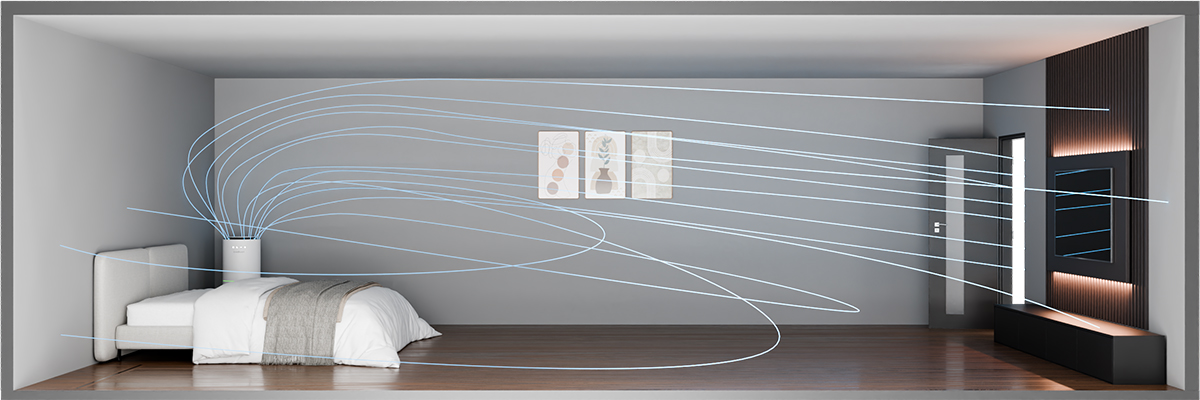
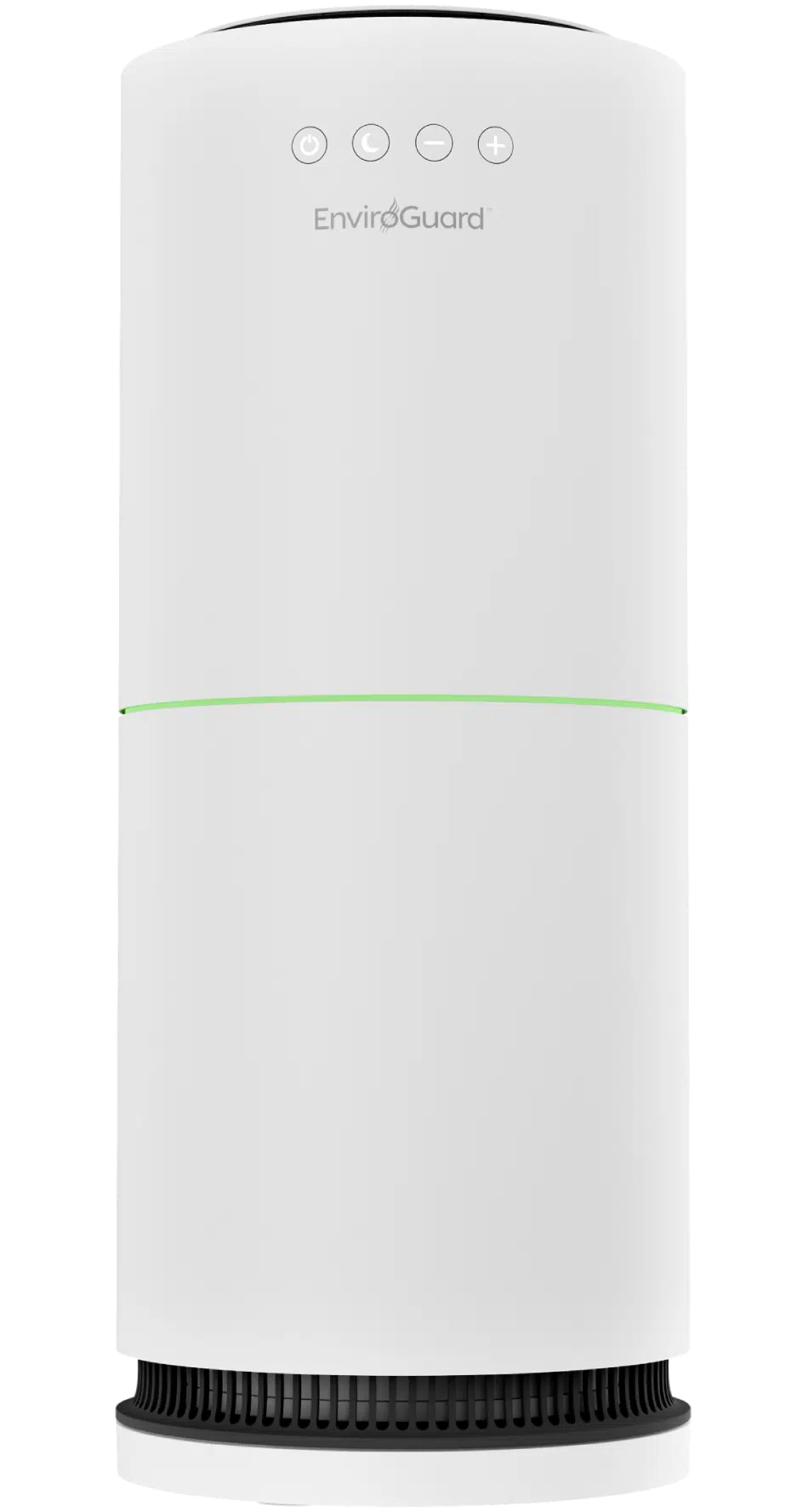
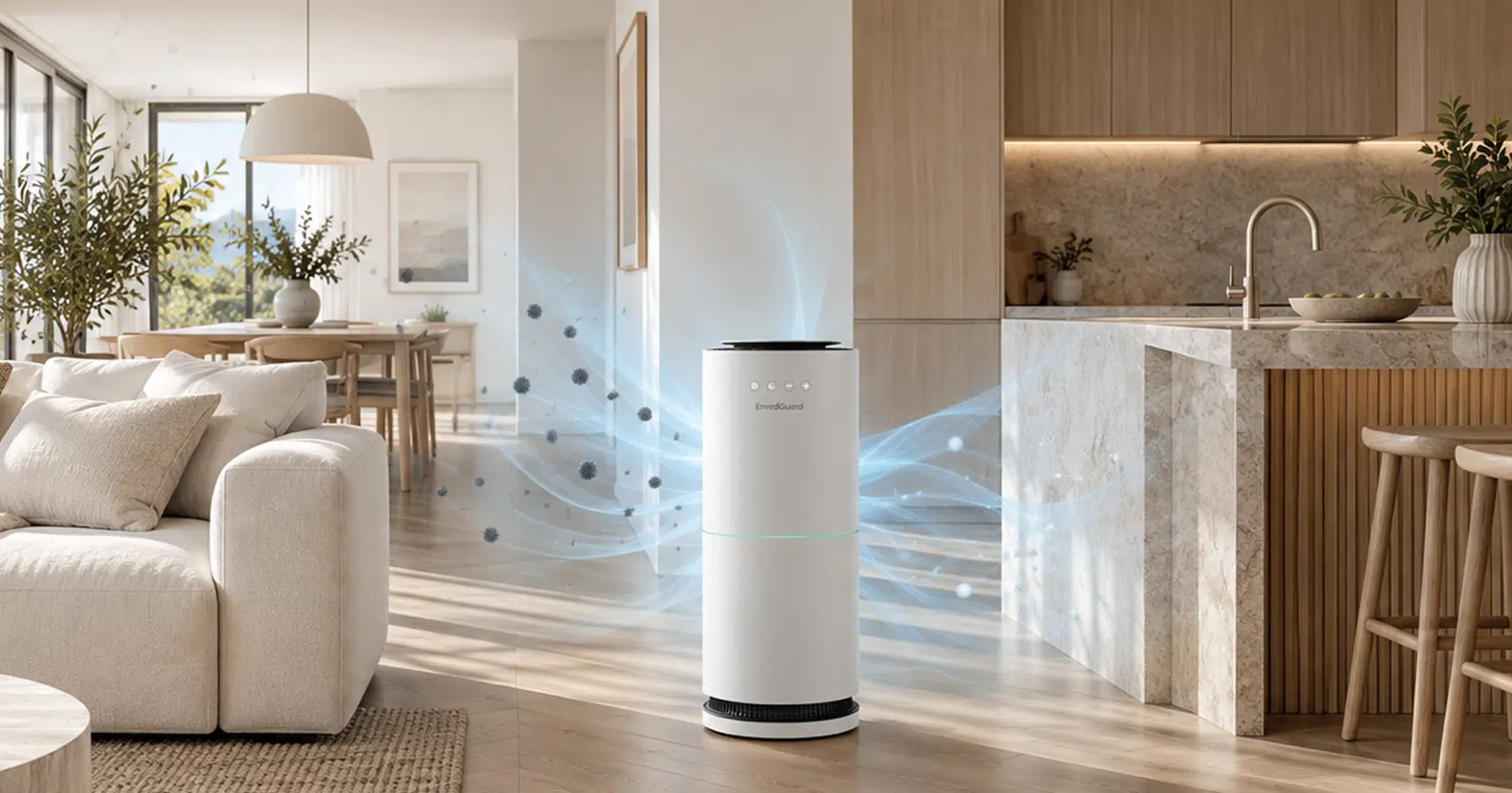
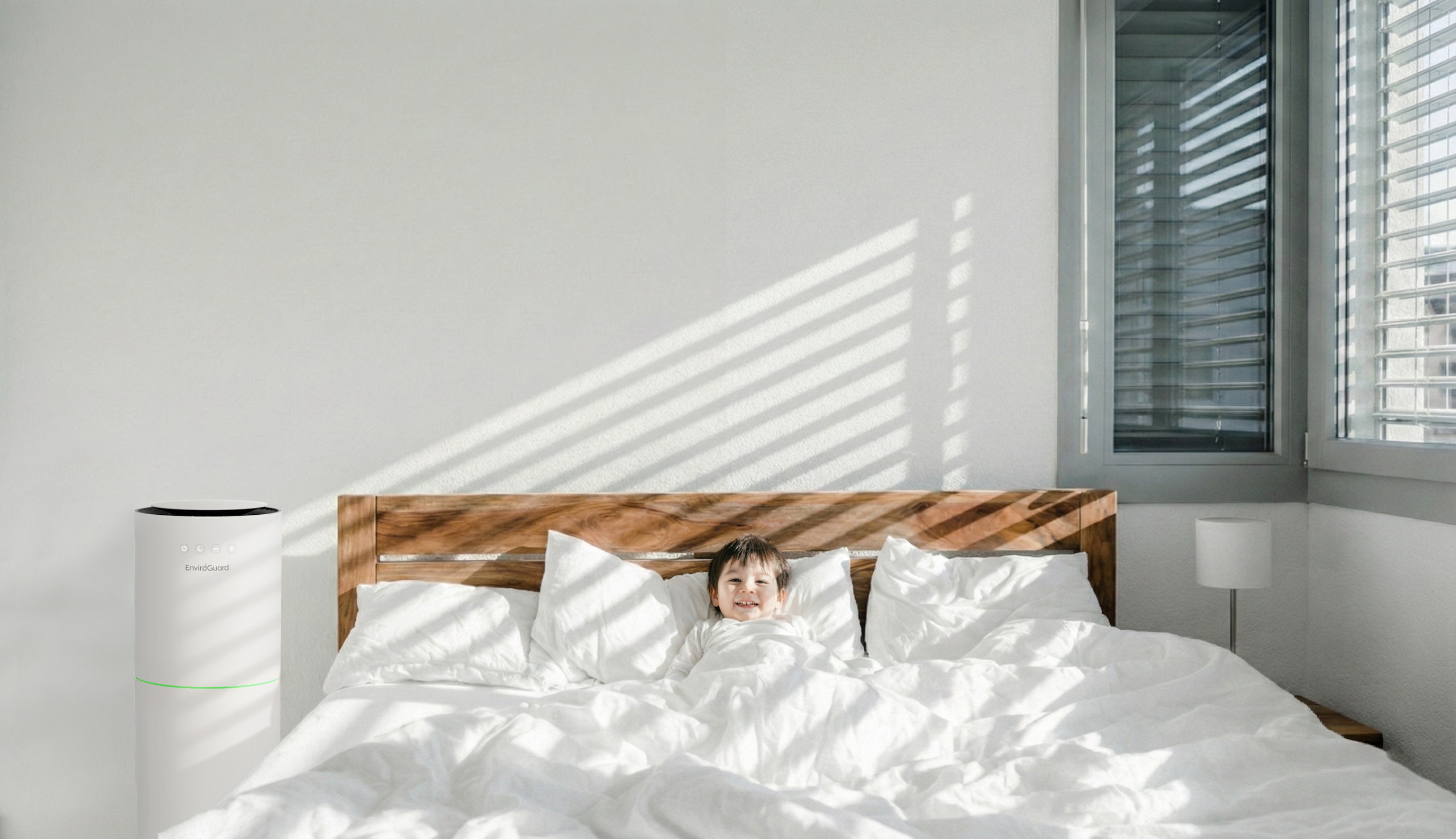
To effectively break the cycle of morning congestion, you need an active approach that treats the entire room, not just the air passing through a machine. The EnviroGuard PRO™ X is a professional-grade air purification system designed to seek out and destroy triggers wherever they hide.

The active vapour settles on bedding and fabrics, deactivating dust mite allergens exactly where you sleep. The most effective way to manage your environment is by using the professional-grade bedroom air purifier combined with our proprietary Purox™ Gel anti-allergen refills. As the HEPA filter traps airborne particles, the active vapour neutralises allergens on surrounding surfaces and in mid-air.

Proactive Protection You Can Trust:

  • 99.99% Pathogen Reduction: Independently tested by Aeris Environmental Ltd.
  • 100% Safe: Food-grade, non-toxic, and safe for continuous indoor use.
  • Ozone-Free: No harmful by-products, ensuring your respiratory health is never compromised.

Frequently Asked Questions About Morning Congestion

Can dust mites in bedding cause morning congestion?

Yes—dust mites and their droppings commonly trigger morning congestion. Improving indoor air quality with active air purification can help neutralise allergens mid-air.

How often should I wash bedding to reduce dust mites?

Wash bedding at least weekly in hot water (at least 60°C) to kill mites and remove allergens, and use an active air purifier to capture airborne particles between washes.

Do zipped mattress and pillow covers help reduce allergens?

Yes—zipped, allergen-proof covers prevent mite migration and lower bed-based allergen release, especially when paired with air purification that neutralises particles mid-air.

Will reducing indoor humidity help control dust mites?

Yes—keeping relative humidity below 50% discourages dust mite growth. Combined with filtration or active purifiers, you reduce both surface and airborne allergens for clearer mornings.

Are air purifiers effective for morning congestion from bedding allergens?

Yes, high-efficiency air purifiers reduce airborne mite allergens and dust. Active units that neutralise or capture particles mid-air can noticeably ease morning congestion.

 Why are my allergies worse in the morning?

Morning allergies are usually caused by prolonged exposure to dust mites in your mattress and pillows overnight. Using an active air purifier in your bedroom helps deactivate these allergens on your bedding, reducing morning congestion and blocked noses.

Take Control of Your Environment

Don’t let indoor allergens dictate your quality of life. Breathe easier and sleep deeper by upgrading your home’s air quality today.

Order your EnviroGuard PRO™ X and your Purox™ Gel Refills to start experiencing true, professional-grade protection.

Further Reading & Complete Protection

Connect with Us

Follow us on Facebook for more tips: VBreathe Safe

Remove

Cart (0)
No products in the cart
Total Amount
$0.00
Add +