Limited-time welcome offer — 10% off with code WELCOME10

✨ Fresh Update: Ut enim ad minim veniam, quis nostrud exercitation ullamco aboris nisi ut aliquip ex ea commodo consequat.

Limited-time welcome offer — 10% off with code WELCOME10

How to Managing Sick Building Syndrome with Clean Air

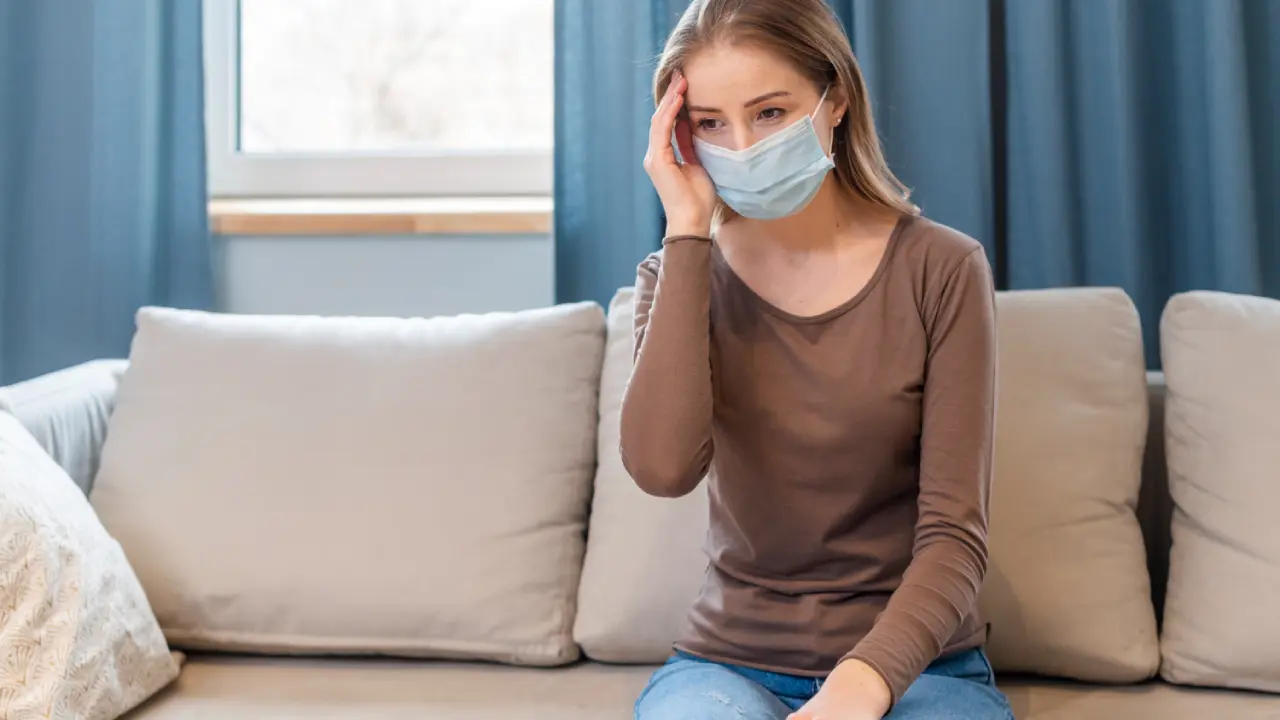
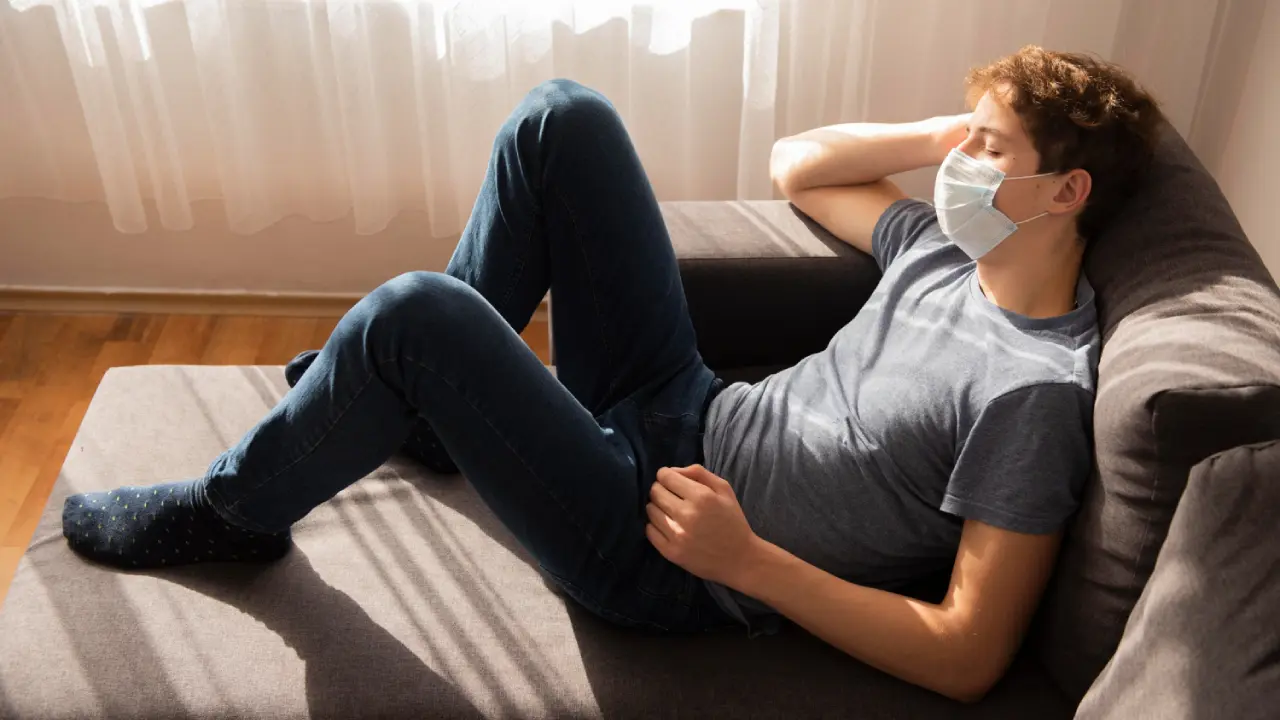
Are you or a loved one struggling with the debilitating effects of Sick Building Syndrome (SBS)? The experience of chronic headaches, unexplained fatigue, and persistent nausea while indoors can be profoundly draining, disrupting sleep, productivity, and overall well-being.

While medication may offer temporary relief, treating symptoms in isolation—without addressing the environment—often results in a frustrating cycle of discomfort. We understand how isolating this journey can be; when your own home or office becomes a source of illness, even the simplest daily tasks can feel insurmountable.

To support long-term recovery, it is essential to create a “safe zone” with optimised ventilation, stable humidity, and minimised sensory triggers.

Sick Building Syndrome

Understanding the Root Causes: VOCs and Hidden Mould

The primary drivers of Sick Building Syndrome are frequently invisible, lurking within the very fabric of our buildings. Exposure generally stems from two main sources: Volatile Organic Compounds (VOCs) and hidden fungal growth.

1. The Reality of ‘Off-Gassing’

Many modern interior elements—including carpets, synthetic furniture, and building materials—undergo a process known as “off-gassing.” This is the slow release of trapped chemicals, such as formaldehyde and solvent residues, into the air. These gases do not simply vanish; they circulate through the property and often adsorb onto dust particles and soft surfaces, leading to continuous exposure.

2. Hidden Mould and Moisture

Mould does not need to be visible to be harmful. Airborne spores enter through open windows or vents and germinate in areas where moisture accumulates. Common “hotspots” include:

  • Condensation Points: Damp areas around window frames or within poorly insulated wall cavities
  • HVAC Systems: Air-conditioning ducts can act as dark, moist reservoirs where mould flourishes undisturbed.
  • Soft Furnishings: Carpets act like a sponge, trapping dust and chemical residues, then slowly releasing them back into the breathing zone.

The ‘Sealed Building’ Challenge

In Australia, modern building regulations prioritise energy efficiency, resulting in tightly sealed homes and offices. While excellent for heat retention, this often reduces natural air exchange. Without adequate ventilation, indoor pollutants become trapped, reaching high concentrations that overwhelm the body’s respiratory system.

Given that we spend approximately 80% of our time indoors, our health is inextricably linked to the quality of the air we breathe. Managing Sick Building Syndrome requires more than just passive cleaning; it demands an environment that is actively sanitised to neutralise these invisible threats.

Key Steps to Improving Your Indoor Environment:

  • Enhance Ventilation: Ensure a consistent flow of fresh air through trickle vents or mechanical ventilation to dilute VOC concentrations.
  • Source Control: Where possible, choose low-VOC furniture and finishes to reduce the chemical load in your home.
  • Active Air Purification: Utilise high-grade filtration and neutralising technologies to destroy mould spores and chemical gases at the molecular level.
  • Maintain Humidity: Keep indoor humidity between 40–50% to inhibit mould germination and dust mite activity.

By proactively addressing these environmental triggers, you can break the cycle of Sick Building Syndrome and reclaim your health and vitality.

Why Traditional Air Purifiers Fall Short

Many people invest in standard HEPA air purifiers hoping for a quick fix. However, there is a significant flaw in passive filtration: HEPA filters cannot dismantle chemical off-gassing or stop mould reproduction on damp surfaces.

Traditional purifiers only clean the air that physically passes through their filters. This means the very triggers causing your discomfort remain undisturbed on surfaces, acting as a constant source of irritation every time you interact with your environment.

The VBreathe Solution: A Dual Active Approach

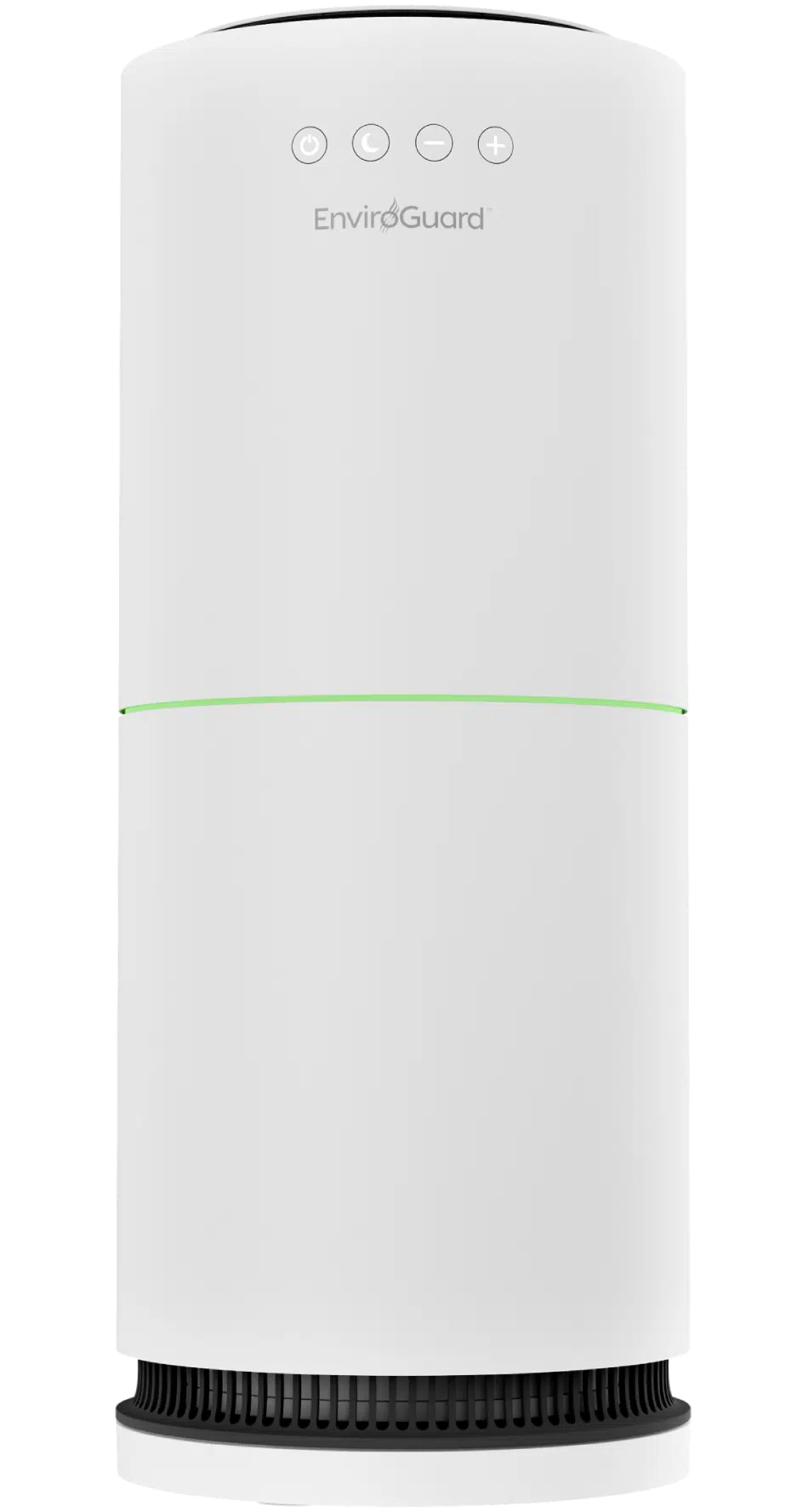
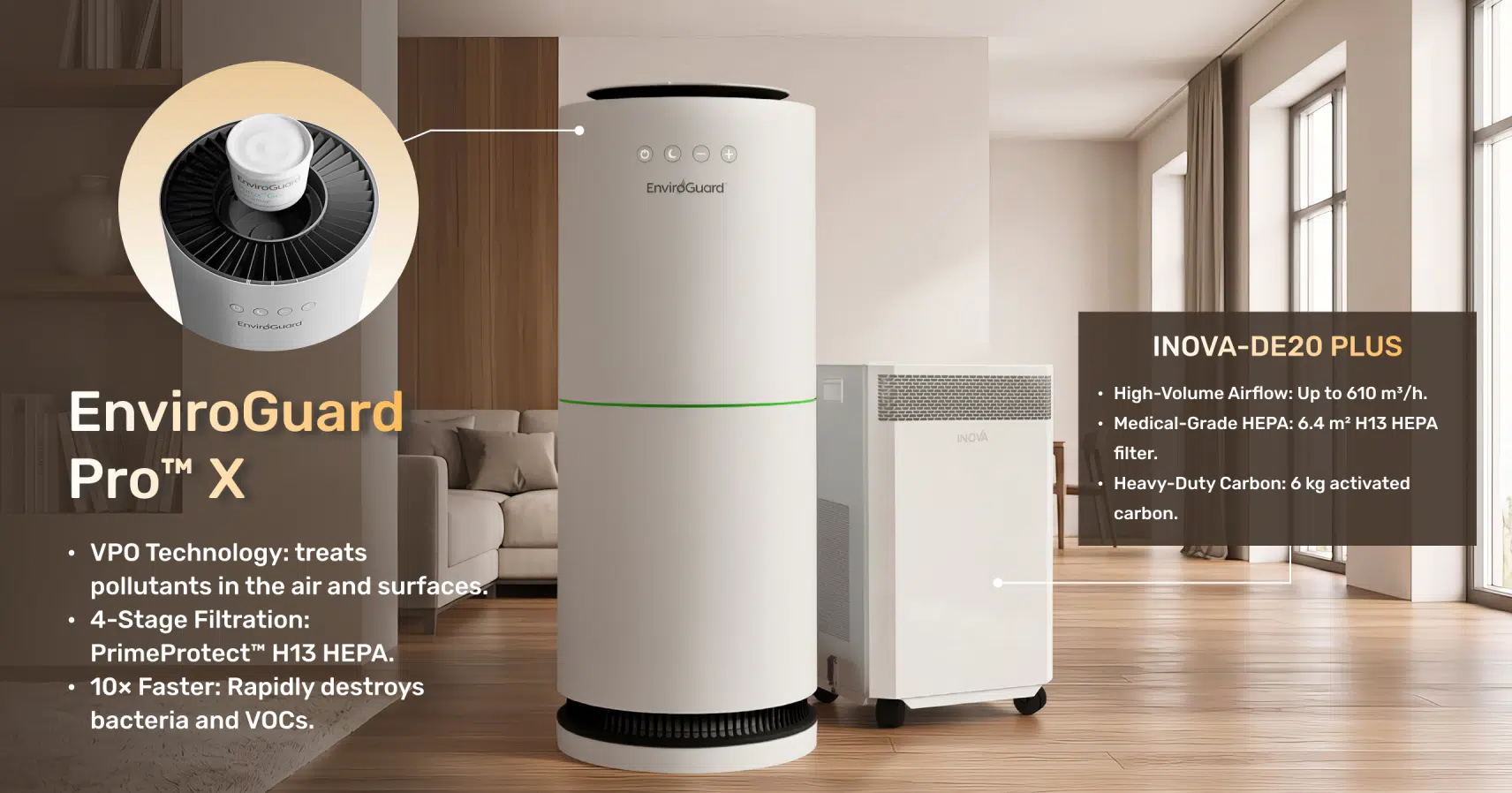
To effectively break the cycle of Sick Building Syndrome, you need an active approach that treats the entire room, not just the air passing through a machine. The EnviroGuard PRO™ X is a professional-grade air purification system designed to seek out and destroy triggers wherever they hide.

Our dual-action system uses a natural oxidation process to dismantle VOCs and prevent mould growth on surfaces 24/7. The most effective way to manage your environment is by using a voc air purifier for offices combined with our proprietary Purox™ Gel. As the HEPA filter traps airborne particles, the active vapour neutralises allergens on surrounding surfaces and in mid-air.

Proactive Protection You Can Trust:

  • 99.99% Pathogen Reduction: Independently tested by Aeris Environmental Ltd.
  • 100% Safe: Food-grade, non-toxic, and safe for continuous indoor use.
  • Ozone-Free: No harmful by-products, ensuring your health is never compromised.

Frequently Asked Questions About Sick Building Syndrome

How can I detect hidden mould behind walls or under flooring?

Check for persistent musty odors, water stains, or bubbling paint. Active air purification can neutralise airborne spores mid-air while you investigate the source with a moisture meter.

What is the safest way to remove small mould patches indoors?

Clean patches with detergent and a diluted bleach solution while wearing protection. Ensure the area is fully dried and the moisture source is fixed. An air purifier helps neutralise spores released during cleaning.

How do I reduce VOCs from new furniture and carpets?

Ventilate new items in a separate room for several days and choose low-VOC products. An active air purifier with VOC filtration can significantly reduce vapor-phase pollutants and neutralise odours.

Can scented air fresheners make Sick Building Syndrome worse?

Yes, many air fresheners release VOCs that can exacerbate symptoms. It is better to increase fresh air and use active air purification to neutralise existing odors and allergens.

What long-term steps improve air quality in these buildings?

Control sources by repairing leaks and selecting low-emission materials. Maintain humidity between 40–60% and use continuous active air purification to neutralise allergens mid-air.

Take Control of Your Environment

Don’t let indoor allergens dictate your quality of life. Revitalise your indoor environment by upgrading your home’s air quality today.

Order your EnviroGuard PRO™ X and your Purox™ Gel Refills to start experiencing true, professional-grade protection.

Further Reading & Complete Protection

Connect with Us

Follow us on Facebook for more tips on healthy indoor living: VBreathe Safe

Remove

Cart (0)
No products in the cart
Total Amount
$0.00
Add +