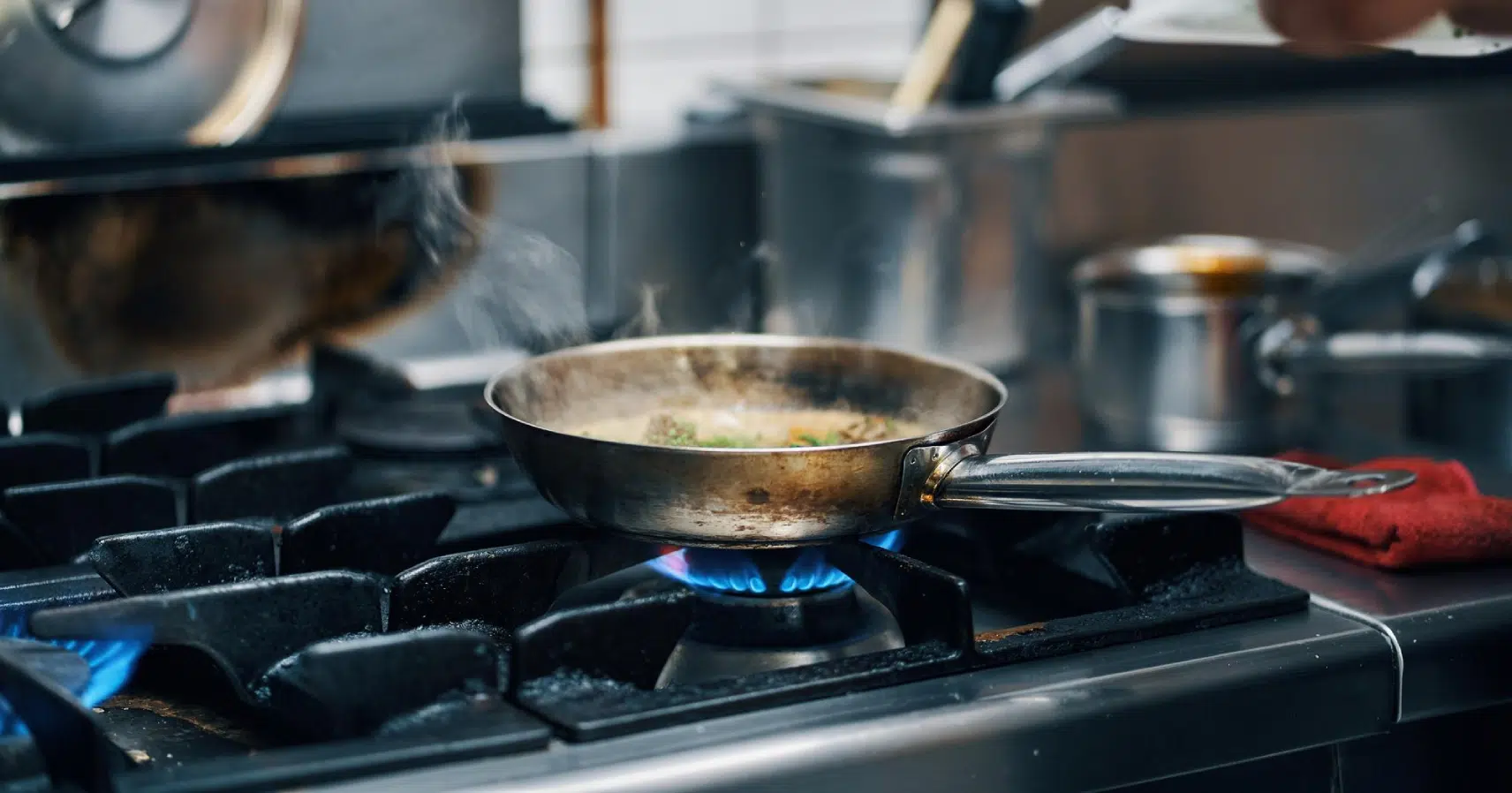
Two things surprise most people here. First, nitrogen dioxide is a respiratory irritant linked with the development of asthma and chronic obstructive pulmonary disease, and benzene is a known human carcinogen with no safe level of exposure — there’s no “acceptable” benzene dose, only more or less exposure. Second, unburned gas containing hazardous pollutants such as benzene leaks from household stoves even when they’re not in use, and this pollution has been shown to travel efficiently out of the kitchen and around the rest of the home.
To put some numbers on it: during typical use, carbon monoxide from a gas stove can reach levels above 34 mg/m³, approaching the WHO’s one-hour guideline of 35 mg/m³, while formaldehyde concentrations during gas stove use typically sit between 0.18 and 0.45 mg/m³. Formaldehyde is one of the most concerning indoor VOCs due to its long-term health risks.
How Bad Is It, Really? What the Research Shows
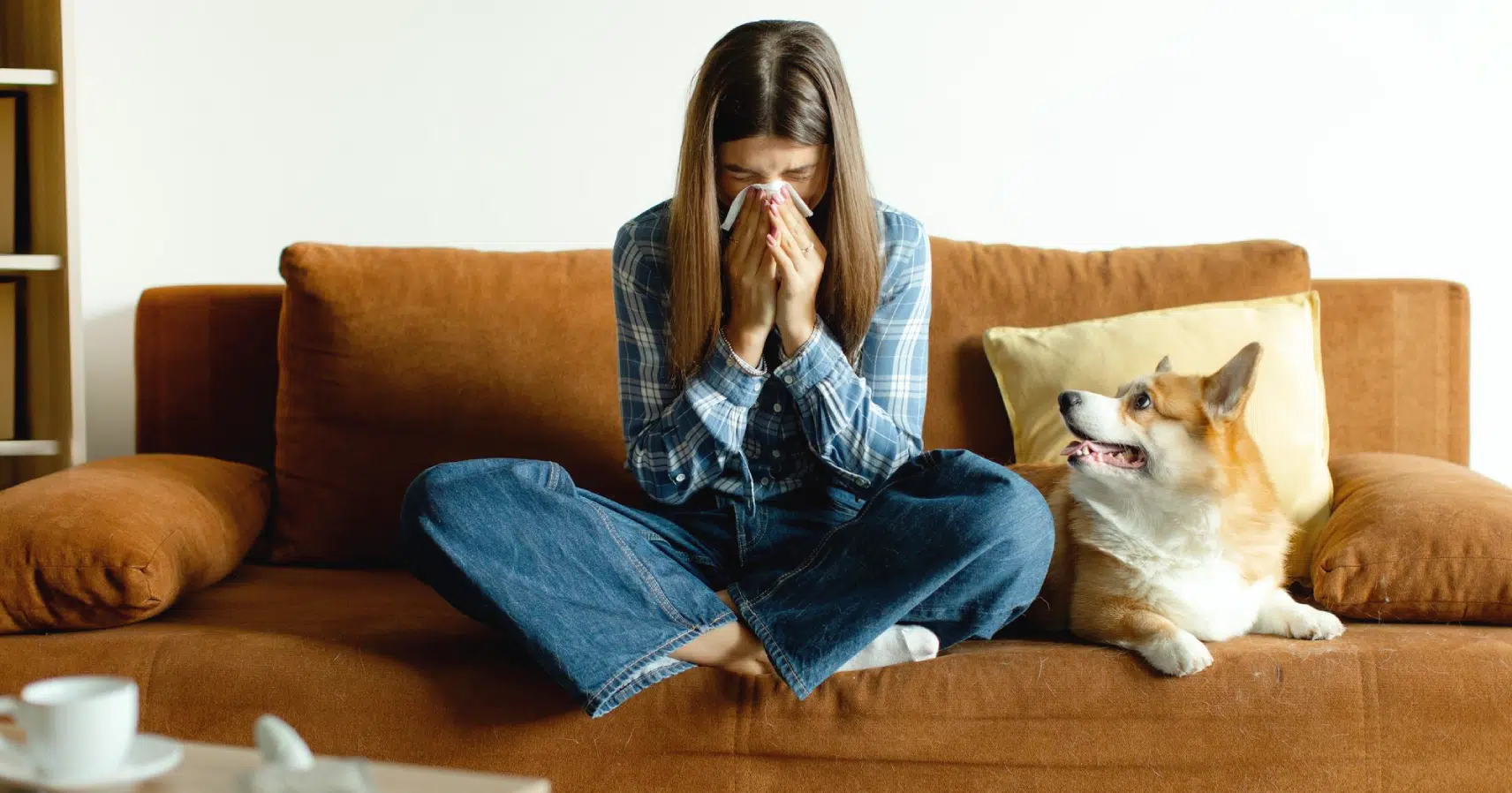
The Australian data is specific enough that it’s worth sitting with. A Victorian study of 148 children, more than a third of whom had asthma, measured nitrogen dioxide levels in their homes and found that gas stove exposure was associated with asthma diagnosis and with respiratory symptoms at meaningfully elevated odds. That’s consistent with the broader literature: a 2013 meta-analysis of 41 studies found that children living in homes with gas stoves had a 42 percent higher risk of experiencing asthma symptoms, and a 24 percent increase in lifetime risk of an asthma diagnosis.
The exposure doesn’t stop when the burner goes off, either. A Stanford-led study published in 2024 found that gas stoves release unsafe levels of nitrogen dioxide that linger in the air for hours Fine particles and combustion pollutants may continue circulating throughout the home long after cooking ends. after the burners and oven are turned off, and the same body of research has linked gas stoves to worrisome levels of benzene, a carcinogen associated with leukaemia and other cancers. On a national scale, one Stanford estimate suggests that switching from gas or propane to electric could reduce nitrogen dioxide exposure by more than 50 percent for the heaviest stove users.
This is part of why the regulatory conversation in Australia has started to shift. Victoria and the Australian Capital Territory have announced bans on gas connections in new homes from 2024, and Sydney’s Waverley council has made a similar move.
In fairness, this isn’t a settled argument. The gas industry’s position, represented by the American Gas Association, is that the available body of research doesn’t provide sufficient or consistent evidence that gas range emissions adversely affect health in a way that’s meaningfully different from alternatives like electric ranges. That view sits against a considerably larger and more consistent body of peer-reviewed research, including the Australian data above — but it’s worth knowing the disagreement exists rather than pretending the science is unanimous.
How Can I Improve Ventilation in My Kitchen When Using a Gas Stove?
Ventilation is the single most effective thing you can do without replacing your stove — but only if it’s set up and used properly. The variation in results is enormous. Some range hoods reduce indoor NO2 by a modest 10 percent, while an appropriately sized hood with adequate airflow, used over the back burners, can cut NO2 concentrations by up to 95 percent.
A few practical benchmarks worth checking against your own kitchen:
-
- Confirm it vents outdoors. A hood that recirculates air back into the room is only doing part of the job — recirculating hoods offer some benefit against particulate matter, oil-laden smoke and other cooking emissions, but that’s a different task to removing combustion gases.
-
- Check the airflow. A typical range hood moves somewhere between 200 and 350 CFM — if yours is well below that, it’s likely underpowered for the room.
-
- Use the back burners where you can. Capture efficiency is significantly better there than at the front of the stove.
-
- Run it for the whole cooking session, not just a quick blast at the start or end.
-
- If you don’t have a ducted hood, open a window. It’s a poor substitute for proper extraction, but any air exchange is better than a sealed kitchen.
The honest catch is behavioural, not technical: one survey found that people used their exhaust hoods only a third of the time, citing noise and forgetfulness as the main reasons. The equipment is often already installed — the habit is usually the missing piece.
How Long Should You Air Out a House After Using a Gas Stove?
This is where most advice undersells the problem. A 2022 Stanford study that measured 53 California homes found something the researchers didn’t expect: 76 to 80 percent of total methane emissions from gas stoves occur when the appliance is completely off, not while you’re actively cooking. Combined with the earlier point — that NO2 can linger for hours after the burners are switched off — “airing out for ten minutes after dinner” is really only addressing part of the exposure window.
A more realistic approach is to keep ventilation running for the full duration of cooking, then continue it for a period afterwards rather than stopping the moment the food is off the heat. If you’re relying on an open window, extend that window well past the end of cooking, particularly in a smaller kitchen or a home with limited airflow between rooms.
Should I Get an Air Purifier If I Have a Gas Stove?
Here’s where it’s worth being precise rather than optimistic, because the two main pollutants from a gas stove don’t respond to filtration in the same way.
Nitrogen dioxide is a gas, not a particle, and that distinction matters. As Darby Jack, associate professor of environmental health at Columbia University, has put it, since the main pollutant of concern from stoves is nitrogen dioxide, air purifiers that only have a HEPA filter won’t be effective against it. Michael Johnson, a senior scientist at Berkeley Air Monitoring Group, makes a similar point: HEPA filters are very good at removing particulate matter, and that’s largely all they do — they aren’t built to pull NO2 out of the air.
That said, the picture isn’t entirely bleak. A 2025 peer-reviewed study of 67 low-income homes in Lowell, Massachusetts, tracked over 12 months, found that introducing HEPA/carbon air purifiers led to a meaningful drop in both pollutants: the geometric mean for NO2 decreased by 36 percent, and PM2.5 decreased by 45 percent. The likely explanation is the added carbon layer and the general increase in air circulation, rather than the HEPA media itself doing the work on NO2.
So the honest answer: a good air purifier is a genuinely useful supplementary layer, but it isn’t a substitute for proper range hood ventilation or for switching to induction if that’s on the table. What it’s reliably good for is everything ventilation tends to miss once you leave the kitchen — lingering smoke particles, cooking odours, and the VOCs and formaldehyde that continue drifting through the house well after the stove is off.
Closing the Gap: Whole-Room Protection Beyond the Stove
Ventilation handles the combustion gases at the source. What it doesn’t reach is the rest of the home — the formaldehyde and cooking VOCs that have already spread past the kitchen door, or the fine particulates settling on surfaces in the next room.
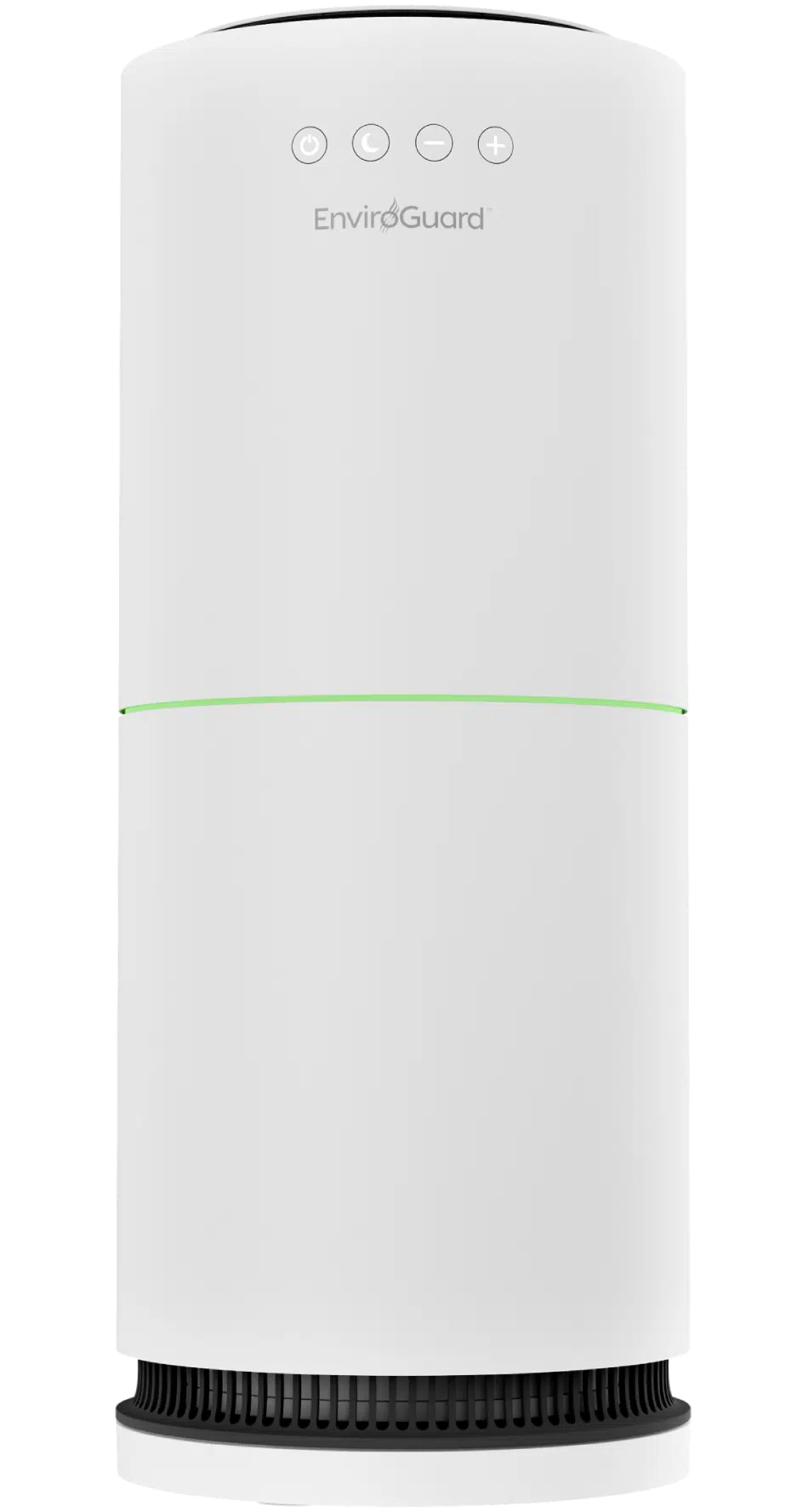
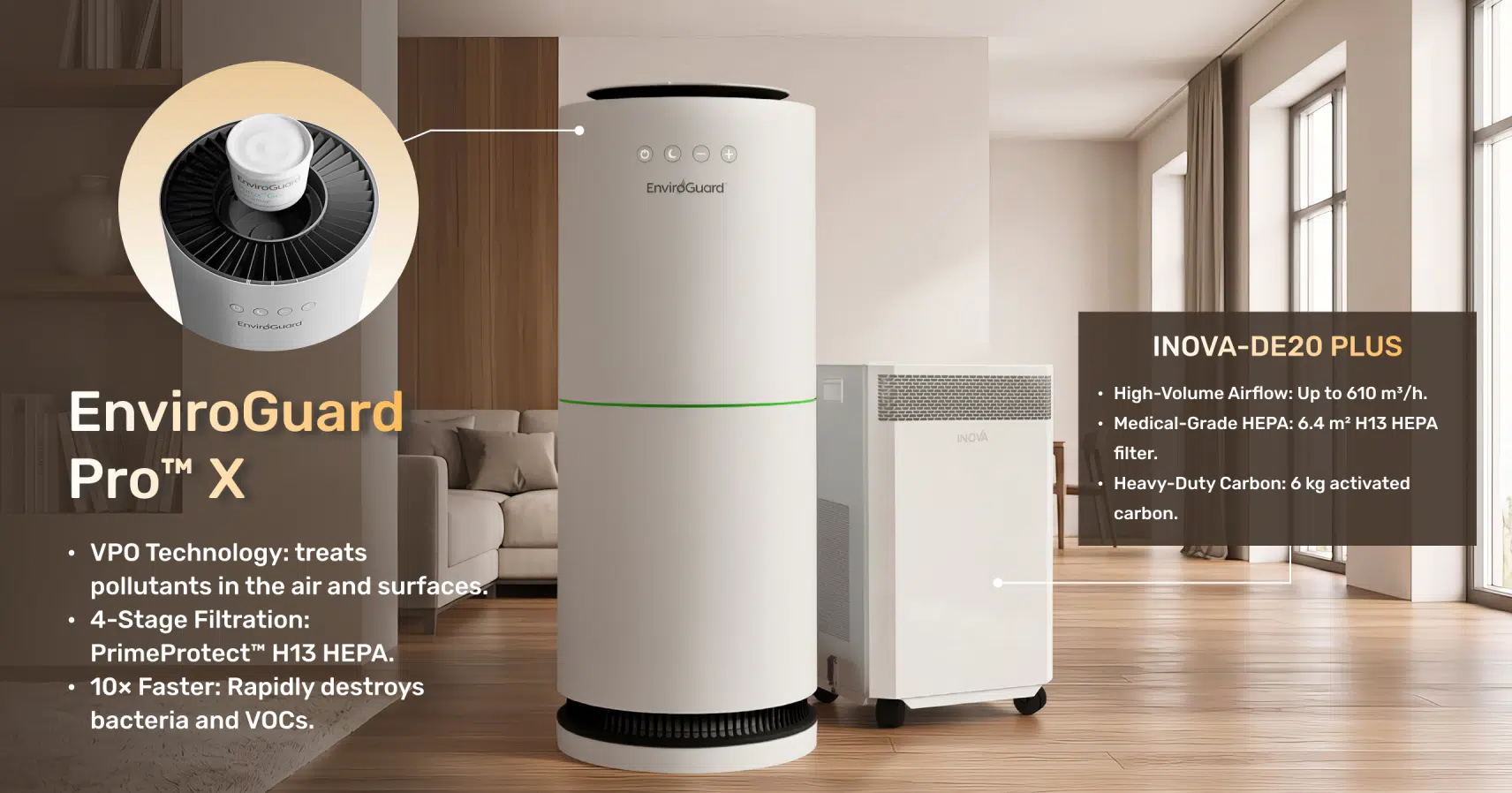
This is where the EnviroGuard Pro X is built to pick up where a range hood leaves off. Its PrimeProtect™ Filter captures fine particulate matter and smoke through medical-grade HEPA-13 filtration, while Purox™ Gel, via Vapour Phase Oxidation, works through the air itself — breaking down VOCs, formaldehyde and cooking odours at a molecular level rather than simply holding onto them until a filter needs changing. It’s designed as a whole-room complement to good kitchen ventilation, not a replacement for it.