Limited-time welcome offer — 10% off with code WELCOME10

✨ Fresh Update: Ut enim ad minim veniam, quis nostrud exercitation ullamco aboris nisi ut aliquip ex ea commodo consequat.

Limited-time welcome offer — 10% off with code WELCOME10

How to Improve Sleep Quality by Reducing Allergens in Your Bedroom

A good night’s sleep is essential for overall health, but allergens in your bedroom can disrupt your rest, leading to sneezing, congestion, and breathing difficulties. Dust mites, pet dander, pollen, and mould spores accumulate in bedding, carpets, and the air, making it difficult to breathe comfortably at night. Investing in a home allergy air

How to Improve Sleep Quality by Reducing Allergens in Your Bedroom
Today’s Air Quality
London, GB
9:52 AM
AQI 36
Air Quality Good
Air is clean and safe. No health risks expected. Everyone can enjoy outdoor activities without concern.
PM₂.₅
7.12
PM₁₀
14.32
SO₂
5.68
NO₂
8.95
O₃
77.72
CO
124.67

A good night’s sleep is essential for overall health, but allergens in your bedroom can disrupt your rest, leading to sneezing, congestion, and breathing difficulties. Dust mites, pet dander, pollen, and mould spores accumulate in bedding, carpets, and the air, making it difficult to breathe comfortably at night.

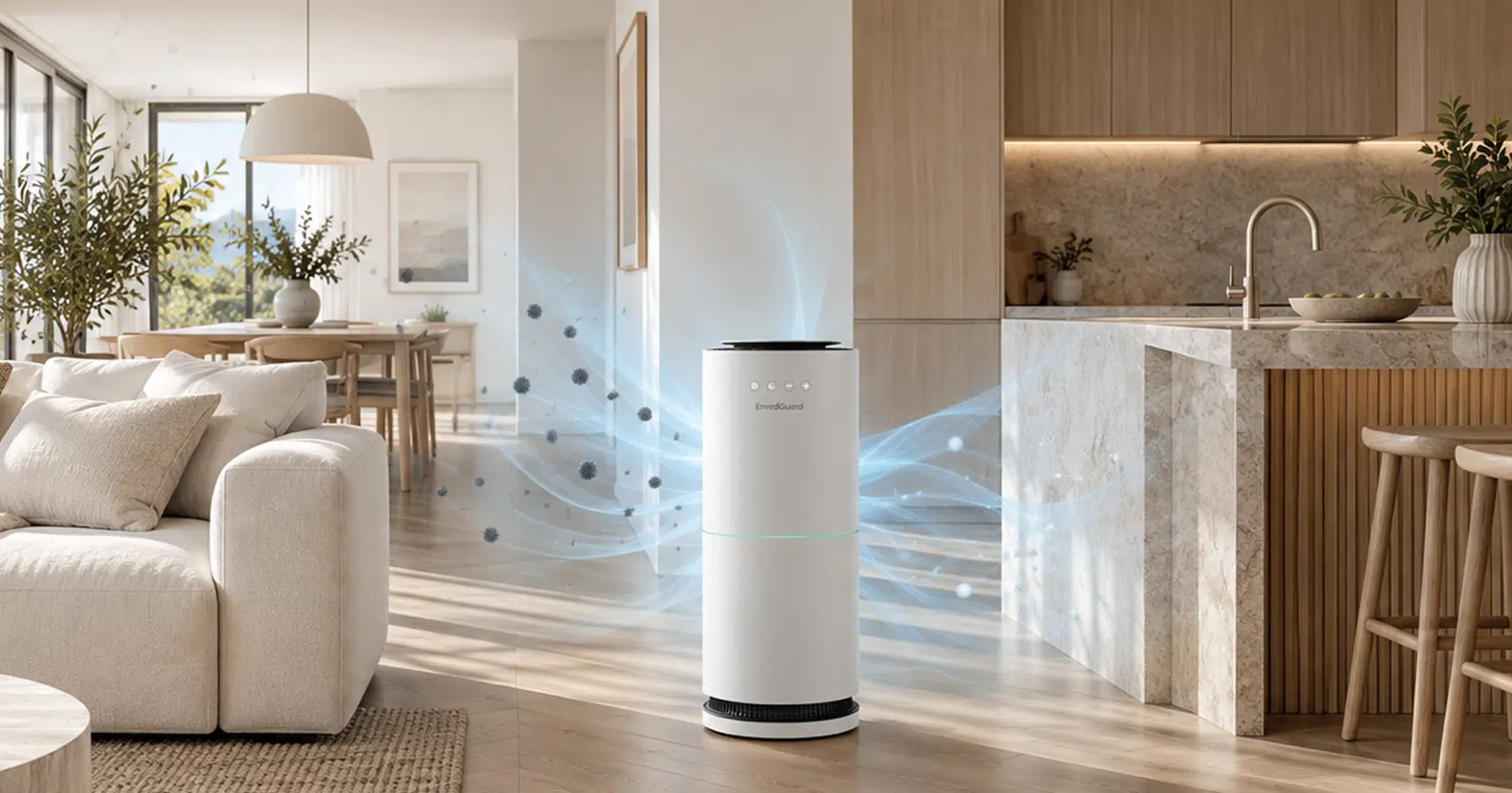
Investing in a home allergy air purifier can significantly reduce airborne allergens, creating a cleaner, healthier sleeping environment. In this guide, we’ll explore how air purifiers help improve sleep quality, what to look for in the best air purifier for allergies and asthma, and other practical steps to reduce allergens in your bedroom.
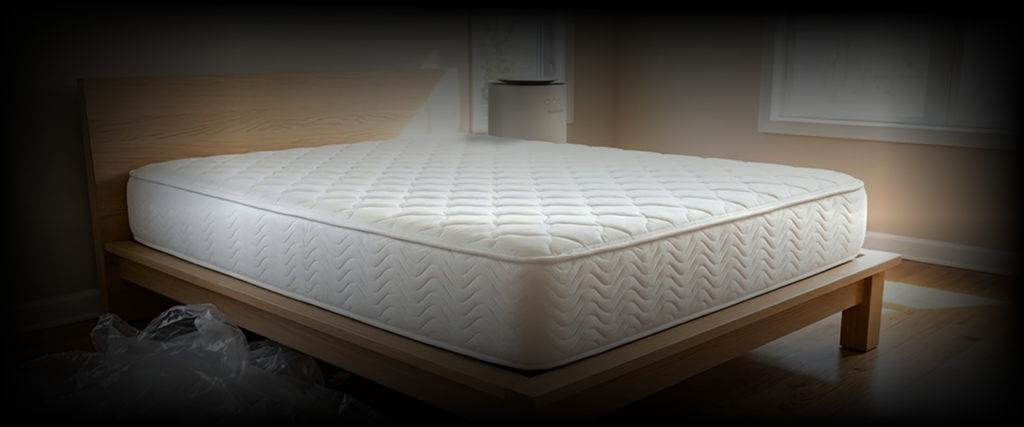
Why Allergens Disrupt Your Sleep

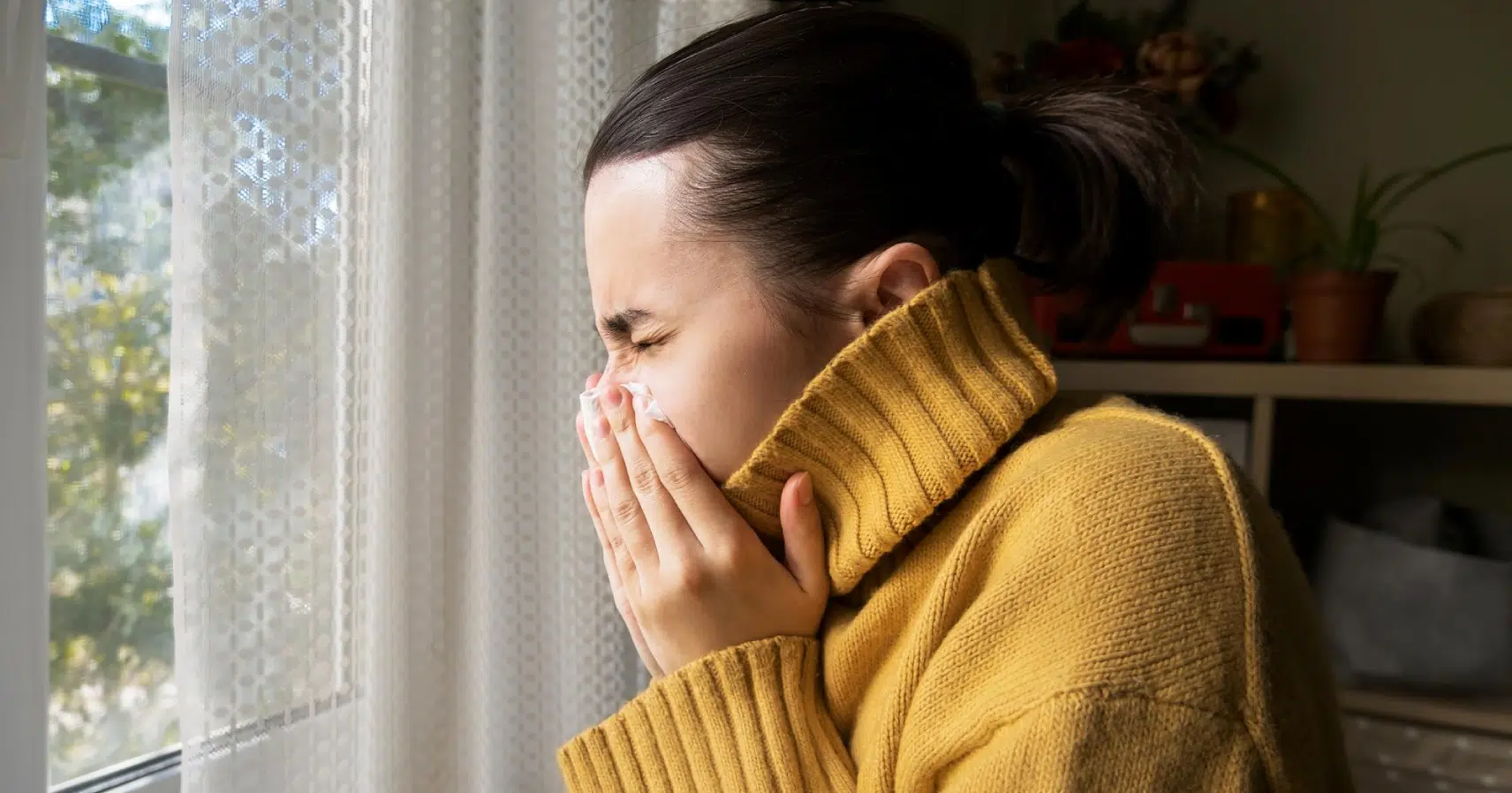
Common airborne allergens can cause nighttime discomfort, directly impacting your sleep cycle and leading to:

  • Nasal congestion: Making it harder to breathe through your nose. This forces mouth breathing, which leads to a dry mouth, a sore throat, and an increased risk of snoring.
  • Coughing and wheezing: Often triggered by dust mites and pet dander accumulating in your bed.
  • Itchy eyes and throat: Caused by pollen, mould spores, or even fine particulate matter (PM2.5) seeping into the bedroom.
  • Frequent waking up: Due to irritation or the uncomfortable sensation of not getting enough air.
  • For those with asthma or severe allergies: Continuous exposure to these allergens at night can trigger acute asthma attacks, lead to chronic sleep deprivation, and weaken the immune system over time.

The Hidden Impact of Allergies on Sleep

Current sleep research reveals that allergens do not merely disrupt your breathing; they affect you on a much deeper level:

  1. Obstructive Sleep Apnoea (OSA)
    Allergic rhinitis causes inflammation and swelling of the airways. This is a major risk factor that narrows the airway during sleep, significantly increasing the likelihood of developing sleep apnoea.
  2. Micro-awakenings
    Even if you do not remember waking up in the middle of the night, a body battling allergies frequently experiences brief “micro-awakenings”. This prevents the brain from fully entering deep sleep, resulting in you waking up feeling exhausted and unrested.
  3. The Climate Change Factor
    Rising global temperatures and shifting weather patterns have prolonged the “pollen season”. Furthermore, mould thrives in higher humidity, meaning people are increasingly exposed to allergens year-round, rather than just during specific seasons.

Actionable Tips – Allergy-Proofing Your Bedroom

To restore optimal sleep quality, you can adapt your bedroom environment using the following methods:

  • Use Air Purifiers:
    • Basic Filtration: At a minimum, opt for a device featuring a HEPA (High-Efficiency Particulate Air) filter to capture fine particles such as dust mites, pollen, and PM2.5. Leave it running throughout the night to cover your entire sleep cycle.
    • Upgrade with VPO (Vapour Phase Oxidation) Technology: For superior air purification, consider an air purifier equipped with VPO technology. Rather than simply trapping airborne pollutants in a filter, Vapour Phase Oxidation works at a molecular level. It effectively breaks down harmful Volatile Organic Compounds (VOCs) (such as chemical off-gassing from furniture, paint, or cleaning products), neutralises stubborn odours, and actively destroys airborne pathogens like viruses and bacteria. The VPO process converts these pollutants into harmless byproducts, such as water vapour and trace amounts of carbon dioxide, ensuring a truly pristine breathing environment.
  • Wash Bedding in Hot Water: Wash your pillowcases and bed sheets in hot water (approximately 60°C) on a weekly basis to eradicate dust mites.
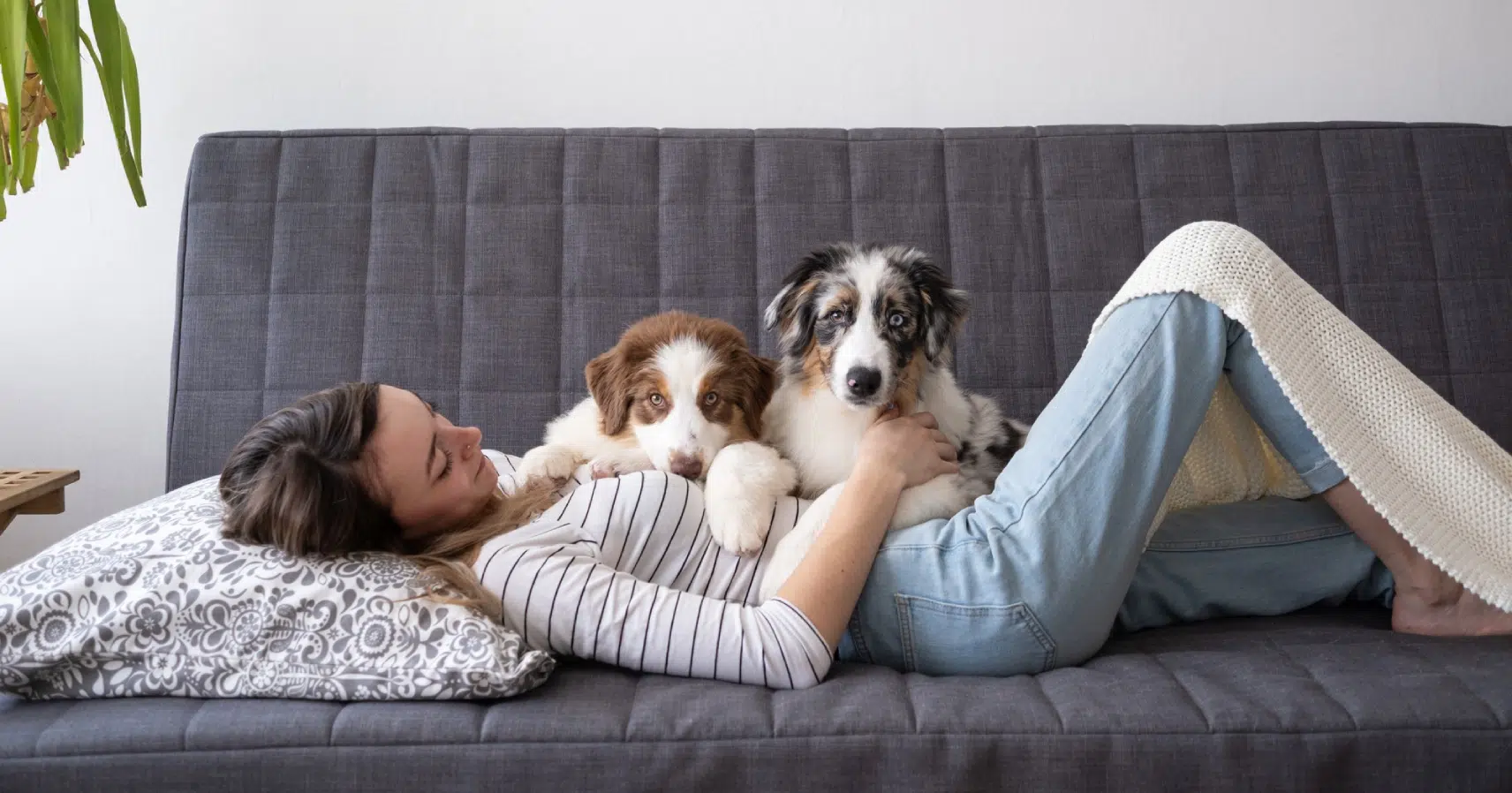
  • Restrict Pet Access: Avoid letting dogs or cats sleep in your bed. At the very least, use a bedspread that is easy to clean.
  • Shower and Wash Your Hair Before Bed: This washes away the pollen, dust, and smoke that have clung to your body and hair throughout the day, preventing them from contaminating your pillows.
  • Humidity Control: Maintain room humidity at a level of 40-50% to prevent the growth of mould and dust mites. (You might use a dehumidifier during wetter months or set your air conditioning to ‘Dry’ mode).

How an Air Purifier Can Improve Your Sleep

Many people ask, “What is the best air purifier for allergies and asthma?” The answer lies in finding a unit with True HEPA filtration, which effectively removes allergens from the air. A high-quality air purifier for allergies works by:
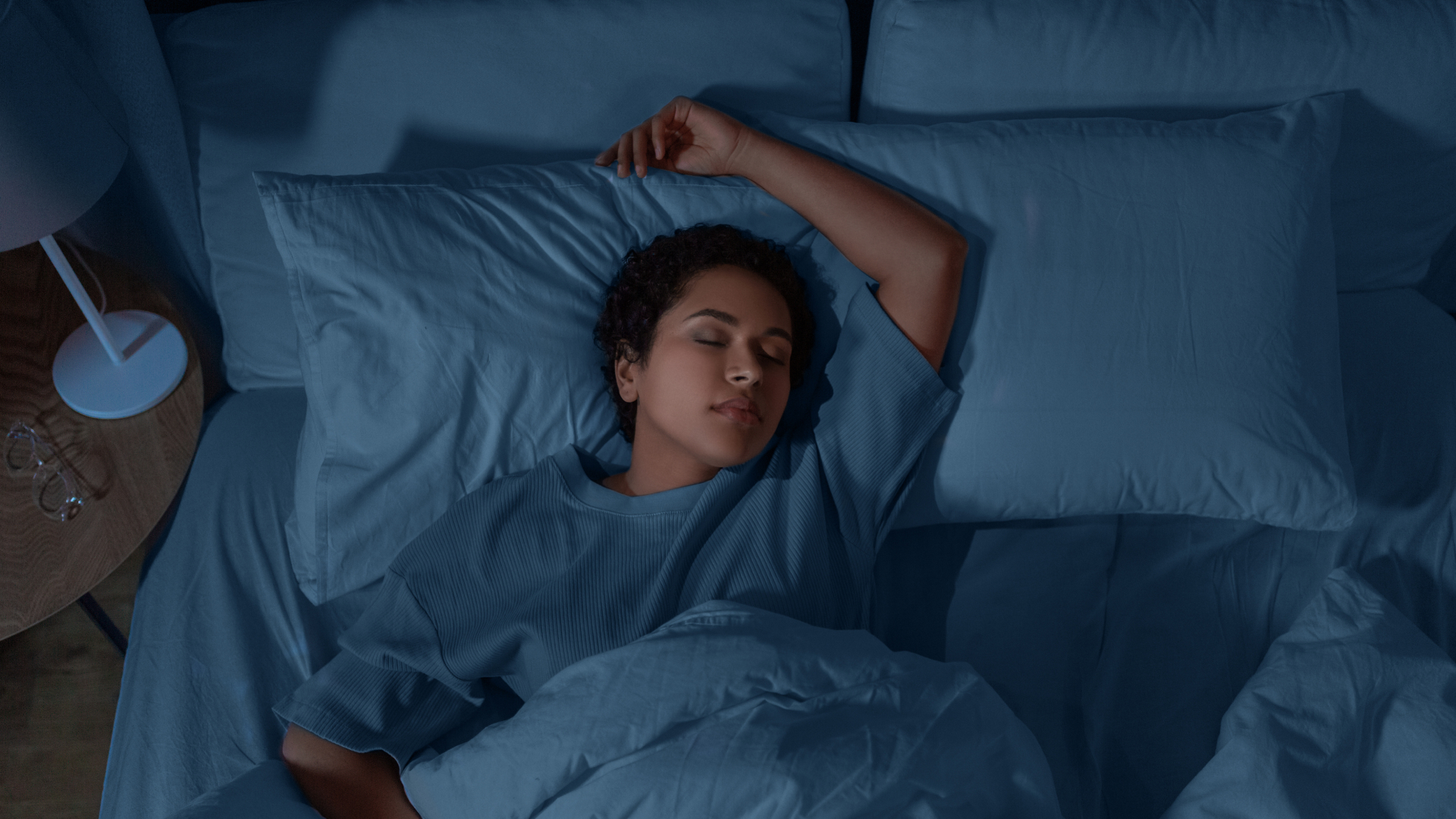
  • Capturing dust mites, pollen, and pet dander before they settle on bedding and furniture.
  • Filtering out airborne mould spores, reducing exposure while you sleep.
  • Removing common asthma triggers, improving nighttime breathing.
  • Reducing household allergens in the air, preventing irritation and congestion.

What to Look for in the Best Air Purifier for Allergies and Asthma

When choosing the best air purifier for allergies and asthma, consider the following features:

1. True HEPA Filtration

True HEPA filter captures 99.97% of airborne allergens, including dust, pet dander, and pollen. If you suffer from asthma, a high-quality air filter for asthma ensures that triggers are removed before they affect your breathing.

2. Activated Carbon Filter for Odour Control

For those sensitive to household odours, VOCs, or pet smells, a carbon filter is essential. It helps eliminate airborne irritants that can cause discomfort at night.

3. Ultra-Quiet Operation

To avoid noise disturbances, choose an allergy air purifier with a whisper-quiet motor , ensuring continuous filtration without disrupting sleep.

4. Bedroom-Sized Coverage

The best home allergy air purifier should effectively clean the air in a standard bedroom. Choosing a purifier designed for small to medium-sized rooms ensures optimal performance. For a detailed breakdown of what to consider, check out our best bedroom air purifier guide.

5. No Harmful Ionisers or Ozone Emissions

Some purifiers use ionisers, which may produce ozone—a lung irritant. To create a truly safe sleeping environment, avoid air purifiers that emit ozone.

Why an Air Purifier is the Best Solution for an Allergy-Free Bedroom

Unlike regular cleaning, an air purifier allergy filter provides continuous allergen removal, ensuring you breathe cleaner air while you sleep. The best air purifier for allergies and asthma offers:

  • 24/7 filtration to reduce airborne triggers.
  • Quiet operation to promote uninterrupted sleep.
  • HEPA filtration to capture microscopic allergens.
  • Odour removal for fresher bedroom air.

If you’re looking for the best air purifier for asthma in Australia, choosing a system with both HEPA and activated carbon filtration is essential for effective, long-term allergen control. By maintaining cleaner indoor air overnight, air purifiers help support respiratory comfort, sleep quality, and overall wellbeing. To explore the wider impact on everyday health, discover the benefits of air purification for health and how cleaner air can make a lasting difference in your home.

Conclusion

Achieving a truly restful night’s sleep is nearly impossible when your bedroom is filled with invisible allergens. By understanding how dust mites, pollen, and pet dander disrupt your breathing and sleep cycles, you can take proactive steps to allergy-proof your space. Combining good bedroom hygiene—such as washing bedding in hot water and managing humidity—with a high-quality air purifier featuring True HEPA and VPO technology is the most effective way to eliminate airborne triggers. Ultimately, investing in cleaner bedroom air is an investment in your sleep quality, respiratory health, and overall daily wellbeing.

Frequently Asked Questions (FAQs)

1. Can an air purifier really help me sleep better? Yes. By capturing airborne allergens like dust mites and pollen, an air purifier significantly reduces nighttime congestion, coughing, and breathing difficulties, allowing you to achieve deeper, uninterrupted sleep.

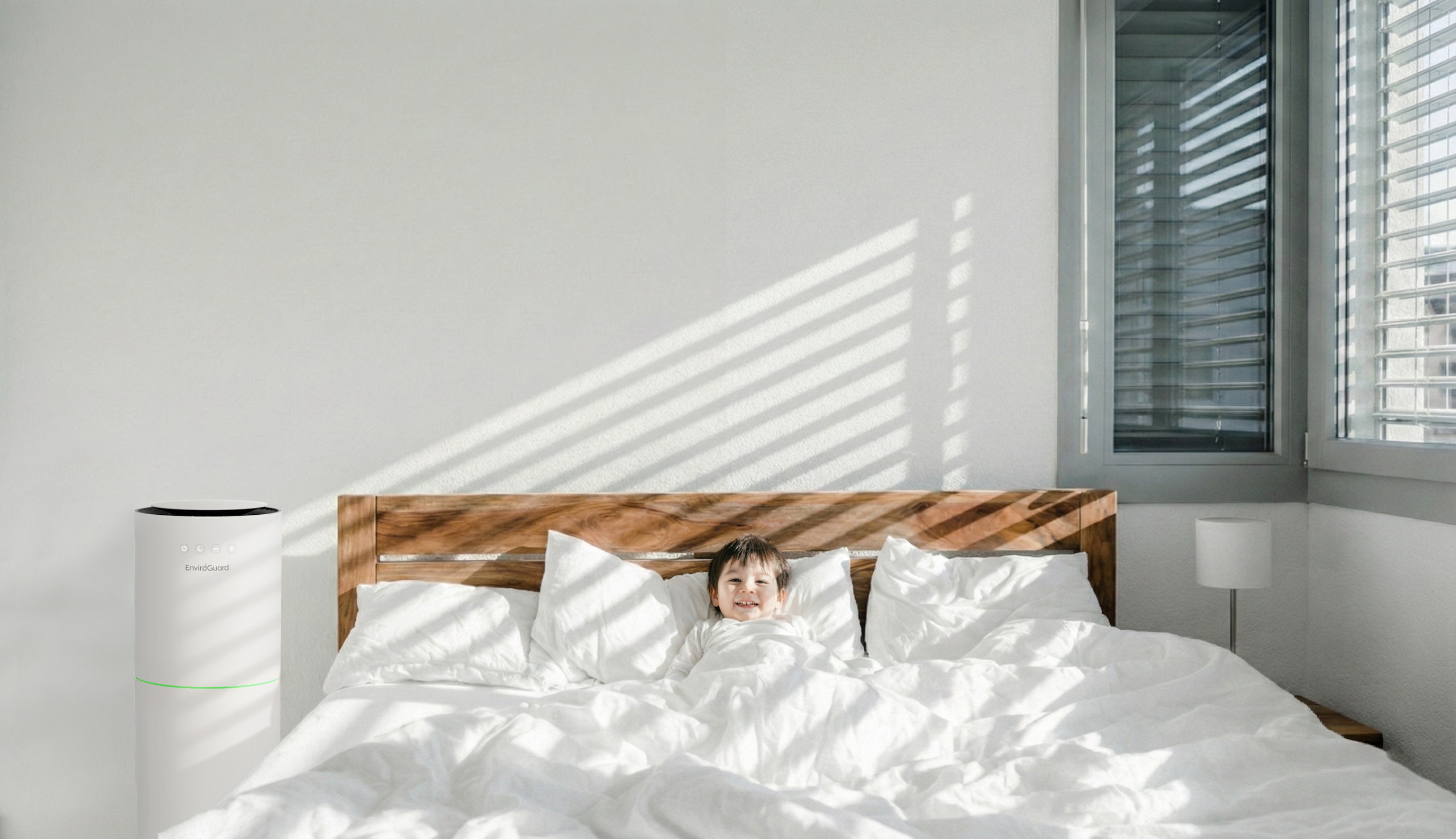
2. Where is the best place to put an air purifier in a bedroom? Place it at least 1 metre (about 3 feet) away from walls and large furniture. Ideally, position it relatively close to your bed so it can effectively clean the air within your direct breathing zone.

3. Do I need to leave my air purifier on all night? Absolutely. Leaving it running continuously on a quiet or sleep mode ensures that any new allergens, or dust stirred up while you toss and turn, are actively filtered out while you sleep.

4. What is the difference between HEPA and VPO technology? A True HEPA filter physically traps airborne particles (like dust and pet dander). In contrast, VPO (Vapour Phase Oxidation) works at a molecular level to actively break down and destroy viruses, bacteria, and harmful chemical odours (VOCs).

5. How often should I change my air purifier’s filter? For optimal performance, True HEPA and activated carbon filters should typically be replaced every 6 to 12 months, depending on the manufacturer’s guidelines and the air quality in your bedroom.
Stay Updated with Us

Subscribe to receive the latest insights, practical clean air tips, and general updates from the VBreathe team.

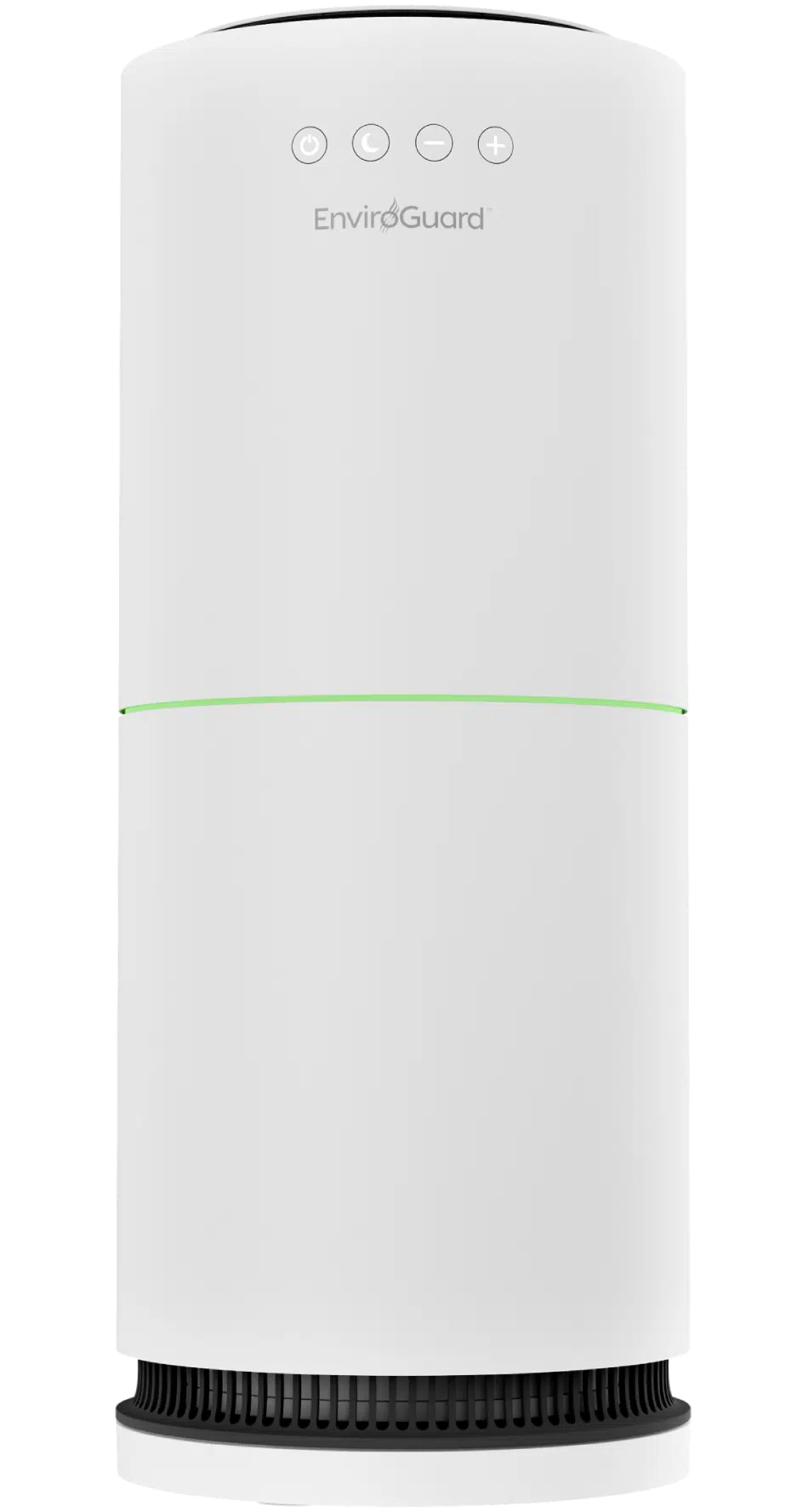
VBreathe EnviroGuard PRO X Device
Limited-Time Offer

Transform Your Indoor Air Quality

Upgrade to the innovative EnviroGuard PRO™ X today for only $790 (Was $1,590). Claim your $800 saving now and breathe cleaner, healthier air tomorrow.

Apply code & Go to Cart ↗

Recommended for you

¹ Tested in independent Australian laboratories under controlled conditions using airborne mould spores, bacteria and allergen particulates (0.3μm–10μm).
² Based on third-party testing results confirming 99.9% reduction in airborne mould spores and pet dander when using EnviroGuard Pro X with Purox™ Gel over 24 hours.
³ Independent testing by ICAS Testing Technology Service (Shanghai) Co., Ltd. demonstrated 99.99% reduction in airborne Staphylococcus Albus bacteria within 30 minutes in a 20m² test chamber, in accordance with Technical Standard for Disinfection GB 27948-2020.
⁴ Surface efficacy testing conducted by Eurofins BioPharma Product Testing — Sydney (Eurofins ams Laboratories Pty Ltd, TGA-licensed under MI-2021-LI-08995-1). Reductions over 8 hours: 99.99% Pseudomonas Aeruginosa, 99.9% Escherichia Coli, 90% Candida Albicans Yeast.
⁵ "10x faster than conventional filtration" comparison based on EnviroGuard Pro X achieving log 4 (99.99%) airborne bacterial reduction in 30 minutes, compared with log 1 (90%) pathogen reduction in 20 minutes reported for hospital HEPA systems operating at 12 air changes per hour (Fernstrom A, Goldblatt M. Aerobiology and its role in the transmission of infectious diseases. J Pathog. 2013;2013:493960).
⁶ Performance varies based on room size, airflow configuration, fan speed setting, environmental conditions and usage patterns.

Remove

Cart (0)
No products in the cart
Subtotal
$0.00
Add +

Total Amount